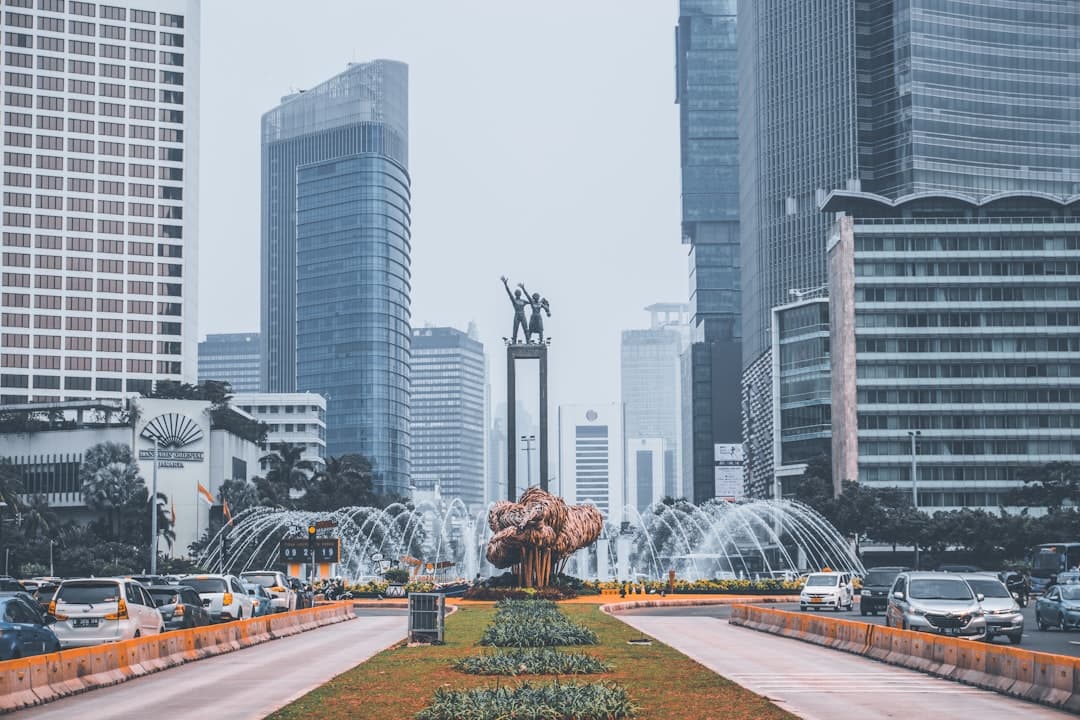
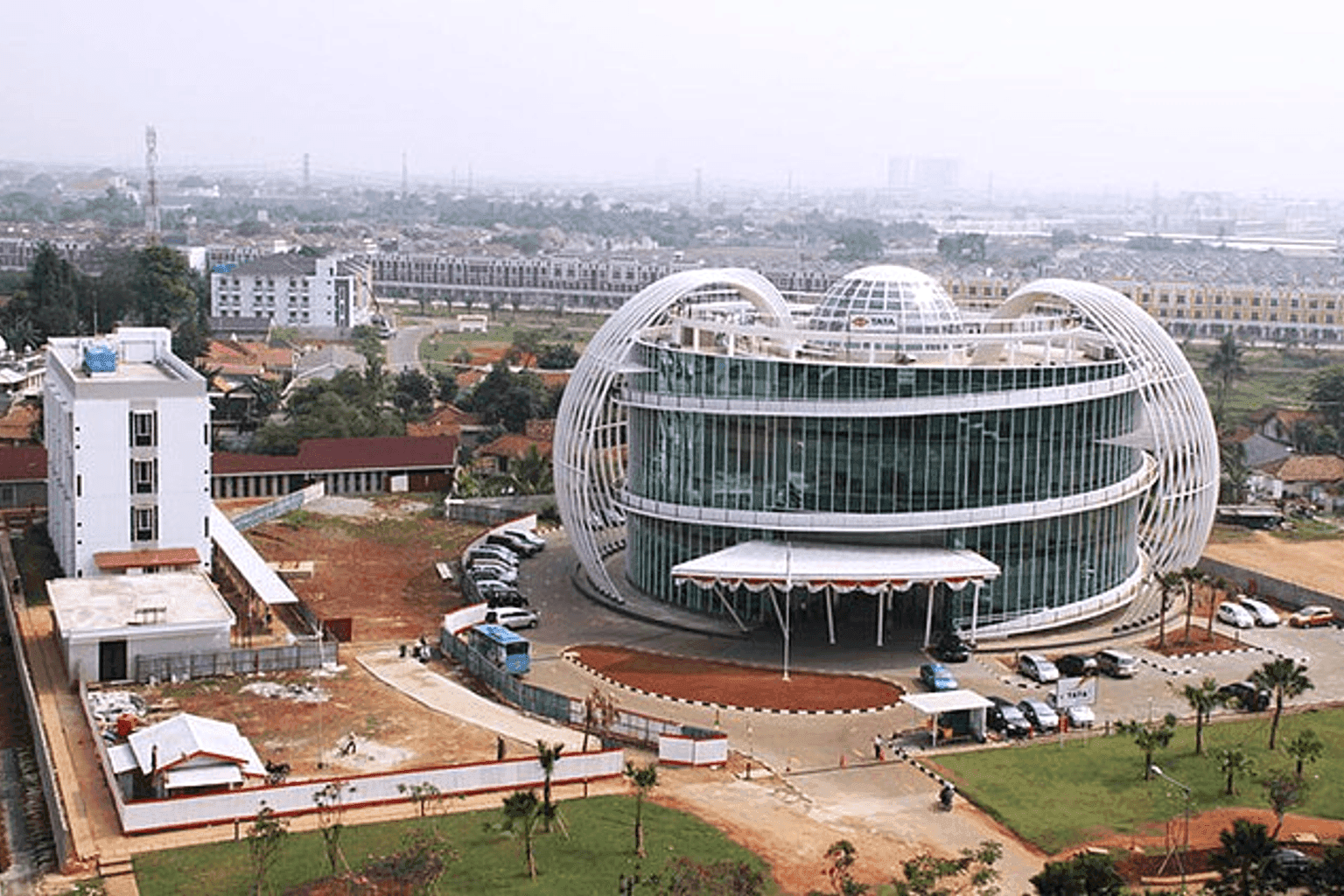
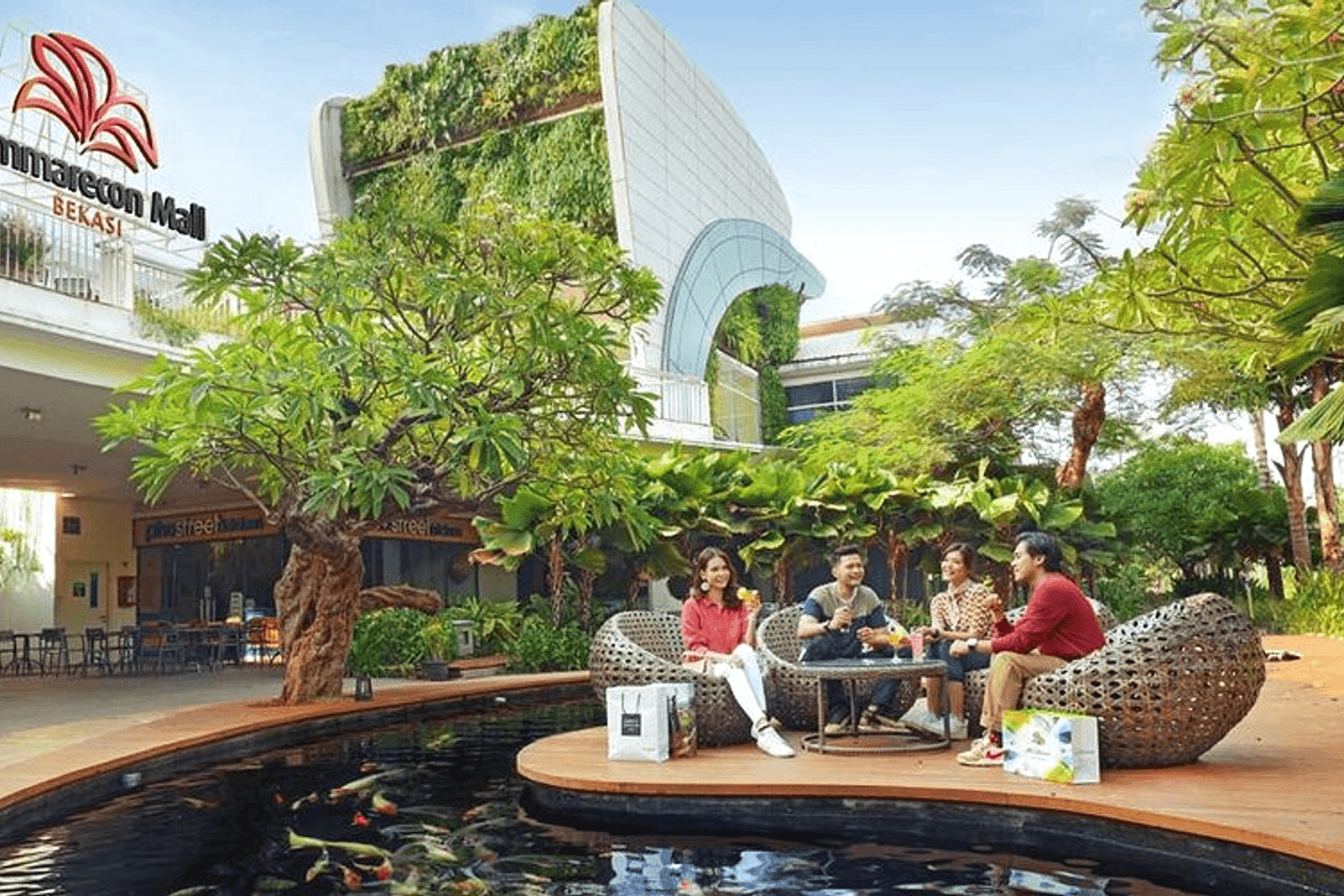
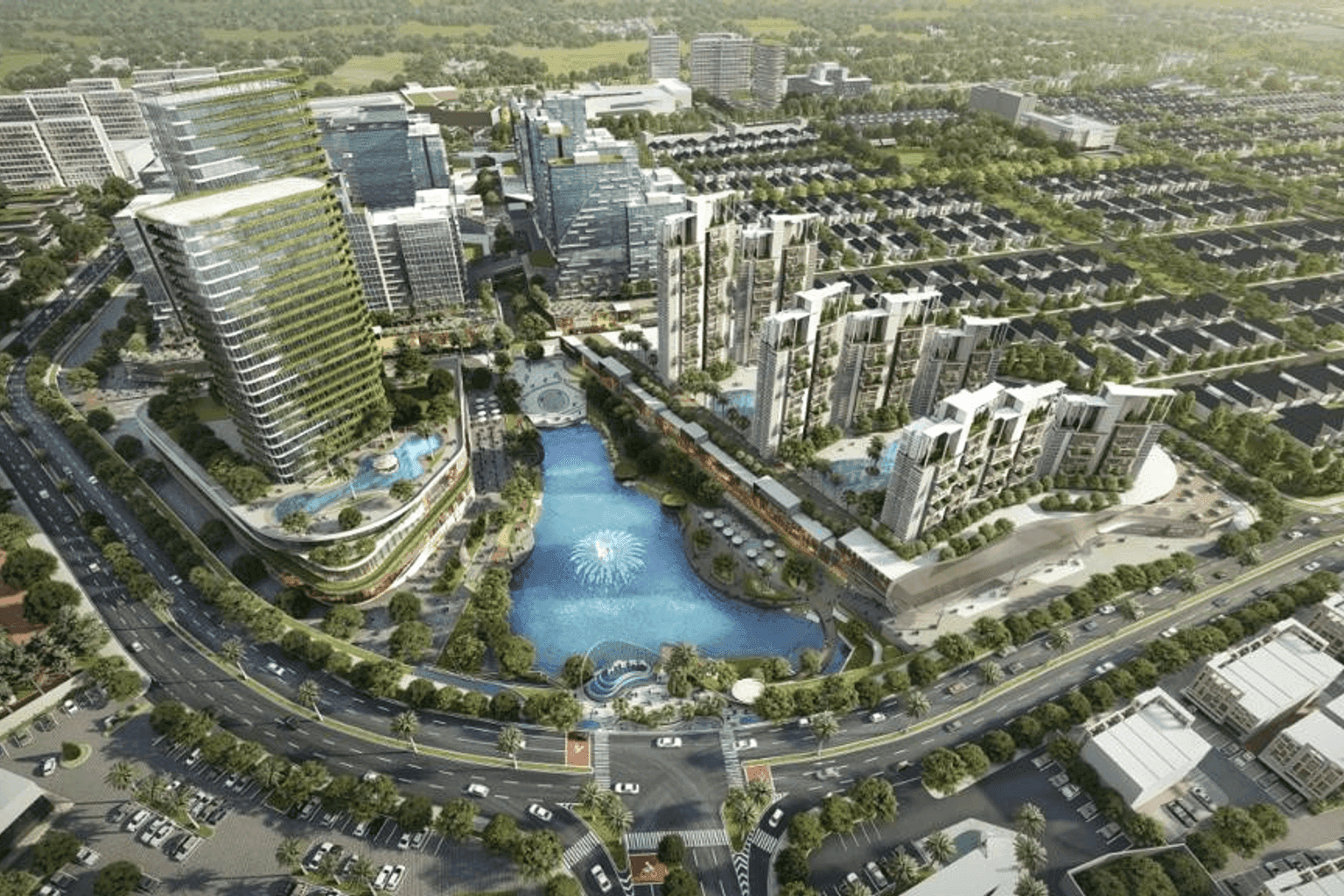
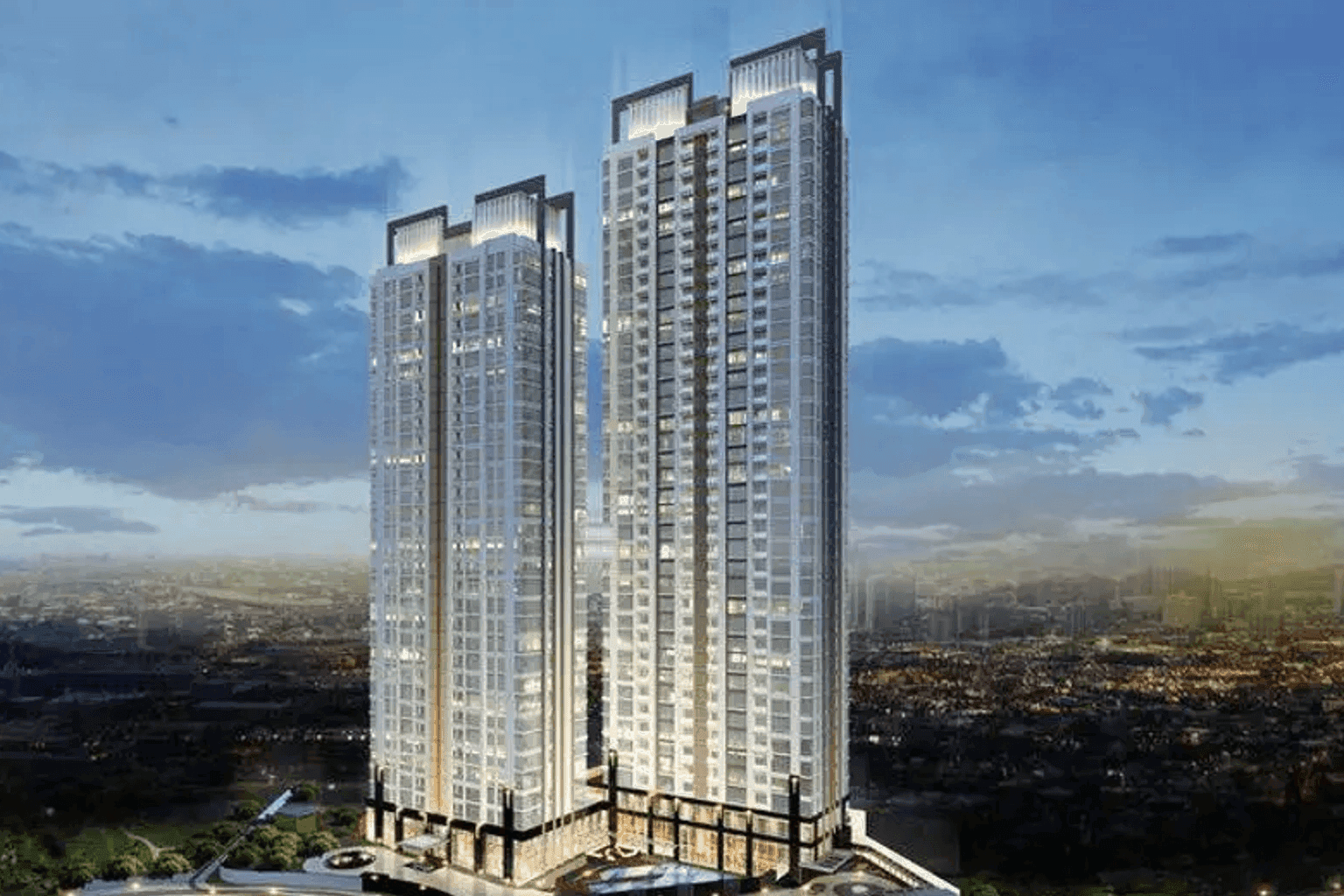
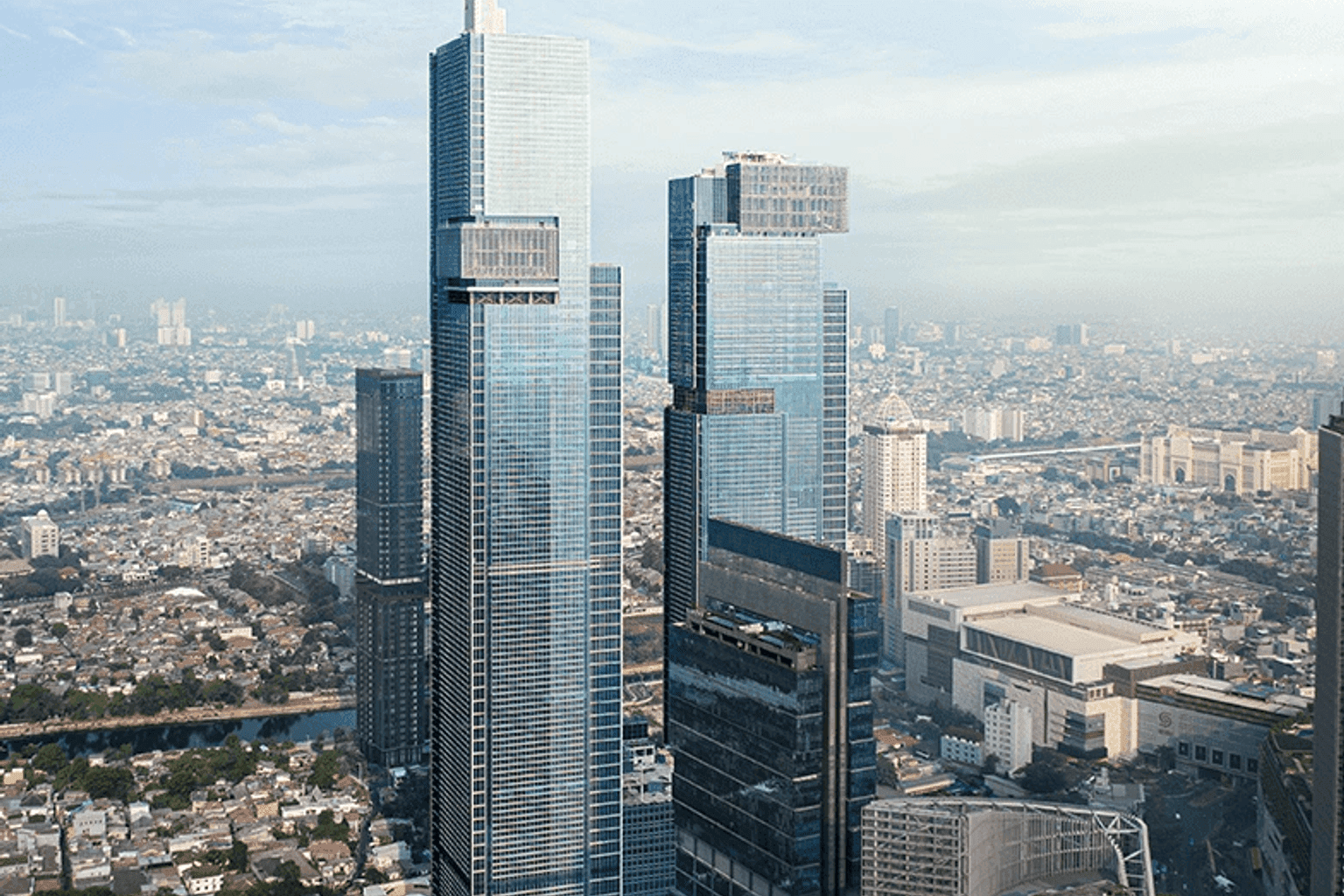
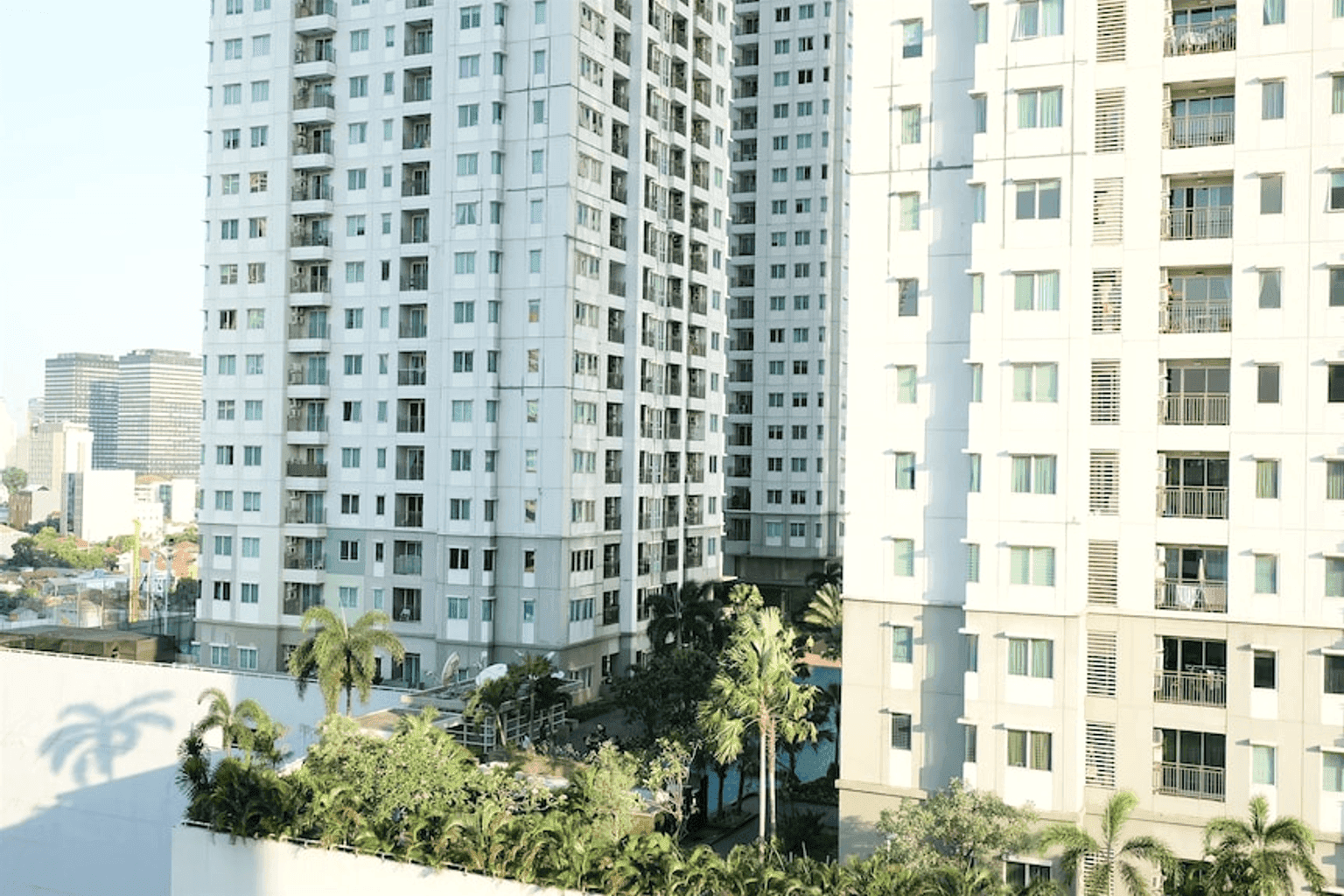
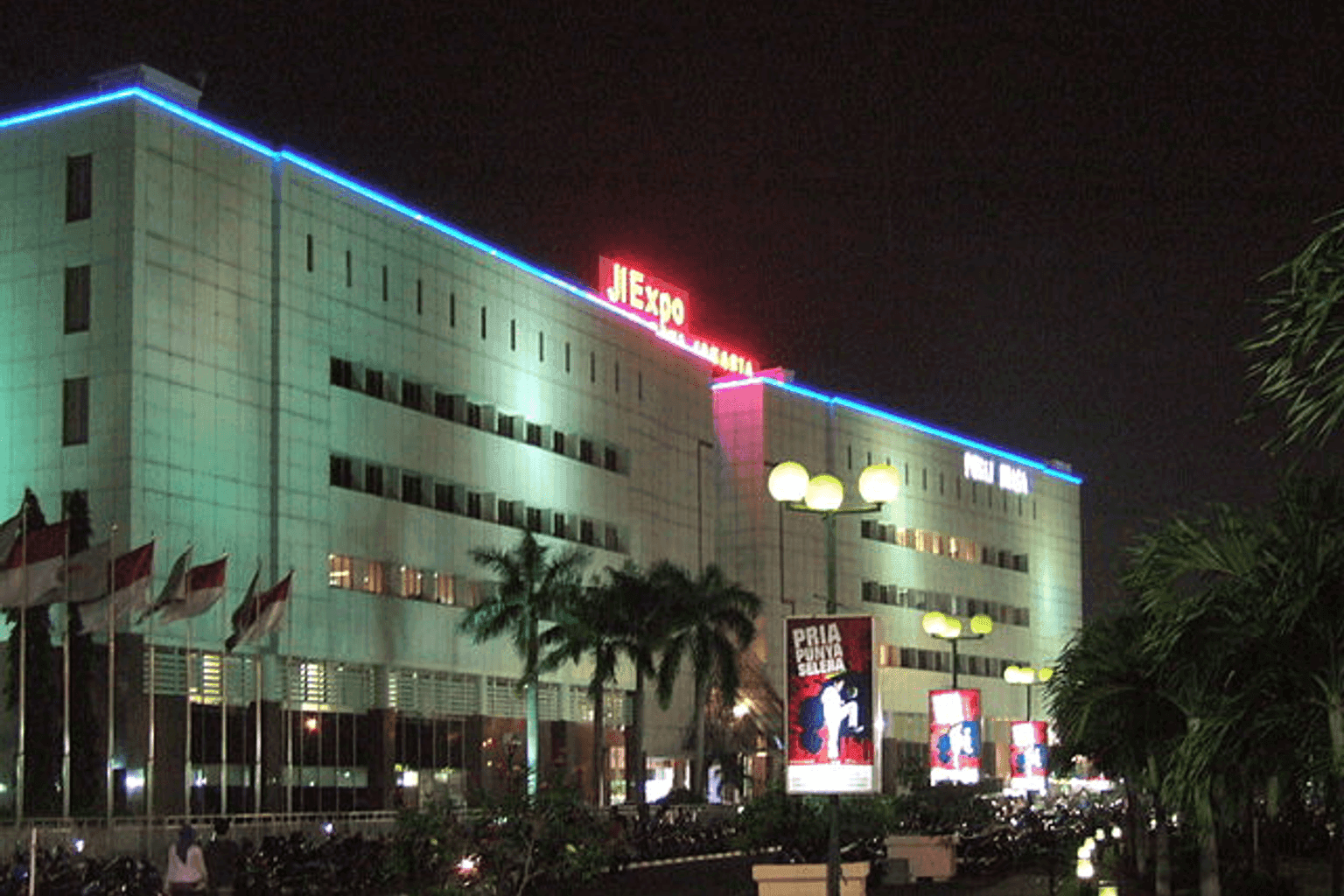
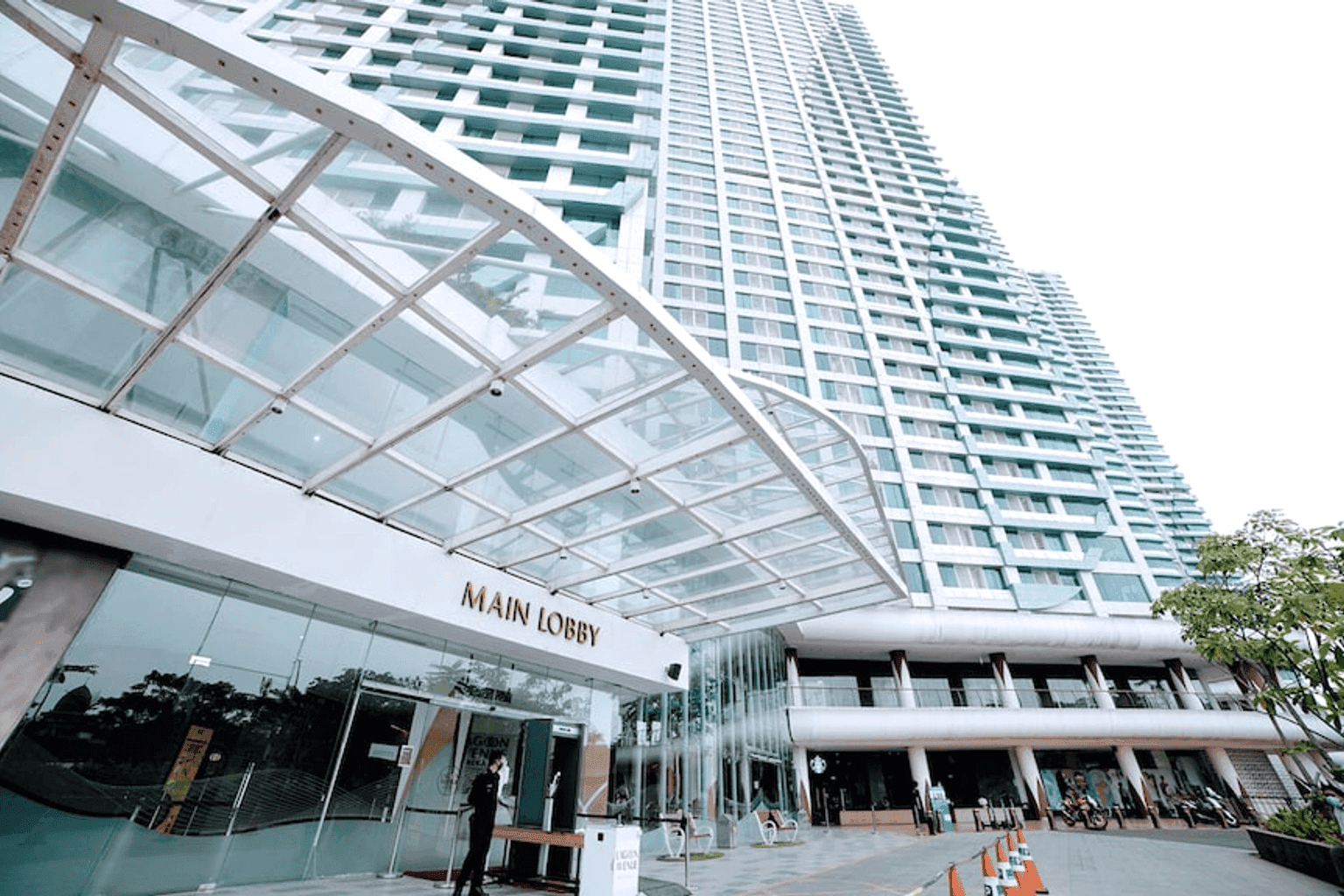
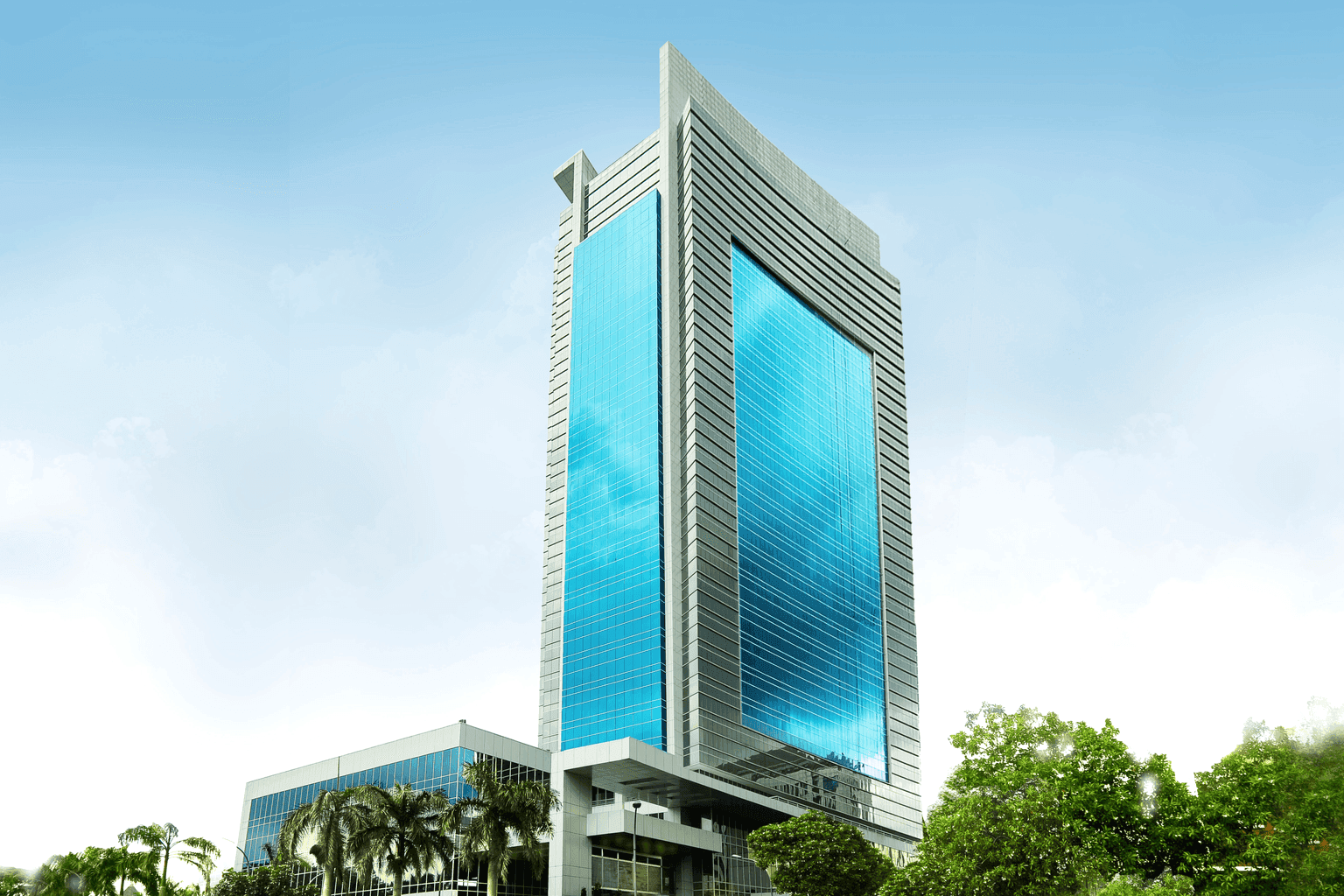
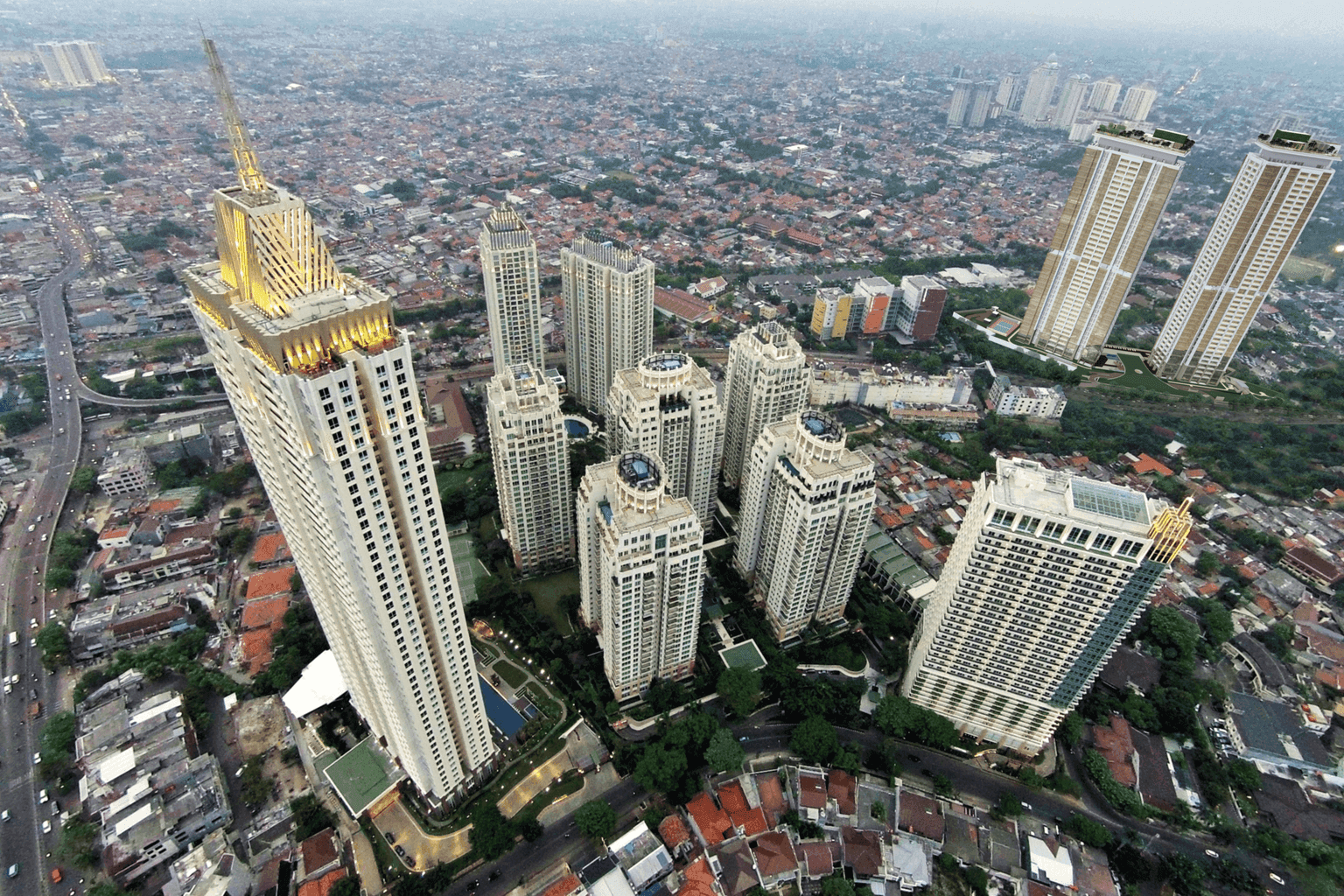
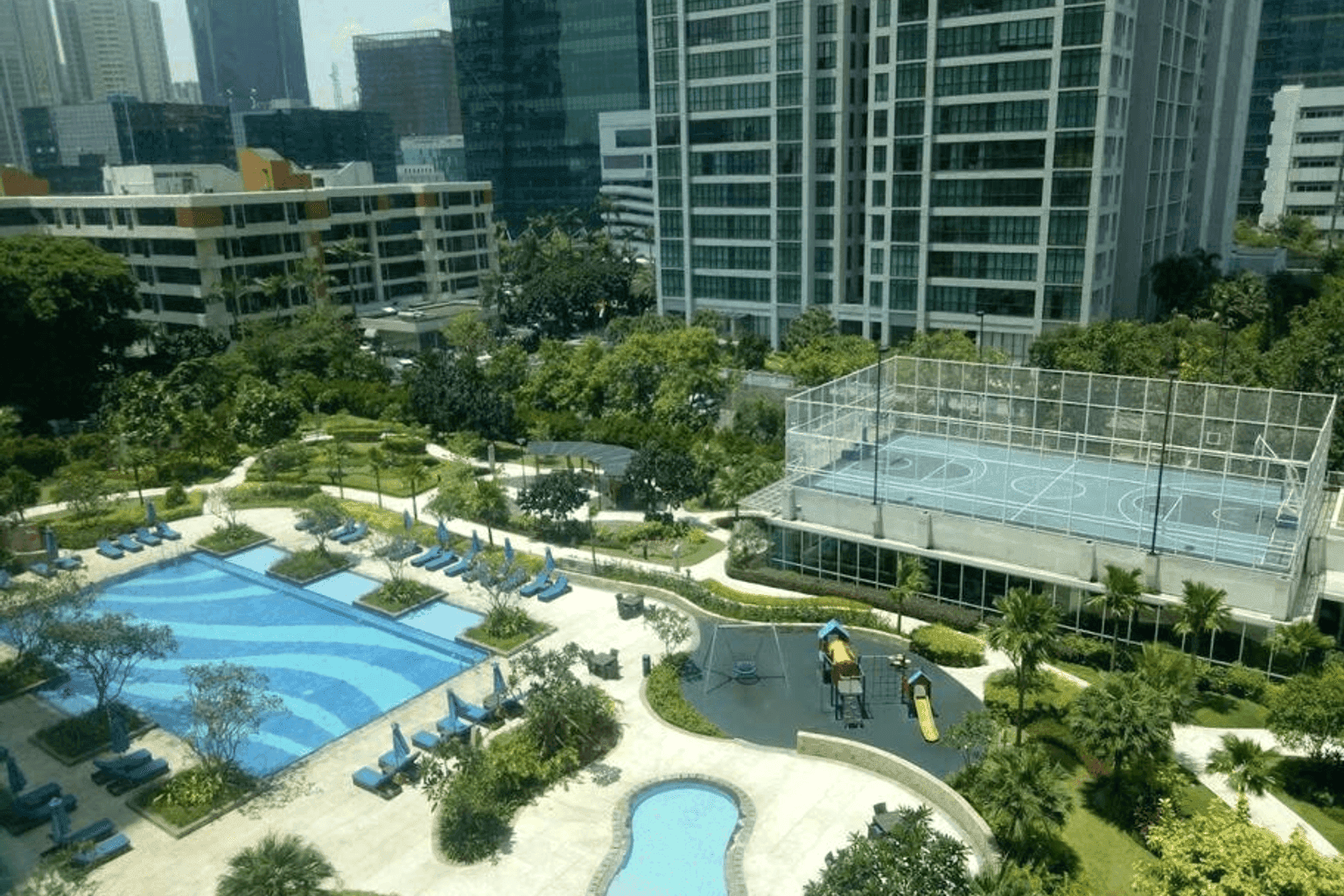
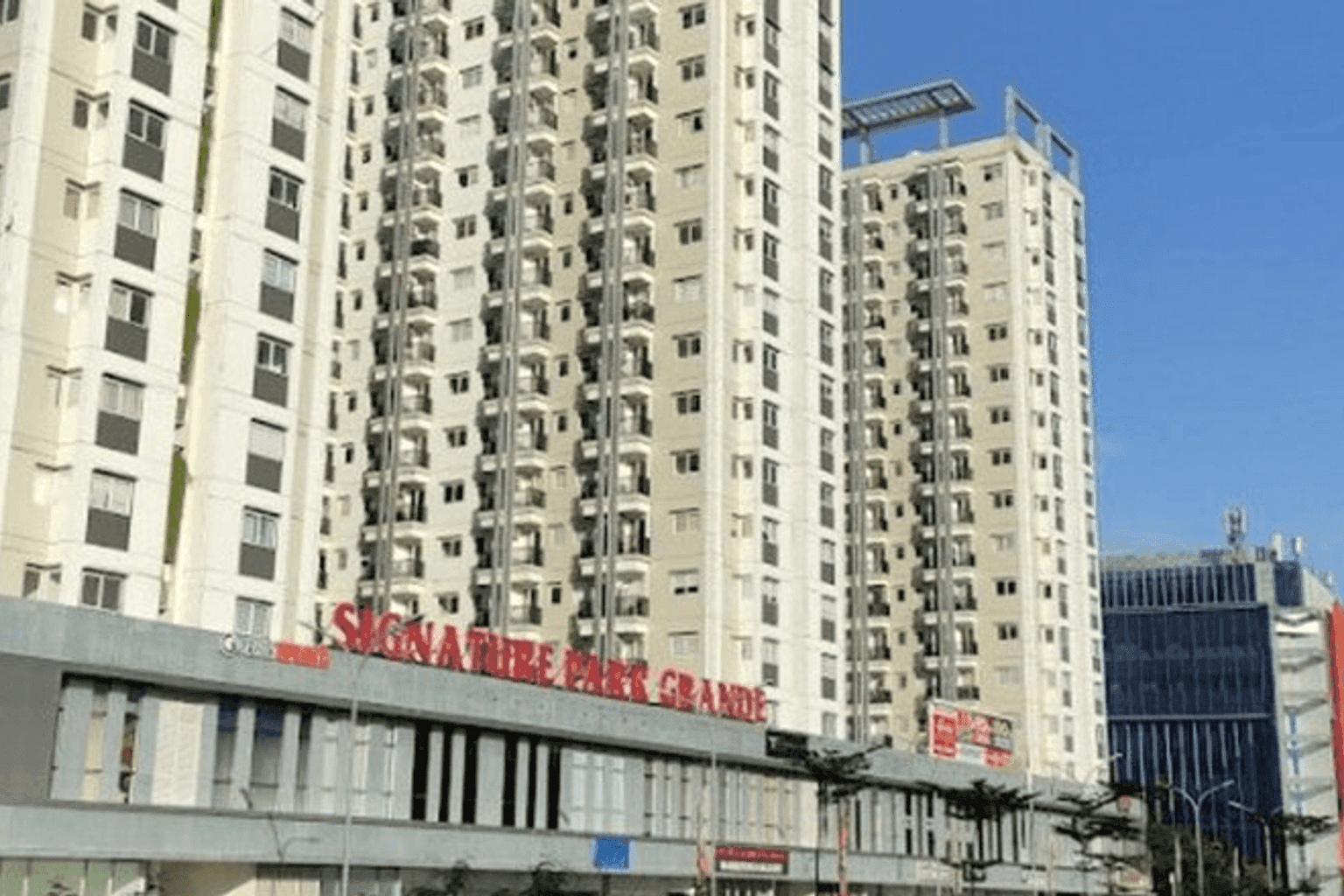
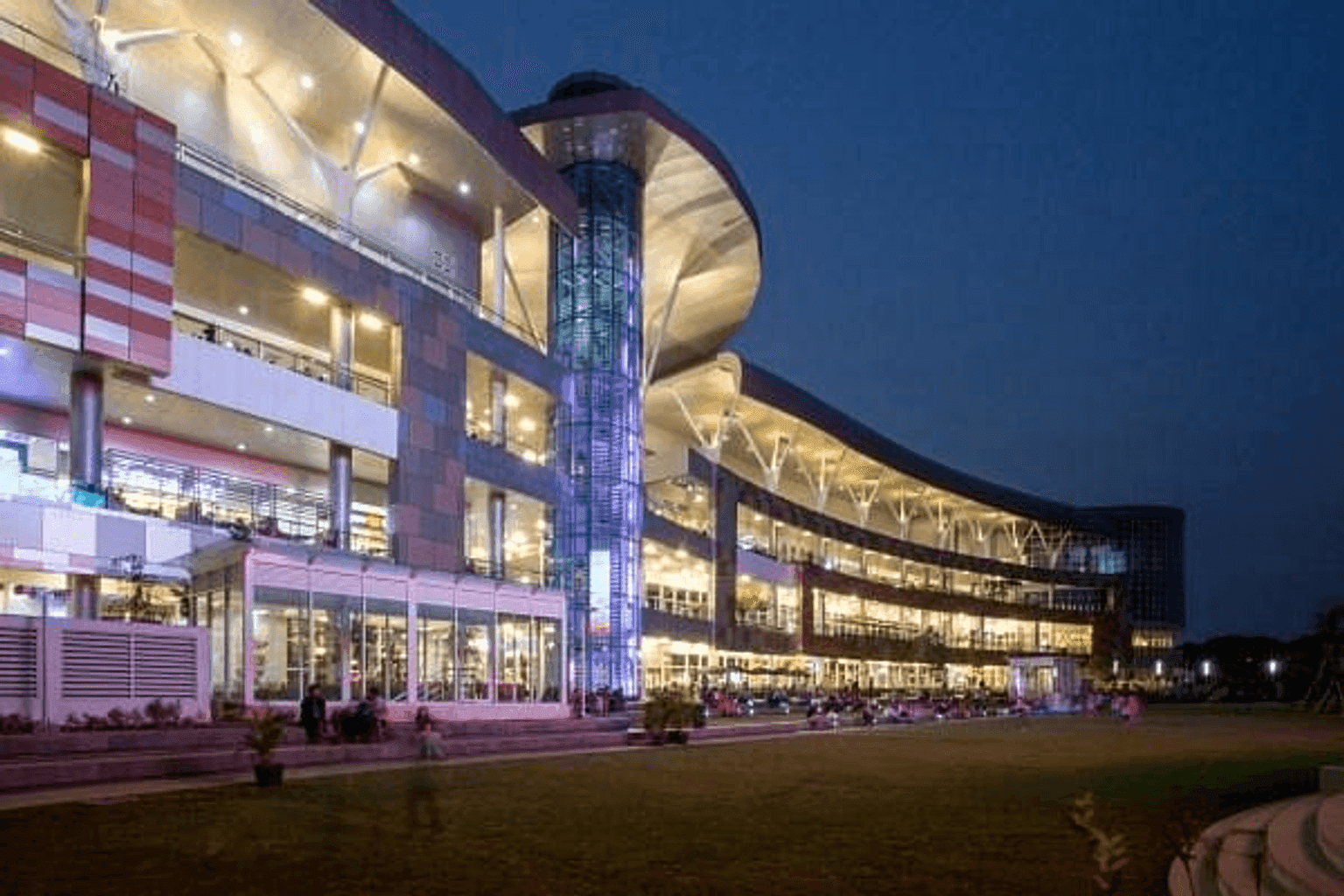
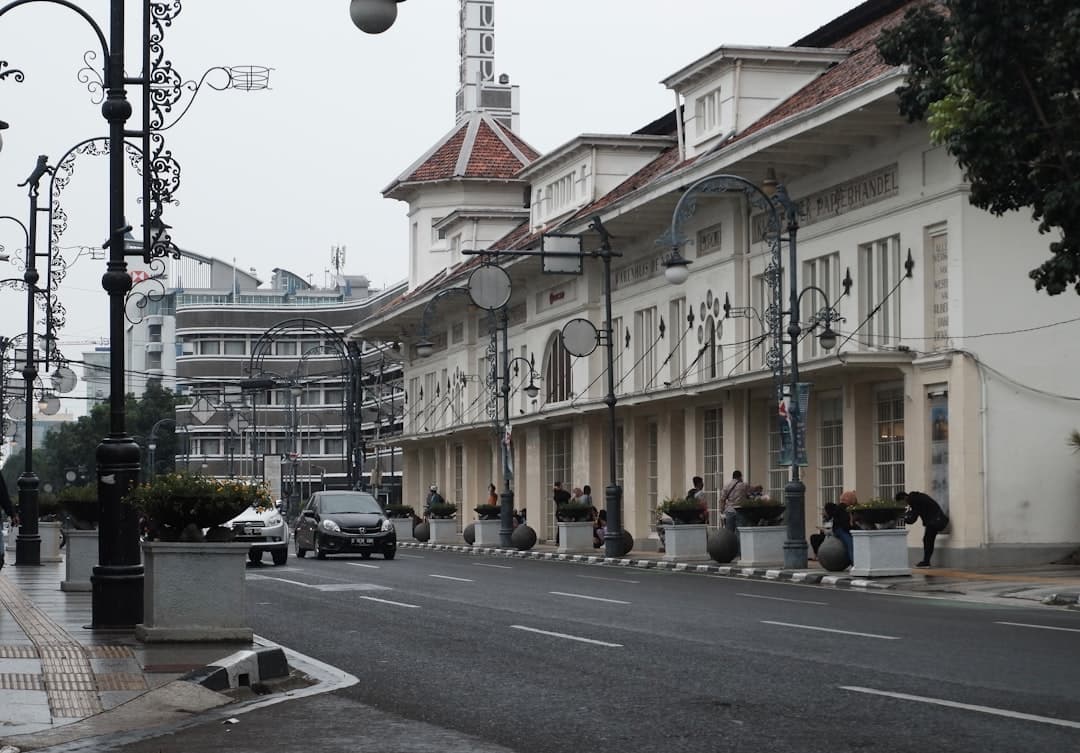
Jakarta, the bustling capital of Indonesia, is a vibrant coastal city known for its rich culture, dynamic business environment, and as a key economic hub in Southeast Asia. As a place to live and invest, Jakarta offers a unique blend of traditional charm and modern convenience, making it an attractive destination for both locals and expatriates.
Property Types
•Apartments
•Villas
•Houses
Lifestyle & Amenities
•Vibrant nightlife
•Rich cultural experiences
•International schools
•Advanced healthcare facilities
Investment Potential
Jakarta's real estate market is appealing due to its strong rental demand, driven by a growing expatriate community and robust tourism. The city's ongoing economic growth and infrastructure development further enhance its attractiveness as a prime property investment destination.
Frequently Asked Questions About Jakarta, Indonesia
Get answers to common questions about buying property in Jakarta.
What are the legal requirements for foreign property ownership in Jakarta?
In Jakarta, as in the rest of Indonesia, foreign nationals can own property through the Right to Use (Hak Pakai) title. This allows foreigners to lease land for up to 80 years (initially 30 years, with two extensions). However, foreign ownership through Hak Pakai is contingent on the foreigner's residency status and requires a KITAS (limited stay permit). It's critical to consult with local legal experts to navigate these regulations and ensure compliance with Indonesian laws.
How is the property market performing in Jakarta?
Jakarta's property market has shown resilience, with growing interest from international investors. Despite global economic challenges, the city continues to attract foreign investment due to its strategic economic role in Southeast Asia. In 2023, property prices have seen a moderate increase of approximately 3% year-on-year, driven by demand in key strategic areas such as the Central Business District (CBD) and South Jakarta. This trend reflects Jakarta's sustained economic growth and urban development.
What are the most promising areas for real estate investment in Jakarta?
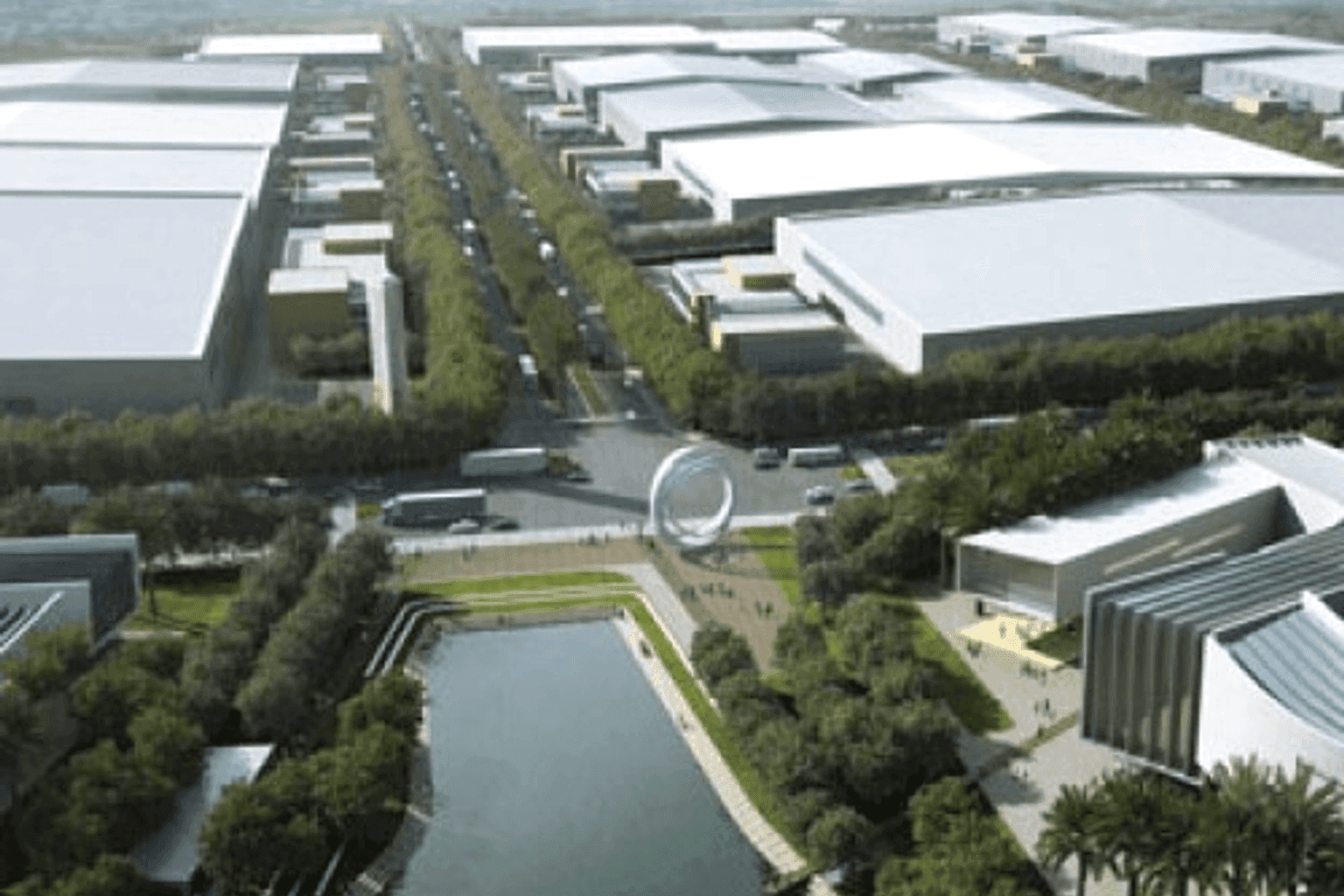
Strategic locations like the Central Business District (CBD), South Jakarta, and emerging suburbs such as BSD City offer promising investment opportunities. The CBD attracts commercial investment due to its concentration of multinational corporations, while South Jakarta is favored for upscale residential developments. BSD City is gaining traction for its comprehensive urban development plans, combining residential, commercial, and recreational spaces, making it a hotspot for modern living and investment.
What is the cost of living like in Jakarta for expatriates?
Jakarta offers a diverse range of living costs, largely dependent on lifestyle choices and location. Generally, expatriates can expect monthly living expenses to range from IDR 15 million to IDR 30 million (approximately USD 1,000 to USD 2,000), including rent, utilities, transportation, and dining. Areas like South Jakarta and the CBD may have higher costs due to premium housing and amenities. However, Jakarta's affordability compared to other major Asian cities makes it an attractive destination for expatriates.
How does Jakarta's infrastructure support real estate investments?
Jakarta's infrastructure development plays a pivotal role in its property market appeal. The city has seen significant improvements, including the expansion of the MRT and LRT systems, enhancing connectivity across major districts. Additionally, ongoing projects like the Jakarta-Bandung high-speed rail highlight the government's commitment to infrastructure enhancement, which positively impacts property values and investment potential by improving accessibility and reducing travel times.
What lifestyle amenities are available for residents in Jakarta?
Jakarta offers a plethora of lifestyle amenities catering to diverse preferences. The city is home to world-class shopping malls like Plaza Indonesia and Grand Indonesia, offering luxury brands and entertainment options. For leisure, residents have access to a vibrant culinary scene, with international and local cuisines, and cultural sites such as the National Monument and Taman Mini Indonesia Indah. Additionally, Jakarta's growing number of parks and recreational areas, such as GBK Sports Complex, provide ample opportunities for outdoor activities.
Are there any financial incentives for foreign investors in Jakarta's real estate market?
The Indonesian government has implemented various measures to attract foreign investment, including the relaxation of property ownership laws for foreigners and tax incentives for property development projects. While direct financial incentives specific to Jakarta are limited, the city's economic importance and development prospects make it an attractive investment destination. Investors are encouraged to engage with local tax advisors to understand any applicable tax breaks or incentives based on individual investment strategies.
What are the risks associated with investing in Jakarta's property market?
Investing in Jakarta's property market, like any investment, carries certain risks. Regulatory changes can impact foreign ownership rights, and potential investors should stay informed about any legal developments. Additionally, market volatility can affect property values, especially in emerging areas. It's crucial to conduct thorough due diligence, consult with local real estate experts, and consider long-term market trends to mitigate risks and make informed investment decisions.
How does the economic climate in Jakarta affect property investments?
Jakarta, as Indonesia's economic hub, is influenced by both domestic and global economic trends. The city's property market is buoyed by Indonesia's steady GDP growth, which stood at around 5% in recent years. This economic stability attracts foreign investors seeking opportunities in a growing market. However, factors such as inflation, interest rates, and political stability can influence the market. Keeping abreast of Jakarta's economic indicators is essential for investors aiming to capitalize on property market dynamics.