
Egypt Property Financing & Mortgages for Buying Real Estate
How to Get a Mortgage in Egypt as a Foreigner
Egypt offers a growing landscape for property financing, making it an exciting opportunity for foreign buyers. With mortgage options available through local ban
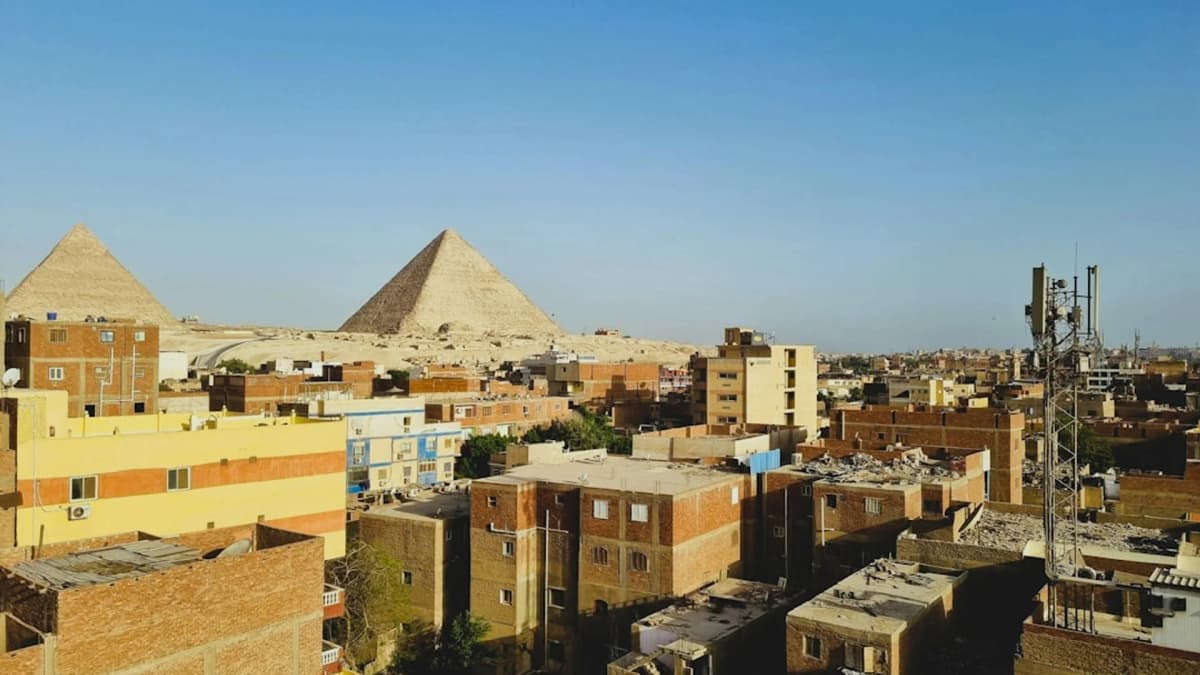
Egypt Mortgage Market Overview
Financing options in Egypt offer a range of opportunities for both local and international investors. With average loan-to-value ratios of 65-70% and competitive interest rates ranging from 3.5-5.2%, the market is accessible for those looking to invest in residential, commercial, or vacation properties. Processing times typically range from 4-6 weeks, with an approval rate of around 75%. Major banks such as the National Bank of Egypt and HSBC Egypt provide tailored mortgage products to suit diverse investor needs, including fixed, variable, and interest-only mortgages. Investors should be aware of the specific requirements for foreign buyers, including minimum deposit percentages and arrangement fees, to ensure a smooth transaction process.
Non-Resident Deposit Requirements
Foreign buyers in Egypt typically need a larger deposit compared to residents. Most banks require 25-40% down payment for non-resident mortgages. Plan your financing accordingly.
Why Invest in Egypt?
- Reason 1: Strong economic growth driven by government reforms.
- Reason 2: Favorable tax environment with incentives for foreign investors.
- Reason 3: Strategic location as a gateway between Africa, Europe, and Asia.
- Reason 4: Growing tourism sector boosting demand for vacation rentals.
- Reason 5: Expanding infrastructure projects enhancing property values.
Financing Trends: Mortgage Rates, Inflation & GDP Growth
Loading trends...
Historical view of mortgage interest rates, inflation trends, and economic growth indicators.
Affordability Metrics: Price-to-Income & Rental Yields
Loading affordability data...
Track property affordability through price-to-income ratios and rental yield percentages over time.
Loading comparison...
Current Financial Indicators (2024)
Inflation Rate
26.2%
Interest Rate
27.25%
• Strong rental yields averaging 6.4% make Egypt attractive for buy-to-let investors.
• Higher price-to-income ratio (16.2) reflects premium market positioning and strong demand.
Popular Lenders in Egypt
National Bank of Egypt
Residential properties, foreign investors
Contact: contact@nbe.com
Commercial International Bank
Luxury properties, commercial real estate
Contact: info@cib.com
Banque Misr
Vacation homes, mixed-use developments
Contact: service@banquemisr.com
HSBC Egypt
International buyers, high-net-worth individuals
Contact: support@hsbc.com.eg
Arab African International Bank
Commercial investments, foreign nationals
Contact: contact@aaib.com
Investment Tips for Egypt
Tip 1: Focus on areas with high tourist traffic for vacation rentals.
Tip 2: Consider properties near new infrastructure projects.
Tip 3: Diversify investments across different cities.
Tip 4: Research local property laws and regulations.
Tip 5: Work with a local real estate agent for insights.
Tip 6: Evaluate the long-term growth potential of the area.
Tip 7: Consider the impact of currency fluctuations.
Tip 8: Understand the local rental market dynamics.
Tip 9: Check the developer's track record for new builds.
Tip 10: Be aware of the political and economic climate.
Property Prices by City in Egypt
| City | Price/m² | Rental Yield | Price Growth | Popular Areas |
|---|---|---|---|---|
| Cairo | €2,500 | 5.0% | +6.0% YoY | Zamalek, Maadi, New Cairo |
| Alexandria | €1,800 | 5.5% | +4.5% YoY | Stanley, Gleem, Roushdy |
| Sharm El Sheikh | €1,200 | 6.2% | +5.0% YoY | Naama Bay, Sharks Bay, Hadaba |
| Hurghada | €1,000 | 6.8% | +5.5% YoY | El Gouna, Sahl Hasheesh, Makadi Bay |
| Luxor | €900 | 7.0% | +4.0% YoY | Karnak, West Bank, New Luxor |
How to Get a Mortgage in Egypt
Local banks in Egypt are increasingly open to working with foreign buyers, offering a range of mortgage products. Typically, these institutions require a minimum down payment of 30% to 50%. Interest rates can range from 7% to 12%, depending on the buyer’s profile and the bank's policies. Loan terms usually extend up to 15 years. Essential documentation includes a valid passport, proof of income, bank statements from the past six months, and a credit report. Additionally, banks may require a property valuation report and a letter of intent for purchase. These requirements aim to ensure the buyer's ability to meet mortgage obligations.
Advantages
- ✓Competitive interest rates compared to other international markets
- ✓Potential tax benefits for real estate investments
- ✓Flexible developer financing options
- ✓Possibility of capital appreciation in a growing market
- ✓Diverse range of properties catering to different budgets and preferences
Considerations
- ✗Lower loan-to-value ratios compared to domestic buyers
- ✗Currency risk due to potential fluctuations in the Egyptian Pound
- ✗Complex documentation process requiring thorough preparation
- ✗Limited mortgage products available specifically for foreign investors
Egypt Mortgage Requirements for Foreigners
- 1Valid passport
- 2Proof of income (e.g., salary slips, tax returns)
- 3Six months of bank statements
- 4Credit report from home country
- 5Property valuation report
- 6Letter of intent for purchase
- 7Proof of residency (if applicable)
Pro Tip for Foreign Buyers
Start gathering your documentation 2-3 months before applying. Non-resident mortgage applications typically require notarized translations and apostille stamps for foreign documents, which can take several weeks to process.
Calculate Your Mortgage
Use our interactive mortgage calculator to estimate your monthly payments for a property in Egypt.
Mortgage Calculator
Mortgage Summary
Financing Tip
Your down payment of 20% or more typically qualifies you for the best available rates.
Common Pitfalls to Avoid in Egypt
- ⚠Pitfall 1: Avoid over-leveraging your investments.
- ⚠Pitfall 2: Watch out for hidden fees in mortgage agreements.
- ⚠Pitfall 3: Don't ignore local market trends and data.
- ⚠Pitfall 4: Be cautious of properties with unclear ownership titles.
- ⚠Pitfall 5: Avoid properties with high maintenance costs.
- ⚠Pitfall 6: Don't underestimate the importance of location.
- ⚠Pitfall 7: Be wary of unrealistic rental income projections.
- ⚠Pitfall 8: Avoid investing without a clear exit strategy.
- ⚠Pitfall 9: Don't neglect due diligence on property condition.
- ⚠Pitfall 10: Avoid relying solely on online information.
Developer Financing in Egypt
Property developers in Egypt often provide flexible payment plans to ease the financial burden on buyers. These plans typically involve an initial reservation fee, followed by a down payment that can range from 10% to 30% of the property value. Subsequent payments are structured as staged installments over the construction period, which can be aligned with the project’s milestones. This method allows buyers to manage cash flow effectively while securing their desired property. Such financing options provide a viable alternative to traditional mortgages, especially for those who may face challenges with bank financing.
Due Diligence Required
Always verify the developer's credentials, track record, and financial stability before committing. Request to see building permits, completion guarantees, and consider using escrow accounts for staged payments.
Typical Payment Structure
Advantages
- ✓Competitive interest rates compared to other international markets
- ✓Potential tax benefits for real estate investments
- ✓Flexible developer financing options
- ✓Possibility of capital appreciation in a growing market
- ✓Diverse range of properties catering to different budgets and preferences
Considerations
- ✗Lower loan-to-value ratios compared to domestic buyers
- ✗Currency risk due to potential fluctuations in the Egyptian Pound
- ✗Complex documentation process requiring thorough preparation
- ✗Limited mortgage products available specifically for foreign investors