
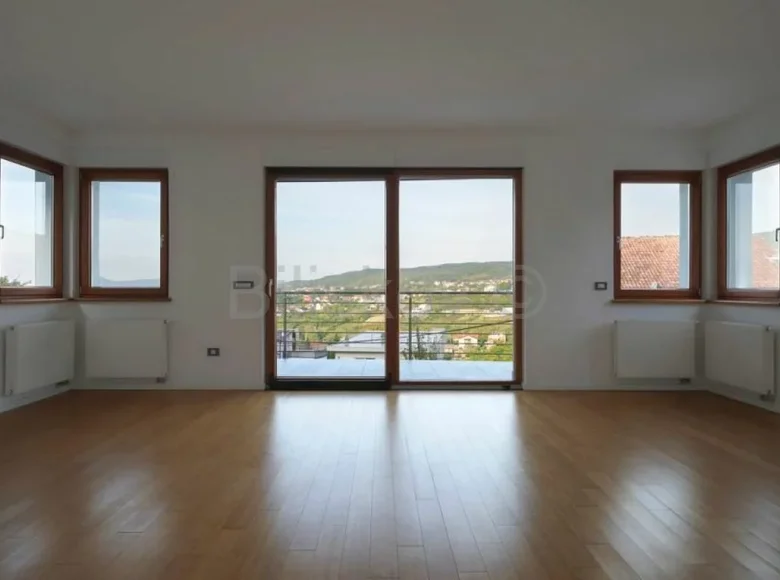
 Villa
€604,000
city-of-zagreb
5 bd 2 ba

1,138 homes and apartments for sale in Zagreb, Croatia.
24 properties shown
Villa€604,000
city-of-zagreb
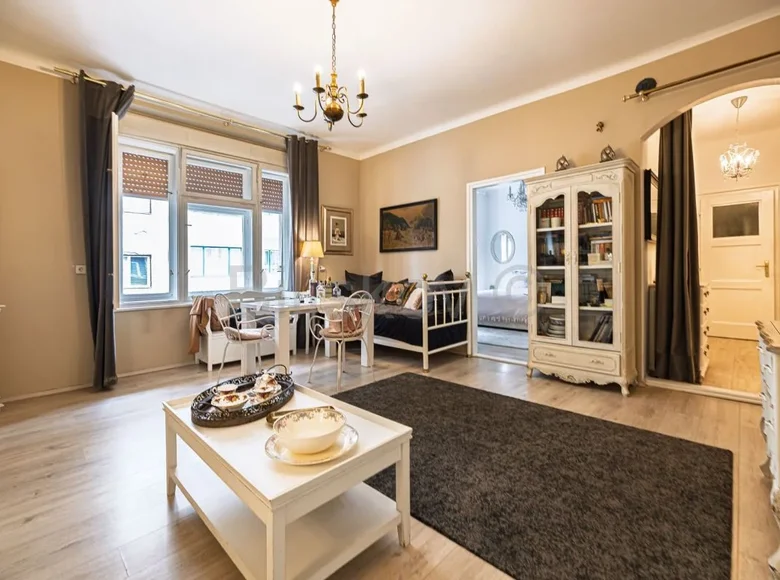 Apartment
€360,000
city-of-zagreb
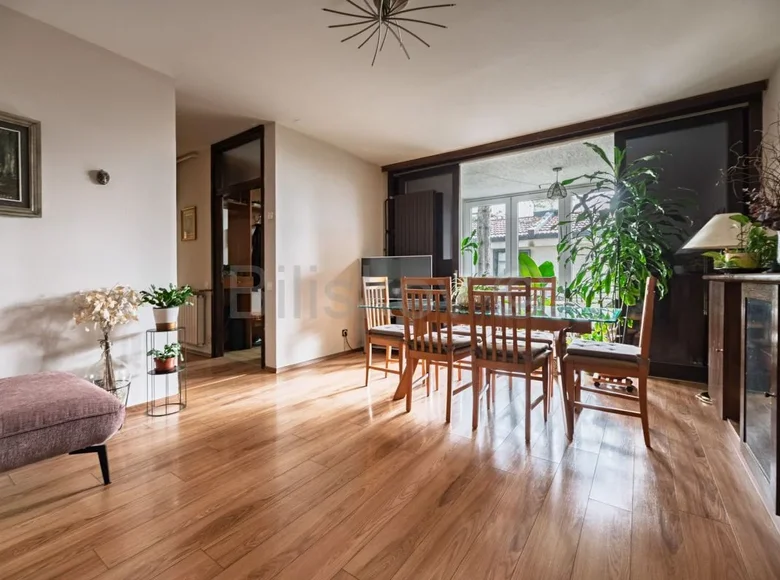 Apartment
€300,000
city-of-zagreb
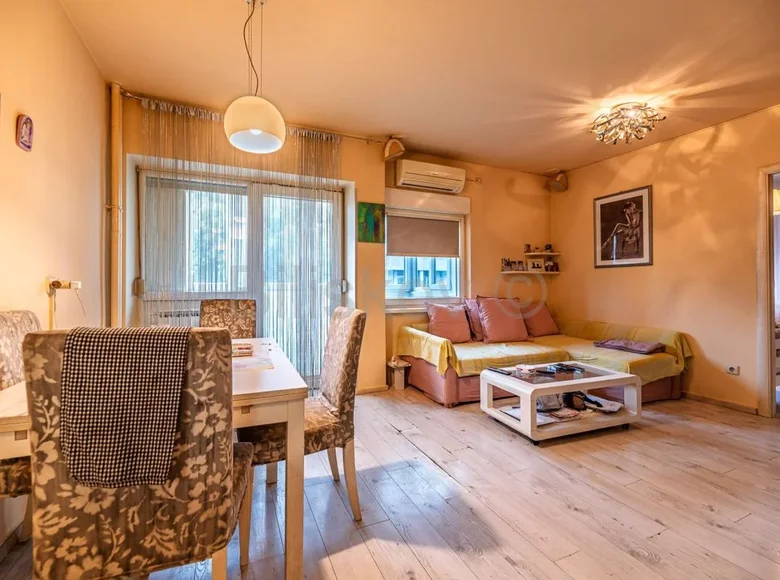 Apartment
€220,000
city-of-zagreb
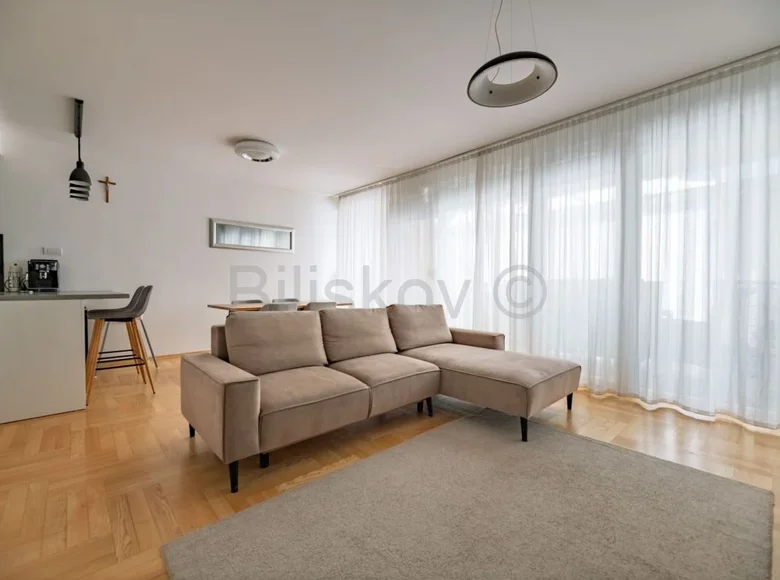 Apartment
€330,000
city-of-zagreb
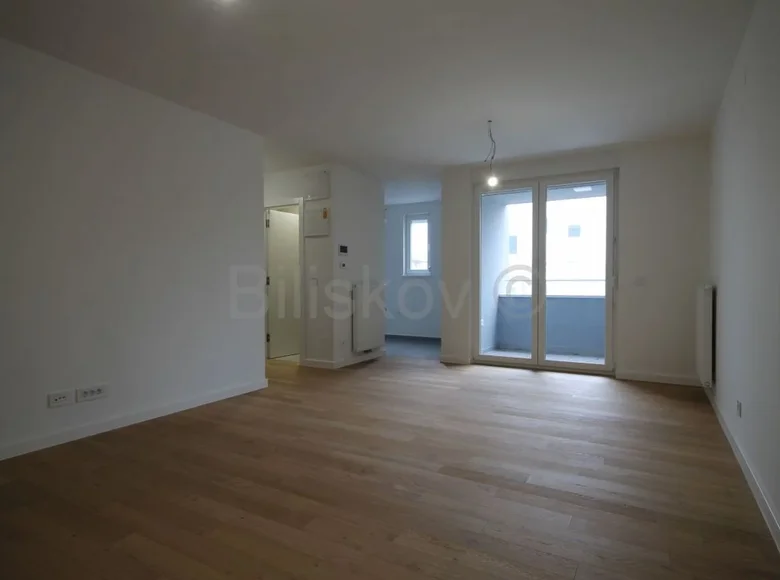 Apartment
€230,000
city-of-zagreb
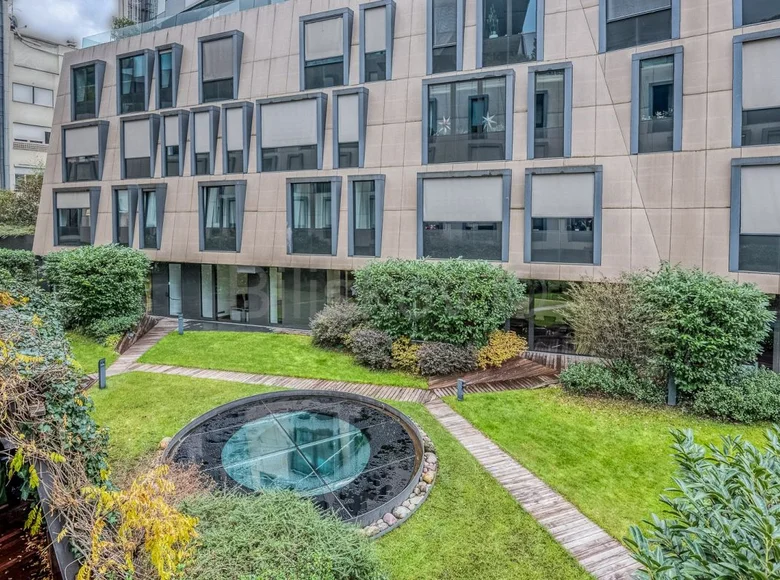 Apartment
€2,100,000
city-of-zagreb
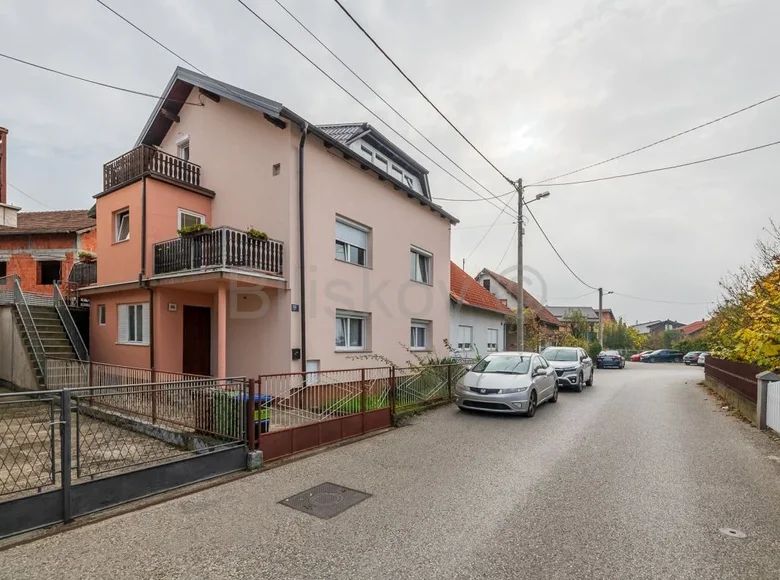 House
€349,000
city-of-zagreb
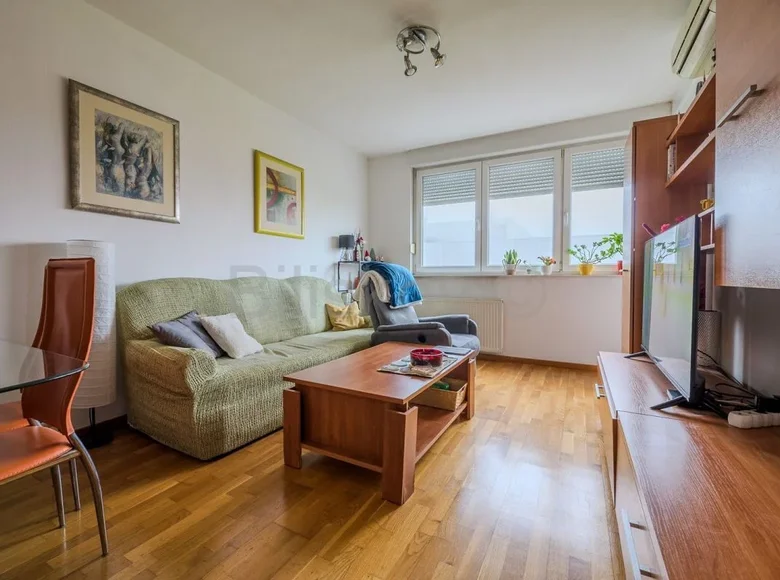 Apartment
€220,000
city-of-zagreb
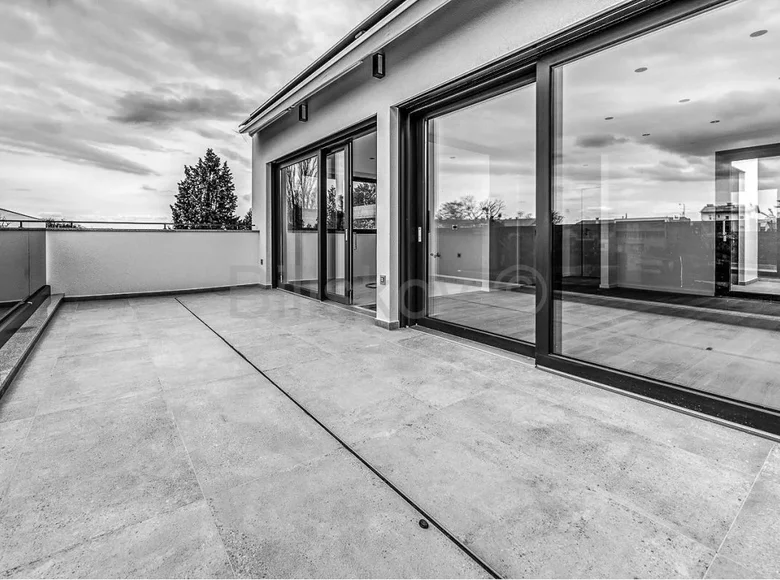 Apartment
€697,840
city-of-zagreb
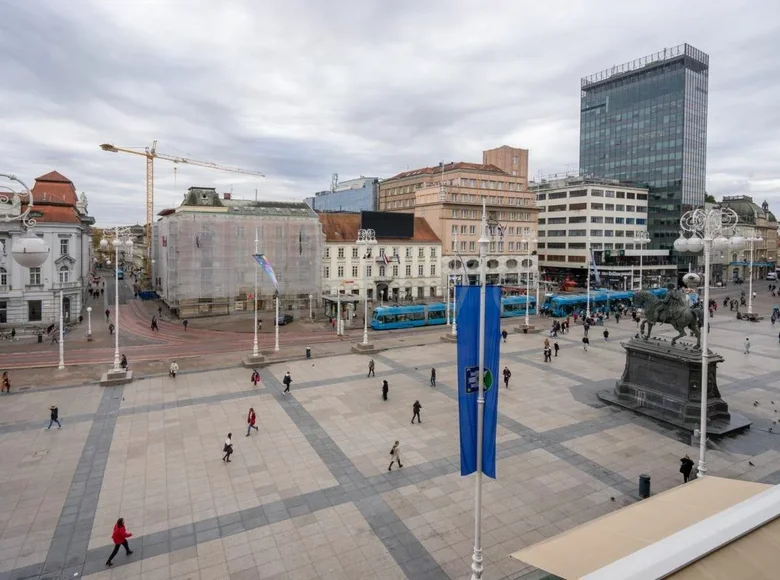 Apartment
€750,000
city-of-zagreb
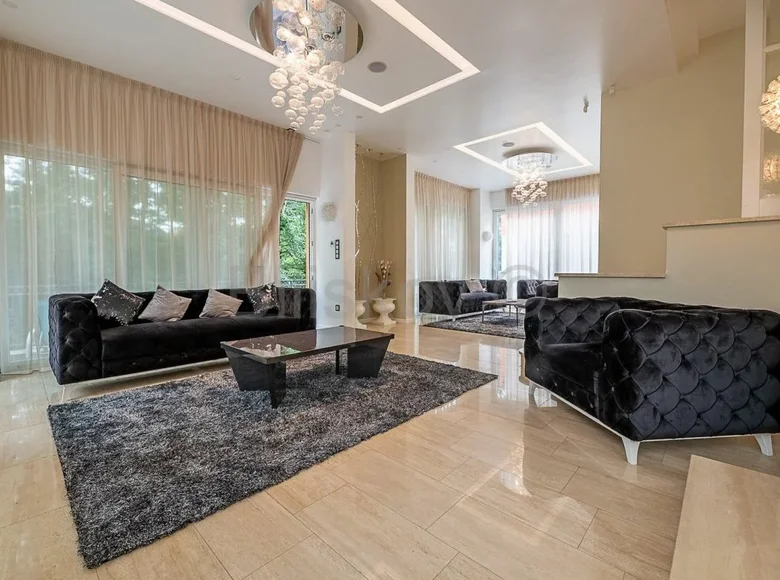 Villa
€1,200,000
city-of-zagreb
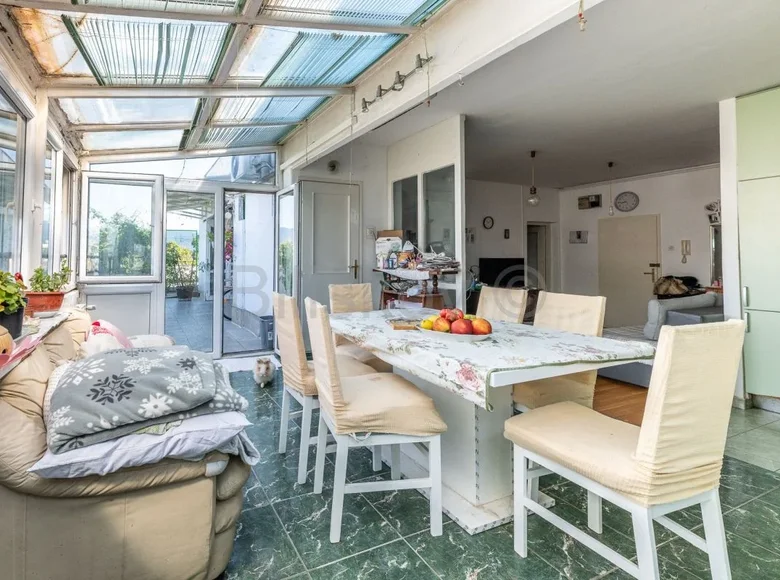 Apartment
€165,000
city-of-zagreb
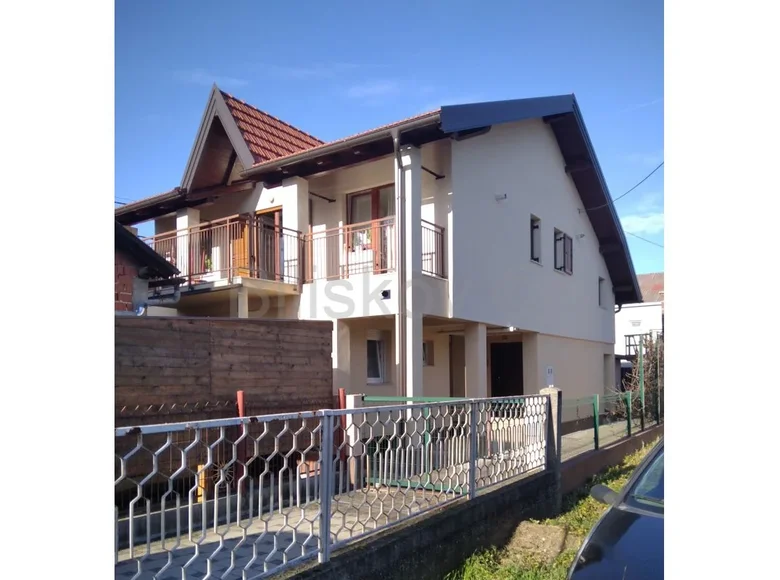 House
€499,000
city-of-zagreb
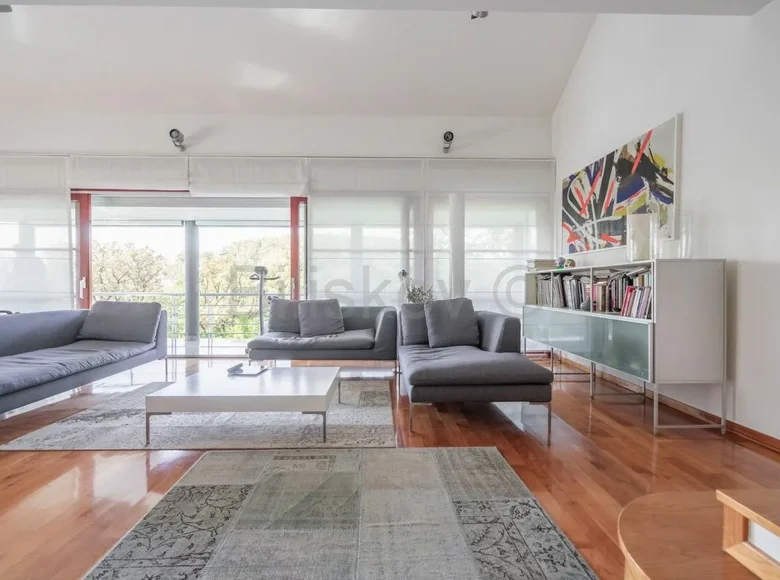 Villa
€2,500,000
city-of-zagreb
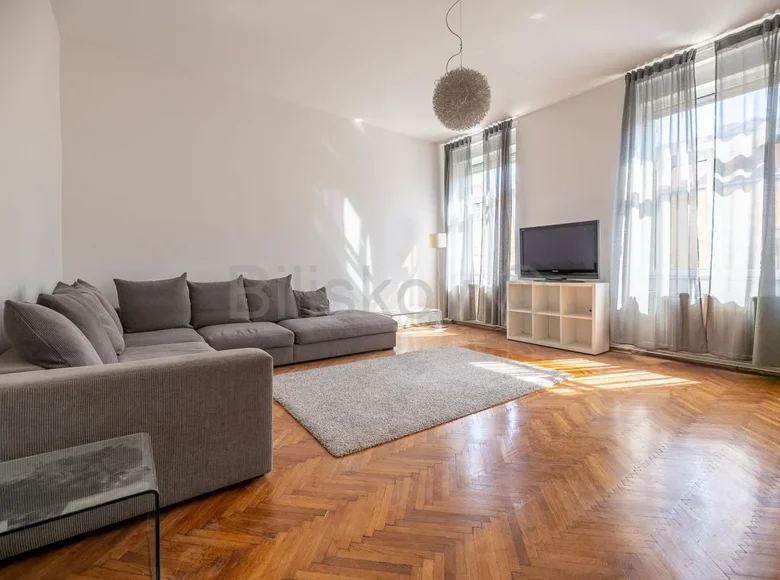 Apartment
€385,000
city-of-zagreb
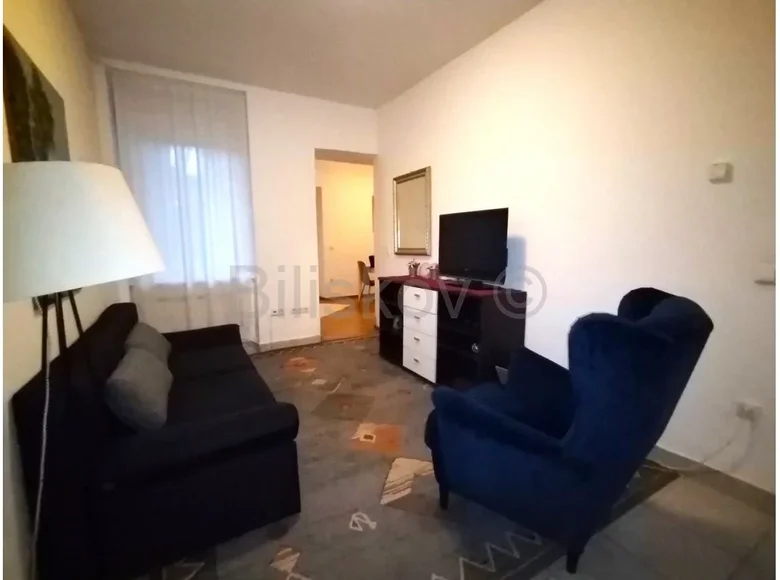 Apartment
€200,000
city-of-zagreb
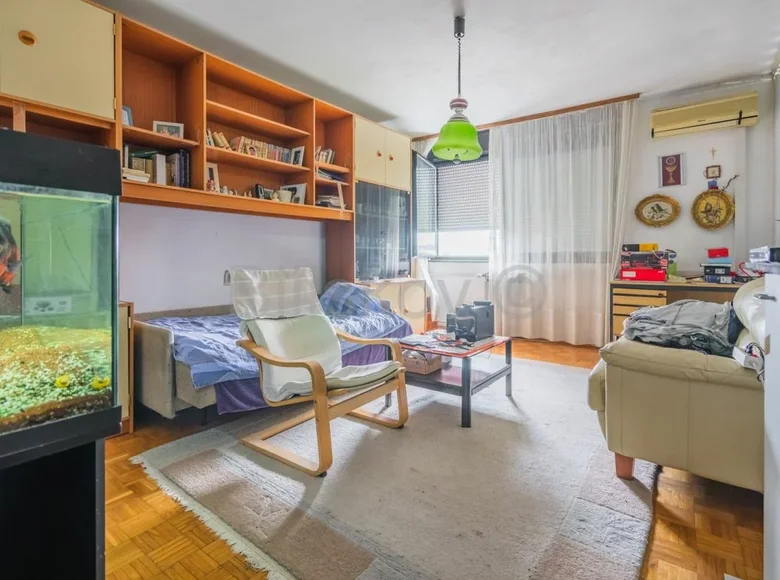 Apartment
€250,000
city-of-zagreb
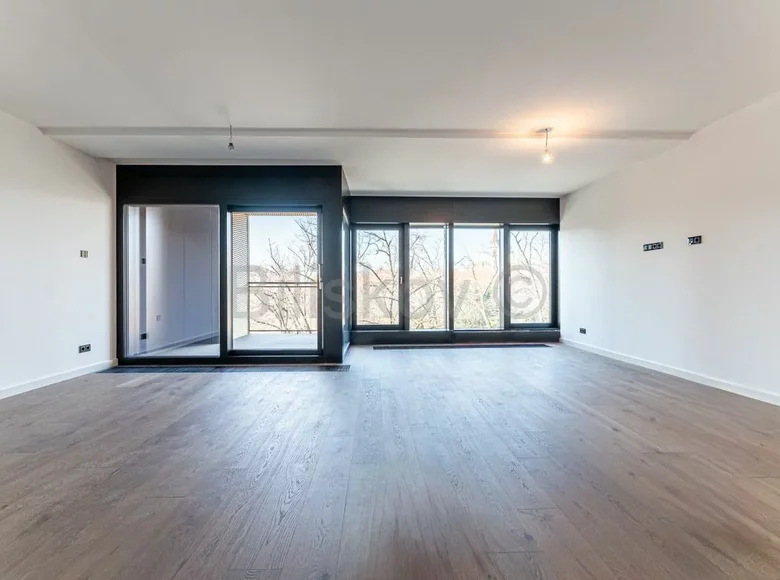 Apartment
€1,050,000
city-of-zagreb
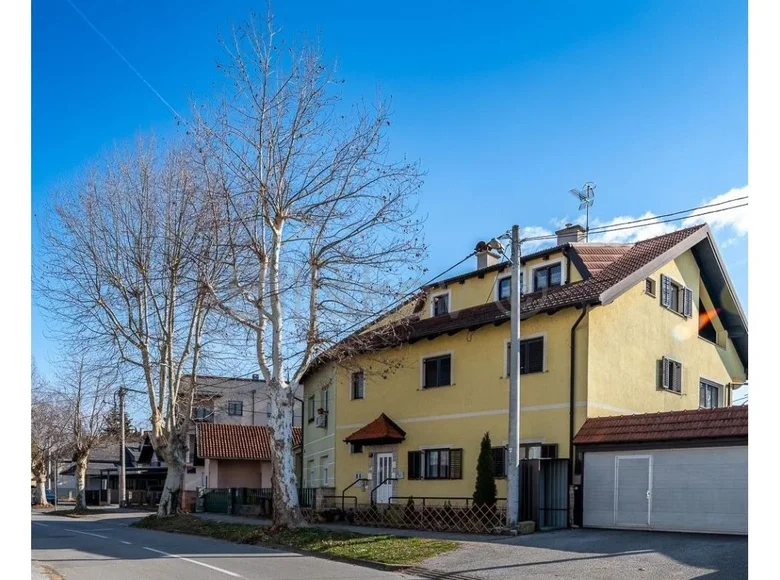 House
€890,000
city-of-zagreb
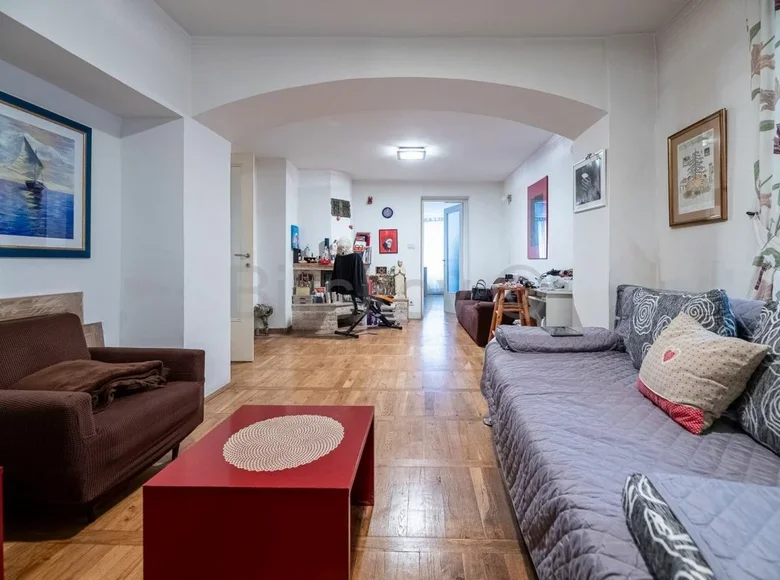 Apartment
€250,000
city-of-zagreb
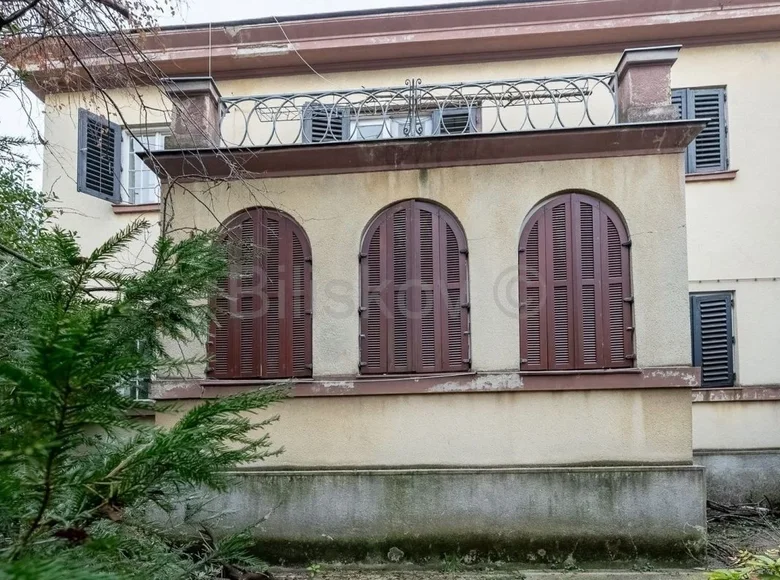 House
€1,800,000
city-of-zagreb
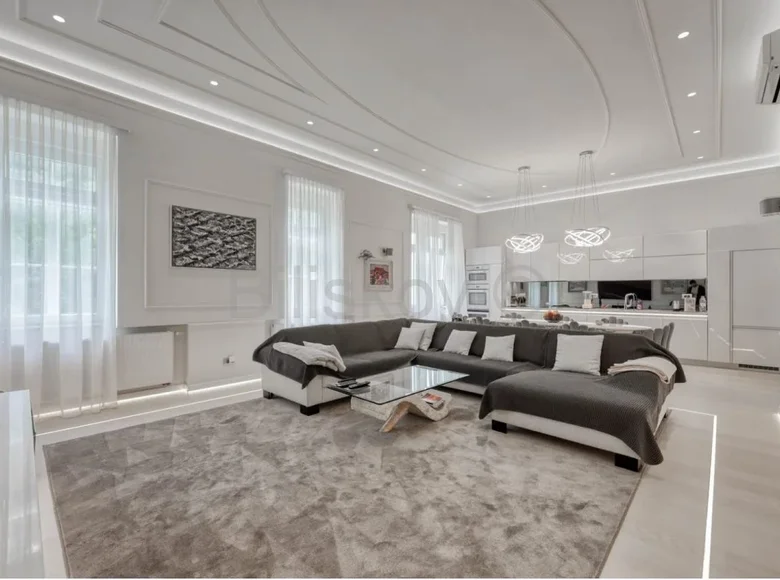 Apartment
€800,000
city-of-zagreb
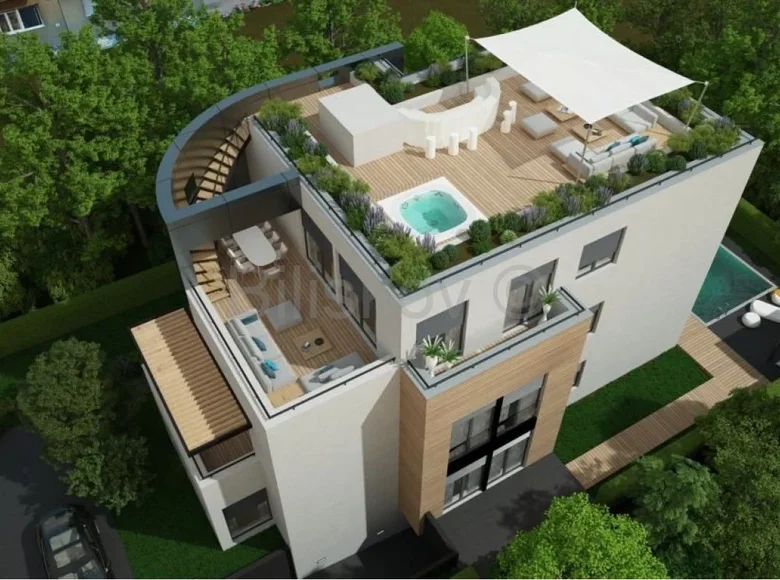 Villa
€790,000
city-of-zagreb
Buyer's guide: Zagreb
Property for sale in Zagreb is overwhelmingly apartments: of 1,130 current listings on RealEstateAbroad, 841 are flats, and the median asking price is €344,726 for a median size of 90 m². As Croatia's capital and economic centre, Zagreb gets fewer foreign second-home buyers than the Adriatic coast, but it offers city living at prices below most EU capitals.
These prices are asking prices from current listings, converted to euros. The middle half sit between €244,704 and €599,012, around a median of €344,726. At €4,254 per square metre Zagreb is considerably costlier per metre than Croatian inland towns, and reflects a compact market where new developments carry premium price tags.
| Item | Zagreb |
|---|---|
| Listings | 1,130 |
| Median asking price | €344,726 |
| Interquartile range | €244,704 to €599,012 |
| Median price per m² | €4,254 |
| Median size | 90 m² |
Apartments dominate (841 listings), followed by houses (122), land (86), commercial property (65) and villas (16). Three-bedroom homes are the biggest group (255), then two-bedroom (207), four-bedroom (179), five-plus (148) and one-bedroom (110).
Compare the Croatia-wide pages for apartments, houses, land, commercial property and villas. If you want to spend less, open cheaper Croatian listings.
Zagreb's historic core is divided between the Upper Town (Gornji Grad and Kaptol), with medieval streets and parliament, and the Lower Town (Donji Grad), which has Austro-Hungarian blocks, cafés and the main squares. Trešnjevka is a lively residential district with markets, Maksimir lies around the park and zoo, Jarun has a lake for recreation, and Novi Zagreb has large post-war and newer developments south of the Sava river. Sesvete to the east is cheaper and suburban.
Trams and buses cover the city, Zagreb airport connects to most European capitals, and trains reach the coast in several hours. Croatia adopted the euro and joined Schengen in 2023, which simplified transactions and travel. The earthquake of March 2020 damaged many older buildings, so request structural surveys and check whether renovation grants have been used.
EU and EEA citizens can generally buy property in Croatia on the same terms as Croatians. Buyers from outside the EU face reciprocity requirements and a ministry approval process, which can add months; many use a Croatian limited company (d.o.o.) instead, though that has tax implications.
Costs to plan for:
Our Croatia buying guide and financing page set out the steps. Local banks do lend to foreigners but usually require residency or substantial income documentation.
Zagreb's rental market is built on students, young professionals and expatriates working for multinational firms and the public sector, and increasingly digital nomads. Long-term rental yields are moderate, while short-term tourist rental is regulated, requires registration and pays tourist tax. Transport upgrades, the euro and Croatia's Schengen membership have supported demand, but price growth has also stretched affordability for locals.
Before buying, compare asking prices with recent sale prices, which are published in the land registry and tax data but can lag. The valuation tool gives a quick cross-check, and our team can arrange introductions via the contact page.
For the coast, compare Pula and the Istrian towns Poreč, Umag and Medulin. Rijeka offers a port-city alternative at Rijeka. The Croatia country page gives the overview.
Zagreb is a flat-buyer's market: stock is thin on houses, and the post-earthquake condition of older buildings matters as much as the price.
Last updated 8 October 2026
EU citizens can. Non-EU citizens must meet reciprocity rules and obtain permission from the Croatian authorities, which can take months. Some buyers instead set up a Croatian company.
The median asking price is €344,726 across property types. The median price per square metre is €4,254, and the middle half of listings are between €244,704 and €599,012.
Strong demand from students, professionals and corporate tenants supports rentals, and prices have risen with the euro adoption and tourism. But supply of new flats is limited and prices already reflect that, so run the numbers carefully.
Zagreb was hit by a significant earthquake in 2020 and some older buildings were damaged. Have a structural engineer inspect any older building and check whether the building has been repaired and re-certified.
Utilities, building maintenance fees, and municipal utility charges. Croatia introduced a new annual property tax from 2025 replacing the former holiday-home levy, so confirm the current rules with a tax adviser.