
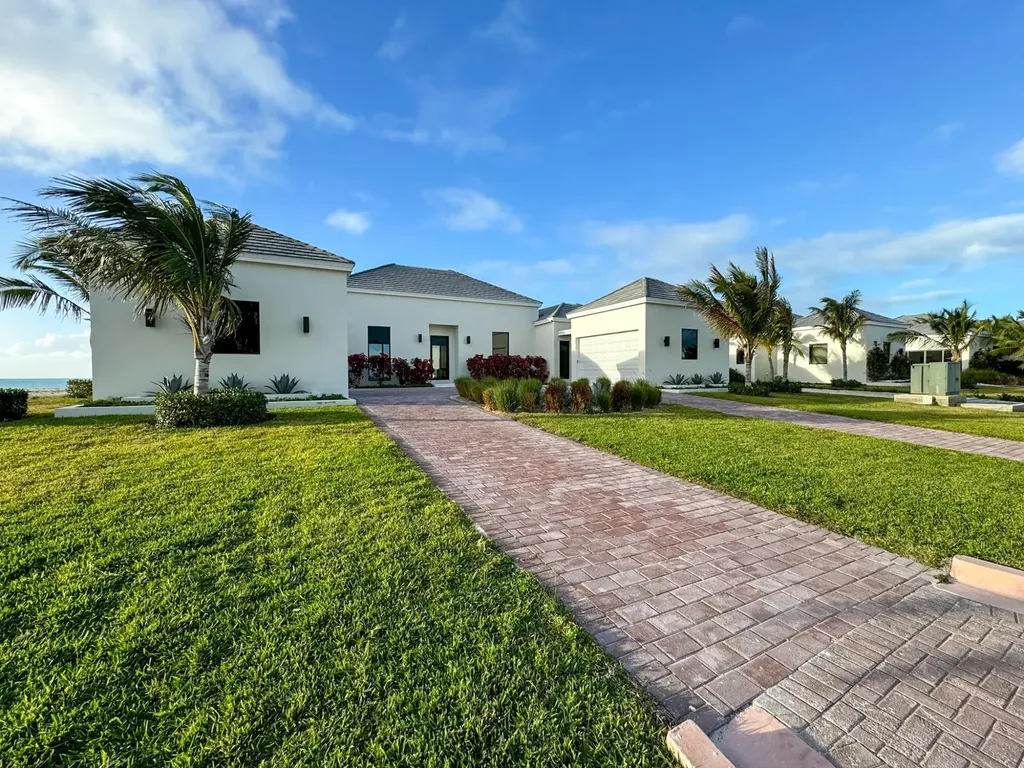
 House
$5,599,900
Bimini
6 bd 6 ba 603 m²

63 homes and apartments for sale in Bimini, Bahamas.
24 properties shown
House$5,599,900
Bimini
 House
$4,250,000
Bimini
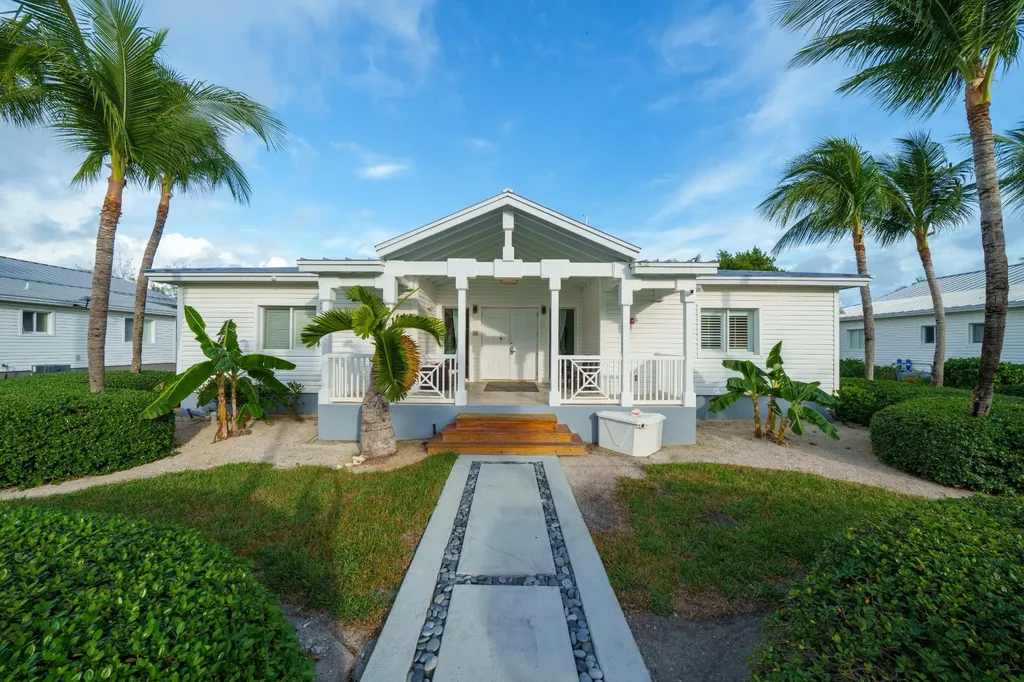 House
$1,850,000
Bimini
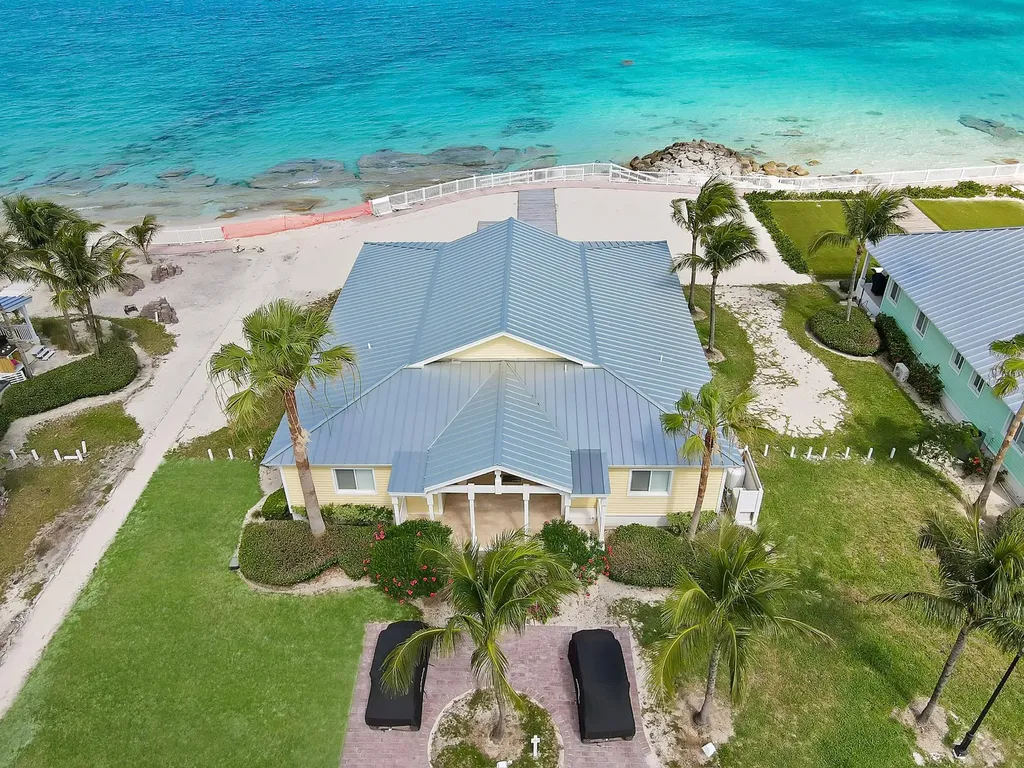 House
$2,300,000
Bimini
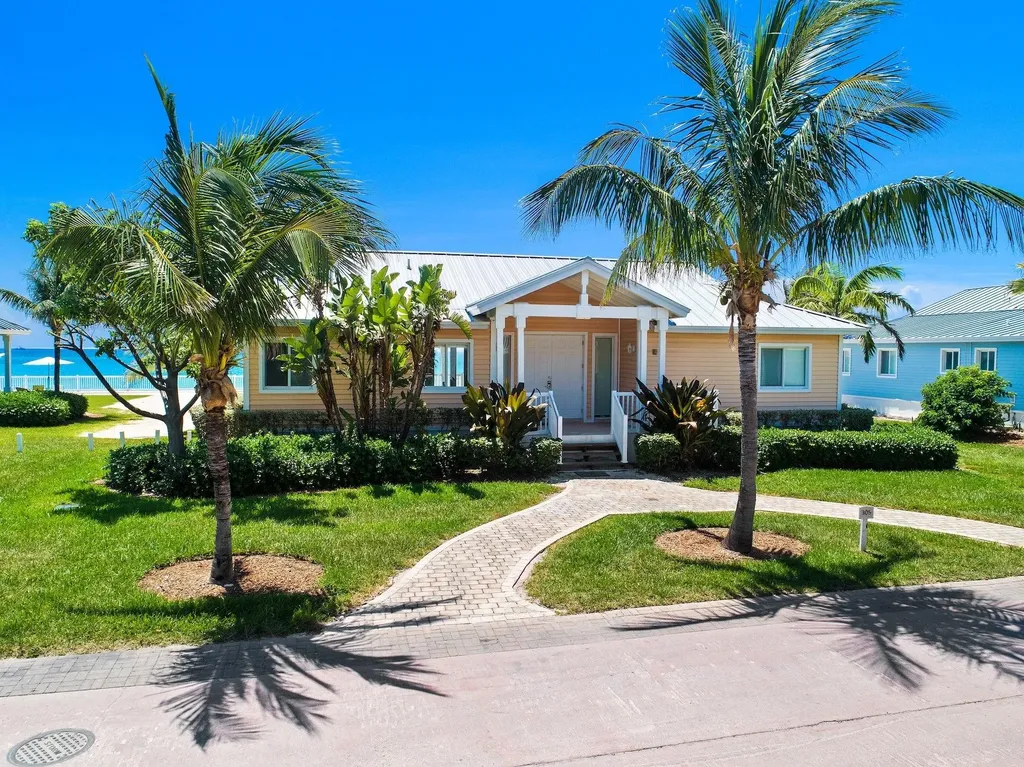 House
$1,350,000
Bimini
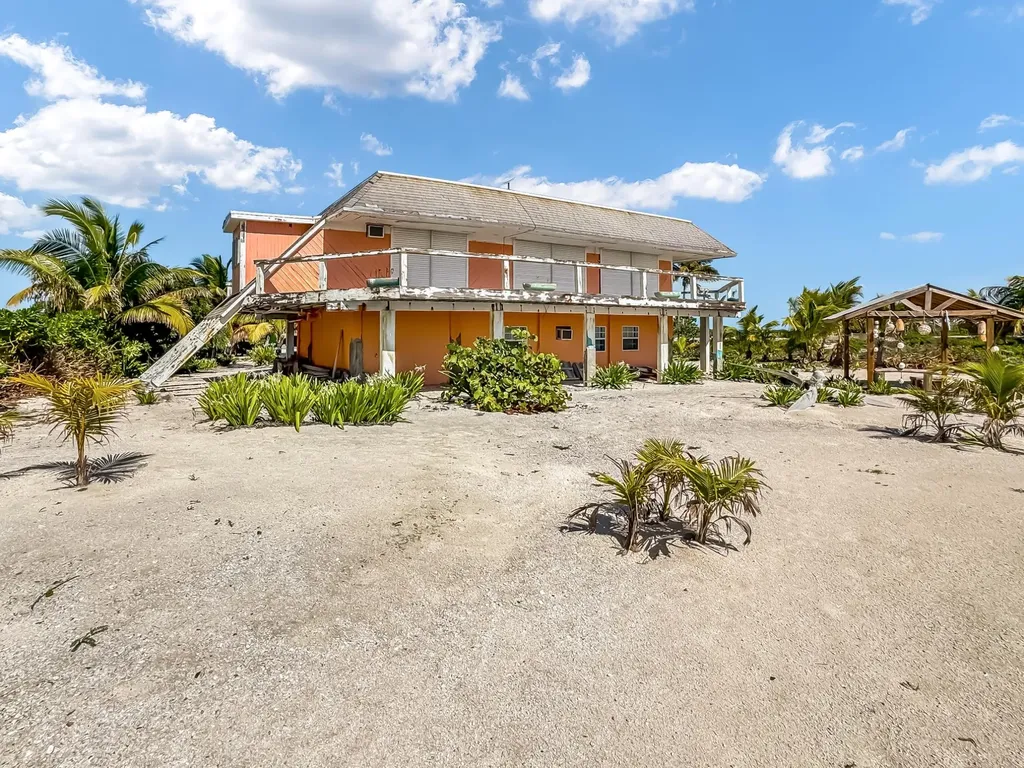 House
$799,000
Bimini
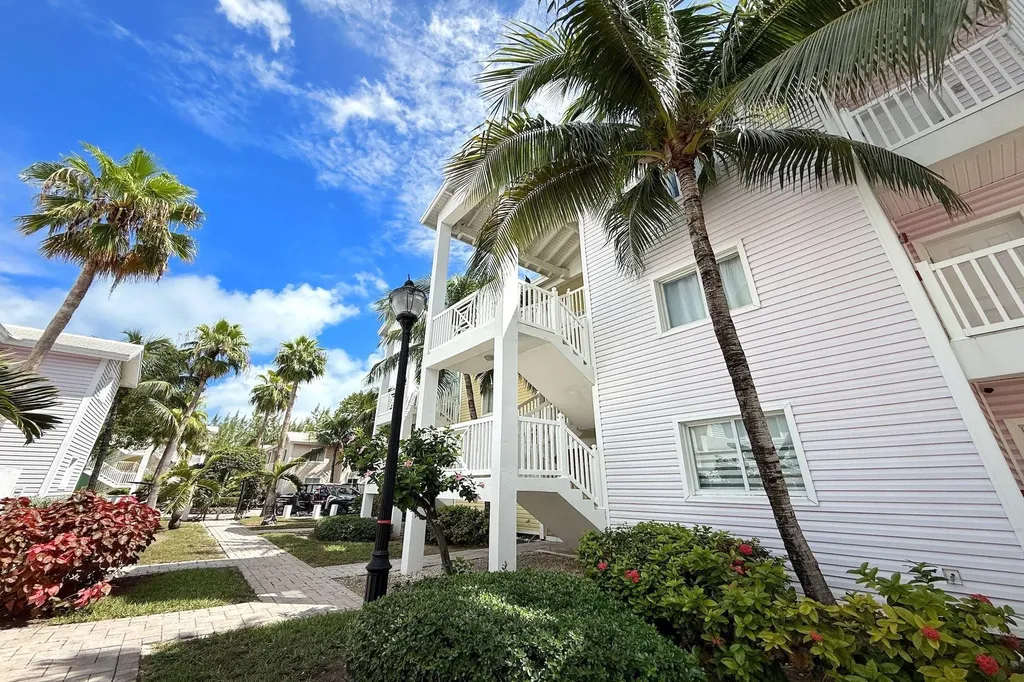 Apartment
$599,000
Bimini
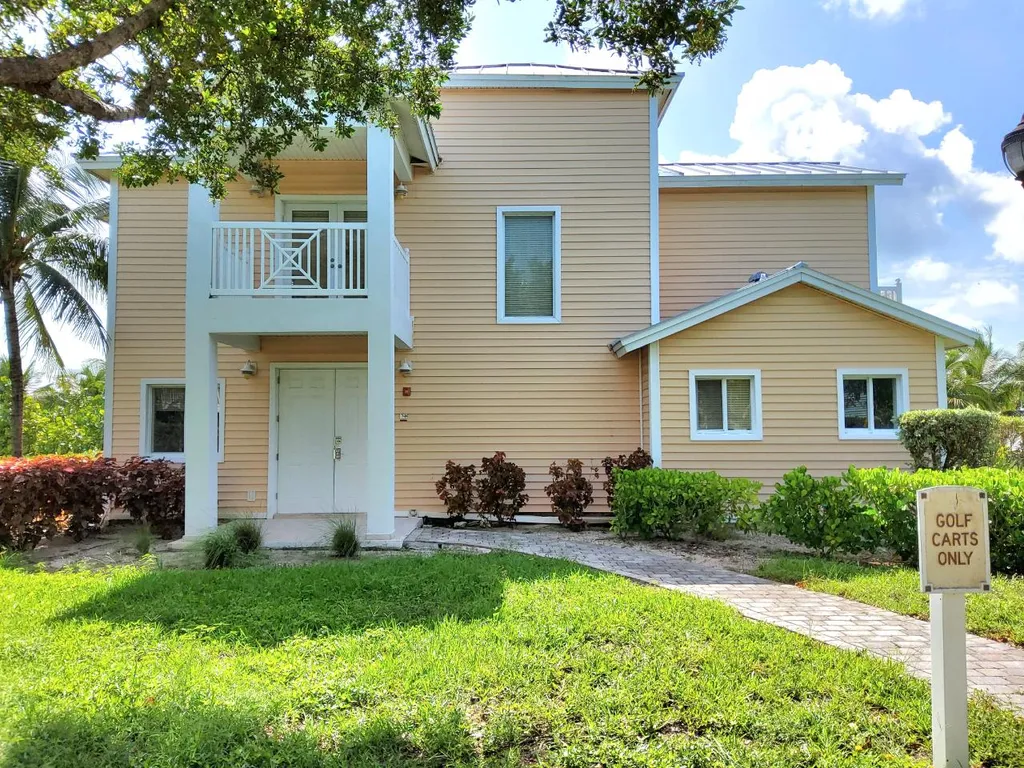 House
$590,000
Bimini
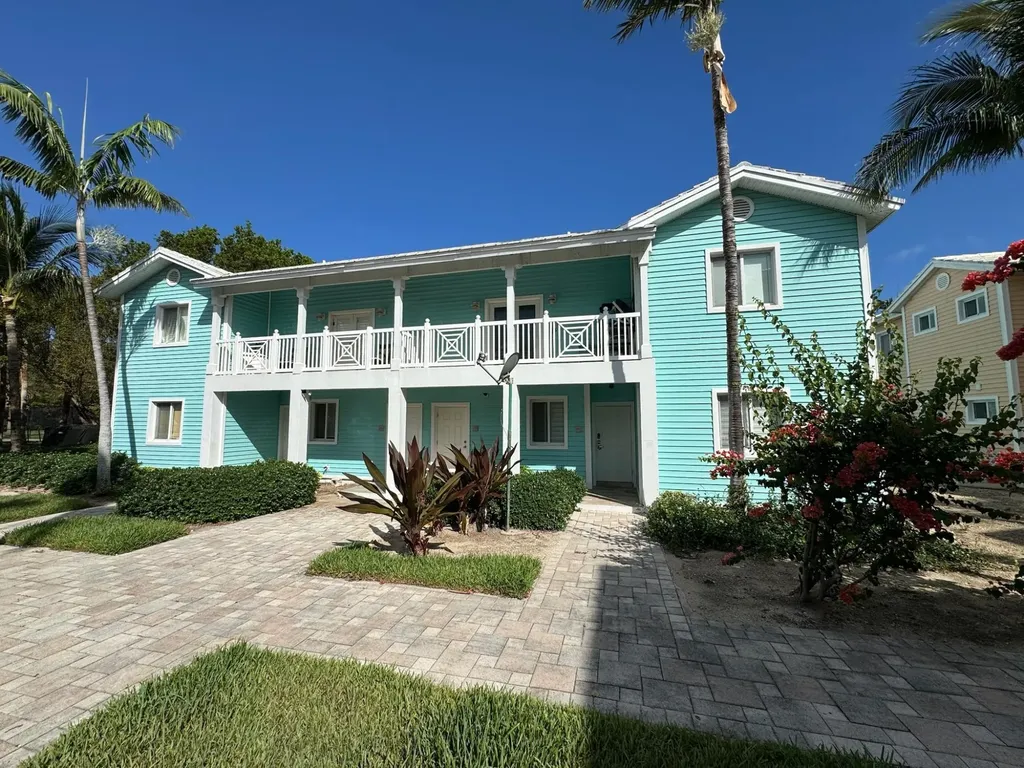 Apartment
$350,000
Bimini
 Apartment
$500,000
Bimini
 Apartment
$500,000
Bimini
 Apartment
$395,000
Bimini
 Apartment
$425,000
Bimini
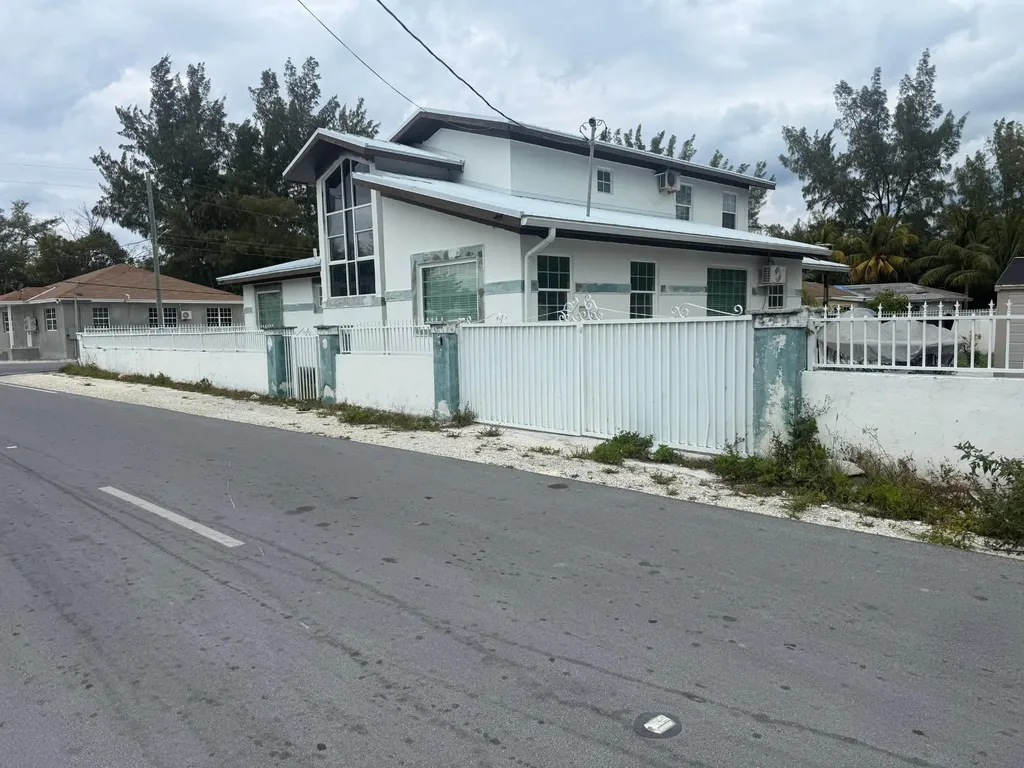 House
$375,000
Bimini
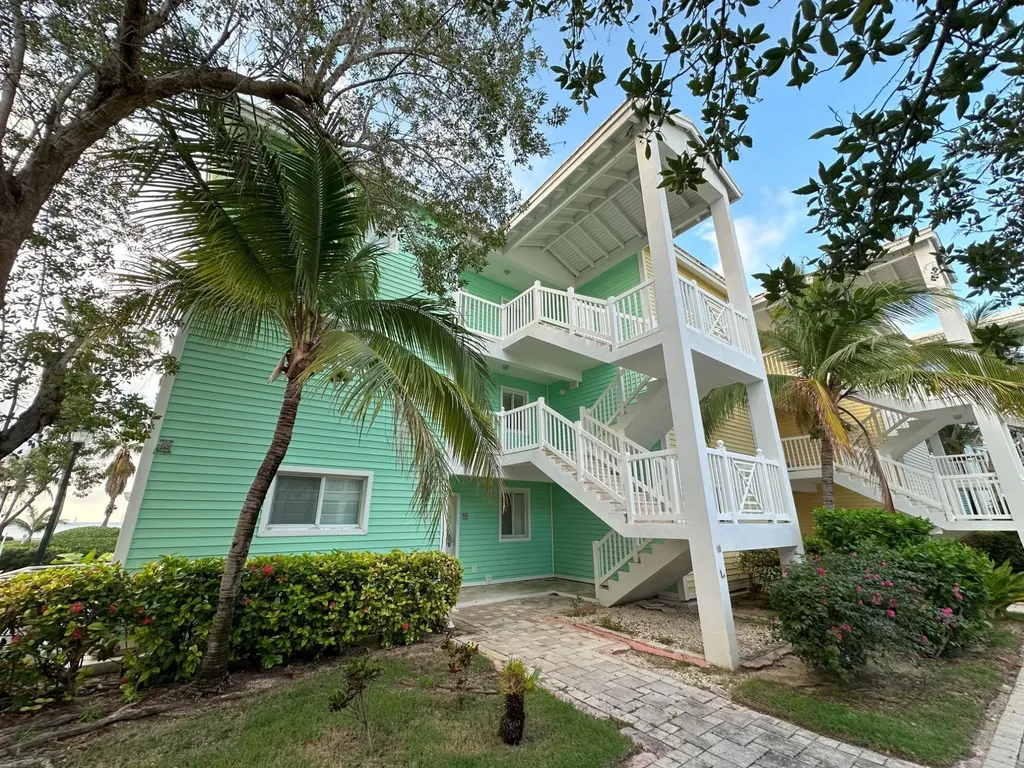 Apartment
$350,000
Bimini
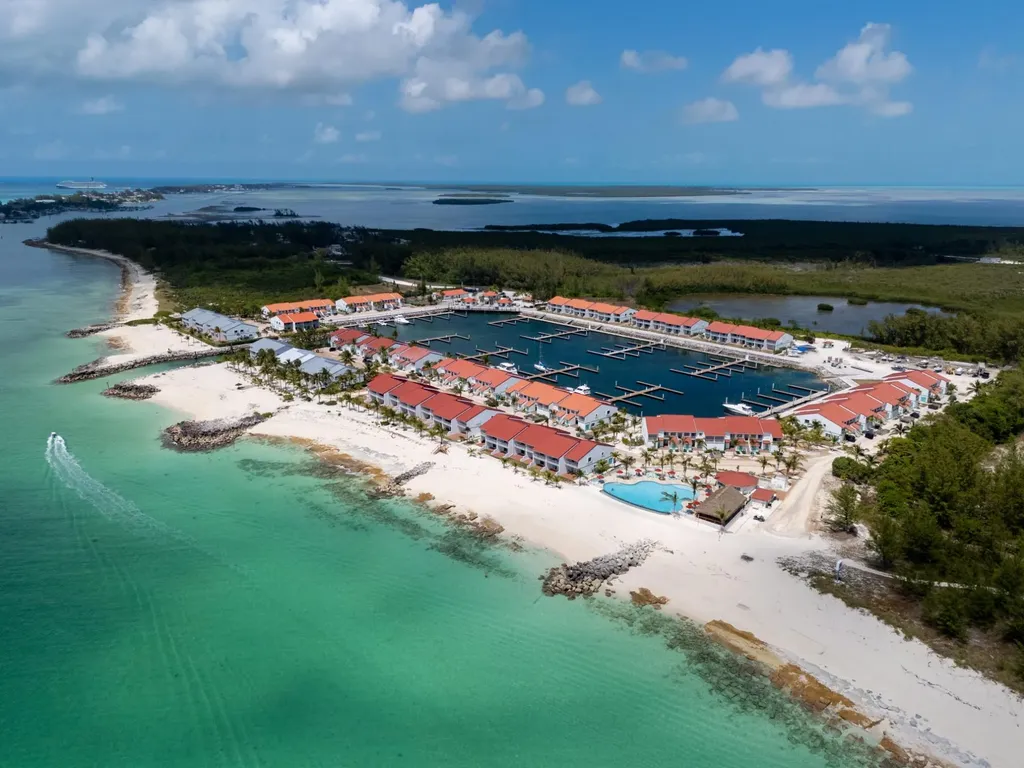 Apartment
$349,000
Bimini
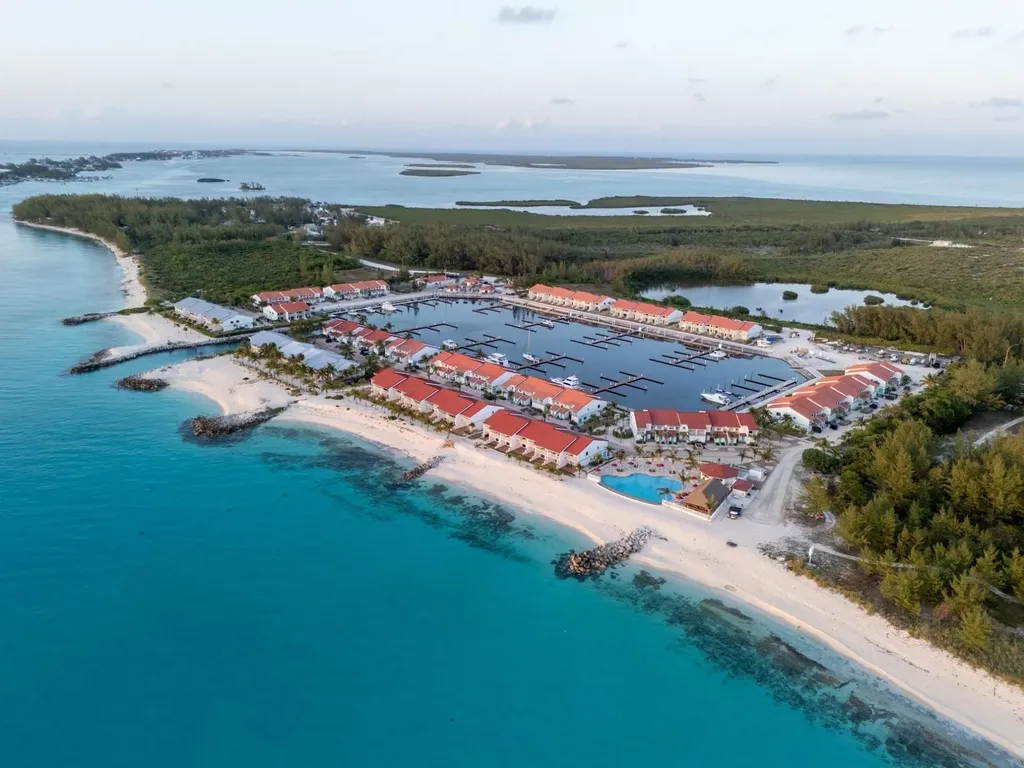 Apartment
$385,000
Bimini
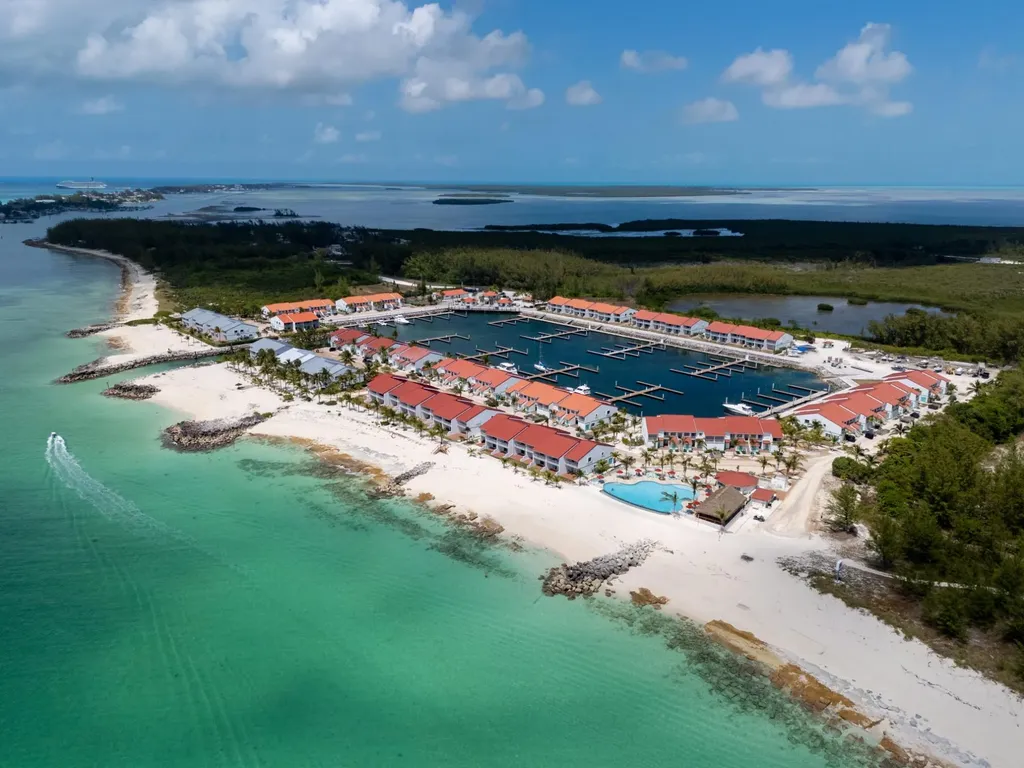 Apartment
$360,000
Bimini
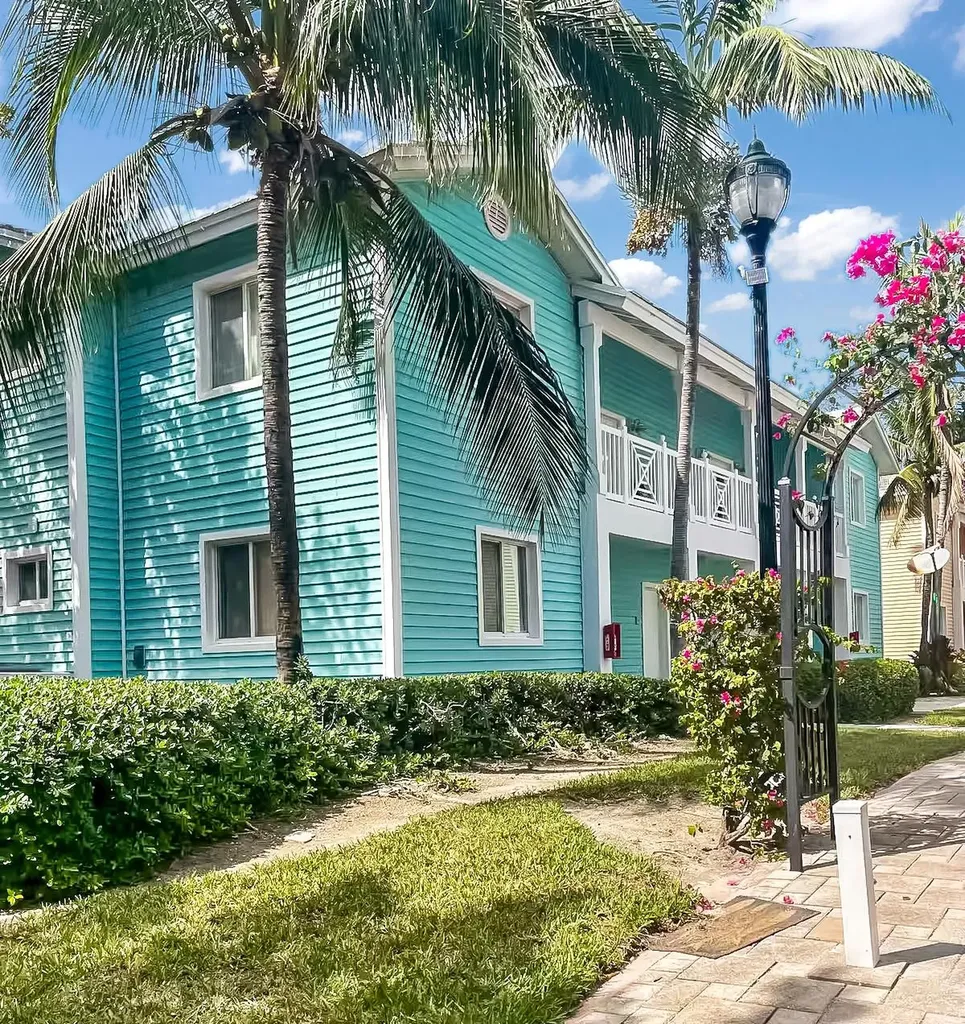 Apartment
$375,000
Bimini
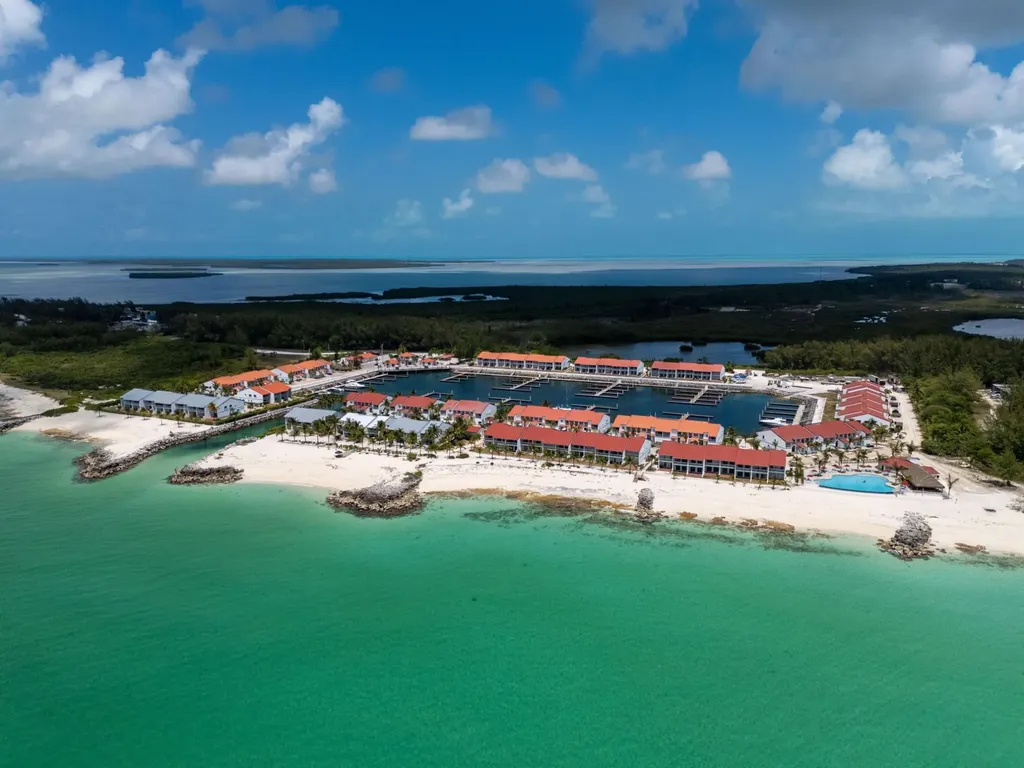 Apartment
$350,000
Bimini
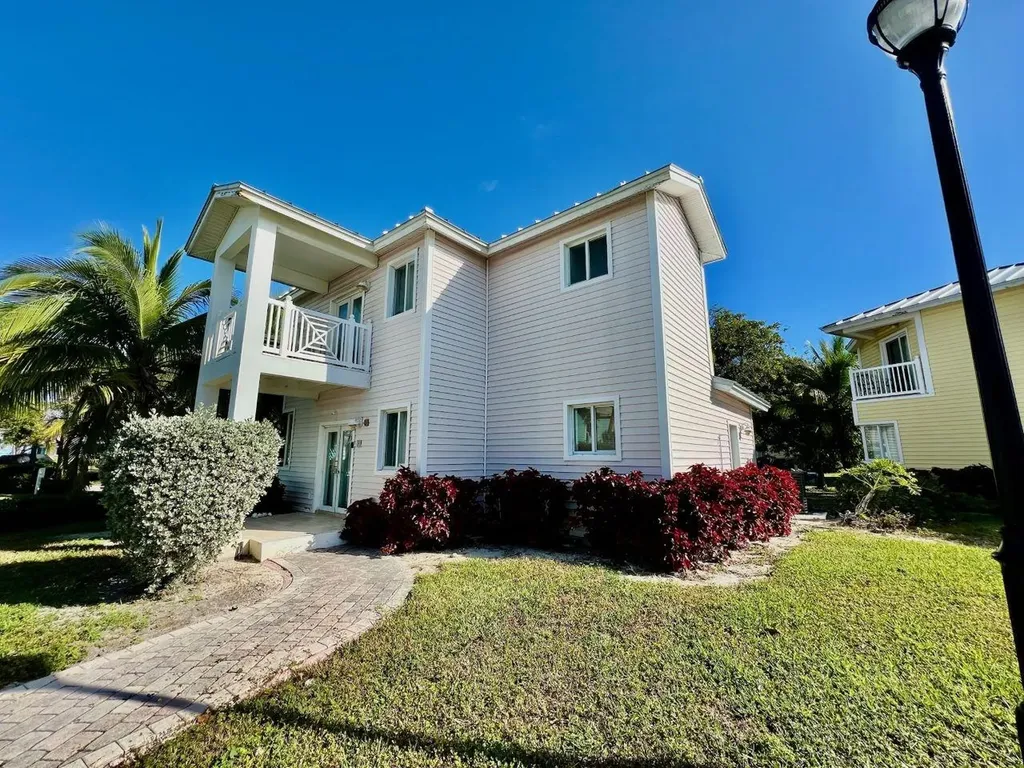 Apartment
$310,000
Bimini
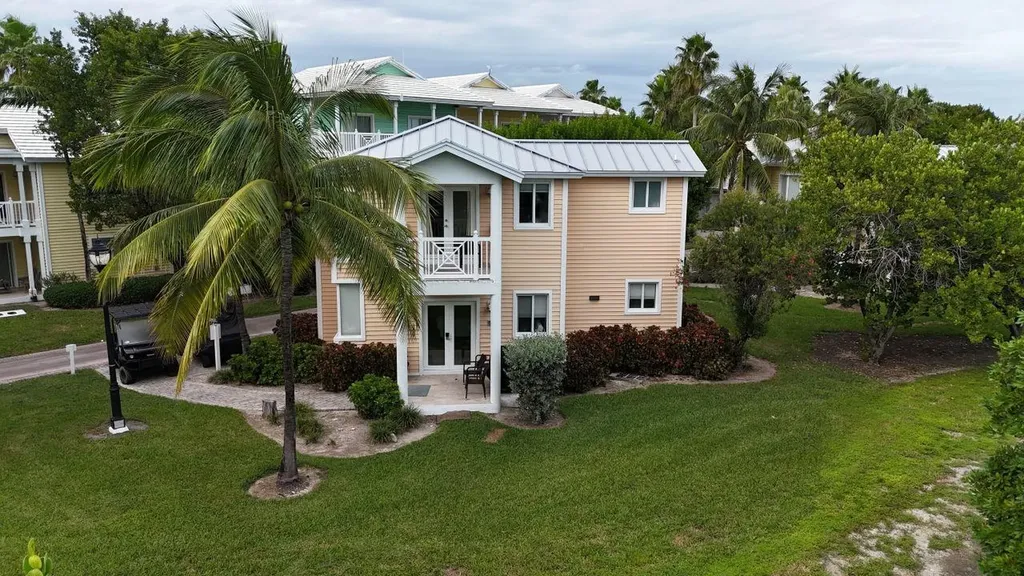 Apartment
$305,000
Bimini
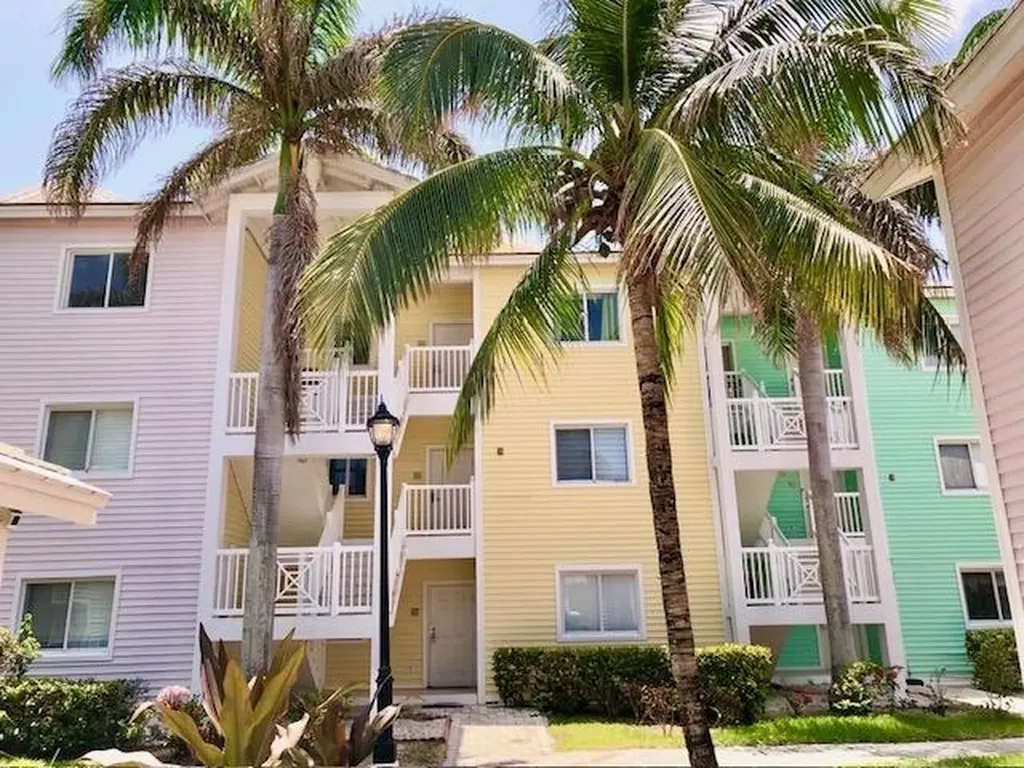 Apartment
$230,000
Bimini
 Apartment
$270,000
Bimini
Buyer's guide: Bimini
Property for sale in Bimini is a small, specialised market: 63 listings on RealEstateAbroad, 38 of them apartments or condos, with a median asking price of €353,120. Bimini is the Bahamian island group closest to Florida, and buyers come for fishing, boating and a short hop from the US mainland. The wide spread between cheap and expensive listings tells you that this is not one uniform market.
All figures are asking prices in current listings on RealEstateAbroad, shown in euros. With only 63 listings, a few waterfront estates move the top end a lot.
| Measure | Bimini |
|---|---|
| Active listings | 63 |
| Median asking price | €353,120 |
| Middle half (p25 to p75) | €294,565 to €703,558 |
| Median price per m² | €2,761 |
| Median home size | 136 m² |
The type mix is 38 apartments, 18 houses, 6 plots of land and 1 commercial property. By bedrooms, 24 listings have two, 14 have three, 8 have one, 6 have four and 4 have five or more.
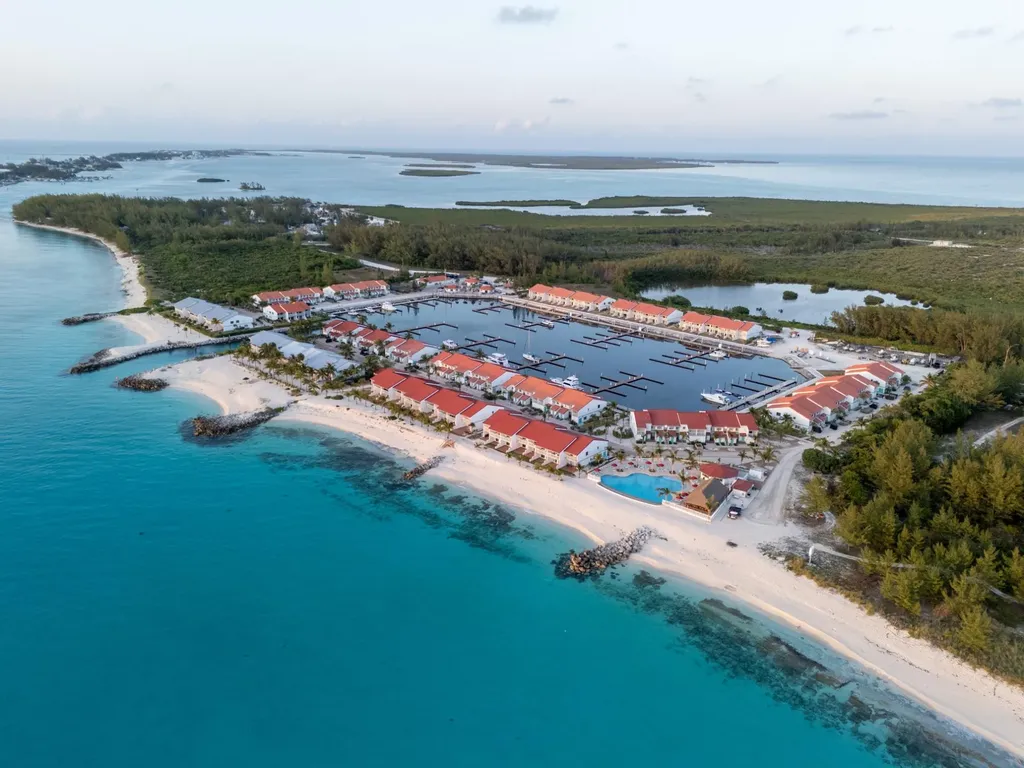
Most apartments are in condominium or marina-style developments, where owners share a dock, pool or services. Houses range from simple island homes to waterfront villas. Land is attractive but needs due diligence on title, utilities and building permission. Compare options with the Bahamas-wide pages for apartments, houses, land and commercial property.
Bimini is made up of North Bimini, South Bimini and several cays. Alice Town on North Bimini is the main settlement, with the bulk of restaurants, marinas and the airstrip, and the island is known for big-game fishing and clear shallow water.
The cost of that setting is logistics. Building materials and groceries are shipped in, power and water services can be limited, and hurricane season runs from June to November, so insurance, a robust build and a generator are standard conversations. Expect to pay more to maintain a home than you would on the mainland, and plan who looks after it when you are away.
Buyers are mainly US-based boaters and anglers, second-home owners and a few retirees who want a quiet base.
The Bahamas welcomes foreign property owners and does not restrict them from owning most residential property. A few cautions, to be confirmed with a Bahamian attorney:
Financing is usually cash or a US-based loan, and Bahamian banks lend to non-residents on tighter terms. See our Bahamas financing guide and the buying guide for foreigners.
Bimini is far from the capital and the larger islands, so the markets below are alternatives rather than neighbours. Nassau and New Providence Paradise Island have the deepest resale and amenity base, and Grand Bahama Freeport is generally cheaper. To compare the country as a whole, see the Bahamas property page.
Last updated 8 October 2026
Yes. The Bahamas lets foreigners own most residential property, though larger or non-owner-occupied purchases may need registration. Use a Bahamian attorney for title and stamp duty advice.
Apartments make up 38 of 63 listings. The overall median asking price is €353,120 with a middle range of €294,565 to €703,558, so check individual building prices and fees.
It can be, especially for fishing and boating visitors, but seasonality, hurricane risk and operating costs are real. Ask any seller for actual rental records, not projections.
Bimini is the nearest Bahamian island to Florida, reachable by boat, seaplane and short flights from South Florida. Always check current carrier schedules.
Practically yes. Lenders and condo associations require it, and premiums can be significant. Ask for the claims history of any building you consider.