

Buy Property in Hanoi
105+ Homes in Hanoi, Vietnam
Discover premium real estate opportunities in one of Vietnam's most sought-after locations.
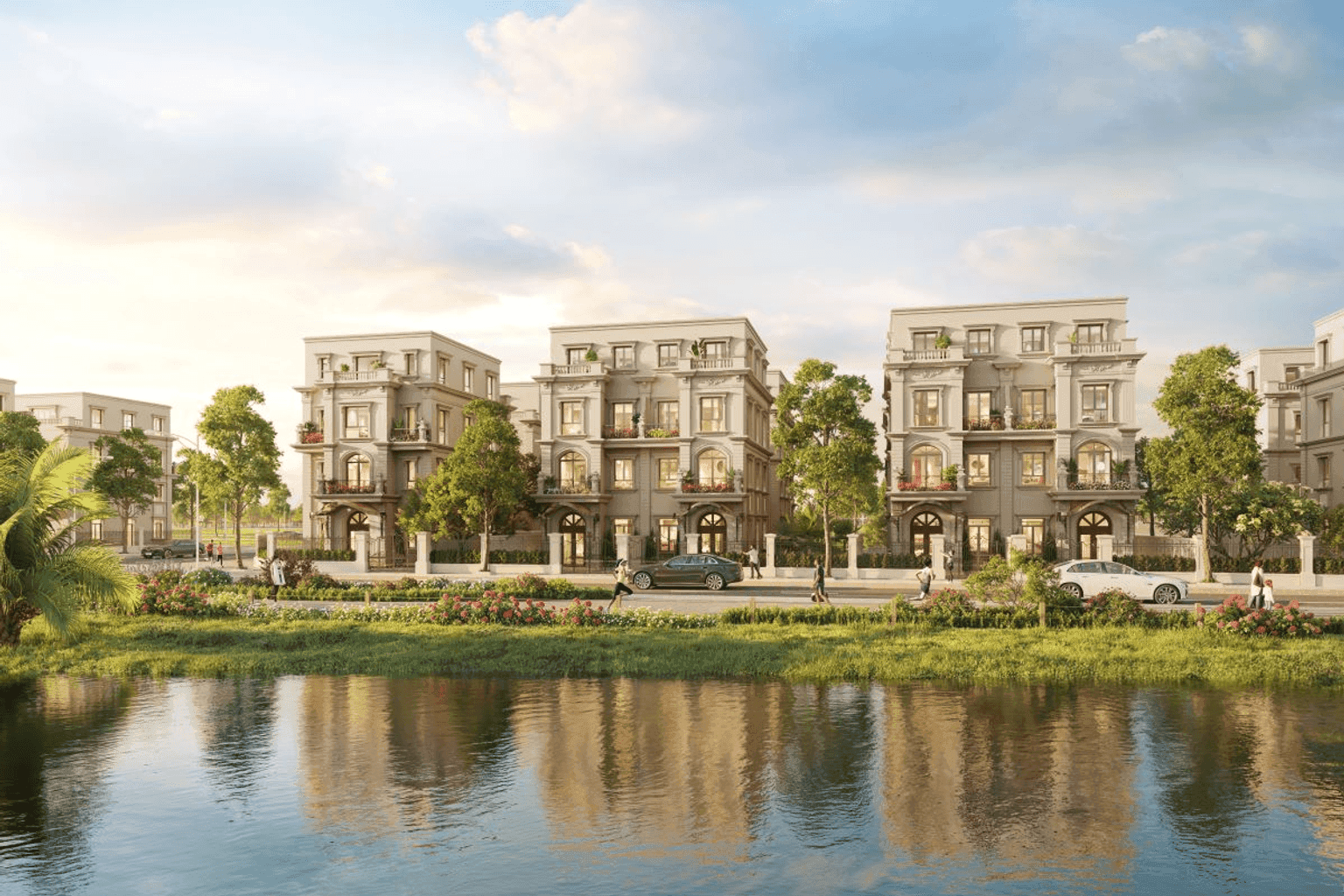
Vinhomes Wonder City
VND 282,000,000
€9,400,000/m²
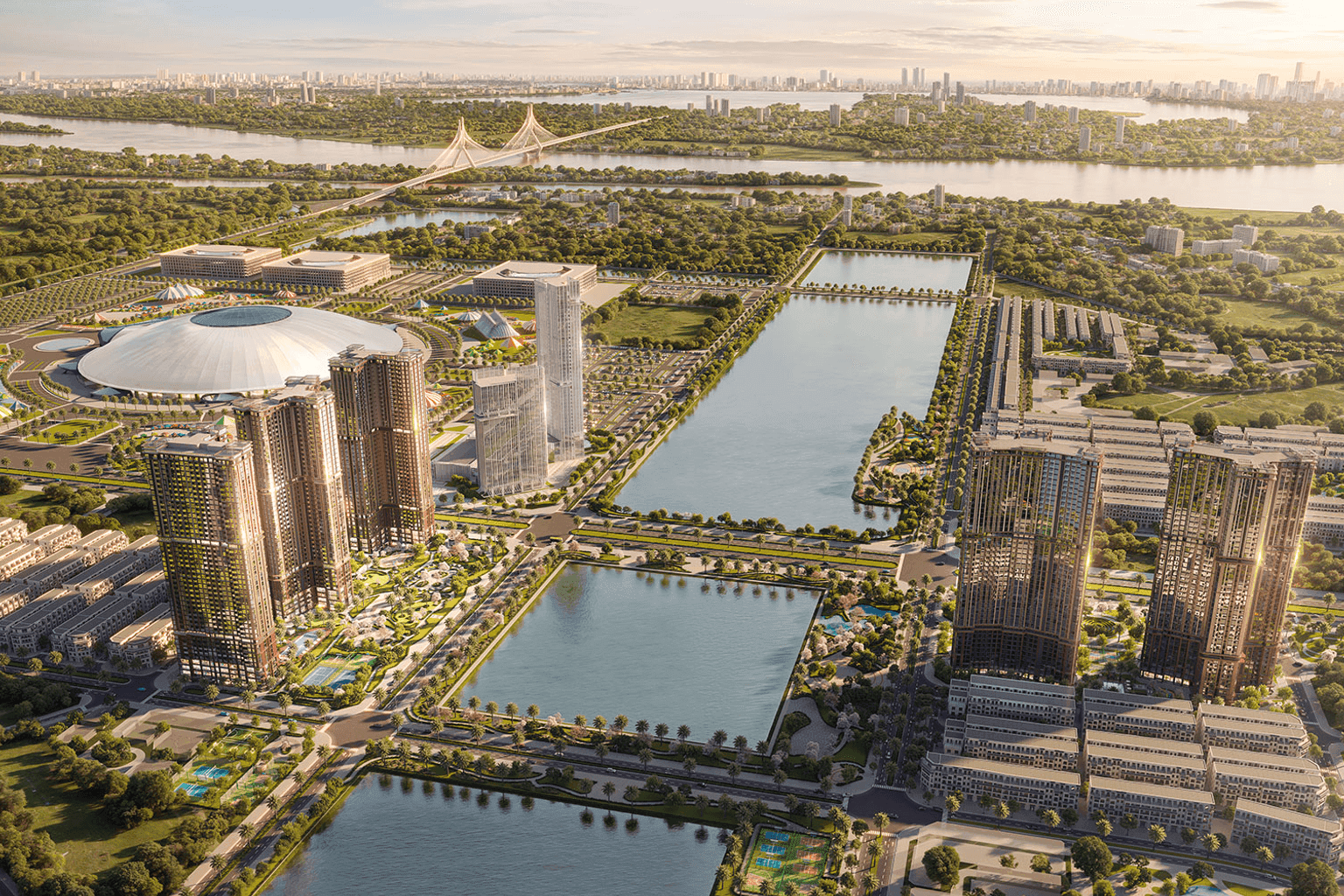
Vinhomes Global Gate
VND 0
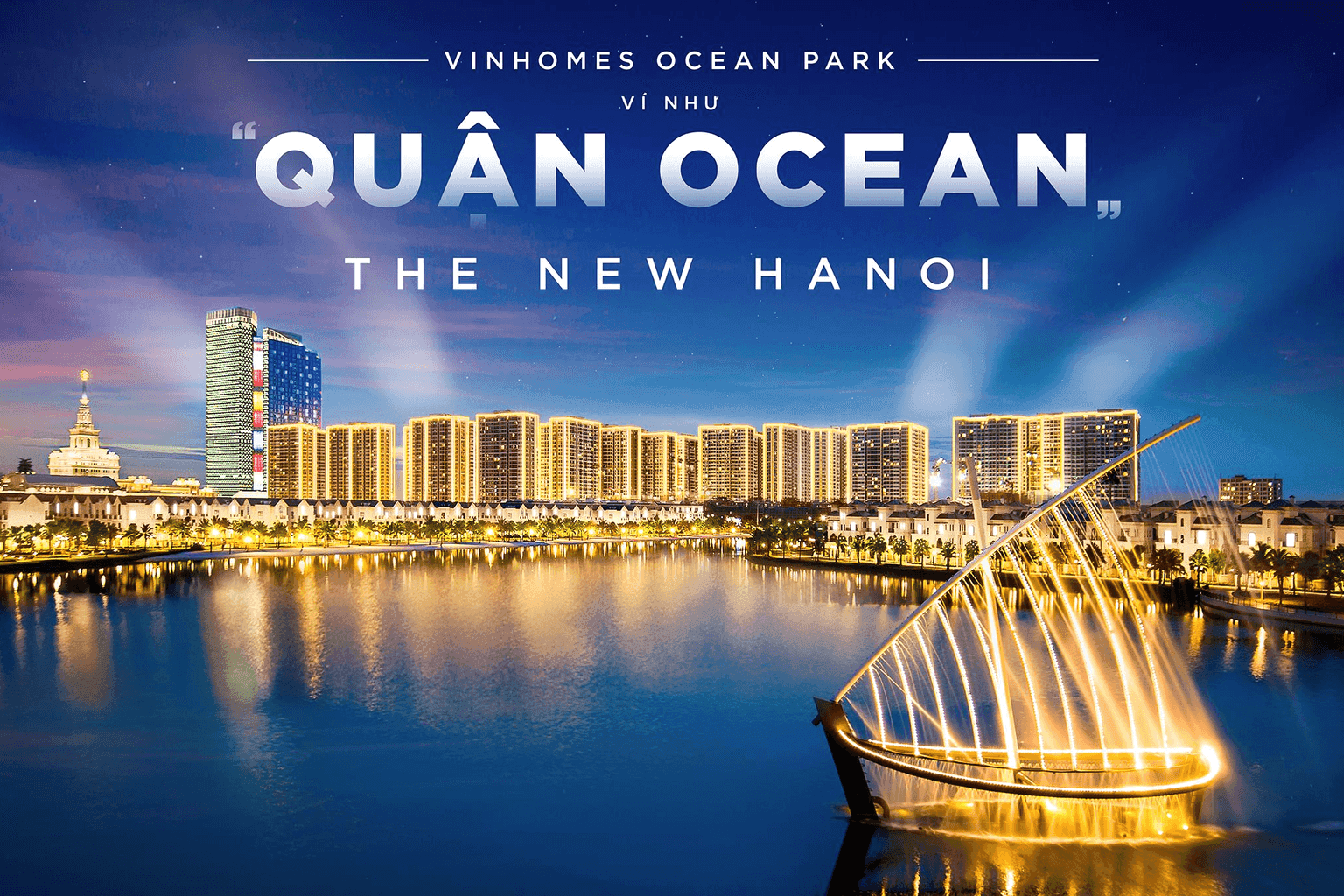
Vinhomes Ocean Park
USD 30,000
€857.143/m²
Vinhomes Smart City
USD 30,000
€1,000/m²
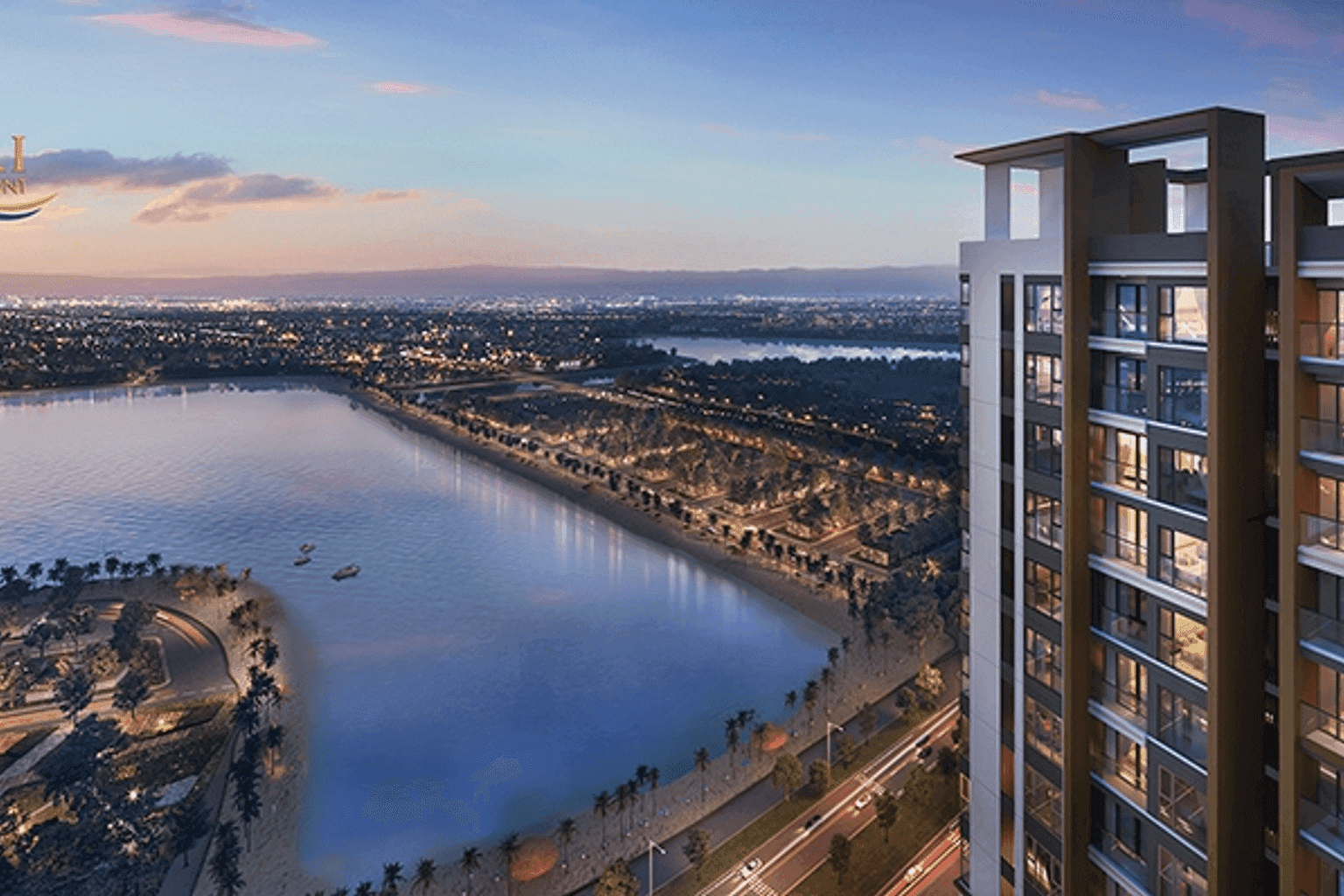
Masteri Waterfront
USD 167,000
€3,036.364/m²
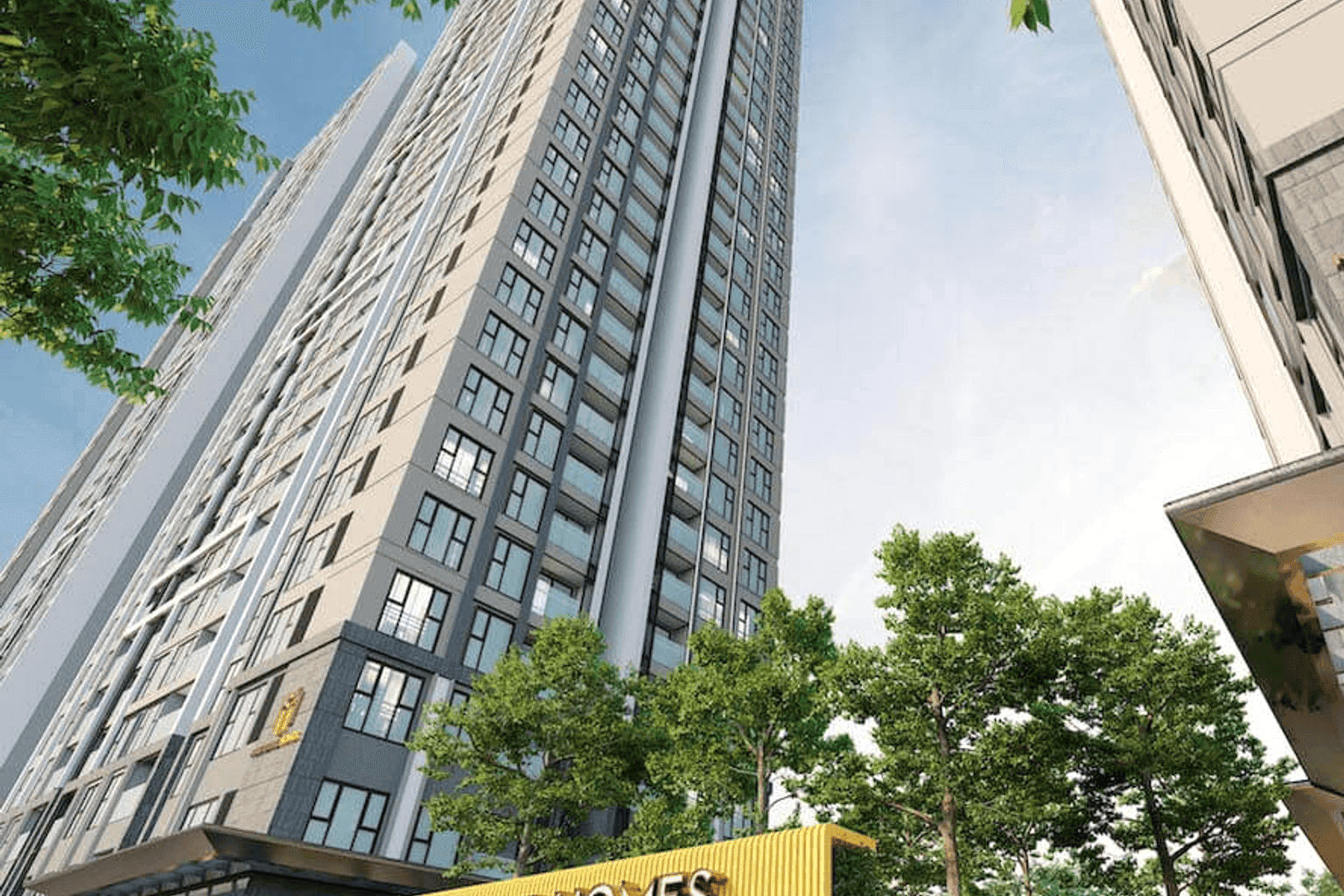
Masteri West Heights
VND 1,900,000,000
€38,000,000/m²

Bán nhà mới Quang Trung 34m2, 4 tầng, ngõ 3m, ô tô tránh 10m

Đất Nền Sát Bên Sân Bay Long Thành
Pentstudio Tây Hồ

Công dân quận Hoàn Kiếm 40m, 6 tầng mặt tiền 4,5m

Đất Long Thành Gía Tốt Ngay Gần Sân Bay Quốc Tế

SWANBAY OAISIA DỰ ÁN BÊN SÔNG LIỀN KỀ Q2,Q9

Imperia Smart City
NHÀ PHỐ NGAY TRỤC ĐƯỜNG 25B LỘ GIỚI 80M, CÁCH HCM CHỈ 25P
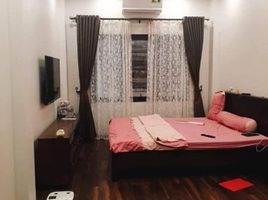
Bán nhà phân lô, oto đỗ cửa 43m2, 5PN ngõ 381 phố Nguyễn Khang, Cầu Giấy. phân khúc hiếm

Liền Kề đối diện Vinhomes Ocean Park Gia Lâm, 135tr/m, đường 30m, Trục đường Lý Thánh Tông
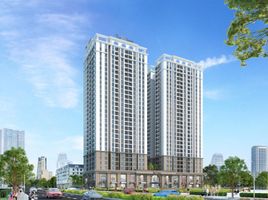
Modern 2-bedroom apartment at The Charm An Hung, Center of Ha Dong District

Sunshine Golden River

King Palace
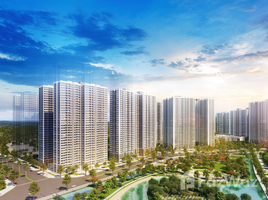
Vinhomes Smart City

Nhập từ khóa để tìm theo cụm từ Nhà đất bánTìm kiếm Bán căn góc chung cư cao cấp tầng 6 Pacific Lý Thường Kiệt: 187m2.

Gateway Thao Dien
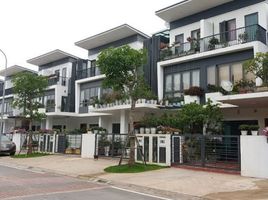
Bán Shophouse Liền kề Tây nam linh đàm – giá 115tr/m2 - 083,848,9898
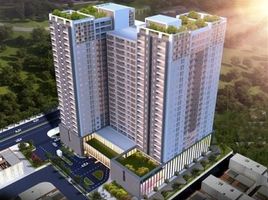
High Class 3 Bedrooms for sale of Florence Tran Huu Duc project in Nam Tu Liem District, Hanoi

Bán nhà Trần Khát Chân 48m, 4 tầng mặt tiền 4,2m giá 10 tỷ

Officially receiving bookings for the last apartment building The Senique Premier under The Senique Hanoi Project

The Matrix One
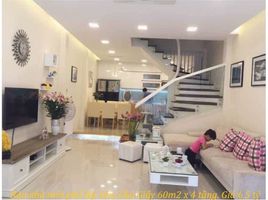
Bán nhà mới Hạ Yên, Cầu Giấy 60m2 4 tầng giá 6,5 tỷ

Vị trí đỉnh cao xứng tầm danh giá 36m 5 tầng mặt tiền 4,2m

Fusion Resort an Villas Đà Nẵng

Đất nền mặt tiền QL 1A Trảng Bom, Đồng Nai

Vinhomes Metropolis

Đất Nền Long Thành Liền Kề Sân Bay Quốc Tế
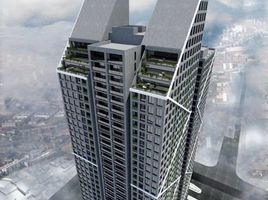
Haytay Millenium spacious 2 bedroom apartment
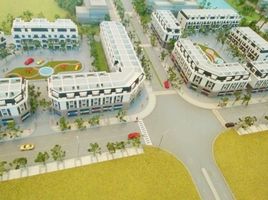
Bán Shophouse gần phố cổ giá chỉ từ 60tr- 68/m2

ĐẤT NỀN VỊ TRÍ VÀNG NGAY TẠI SÂN BAY

The Ocean Villas Quy Nhơn

Siêu phẩm phân lô phố Hai Bà 45m 5 tầng mặt tiền 4,3m
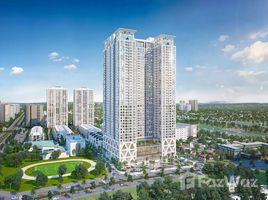
The Zei
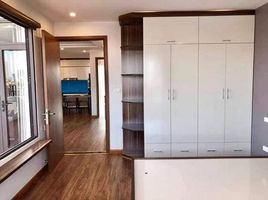
Bán toàn nhà Tổ họp khách sạn Võ Chí Công, Tây Hồ. 220m2 8 tầng, doanh thu 220tr/Th 36tỷ

Đất Nền Liền Kề Sân Bay Quốc Tế Long Thành - Cảng Cái Mép, Thị Vải

THE CAPITAL ELITE PROJECT

My Dinh apartment, opposite the central park 14ha, 1.8km from the paper bridge, price from 40 million / m2
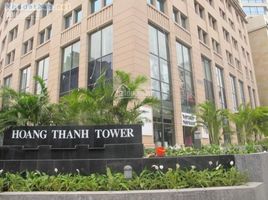
Bán căn ngoại giao tại Hoàng Thành Tower 114 Mai Hắc Đế.
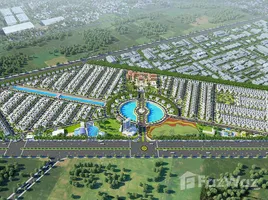
The Phoenix Garden

Starlake Tay Ho Tay
Đất biệt thự FPT city Đà Nẵng
Bán Mặt phố Hai Bà Trưng 47m 5 tầng mặt tiền 4,5m

NHÀ PHỐ TRÊN SÔNG LIỀN KỀ QUẬN 2 , QUẬN 9

Vinhomes Gardenia
Trusted by International Investors
Over 10,000+ successful property investments facilitated in Hanoi
Other Cities near Hanoi
Explore investment opportunities in nearby cities within Vietnam.
Ho Chi Minh City
Avg. Price: €
231 properties available

Da Nang
Avg. Price: €
202 properties available
Ba Ria-Vung Tau
Avg. Price: €
57 properties available
Khanh Hoa
Avg. Price: €
51 properties available
Binh Duong
Avg. Price: €
49 properties available
Binh Dinh
Avg. Price: €
38 properties available
Kien Giang
Avg. Price: €
31 properties available
Thanh Hoa
Avg. Price: €
27 properties available
Hai Phong
Avg. Price: €
19 properties available
Quang Nam
Avg. Price: €
18 properties available
Dong Nai
Avg. Price: €
14 properties available
Beyond Ho Chi Minh
Avg. Price: €
13 properties available
Phu Yen
Avg. Price: €
13 properties available
Binh Thuan
Avg. Price: €
11 properties available
Financing & Legal Information
Essential information for property investment in Vietnam.
Frequently Asked Questions About Hanoi
Common questions about property investment in Hanoi, Vietnam
Find Your Perfect Property in Hanoi
Our local specialists are ready to assist you. Get personalized property recommendations and expert guidance.
About Hanoi, Vietnam
Hanoi, Vietnam's bustling capital, is a vibrant blend of tradition and modernity, making it a prime location for living and investing. As a cultural and economic hub, Hanoi offers a rich tapestry of history, dynamic business opportunities, and a welcoming community.
Property Types
- •apartments
- •villas
- •houses
Lifestyle & Amenities
- •rich cultural heritage
- •thriving nightlife
- •top-tier international schools
- •excellent healthcare facilities
Investment Potential
Hanoi's property market is booming, driven by strong rental demand, a flourishing tourism sector, and rapid economic growth. With ongoing infrastructure improvements, investing in Hanoi real estate offers promising returns.
Frequently Asked Questions About Hanoi, Vietnam
Get answers to common questions about buying property in Hanoi.