
San antonio, Usa
Usa
+3.5% Growth

Properties For Sale in San antonio, Usa 2025

Discover premium real estate opportunities in one of Usa's most sought-after locations.

Filters

to
EUR0No limit
Loading properties...

Trusted by International Investors

Over 10,000+ successful property investments facilitated in San antonio

850,000
Average Property Value
3.5%
Annual Growth Rate
4.2%
Rental Yield
0.0M
Population

Life in San antonio

Discover what makes San antonio an exceptional place to live and invest.

Quality of Life

  • Quality of Life Index:174/100
  • Safety Index:51/100
  • Avg. Monthly Salary:3,500

Property Market

  • Price to Income Ratio:4.1x
  • Rental Yield:4.2%
  • Price per m²:4,500

Financing & Legal Information

Essential information for property investment in Usa.

Financing Options

  • Max LTV:70%
  • Interest Rates:3.0-5.0%
  • Loan Terms:Up to 30 years
Foreign buyers may face higher interest rates compared to domestic buyers.
Some lenders may require a U.S. bank account for mortgage payments.
Credit history in the U.S. may not be necessary, but foreign credit history may be considered.

Legal Considerations

  • Foreign Ownership:Freely allowed
  • Process Time:Typically 8-12 weeks

Key Requirements:

Obtain an Individual Taxpayer Identification Number (ITIN) if not eligible for a Social Security Number.
Engage a local real estate attorney to navigate state-specific laws.
Conduct a title search to ensure clear ownership and absence of liens.

Need Expert Guidance?

Our specialists can help you navigate the entire property buying process in Usa.

Frequently Asked Questions About San antonio

Common questions about property investment in San antonio, Usa

Find Your Perfect Property in San antonio

Our local specialists are ready to assist you. Get personalized property recommendations and expert guidance.

About San Antonio, United States

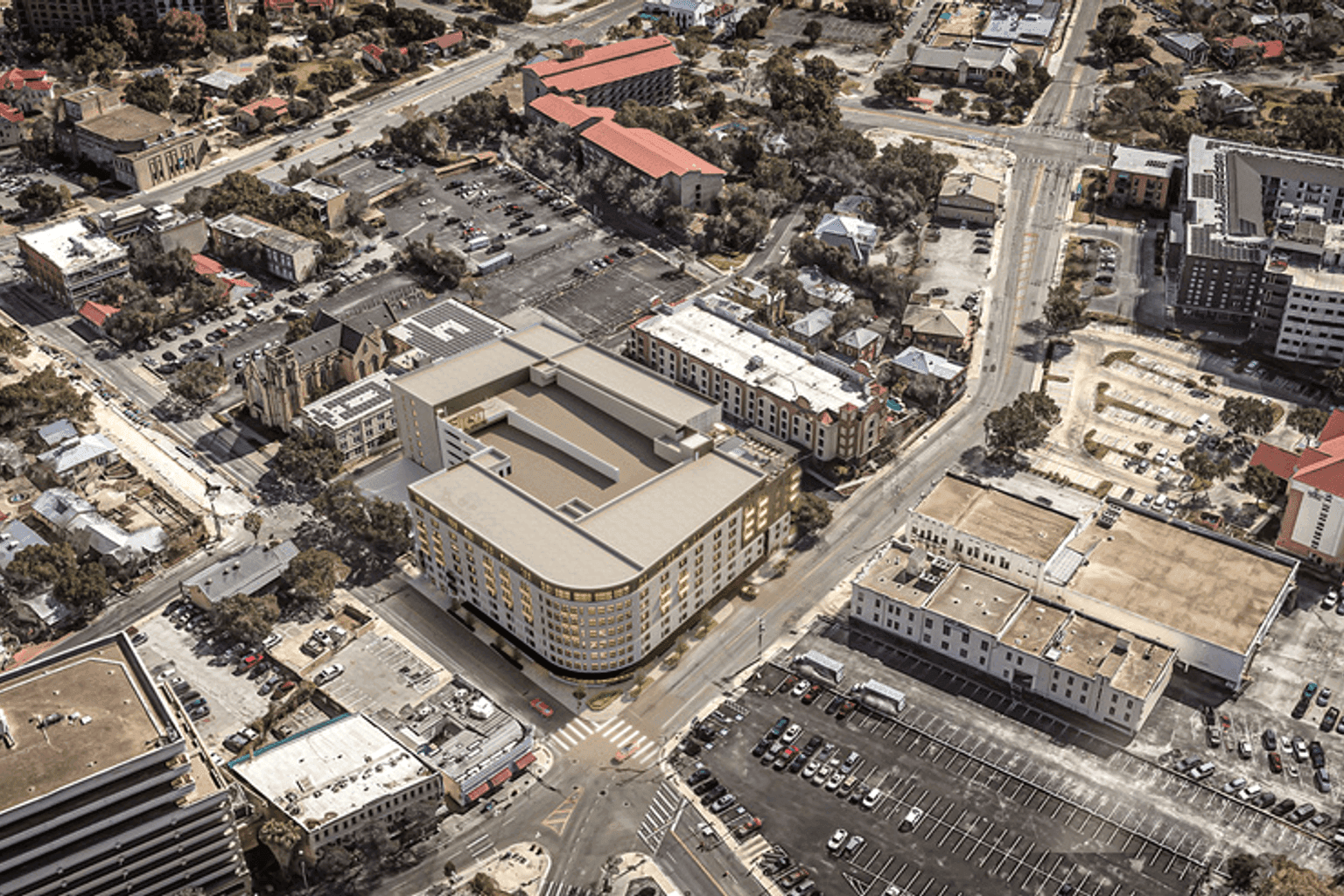
San Antonio, nestled in the heart of Texas, is a vibrant city known for its rich cultural heritage and booming economy. As a thriving business hub and cultural center, San Antonio offers a unique blend of historic charm and modern amenities, making it an ideal place to live and invest.

Property Types

  • apartments
  • villas
  • houses

Lifestyle & Amenities

  • rich cultural heritage
  • thriving nightlife
  • excellent healthcare facilities
  • mild climate

Investment Potential

San Antonio's real estate market is attractive due to its strong rental demand, fueled by a steady influx of tourists and a growing population. The city's ongoing economic growth and robust infrastructure development further enhance its appeal for property investment.

Frequently Asked Questions About San Antonio, United States

Get answers to common questions about buying property in San Antonio.

What are the key factors driving real estate investment in San Antonio?
San Antonio is one of the fastest-growing cities in the United States, making it an attractive location for real estate investment. The city's economy is bolstered by a strong military presence, a burgeoning tech sector, and a diverse industrial base. Additionally, San Antonio's relatively affordable cost of living compared to other major Texas cities like Austin and Dallas, combined with its cultural appeal and amenities, make it a desirable location for property investment. The city's population growth, recorded at over 2% annually in recent years, also fuels demand for housing, offering promising returns for investors.
What legal considerations should international buyers be aware of when purchasing property in San Antonio?
International buyers looking to purchase property in San Antonio should familiarize themselves with U.S. property laws, which can differ significantly from those in their home countries. One key consideration is that Texas operates under a 'title theory,' meaning a mortgage lender holds the title until the loan is paid. Buyers should also be aware of potential tax implications, both domestically and in their home countries, and may need to secure an Individual Taxpayer Identification Number (ITIN) if they don't possess a Social Security Number. Consulting with a real estate attorney familiar with international transactions can help navigate these complexities.
How does the cost of living in San Antonio compare to other major U.S. cities?
San Antonio boasts a lower cost of living compared to many major U.S. cities, making it attractive to both residents and investors. As of 2023, the overall cost of living index in San Antonio is approximately 14% lower than the national average. Housing costs are a significant factor in this affordability; for example, the median home price in San Antonio is about $280,000, markedly lower than in cities like Austin ($450,000) and Dallas ($410,000). This affordability extends to other areas such as groceries, healthcare, and transportation, enhancing its appeal for long-term investment.
What lifestyle amenities make San Antonio appealing for property buyers?
San Antonio offers a rich blend of cultural, historical, and recreational amenities, making it a vibrant place to call home. The city is famous for the historic Alamo, the beautiful River Walk, and numerous cultural festivals. For sports enthusiasts, San Antonio is home to the NBA's Spurs and various other sports teams. The city also offers an array of parks and outdoor spaces, including the expansive Brackenridge Park. Moreover, its culinary scene, influenced by a mix of Texan and Mexican cultures, is a major draw for food lovers. These amenities contribute significantly to its attractiveness as a residential location.
What are the potential financial benefits for investors in San Antonio's rental market?
San Antonio's robust rental market offers attractive opportunities for investors seeking steady returns. The city's population growth and economic diversity create sustained demand for rental properties. As of 2023, the average rental yield is approximately 5%, with some neighborhoods offering even higher returns. San Antonio's rental market benefits from a strong influx of young professionals and families drawn to its employment opportunities and lifestyle. Additionally, the city's commitment to infrastructure development and urban revitalization projects enhances its long-term investment potential, making it a wise choice for property investors looking for stable rental income.
How does the property tax rate in San Antonio compare to other Texas cities?
In San Antonio, the property tax rates are relatively moderate compared to other major Texas cities. The overall property tax rate in Bexar County, where San Antonio is located, is approximately 2.1% of the assessed property value. This rate compares favorably to cities like Houston, where rates can be as high as 2.5%. However, property tax rates in Texas are generally higher than the national average due to the absence of state income tax. Potential investors should consider these rates when calculating the total cost of property ownership and its impact on overall investment returns.
Are there specific neighborhoods in San Antonio known for high appreciation potential?
San Antonio's real estate market offers several neighborhoods with strong appreciation potential. Districts such as Alamo Heights, Stone Oak, and the Pearl District are particularly noted for their increasing property values. Alamo Heights offers excellent schools and a desirable suburban feel, while Stone Oak is known for its family-friendly environment and modern amenities. The Pearl District, with its historic charm and burgeoning mixed-use developments, attracts younger professionals and tech industry workers. These neighborhoods have shown consistent appreciation over the years, making them attractive options for investors seeking long-term capital gains.
What practical tips should international investors consider when managing property from abroad?
For international investors managing property in San Antonio, engaging a reputable property management company is a practical step to ensure smooth operations. These companies can handle tenant interactions, maintenance, and rent collection, providing peace of mind for absentee owners. Additionally, setting up a U.S.-based bank account can facilitate financial transactions. Investors should also stay informed about changes in local real estate regulations and market conditions by subscribing to local real estate newsletters or joining professional associations. Regular visits to the property, if feasible, can also help in maintaining a hands-on approach to management.