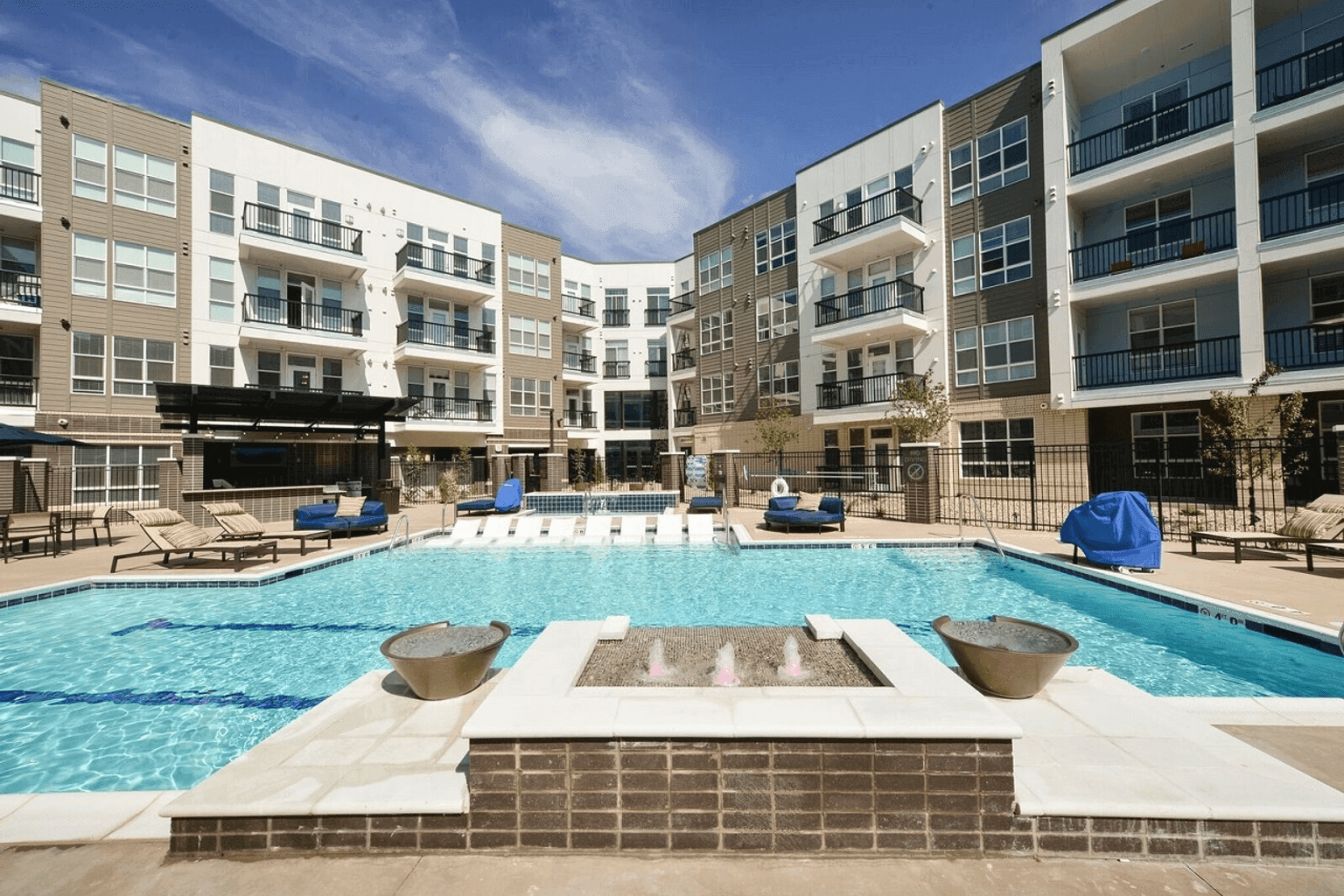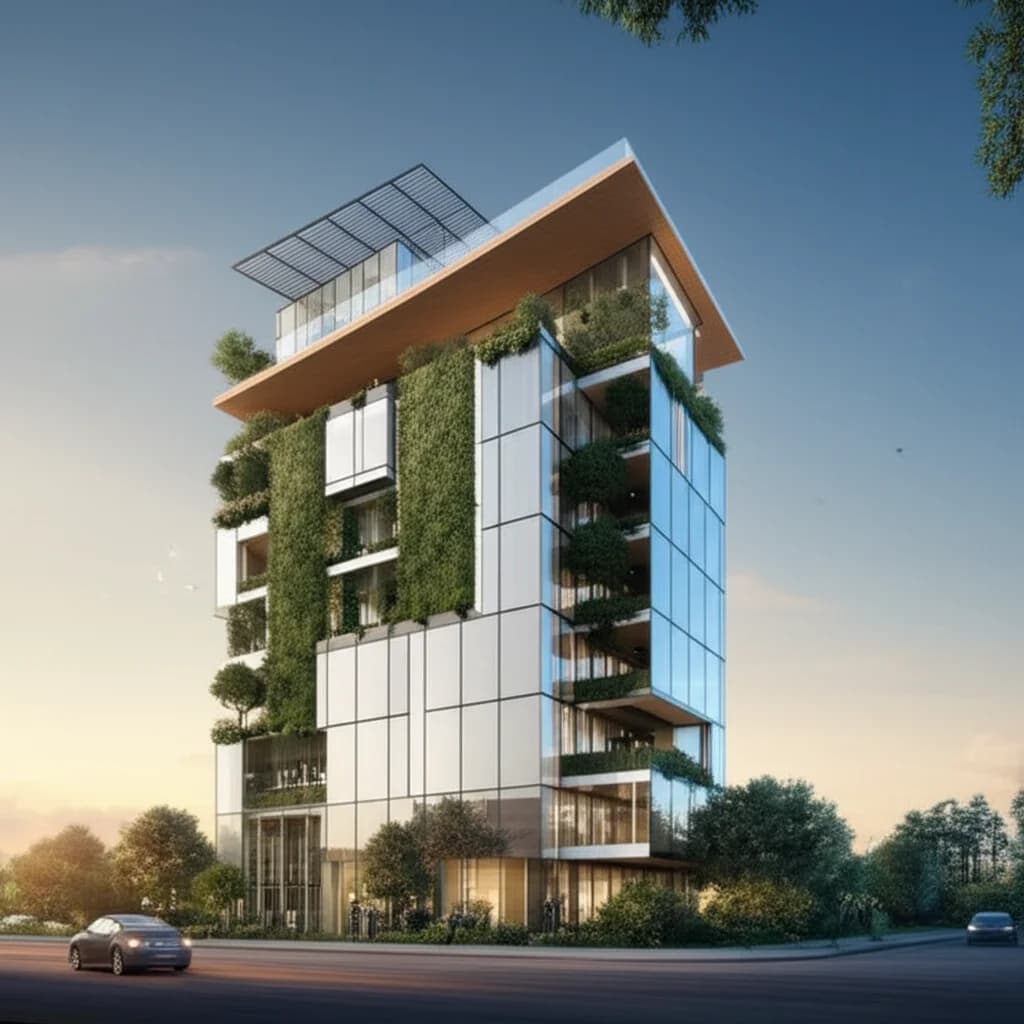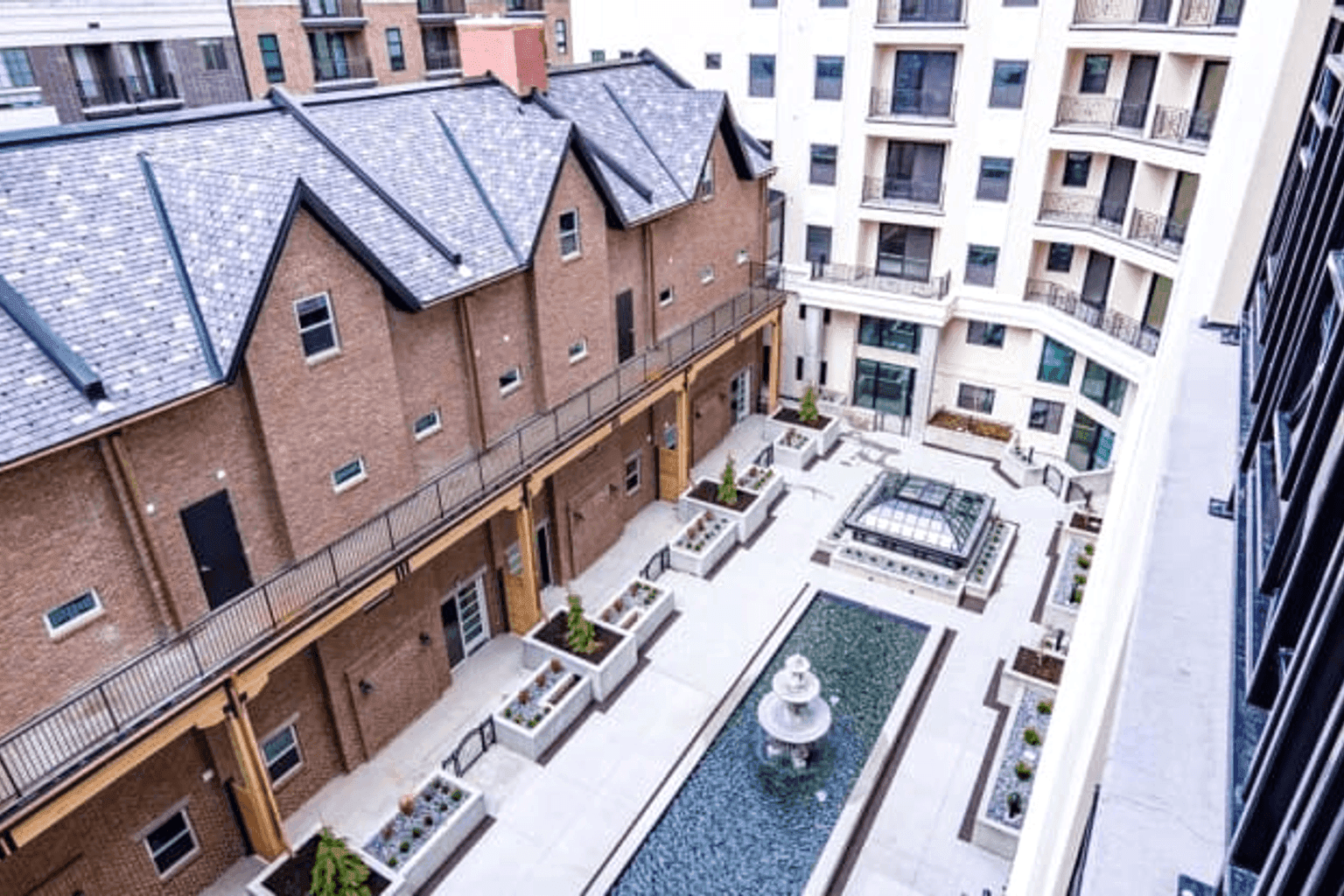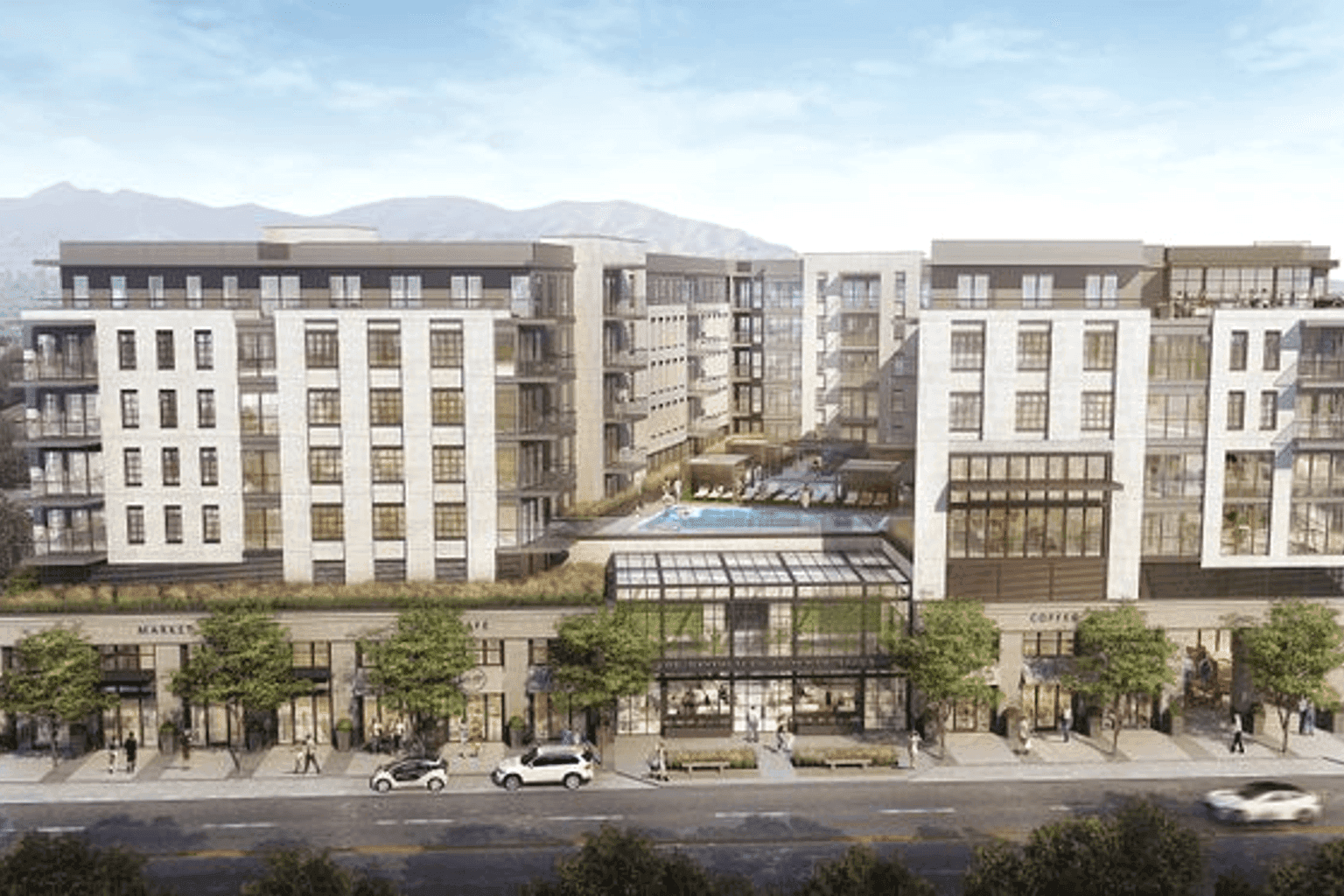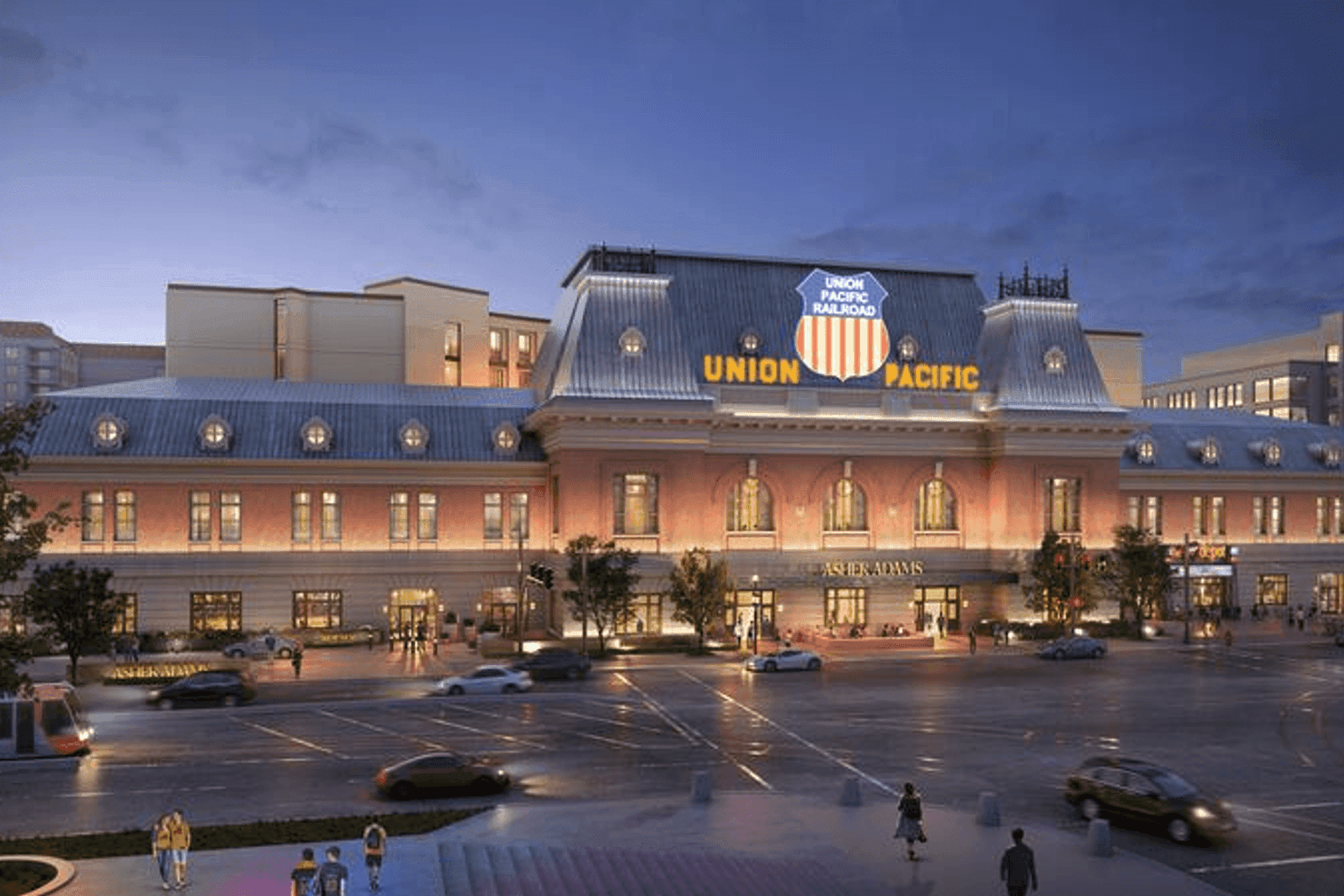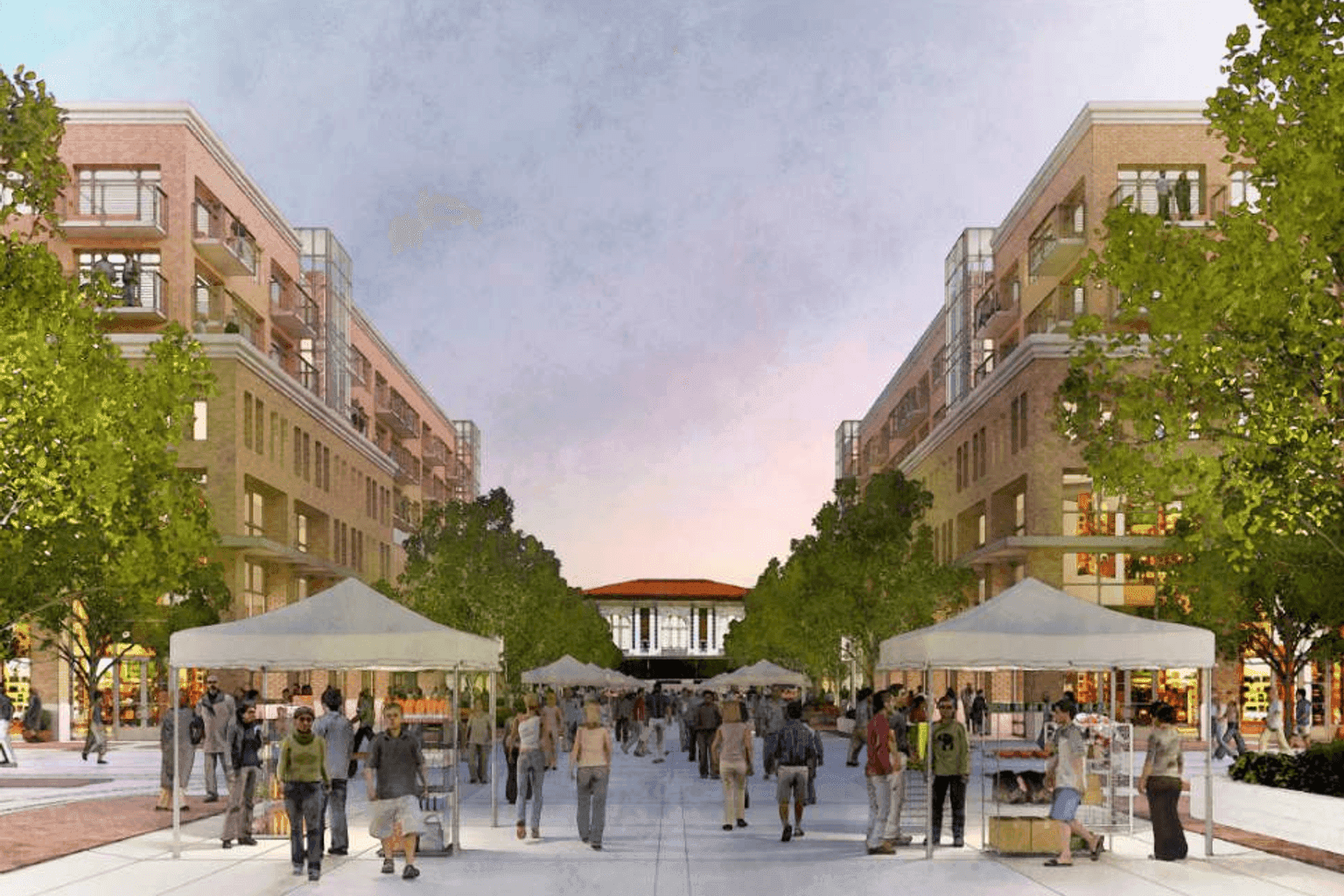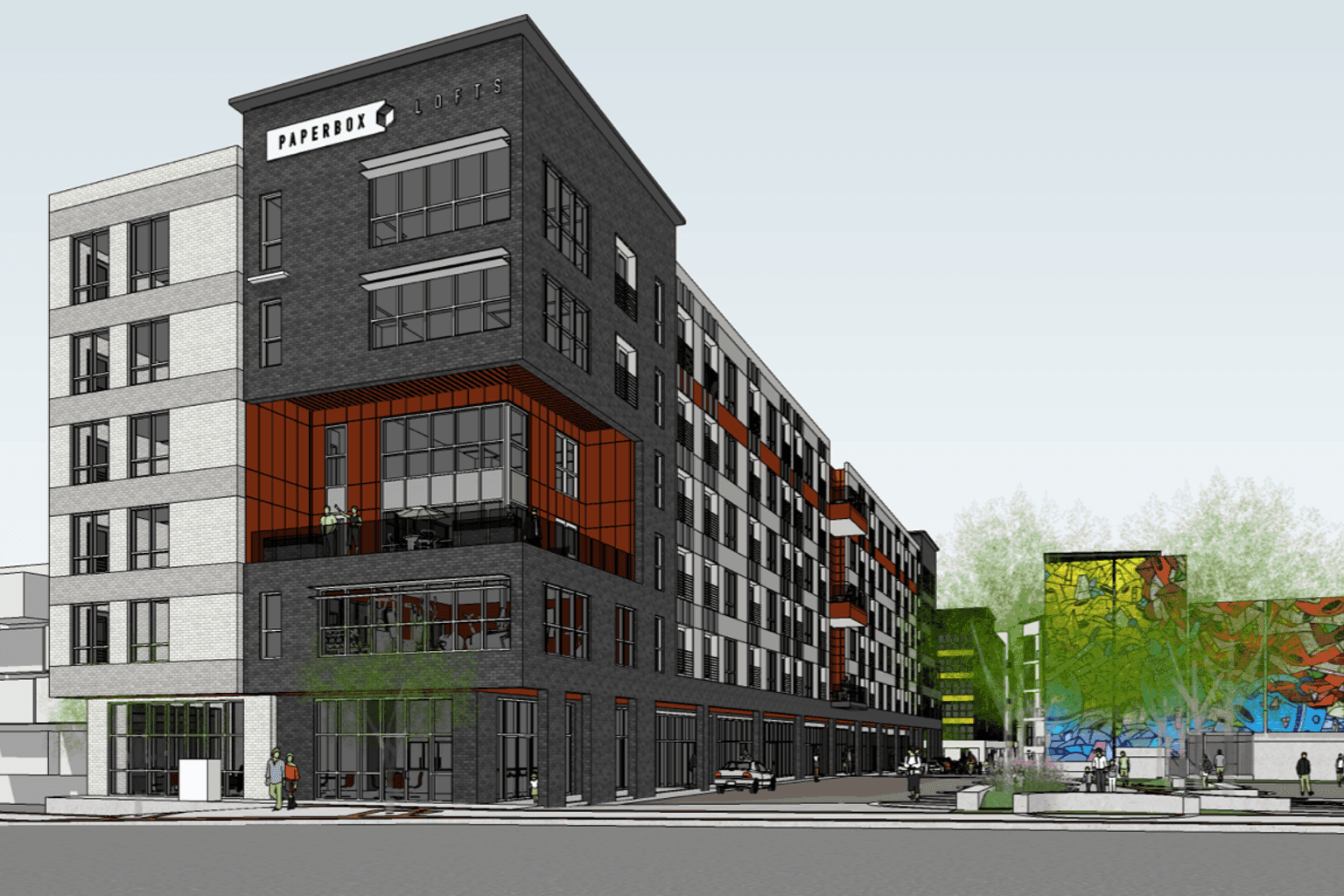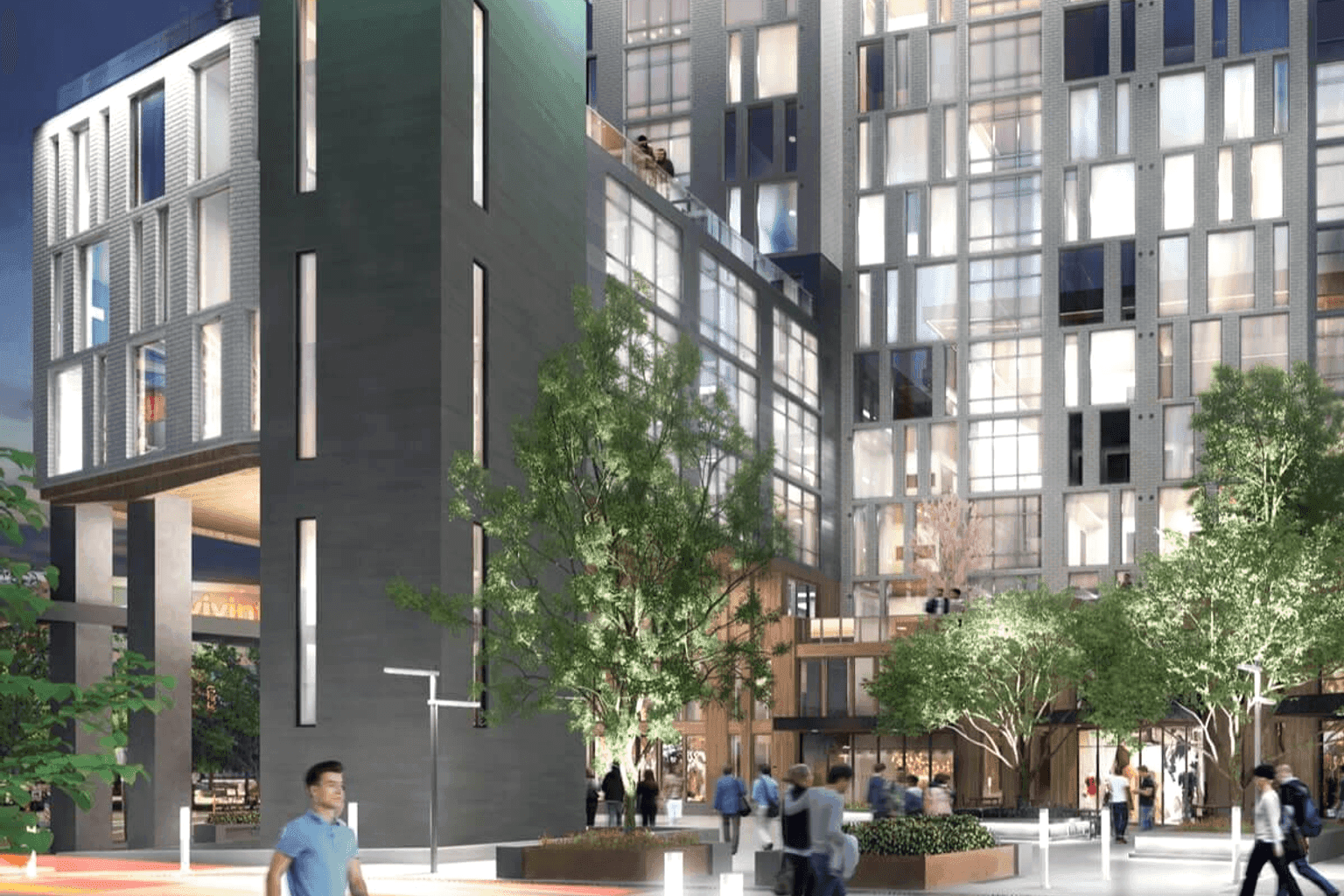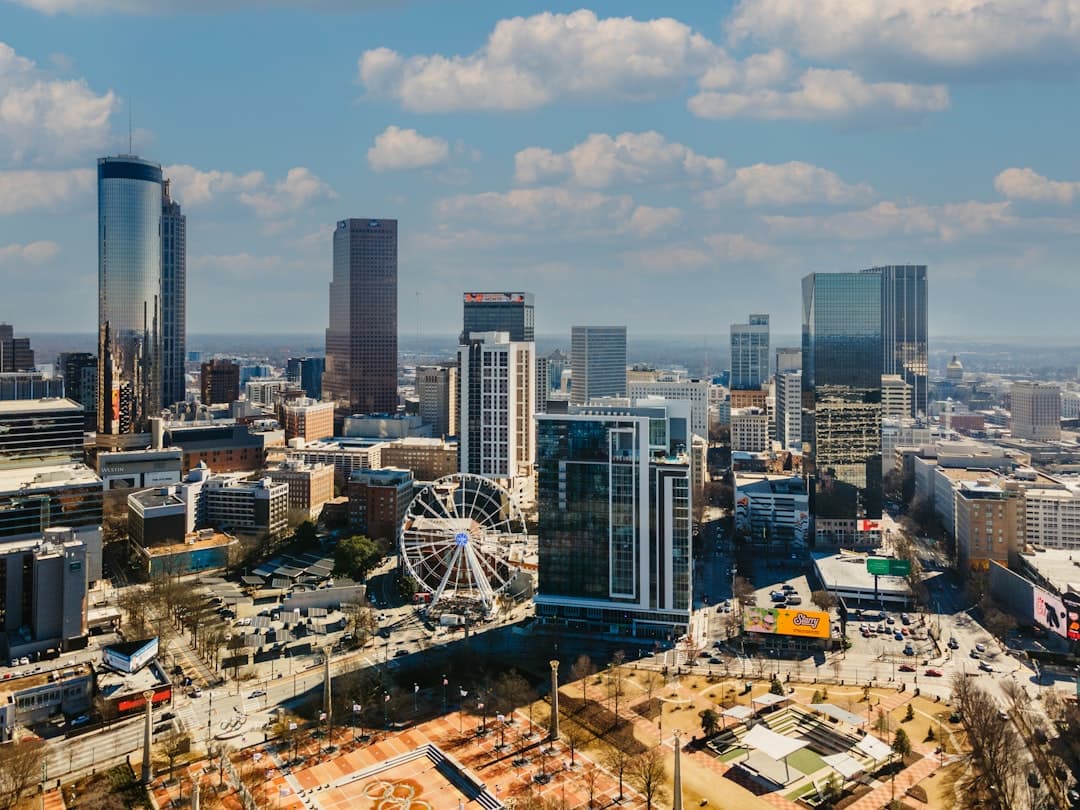
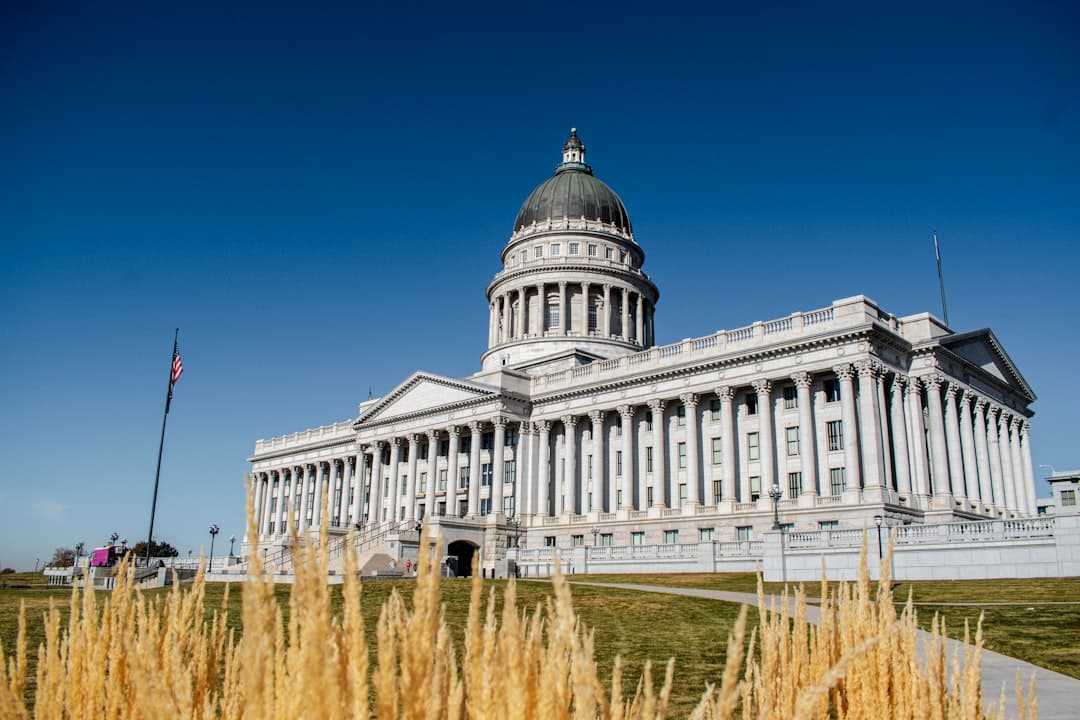
Salt Lake City, the vibrant capital of Utah, offers a unique blend of urban living and outdoor adventure, making it an ideal place to live and invest. Known for its stunning mountain backdrop and thriving cultural scene, the city is a growing business hub with a strong emphasis on technology and innovation.
Property Types
•apartments
•villas
•houses
Lifestyle & Amenities
•cultural attractions
•proximity to outdoor recreation
•family-friendly neighborhoods
•excellent healthcare facilities
Investment Potential
Salt Lake City properties offer great investment potential due to its robust economic growth, increasing rental demand, and ongoing infrastructure developments. The city's appeal to families, retirees, and professionals ensures a diverse and stable real estate market.
Frequently Asked Questions About Salt Lake City, United States
Get answers to common questions about buying property in Salt Lake City.
What are the legal requirements for international investors buying property in Salt Lake City?
International investors looking to buy property in Salt Lake City must comply with the Foreign Investment in Real Property Tax Act (FIRPTA). This U.S. regulation requires foreign buyers to pay a withholding tax, which is generally around 15% of the sales price. It's also crucial to work with a local real estate attorney who can guide you through the specific local legalities, including title searches and documentation. Additionally, setting up a U.S. bank account can be beneficial to manage transactions smoothly.
How does the property tax system work in Salt Lake City for international buyers?
In Salt Lake City, property taxes are based on the assessed value of the property, with the current rate averaging about 0.58% of the property value, as of 2023. For international buyers, it is essential to understand that taxes must be paid annually, and late payments can incur penalties. It's advisable to budget for these taxes as part of your overall investment strategy. Consulting with a local tax advisor can provide specific insights into any nuances that may affect foreign investors.
What are the most promising neighborhoods for investment in Salt Lake City?
Salt Lake City offers several promising neighborhoods for investors. Areas like Sugarhouse, The Avenues, and Downtown are popular for their mix of urban amenities and historical charm. Sugarhouse, in particular, has seen significant appreciation due to its trendy shops and vibrant community feel. The Avenues offers scenic views and proximity to healthcare and education centers, while Downtown is bustling with business and cultural activities, making it ideal for rental properties.
What is the average return on investment (ROI) for rental properties in Salt Lake City?
The average ROI for rental properties in Salt Lake City hovers around 5% to 8%, depending on location and property type. High demand for rentals driven by the city's growing job market and influx of new residents contributes to stable rental income. Investors should also consider factors such as property management costs and maintenance, which can impact the net yield. Engaging with a local real estate agent can provide deeper insights into maximizing ROI in specific neighborhoods.
How does Salt Lake City's lifestyle appeal to international buyers?
Salt Lake City offers a unique lifestyle blend that appeals to international buyers, featuring a mix of vibrant cultural scenes, outdoor recreation, and a family-friendly environment. The city's proximity to world-renowned ski resorts like Park City and natural wonders, such as the Great Salt Lake and nearby national parks, makes it a haven for outdoor enthusiasts. Additionally, its growing tech sector and educational institutions attract a diverse population, enhancing cultural experiences.
What financing options are available for international buyers in Salt Lake City?
International buyers in Salt Lake City can access financing through U.S. banks that offer foreign national mortgage programs. Typically, these require a larger down payment, often around 30% to 40%, and proof of income from outside the U.S. It's beneficial to connect with lenders experienced in handling international transactions. Additionally, maintaining a healthy credit profile in your home country can aid in securing favorable loan terms.
Are there any specific zoning laws that international investors should be aware of in Salt Lake City?
Yes, Salt Lake City has specific zoning laws that investors must consider, especially if planning to develop or renovate properties. Zoning categories dictate the kind of structures allowed and their use, such as residential, commercial, or mixed-use. It's crucial for international investors to consult with local zoning experts or the city's planning department to ensure compliance. This is particularly important for projects intending to change the property’s usage or structure significantly.
What are the typical maintenance costs associated with owning property in Salt Lake City?
Typical maintenance costs for owning property in Salt Lake City can range from 1% to 3% of the property's value annually. Factors influencing these costs include the property's age, location, and size. Properties in areas with harsh winters, for instance, may incur higher maintenance expenses due to necessary upkeep on heating systems and snow removal. Engaging a local property management company could help streamline maintenance operations and potentially reduce overall costs.
What transport options are available in Salt Lake City for residents commuting within and beyond the city?
Salt Lake City boasts a comprehensive public transport system, including the TRAX light rail, buses, and the FrontRunner commuter train, which connects to neighboring cities. The city's international airport offers extensive domestic and international flights, facilitating easy travel for global investors. Moreover, the city is highly walkable, and biking is encouraged with dedicated lanes, making daily commutes convenient and eco-friendly.
How does Salt Lake City's climate impact property investment decisions?
Salt Lake City's semi-arid climate, characterized by four distinct seasons, impacts property investment decisions. The winter months bring snow, affecting heating costs and requiring winterization of properties, particularly for investors not present year-round. Conversely, the city's sunny summers are appealing for those interested in outdoor activities, potentially enhancing rental appeal during these months. Understanding these seasonal impacts can assist investors in planning for maintenance and energy costs efficiently.