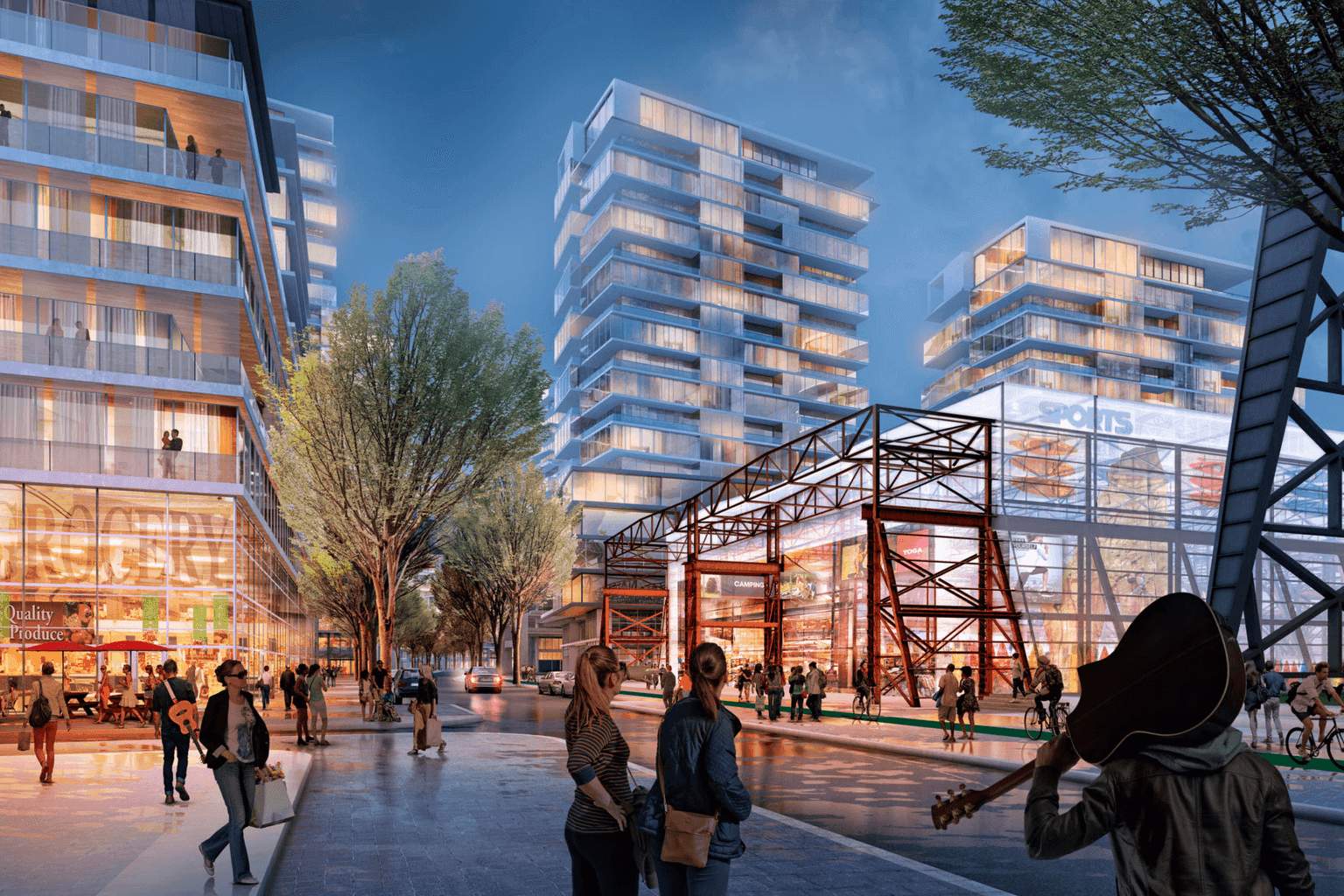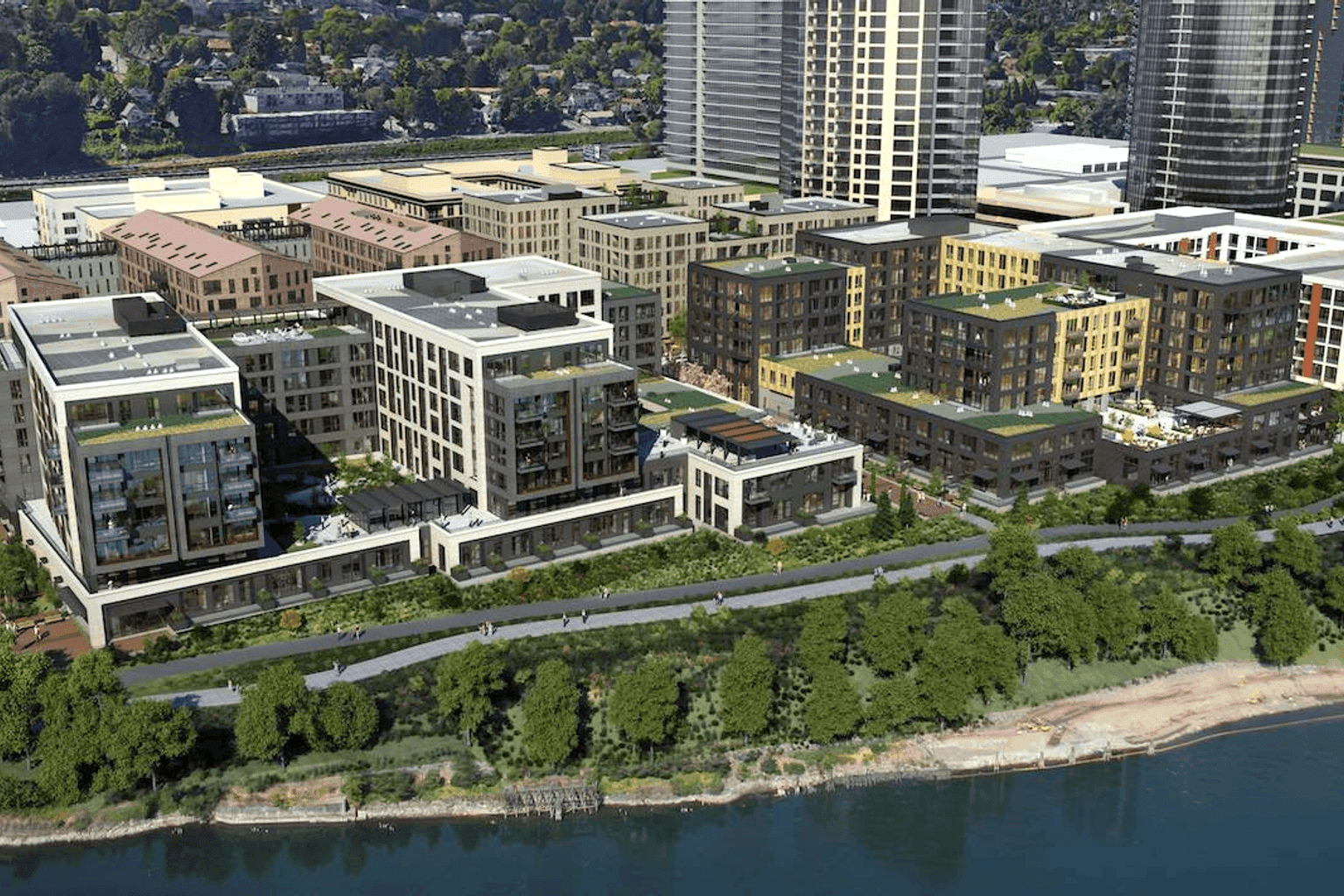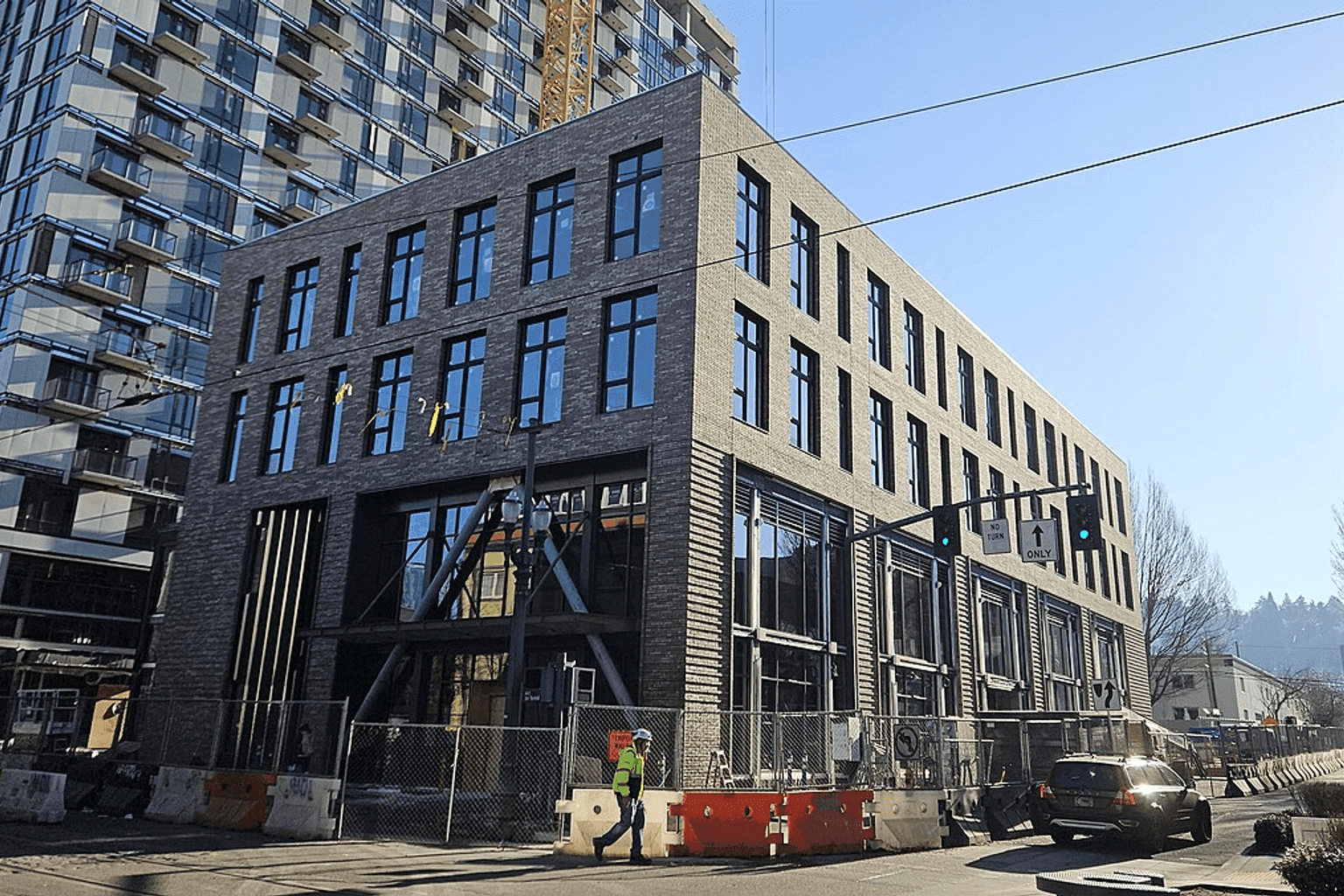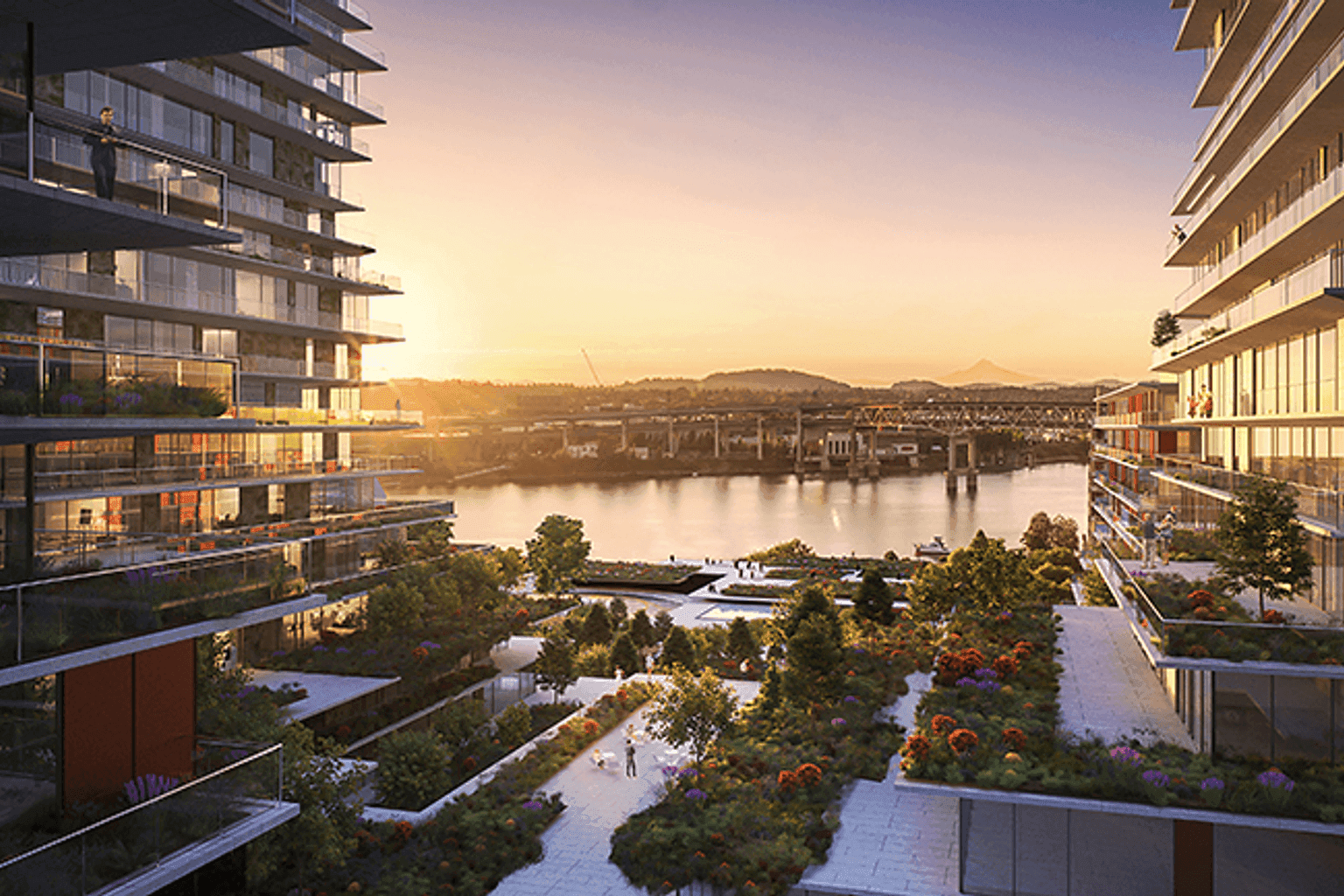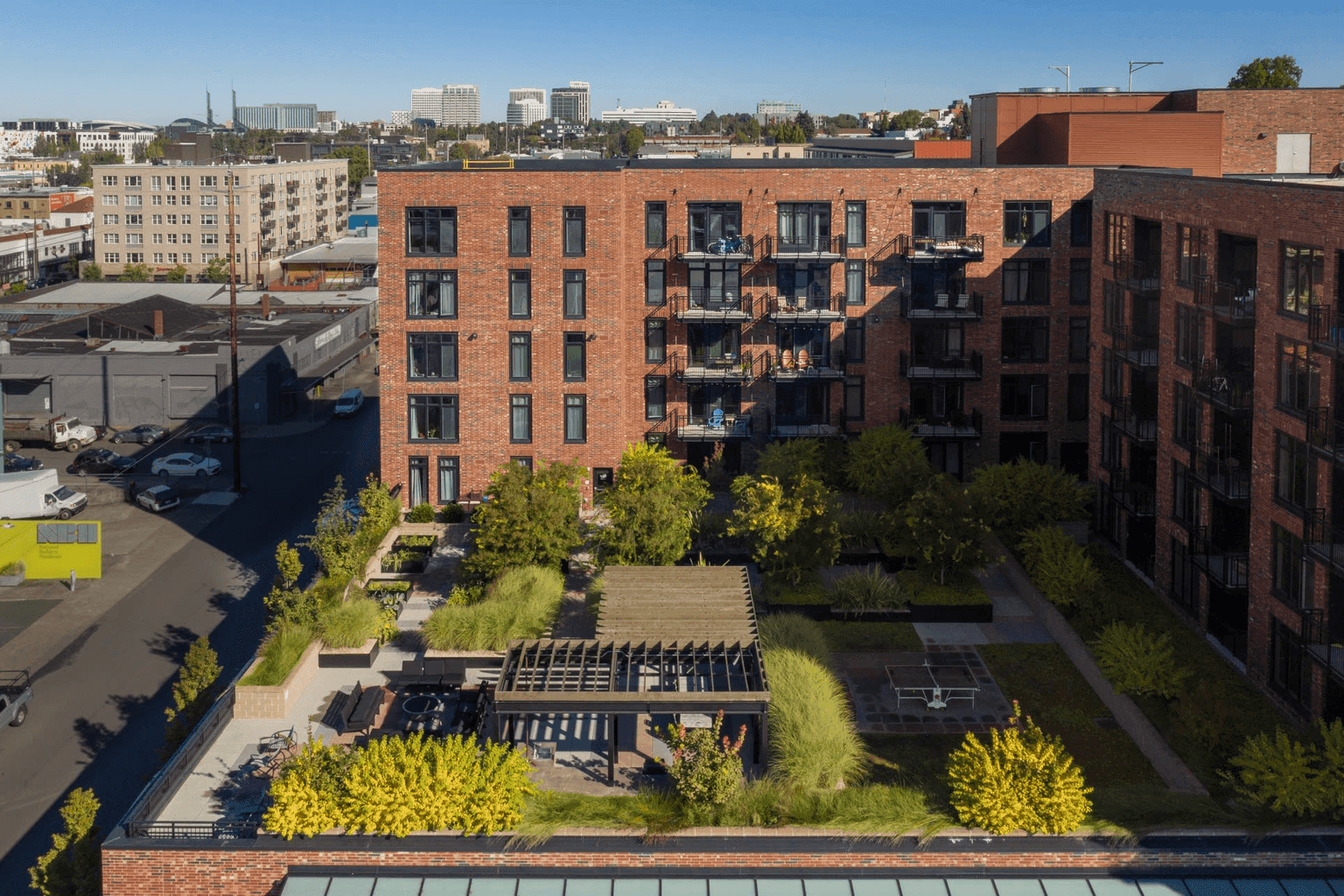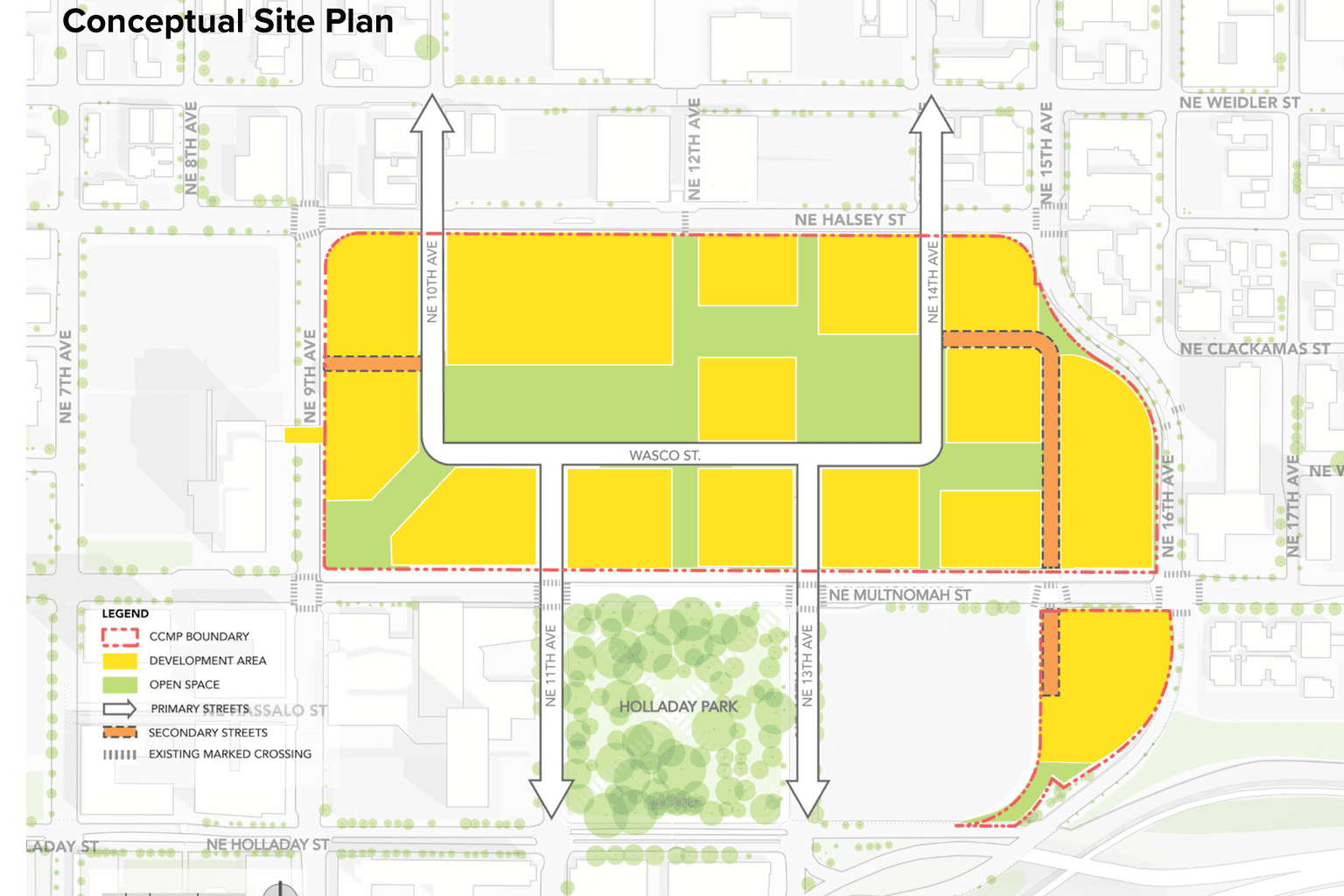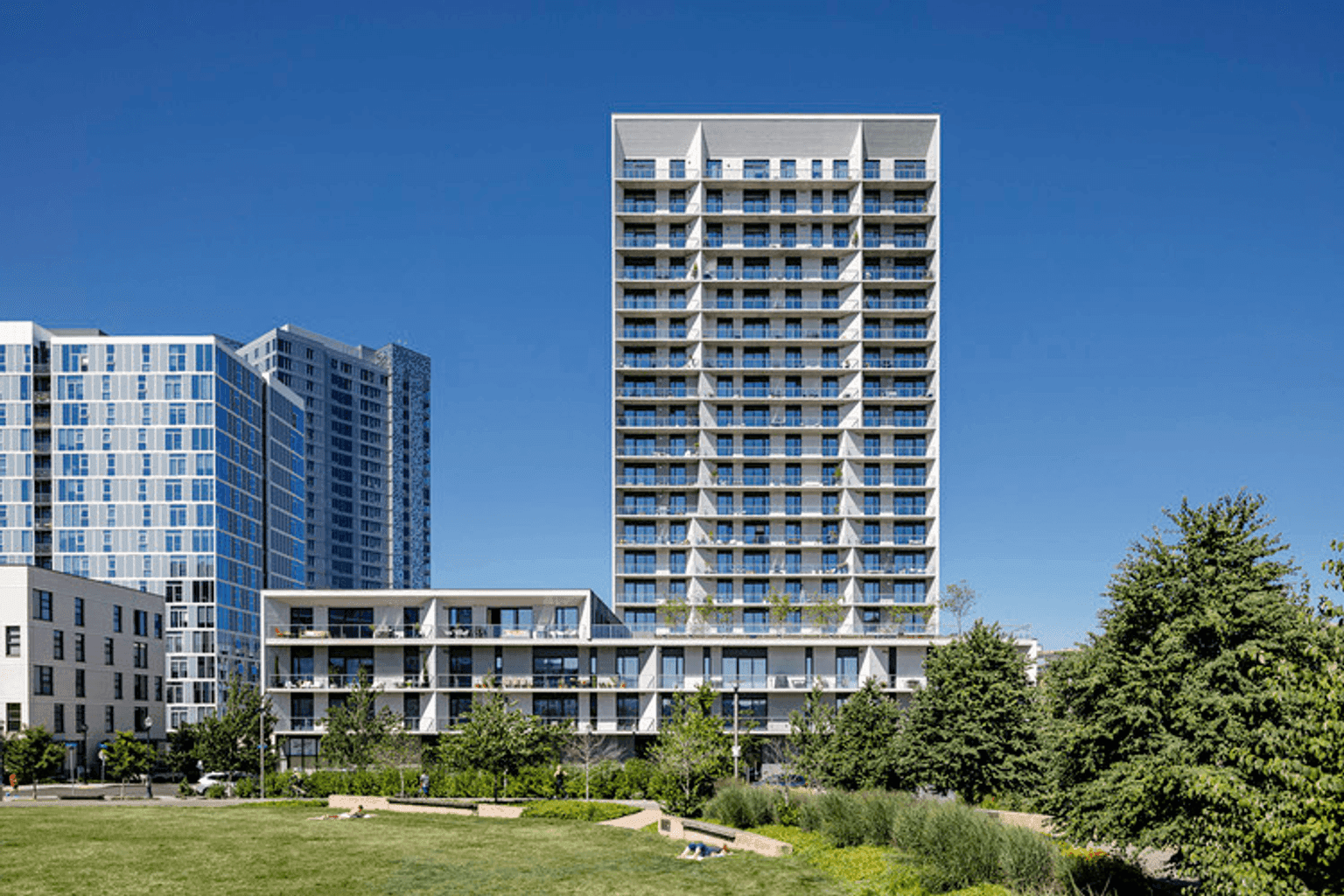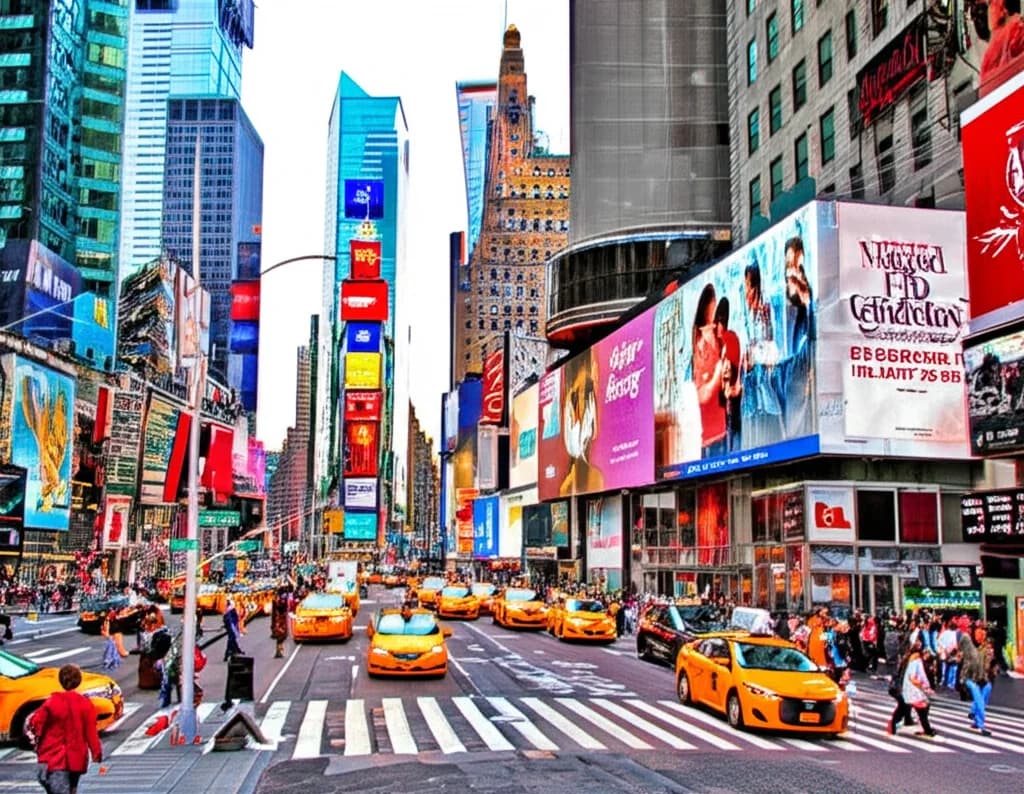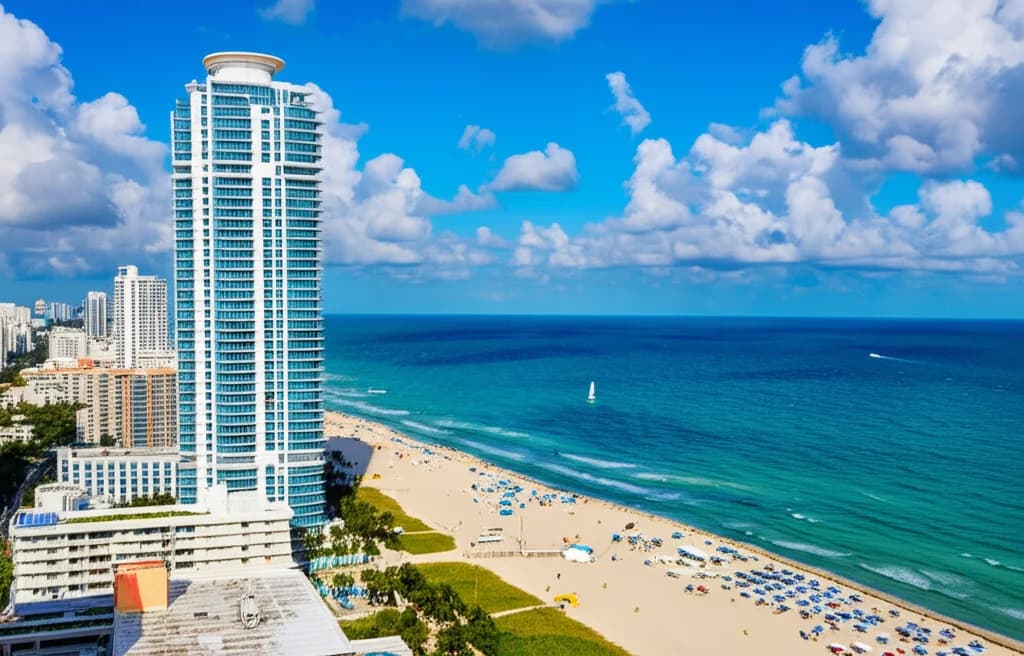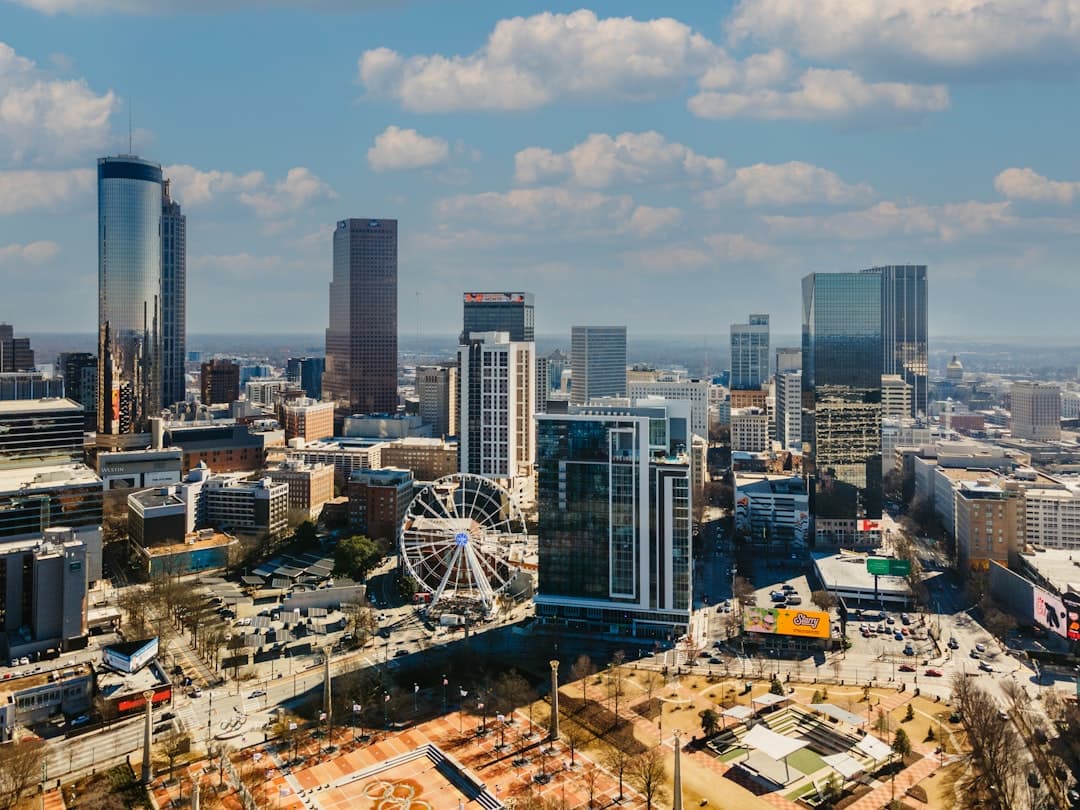

Portland, United States, known for its vibrant arts scene and eco-friendly initiatives, is a coastal city that blends modern urban living with natural beauty. As a cultural hub, it offers a dynamic lifestyle making it an ideal place to live and invest. Its diverse neighborhoods and strong community spirit attract a wide range of residents.
Property Types
•apartments
•villas
•houses
Lifestyle & Amenities
•thriving cultural scene
•extensive park systems
•renowned dining and nightlife
•excellent healthcare facilities
Investment Potential
Portland's real estate market is booming due to steady economic growth and high rental demand. With its strategic location and robust infrastructure, it offers lucrative opportunities for investors seeking long-term gains. The city's appeal to both tourists and new residents continues to drive property values upward.
Frequently Asked Questions About Portland, United States
Get answers to common questions about buying property in Portland.
What are the key factors driving the real estate market in Portland?
Portland's real estate market is influenced by its vibrant economy, growing tech industry, and high quality of life. The city is known for its diverse neighborhoods and commitment to sustainability, attracting professionals and families alike. With a population growth rate of approximately 1.5% annually, demand for housing remains strong. The city's urban planning policies promote walkability and public transportation, enhancing its appeal. Furthermore, Portland's commitment to green spaces and environmental initiatives make it a desirable place for those seeking a balance between urban and natural environments.
What legal considerations should international buyers be aware of when purchasing property in Portland?
International buyers in Portland must comply with U.S. real estate laws, which include the Foreign Investment in Real Property Tax Act (FIRPTA). FIRPTA requires a withholding tax on the sale of U.S. real estate by foreign persons. Additionally, it’s advisable to consult a local real estate attorney to navigate closing processes and ensure compliance with state and federal regulations. Portland does not impose special restrictions on foreign buyers, but understanding local zoning laws and property taxes is crucial. It's also important to consider potential visa implications if planning extended stays.
How does the cost of living in Portland compare to other major U.S. cities?
Portland is generally more affordable than cities like San Francisco, New York, and Los Angeles, though it remains one of the pricier markets in the Pacific Northwest. The cost of living index in Portland is around 130, with the national average being 100. While housing costs are significant, they are counterbalanced by lower transportation and healthcare expenses. The local economy benefits from a thriving tech sector, diverse job market, and no state sales tax, which can offset living costs for residents.
What investment opportunities does Portland offer to international real estate investors?
Portland presents diverse investment opportunities, from multi-family units in the bustling Pearl District to luxury condos overlooking the Willamette River. The city's emphasis on sustainability has led to a burgeoning market for eco-friendly developments. With a strong rental market driven by a growing population and limited housing supply, investors can find profitable ventures in both short-term rentals and long-term leases. The tech industry's expansion also boosts demand for commercial properties, offering another lucrative avenue for investment.
What lifestyle benefits can one expect from living in Portland?
Portland is renowned for its quality of life, characterized by its outdoor lifestyle, vibrant arts scene, and culinary excellence. Residents enjoy proximity to natural attractions like the Columbia River Gorge and Mount Hood. The city is a haven for food enthusiasts, offering a diverse range of restaurants and the famous food cart culture. Portland's bike-friendly infrastructure and extensive public transport options make commuting easy and sustainable. The city's cultural festivals and music scene further enhance its dynamic lifestyle.
How does Portland's public transportation system support its residents?
Portland boasts an efficient and eco-friendly public transportation system managed by TriMet, which includes buses, light rail, and commuter trains. The MAX Light Rail system connects downtown Portland to the airport and surrounding suburbs, offering a cost-effective alternative to driving. The city's investment in cycling infrastructure, such as bike lanes and paths, encourages cycling as a primary mode of transport. With the city's focus on reducing its carbon footprint, public transport provides a reliable, affordable option for daily commutes.
Are there specific neighborhoods in Portland that are particularly popular with international buyers?
International buyers often gravitate towards neighborhoods like the Pearl District, known for its upscale lofts and vibrant arts scene, and Nob Hill, with its blend of historic charm and boutique shopping. Alberta Arts District, renowned for its cultural diversity and artistic community, also attracts international interest. For those seeking a more suburban feel, neighborhoods like Eastmoreland and Sellwood offer family-friendly environments with excellent schools and community amenities.
What are the property tax implications for owning real estate in Portland?
Portland property taxes are based on assessed property values and the local tax rate, which averages about 1.1% of assessed value. Taxes fund essential services like schools, public safety, and infrastructure maintenance. It's important for international buyers to understand that property taxes can vary significantly by neighborhood and are subject to annual increases. Consulting with a local tax advisor can help navigate the complexities of property ownership and ensure compliance with local tax obligations.