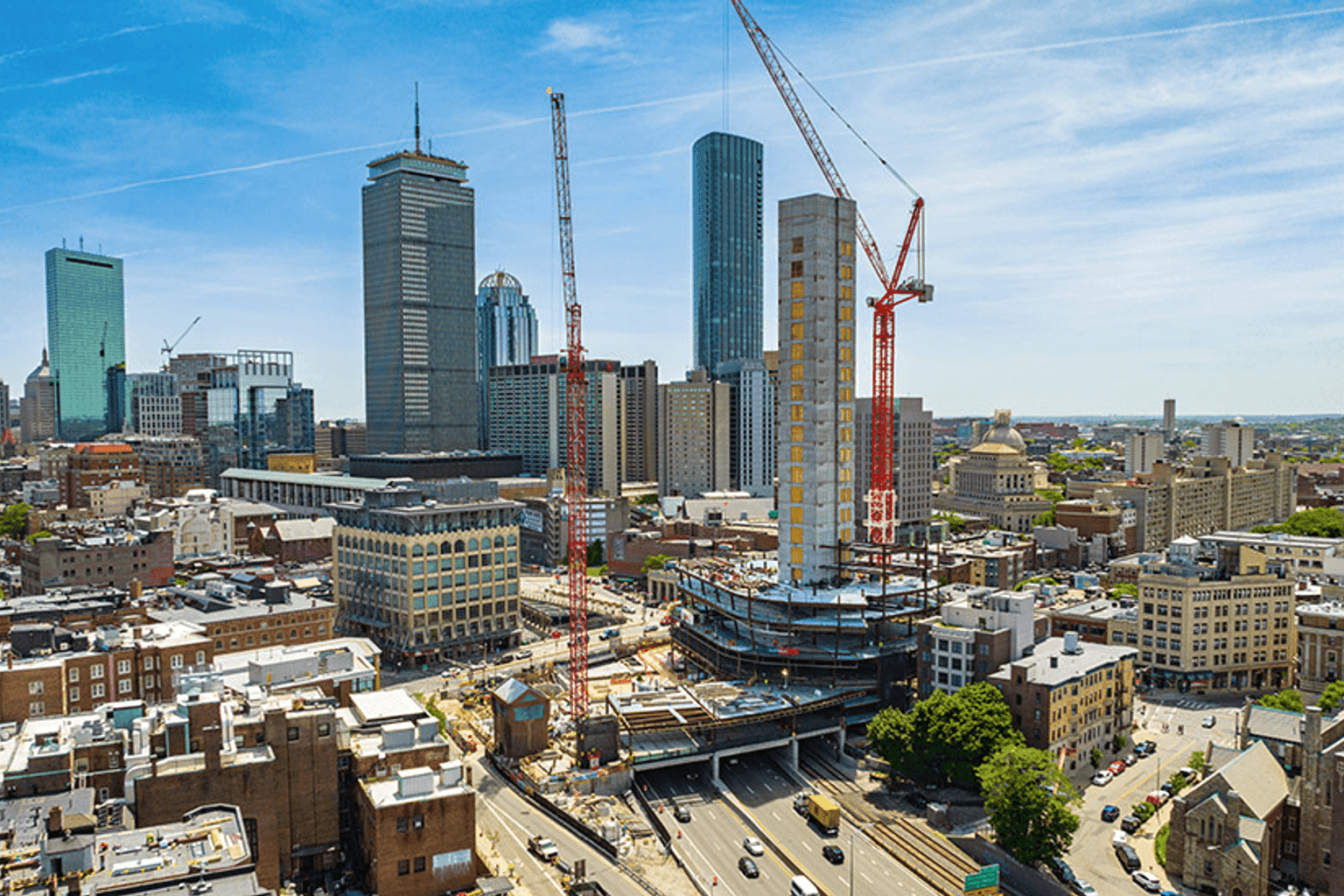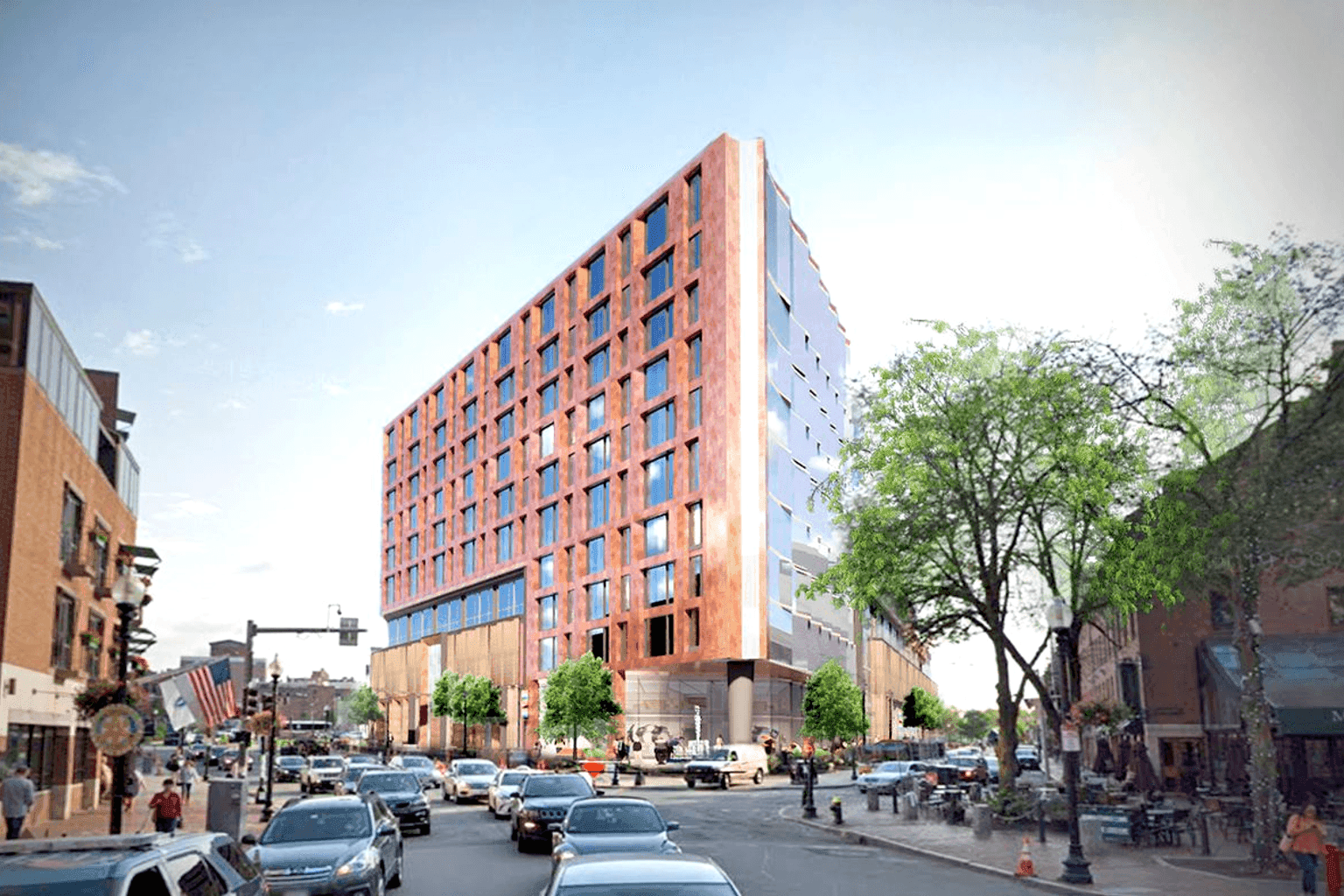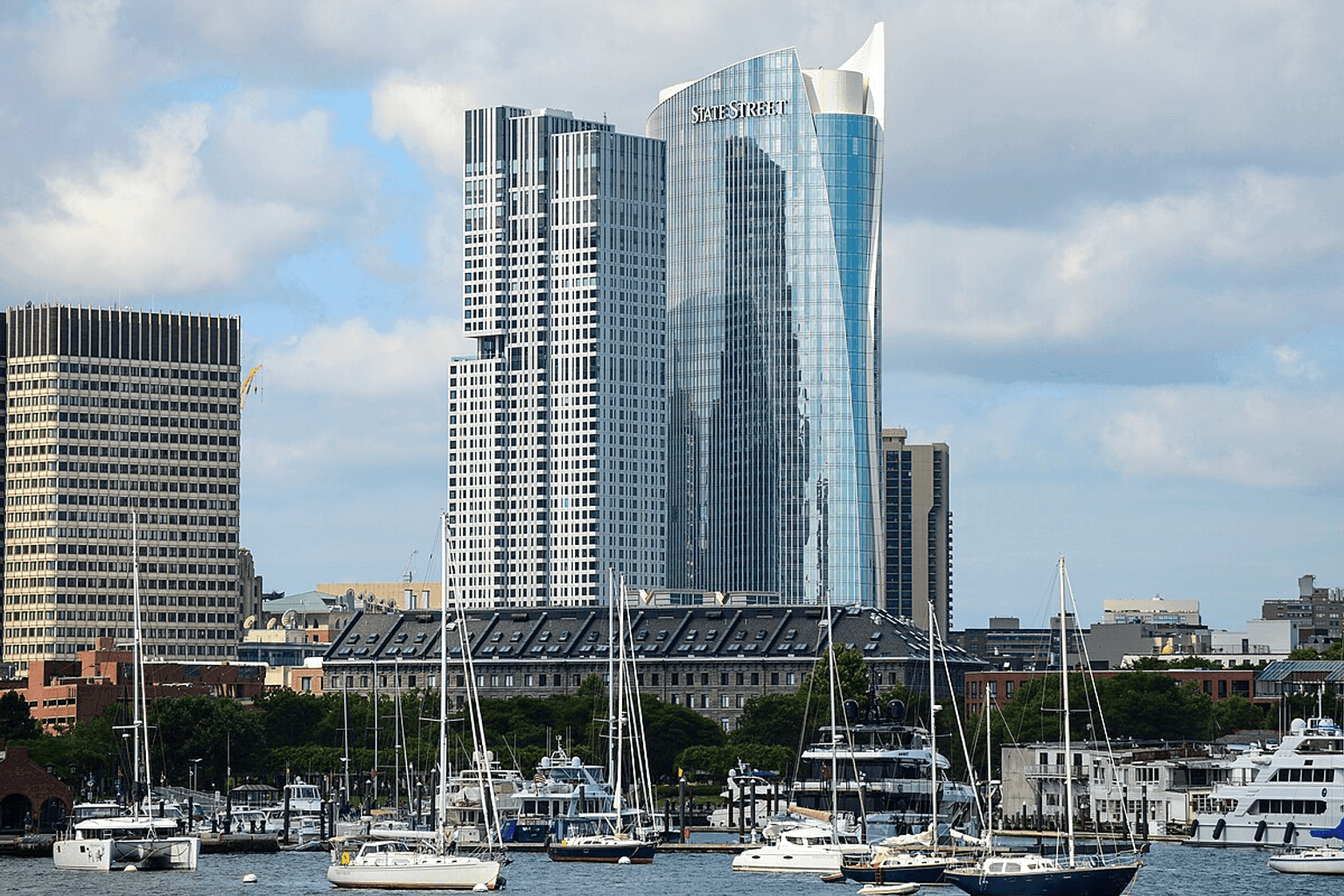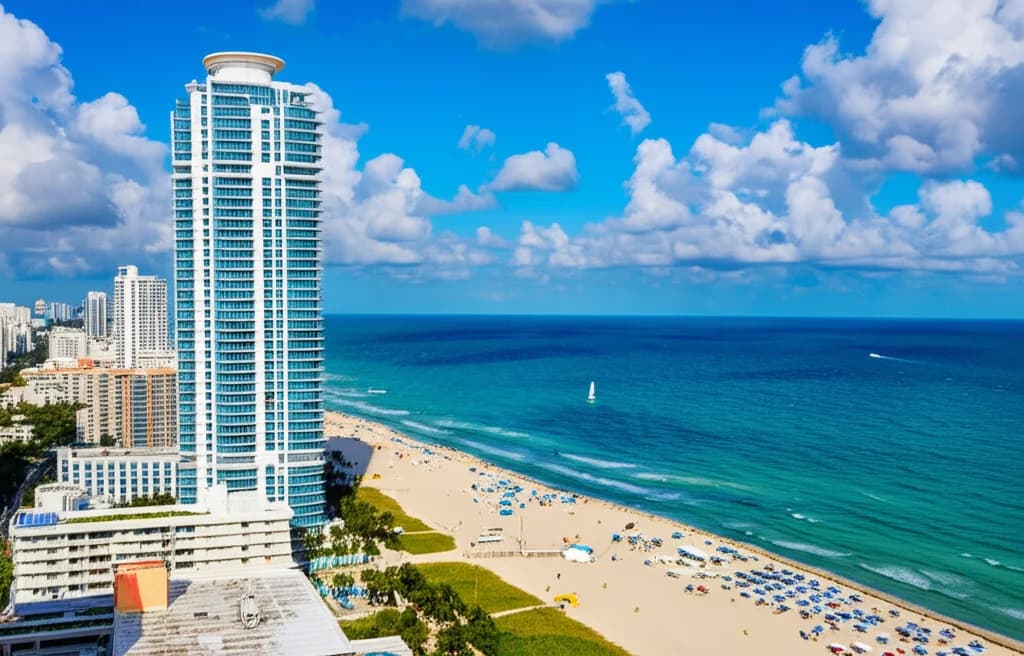

Boston, the vibrant capital of Massachusetts, is a coastal city renowned for its rich history and cultural significance. As a thriving business hub and cultural center, it offers a perfect blend of old-world charm and modern living, making it an ideal place for both living and investing.
Property Types
•apartments
•villas
•houses
Lifestyle & Amenities
•historic landmarks and museums
•diverse culinary scene and nightlife
•world-class universities and international schools
•proximity to beautiful New England beaches
Investment Potential
Boston's real estate market is highly attractive due to strong rental demand, consistent economic growth, and robust infrastructure development. Its appeal to expats, retirees, and investors makes it a prime destination for property investment.
Frequently Asked Questions About Boston, United States
Get answers to common questions about buying property in Boston.
What are the current property investment trends in Boston?
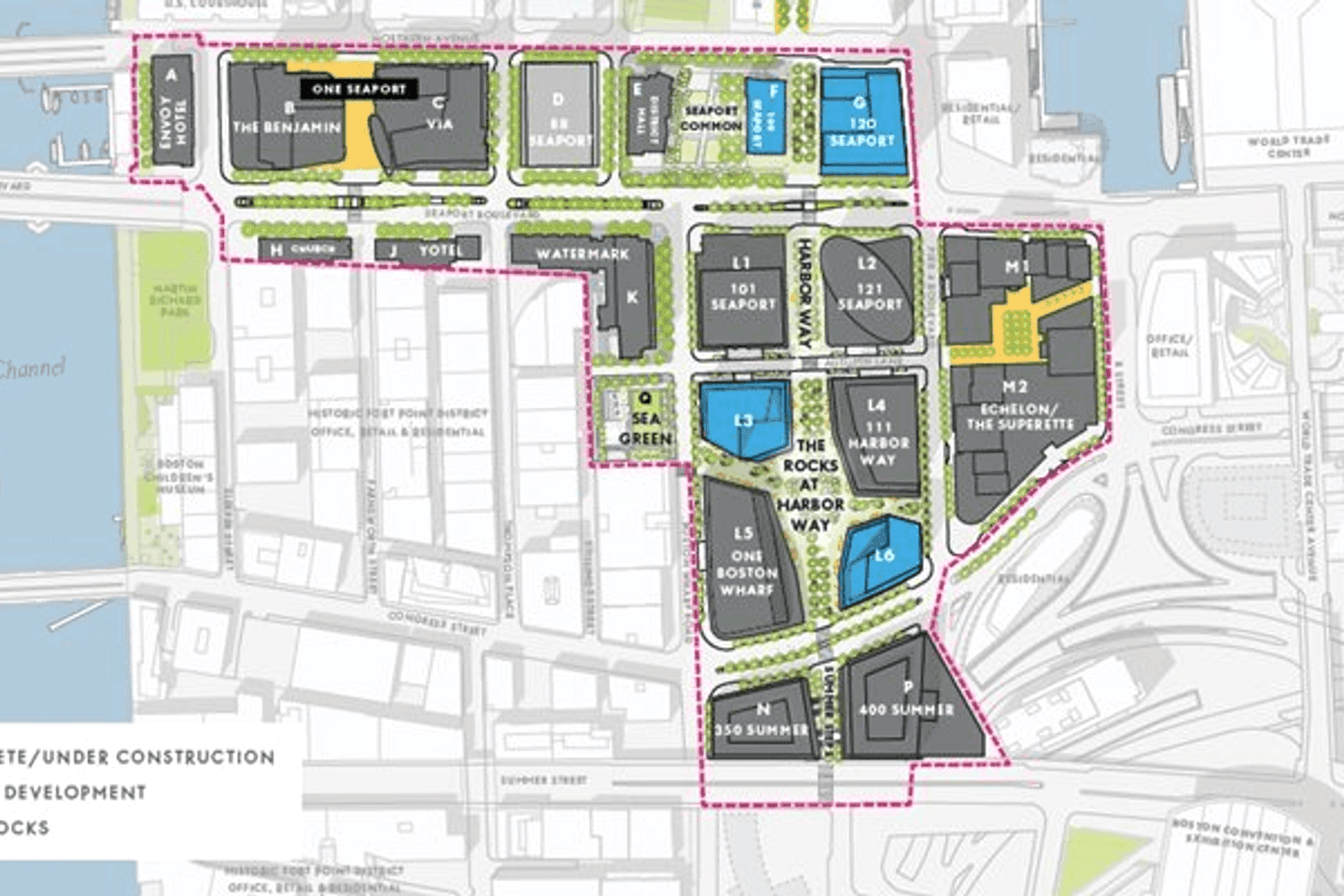
Boston's property market has shown resilience and growth, even amidst broader economic fluctuations. In recent years, there has been a notable demand for mixed-use developments and properties in neighborhoods like Seaport District and Fenway, driven by the expanding tech and biotech industries. The average property price in Boston has been trending upwards, with median home prices around $750,000 as of 2023. This makes the city a competitive market for investors looking to capitalize on appreciation and rental yields, especially in areas with a high density of students and professionals.
How does the property tax system work in Boston?
Boston has a property tax rate of approximately 1.2% of the assessed value of the property, which is relatively moderate compared to other major cities in the U.S. The city assesses properties annually, and taxes are due in quarterly installments. International buyers should be aware that the Massachusetts Department of Revenue may require non-resident property owners to file income tax returns if the property is rented out. Consulting with a local tax advisor who understands the intricacies of state and local taxes is advisable.
What is the legal process for international buyers purchasing property in Boston?
International buyers can purchase property in Boston without any restrictions. The process involves selecting a property, making an offer, and signing a Purchase and Sale Agreement. It's crucial to conduct a title search and work with a local real estate attorney to navigate U.S. laws and ensure due diligence. Closing typically takes 30-60 days. Financing is available to international buyers, but they may face higher interest rates and require a larger down payment, often around 30-40%.
What are the best neighborhoods in Boston for real estate investment?
Boston offers diverse investment opportunities across its neighborhoods. Back Bay and Beacon Hill are known for their historic charm and high property values. For growth potential, East Boston and Dorchester have been attracting interest due to ongoing developments and relatively lower prices. The South End is favored for its vibrant cultural scene and proximity to downtown, making it a solid choice for rental properties. Proximity to universities and business hubs is a key consideration for maximizing rental returns.
How can international investors finance a property purchase in Boston?
International investors have several financing options in Boston, including international banks with U.S. branches and specialty mortgage lenders. These lenders typically require a substantial down payment, often 30-40%, and proof of income, credit history, and other financial documents. It's beneficial to establish a U.S. bank account to facilitate transactions and financial management. Consulting with a mortgage broker who specializes in international clients can streamline the process and provide tailored financing solutions.
What lifestyle amenities should I expect from a property in Boston?
Boston properties, particularly in upscale areas like Back Bay and Seaport, often offer luxurious amenities such as 24-hour concierge services, fitness centers, and rooftop terraces. The city is renowned for its educational institutions, museums, and cultural diversity. Proximity to public parks like the Boston Common and Charles River Esplanade enhances the quality of life. Boston's efficient public transport system and walkability, especially in downtown areas, are additional lifestyle benefits for residents.
What is the rental market like in Boston?
The rental market in Boston is robust, driven by its large student population and thriving job market. Average rental prices vary, with one-bedroom apartments in neighborhoods like Cambridge and South End typically exceeding $2,500 per month. High demand in areas close to universities and business districts ensures a strong occupancy rate. Investment in rental properties can yield attractive returns, though investors should be aware of local regulations regarding tenant rights and rent control practices.
How is the public transportation system in Boston impacting real estate values?
Boston's public transportation system, operated by the MBTA, is one of the oldest in the U.S. and plays a significant role in real estate values. Properties located near subway (T) stations, especially on the Red and Green Lines, are in high demand due to ease of access to downtown and major employment centers. This accessibility can lead to increased property values and rental demand, making transit-proximate properties a smart investment choice. Enhancements to transportation infrastructure continue to positively impact property markets across the city.
Are there any unique considerations for historic property purchases in Boston?
Boston's rich history means many properties hold historical significance, especially in areas like Beacon Hill and North End. Purchasing a historic property may involve additional considerations, such as compliance with preservation guidelines and potential eligibility for tax incentives or grants for restoration. Buyers should factor in the cost of maintaining historical features and may need permission from local historic commissions for renovations. Collaborating with a real estate agent experienced in historic properties is crucial to navigate these unique challenges effectively.