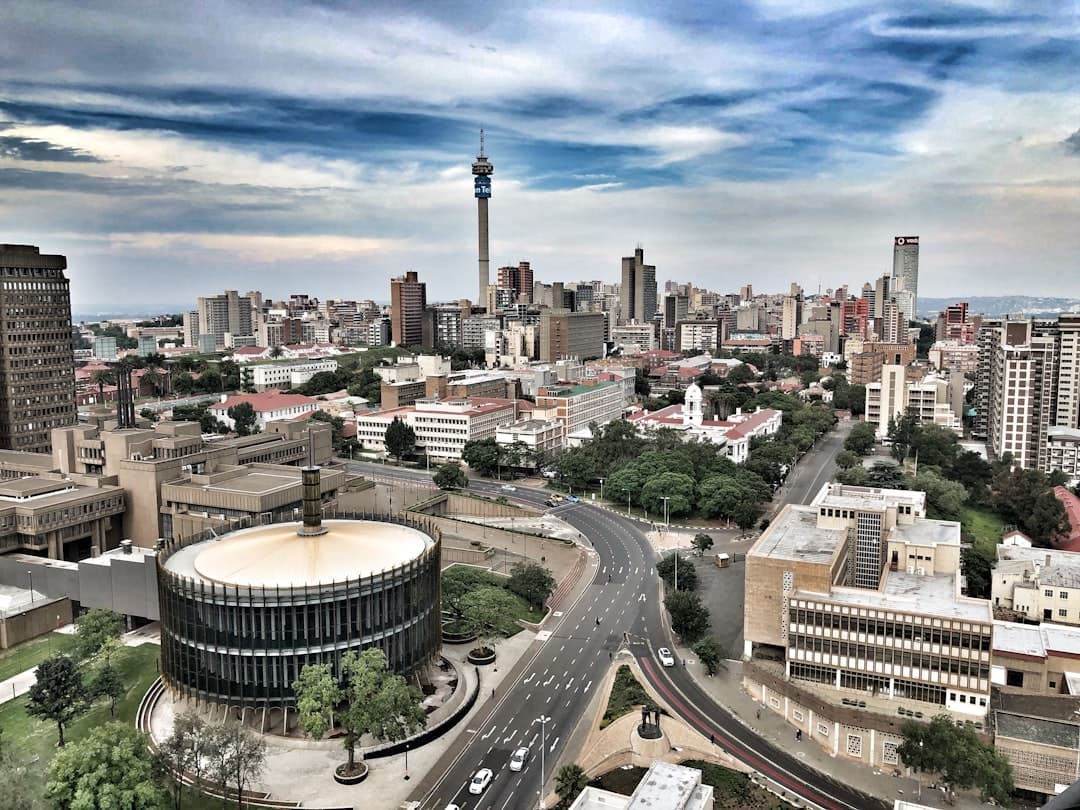
Johannesburg, South Africa's bustling business hub, offers a vibrant mix of culture and commerce, making it an ideal destination for living and investing. Known as the 'City of Gold', it's a thriving metropolis characterized by its dynamic economy, diverse culture, and rich history.
Property Types
•apartments
•villas
•houses
Lifestyle & Amenities
•vibrant culture and nightlife
•world-class international schools
•excellent healthcare facilities
•pleasant climate with sunny days
Investment Potential
Johannesburg's real estate market is buoyed by strong rental demand and ongoing economic growth, making it a prime location for property investment. With robust infrastructure developments and a steady influx of tourists and expatriates, investing in Johannesburg properties promises significant returns.
Frequently Asked Questions About Johannesburg, South Africa
Get answers to common questions about buying property in Johannesburg.
What are the legal requirements for foreign investors purchasing property in Johannesburg?
Foreign investors can purchase property in Johannesburg without restrictions, as South Africa has no laws preventing non-residents from owning property. However, it is essential to comply with the financial regulations, which include registering the purchase with the South African Reserve Bank if financing the property externally. Additionally, funds for the purchase must come through recognized financial institutions. It’s advised to consult a local attorney to ensure all legal and compliance factors are correctly managed.
What is the current property market trend in Johannesburg?
Johannesburg's property market has shown resilience despite global uncertainties. While the market experienced a dip during the COVID-19 pandemic, there has been a gradual recovery. As of 2023, the average price for residential properties is increasing, especially in well-established suburbs like Sandton and Rosebank, indicating strong demand. The city's economic hubs are driving investment opportunities, making it a favorable market for both local and international buyers.
What are the taxation implications for non-residents owning property in Johannesburg?
Non-residents are subject to the same property-related taxes as locals, including transfer duty, municipal rates, and taxes on rental income if applicable. Transfer duty is calculated on a sliding scale, with no duty payable on properties below ZAR 1,000,000. Non-resident owners must file a South African tax return if they earn rental income and may be subject to Capital Gains Tax upon selling the property. Consulting a local tax advisor is recommended for tailored advice.
How does the cost of living in Johannesburg compare to other major cities?
Johannesburg offers a relatively low cost of living compared to many global cities. While housing and utilities are significant expenses, they are generally more affordable than in cities like London or New York. The city provides a range of lifestyle options, from luxurious living in affluent suburbs to more budget-friendly areas. Overall, Johannesburg offers a significant value proposition for both living and investment.
What lifestyle amenities does Johannesburg offer for expatriates?
Johannesburg is a cosmopolitan city with a vibrant mix of cultures and activities that cater to expatriates. The city boasts world-class dining, shopping, and entertainment, with popular areas like Melrose Arch and the Maboneng Precinct. There are excellent international schools, healthcare facilities, and recreational options, including golf courses, parks, and a thriving arts scene. Johannesburg is also a gateway to South Africa's natural attractions, offering a balanced urban and outdoor lifestyle.
Is it safe to invest in property in Johannesburg?
Like many large cities, Johannesburg has areas that are safer than others. Investment in well-established suburbs such as Sandton, Rosebank, and Fourways is generally considered safe. These areas are also known for their strong security measures, including gated communities and private security services. Conducting thorough research and working with reputable real estate agents can mitigate risks and ensure a safe investment environment.
What are the typical returns on investment for rental properties in Johannesburg?
Rental yields in Johannesburg can vary significantly depending on the location and property type. On average, rental properties in high-demand areas like Sandton or Bryanston can yield returns of 6-8%. However, properties in central business districts might offer higher yields due to their proximity to workplaces and amenities. The city's robust rental market is fueled by a mix of local residents and expatriates, making it an attractive option for investors seeking rental income.
How can international buyers finance a property purchase in Johannesburg?
International buyers have several options for financing property purchases in Johannesburg. While South African banks provide mortgages to non-residents, they typically require a deposit of 50% or more. It's advisable to secure pre-approval before searching for properties. Alternatively, buyers can finance through equity in properties owned in their home country. Consulting with a mortgage broker familiar with non-resident financing can provide valuable guidance.
What are the growth prospects for Johannesburg's real estate market?
Johannesburg's real estate market has promising growth prospects, driven by its position as South Africa's economic powerhouse. The city is undergoing significant infrastructure development, including the revitalization of urban areas and improved transportation networks. These developments are likely to boost property values in the long term. Investors can expect continued demand in both residential and commercial sectors, especially in areas with easy access to business districts and amenities.