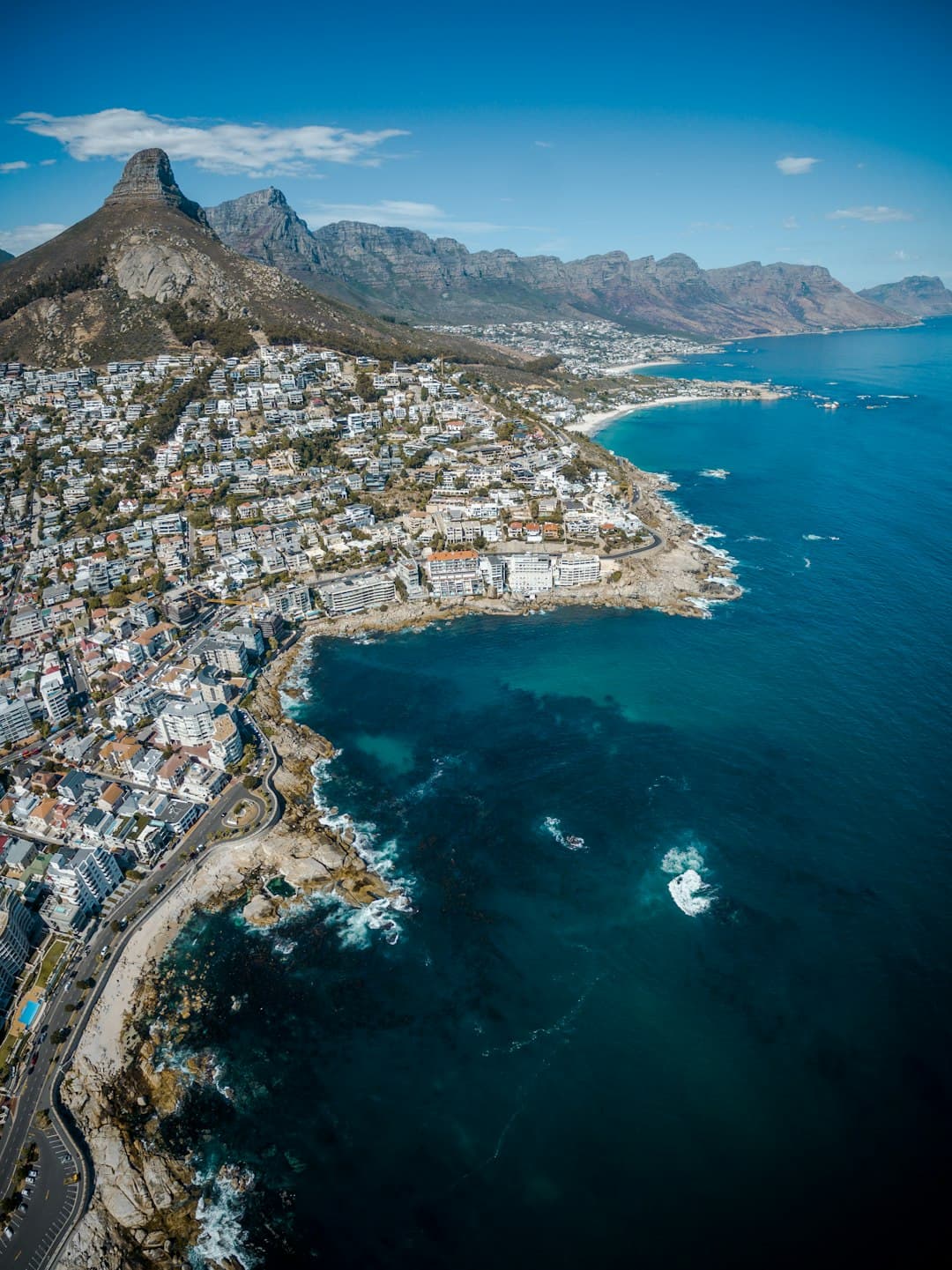
Cape Town, the jewel of South Africa, offers a unique blend of natural beauty, vibrant culture, and economic opportunity. As a coastal city, it's not only a capital of business innovation and cultural richness but also a stunning place to live and invest.
Property Types
•apartments
•villas
•houses
Lifestyle & Amenities
•pristine beaches
•rich cultural scene
•dynamic nightlife
•top international schools
Investment Potential
Cape Town's real estate market is booming, driven by high rental demand, a thriving tourism industry, and continuous economic growth. Its robust infrastructure makes it a prime choice for both local and international investors looking to buy property in Cape Town.
Frequently Asked Questions About Cape Town, South Africa
Get answers to common questions about buying property in Cape Town.
What are the legal requirements for foreign nationals purchasing property in Cape Town?
Foreign nationals can purchase property in Cape Town without restrictions, but there are legal procedures to follow. The South African property market is open to international buyers, but you must comply with the Exchange Control Regulations of the South African Reserve Bank. This includes registering the property purchase as a non-resident acquisition with a South African bank. Additionally, legal representation from a South African conveyancer is required to handle the conveyancing process, ensuring the transaction adheres to local laws. It's recommended to seek legal advice to understand the implications of property ownership, tax obligations, and any potential changes in legislation.
What is the investment potential of Cape Town's real estate market?
Cape Town is regarded as a prime location for real estate investment due to its robust tourism industry, diverse economy, and attractive lifestyle offerings. Property values in Cape Town have shown consistent growth over the past decade, with popular areas like the V&A Waterfront and Camps Bay seeing significant appreciation. Despite economic fluctuations, Cape Town remains a top destination for both local and international investors, offering opportunities in luxury real estate and rental properties. With 400 properties currently available, buyers can find everything from high-end beachfront homes to urban apartments.
How does the property tax system work in Cape Town for international buyers?
In Cape Town, property tax is known as 'rates,' and it is applicable to all property owners, including international buyers. The rates are based on the municipal valuation of your property and are used to fund local services. The valuation is reassessed periodically, and rates can vary depending on location and property type. Additionally, foreign buyers should be aware of transfer duty, a tax levied on property purchases, which is calculated based on a sliding scale related to the property's value. Engaging a local tax advisor is essential to navigate these responsibilities and maximize financial efficiency.
What are the living conditions in Cape Town for expatriates?
Cape Town offers a high quality of life for expatriates, with a blend of natural beauty, cultural diversity, and modern amenities. The city ranks well in quality of life indices due to its picturesque surroundings, vibrant arts scene, and lifestyle opportunities. Expats will find a wide range of international schools, healthcare facilities, and recreational options. However, it's important to consider factors such as safety and security, as certain areas can be prone to crime. Generally, neighborhoods like City Bowl, Sea Point, and Constantia are preferred by expatriates for their safety and convenience.
What financing options are available for international property buyers in Cape Town?
International buyers can finance property purchases in Cape Town through a variety of options. South African banks offer mortgage loans to non-residents, typically covering up to 50% of the property's purchase price. To qualify, buyers must provide proof of income, creditworthiness, and adhere to the South African Reserve Bank's exchange control regulations. Working with a financial advisor familiar with South African real estate can help navigate these options and facilitate a smoother transaction process.
How does the rental market in Cape Town perform throughout the year?
Cape Town's rental market is dynamic, driven by its status as a tourist and business hub. The demand for short-term rentals spikes during the summer months (December to February), making it an ideal time for investors targeting the tourist market. Long-term rentals, especially in high-demand areas like the CBD and Atlantic Seaboard, maintain steady demand year-round, supported by the city's growing expatriate community and students. Rental yields can vary, but properties in sought-after locations offer favorable returns. Staying informed on market trends and occupancy rates is crucial for maximizing rental income.
What are the best areas in Cape Town for property investment?
Cape Town offers a range of areas ideal for property investment, each with unique characteristics. The Atlantic Seaboard, including neighborhoods like Camps Bay and Clifton, is known for luxury properties and high appreciation rates. The City Bowl and Woodstock provide urban living with proximity to business hubs and cultural landmarks, attracting young professionals and creative industries. Families often prefer the southern suburbs, such as Constantia and Newlands, for their schools and family-friendly environment. Each area offers distinct opportunities, so align your investment goals with the neighborhood's offerings to maximize potential returns.
How does the exchange rate impact property purchases in Cape Town for international buyers?
The exchange rate can significantly impact property purchases in Cape Town for international buyers, as the South African Rand (ZAR) can fluctuate against major currencies like the US Dollar (USD), Euro (EUR), and British Pound (GBP). A weaker Rand can make property more affordable for foreign investors, while a stronger Rand might increase costs. Keeping an eye on market trends and exchange rates is crucial, and some buyers choose to hedge against currency risk through financial instruments. Consulting with a financial advisor or using a currency exchange specialist can help mitigate risks associated with currency fluctuations.
Are there any restrictions on renting out properties in Cape Town for short-term stays?
In Cape Town, short-term rentals, often facilitated through platforms like Airbnb, are popular and generally permissible. However, there are regulations governing short-term letting, particularly in residential areas. The city requires hosts to register their properties and adhere to zoning laws, ensuring residential properties are in areas zoned for short-term letting. Some body corporates or homeowner associations may impose additional rules or restrictions. It's advisable to consult with a property lawyer or management company to navigate these regulations and ensure compliance while maximizing rental income potential.