
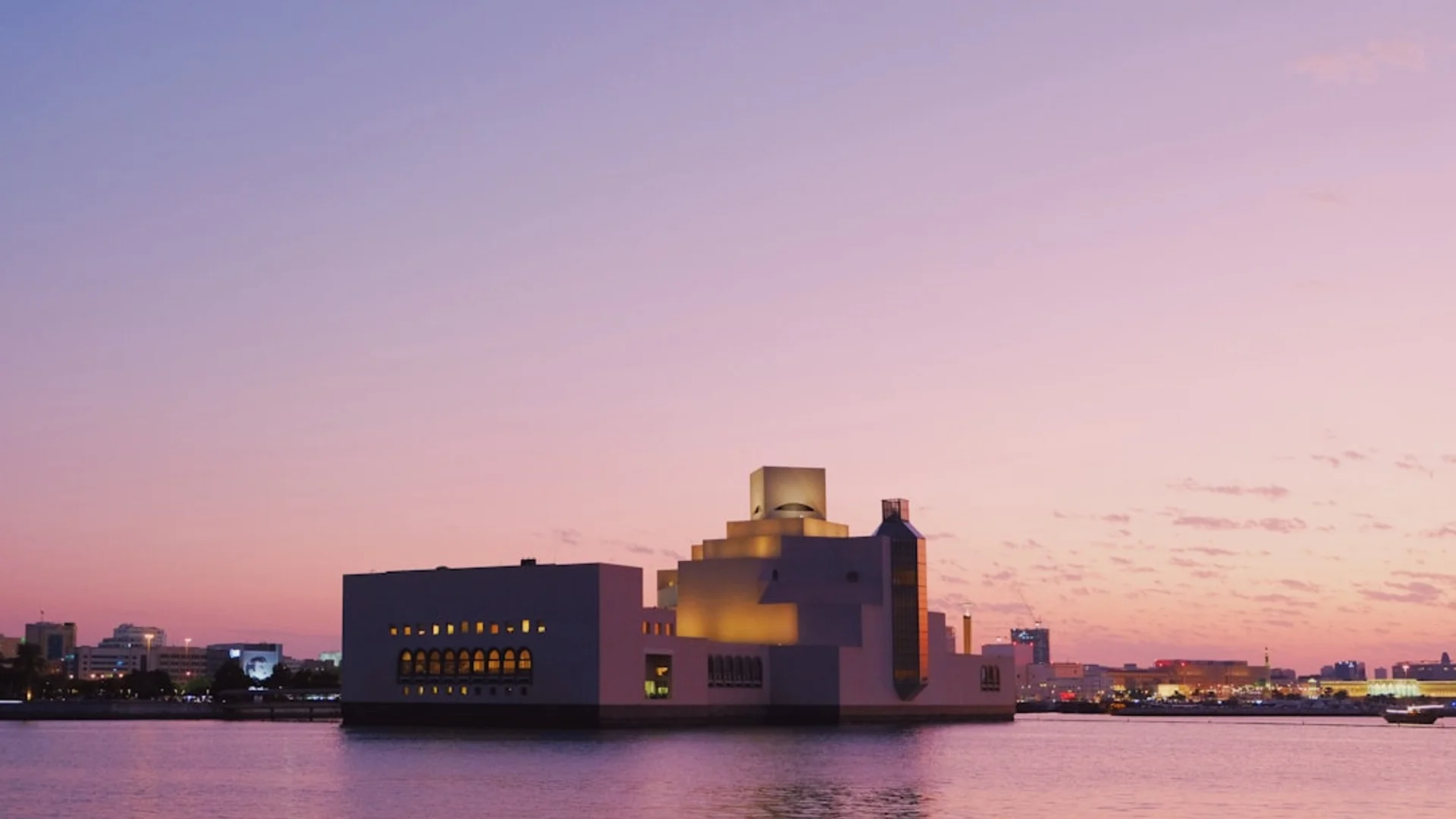
Buy Property in Doha
3+ Homes in Doha, Qatar
Discover premium real estate opportunities in one of Qatar's most sought-after locations.

The Pearl-Qatar
QAR 35,000,000

Gewan Island (Crystal Residence)
QAR 1,750,000
€26,515.152/m²
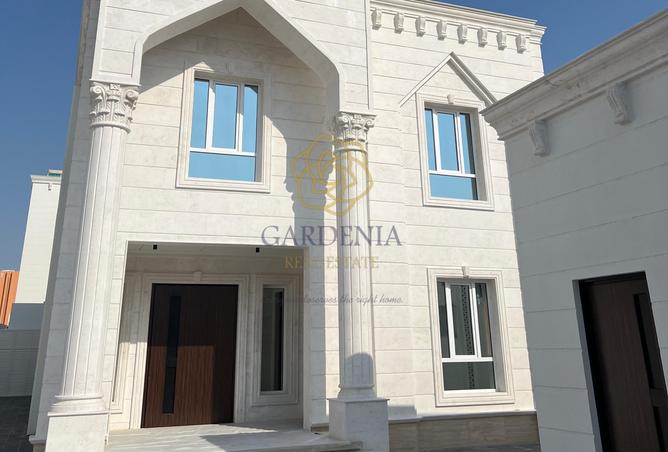
VILLAS FOR SALE IN AIN KHALED VILLAS
Key Features:

Exclusive Townhouses Investment | With 7 Year PP
Key Features:
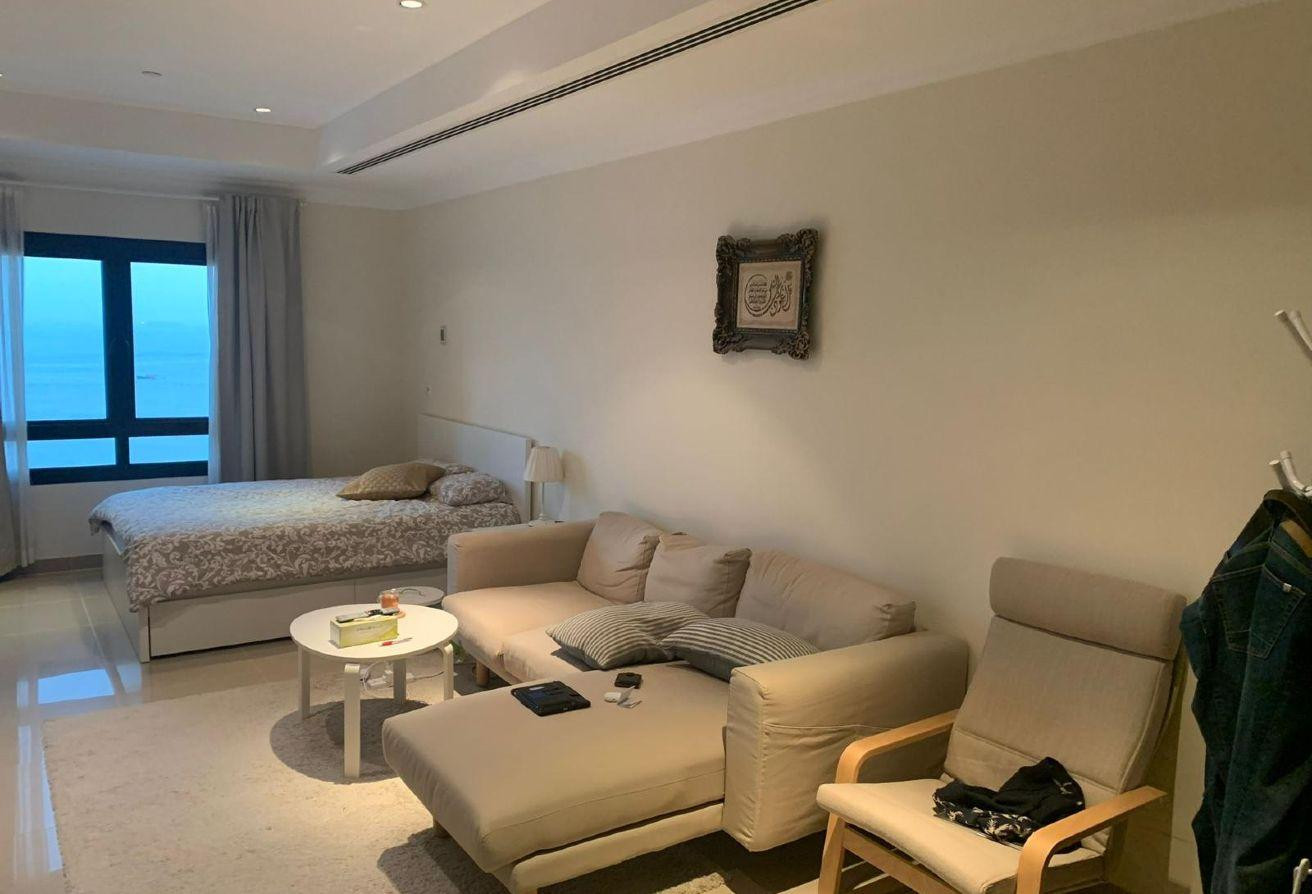
FOR SALE! AMAZING STUDIO F/F-WITH TITLE DEEDS
Key Features:

Buildable Residential Land of Old House for Sale
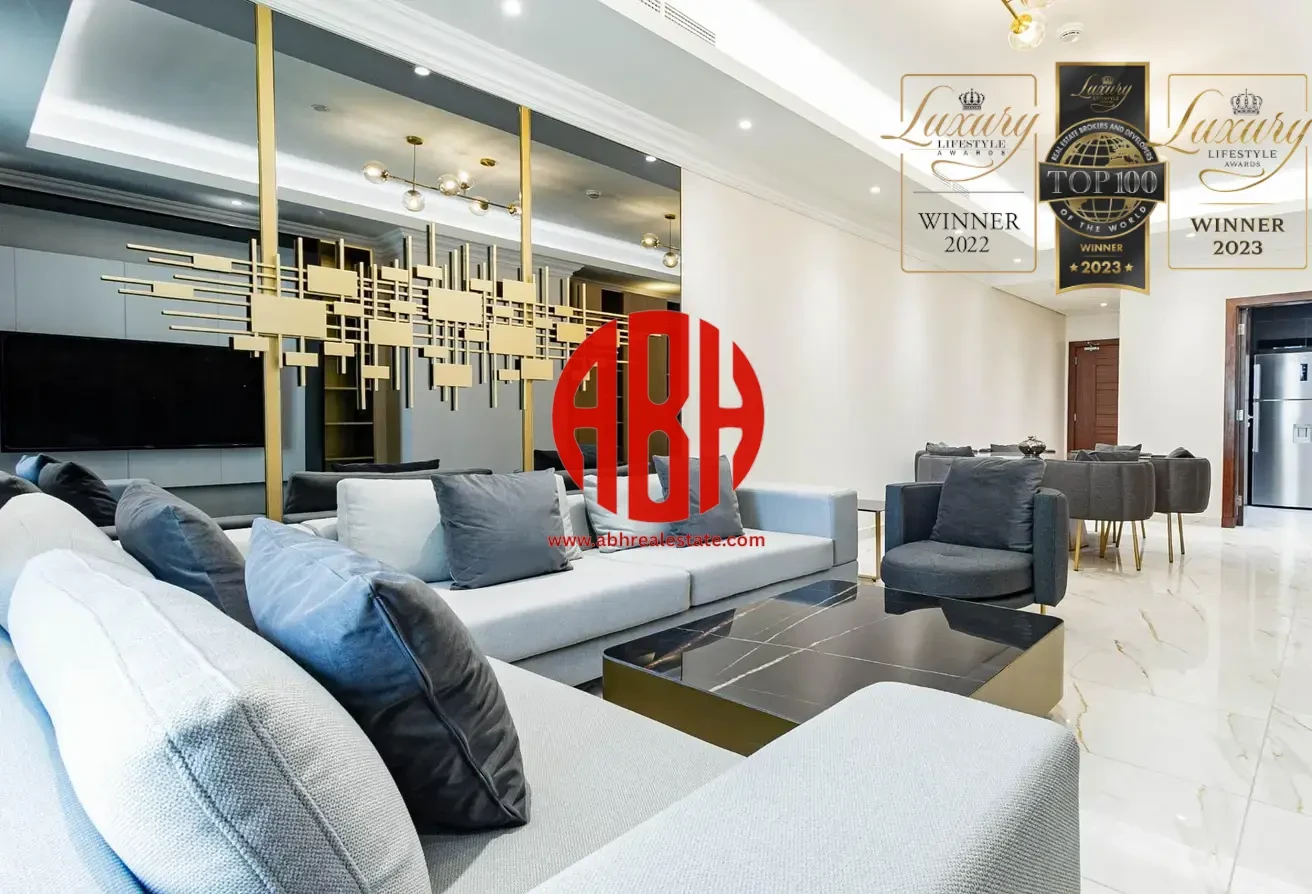
MOVE-IN READY | COZY 2-BDR | FULLY FURNISHED UNIT
Key Features:
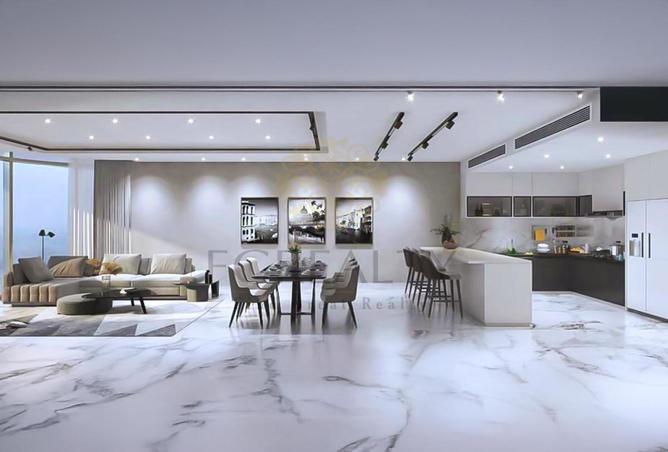
APARTMENTS FOR SALE IN LEGTAIFIYA LAGOON
Key Features:
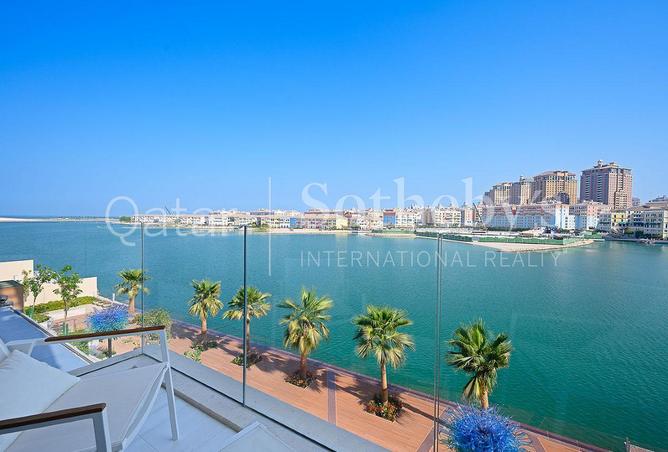
APARTMENTS FOR SALE IN GEWAN ISLAND
Key Features:
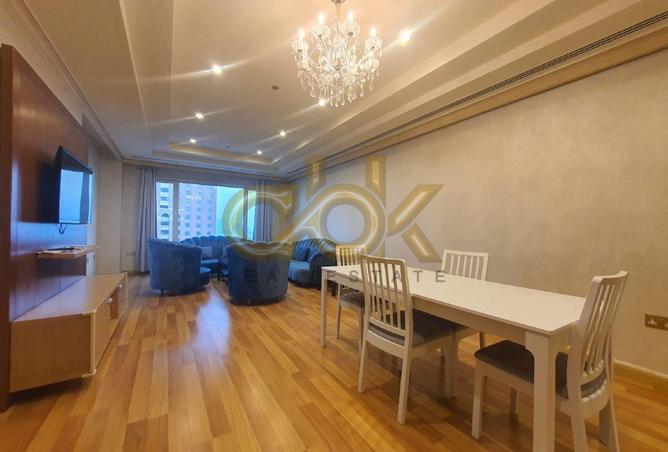
APARTMENTS FOR SALE IN EAST PORTO DRIVE
Key Features:
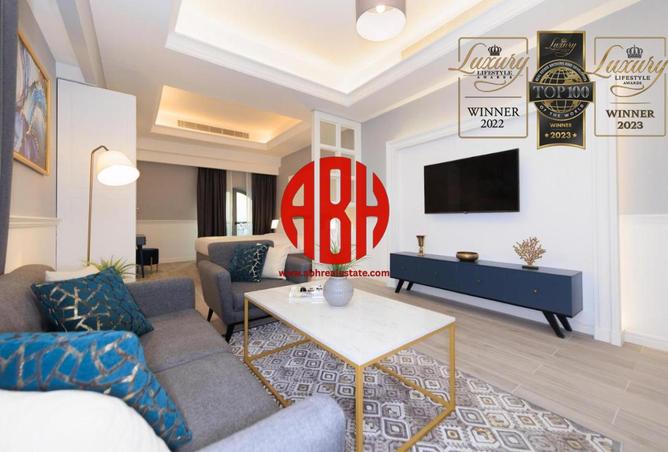
APARTMENTS FOR SALE IN AL SADD ROAD
Key Features:
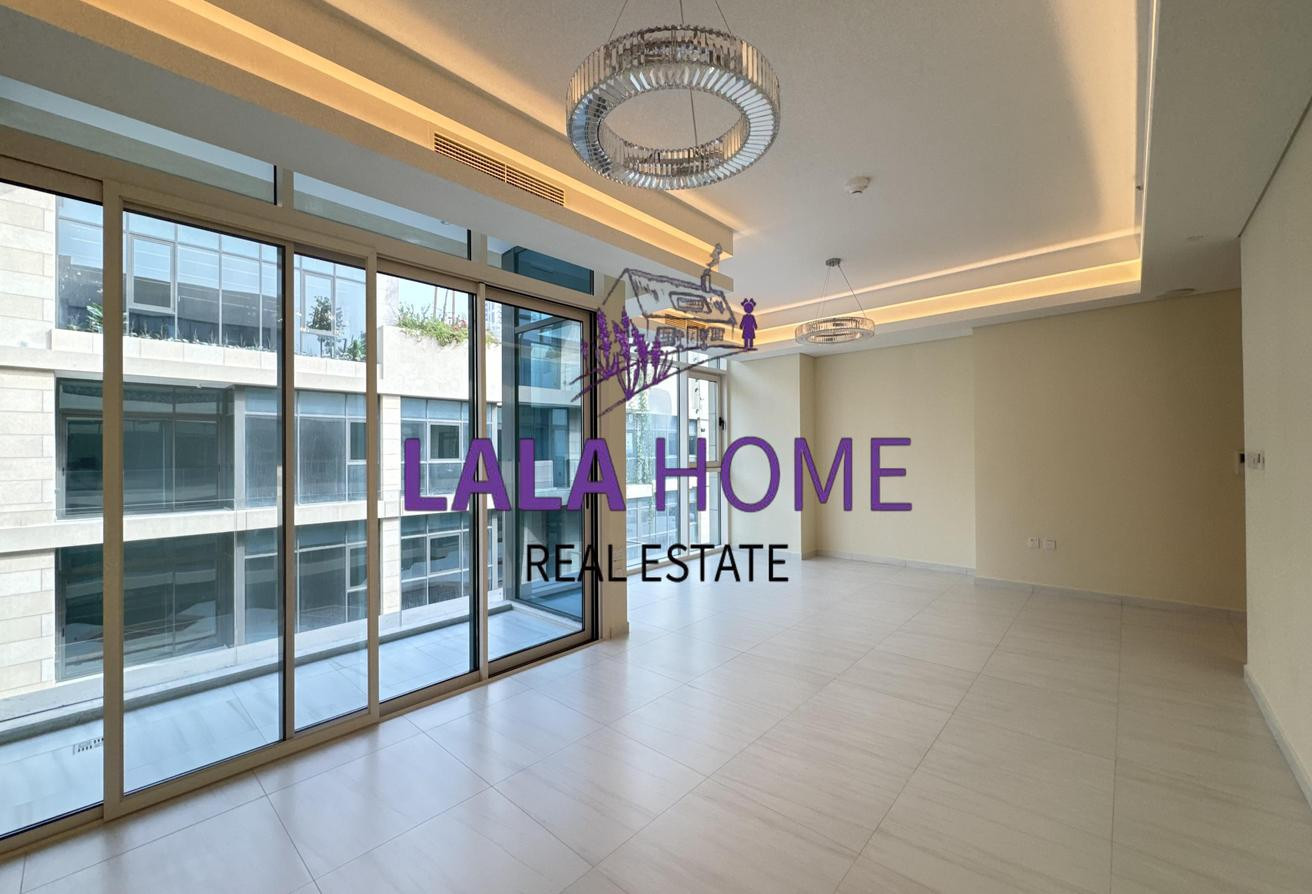
For Sale, Beautiful Brand New 2Bedrooms+
Key Features:
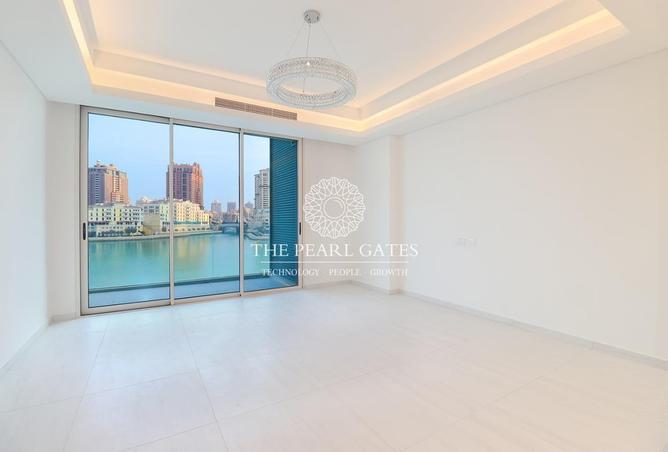
APARTMENTS FOR SALE IN GEWAN ISLAND
Key Features:
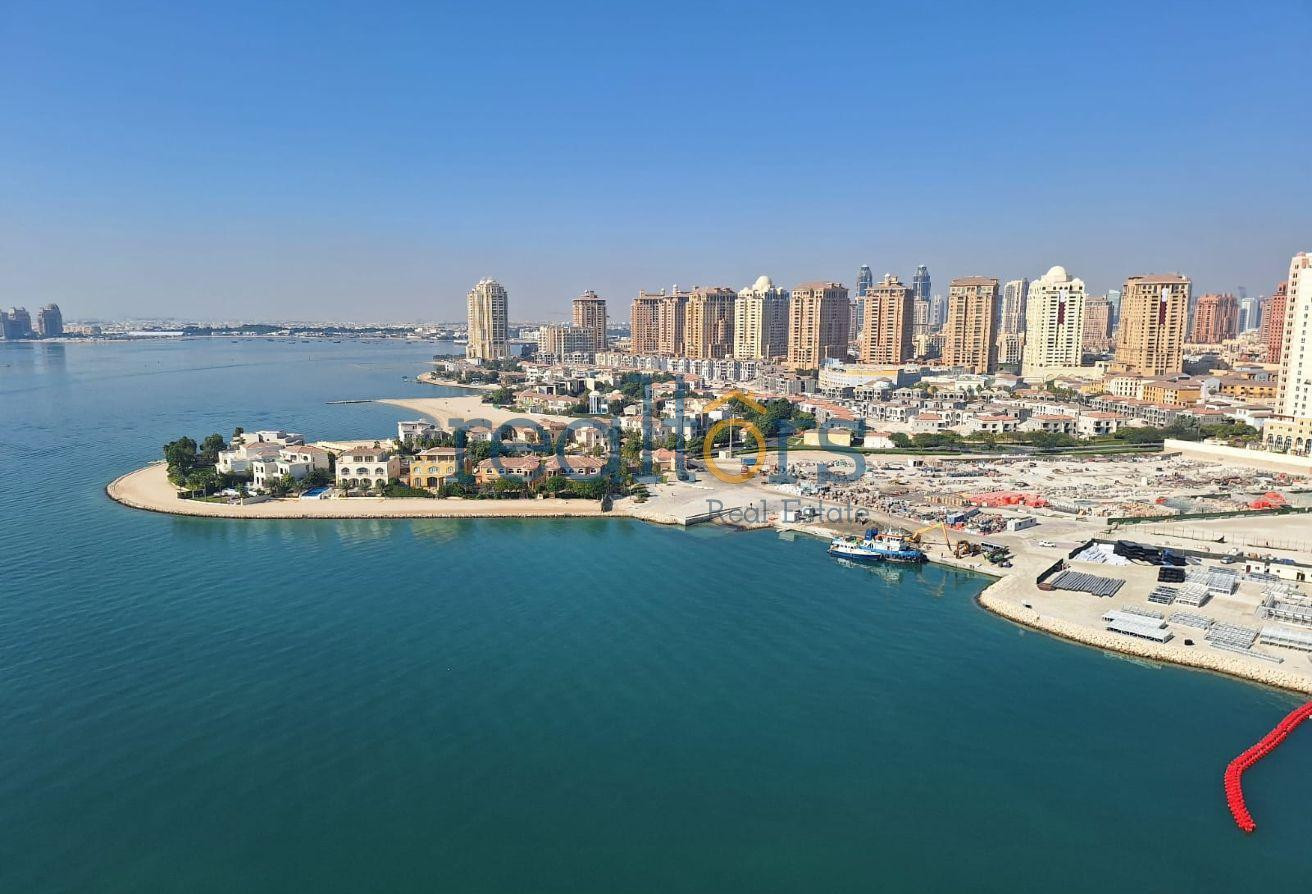
For Sale in Viva Bahriya – Semi Furnished Studio
Key Features:
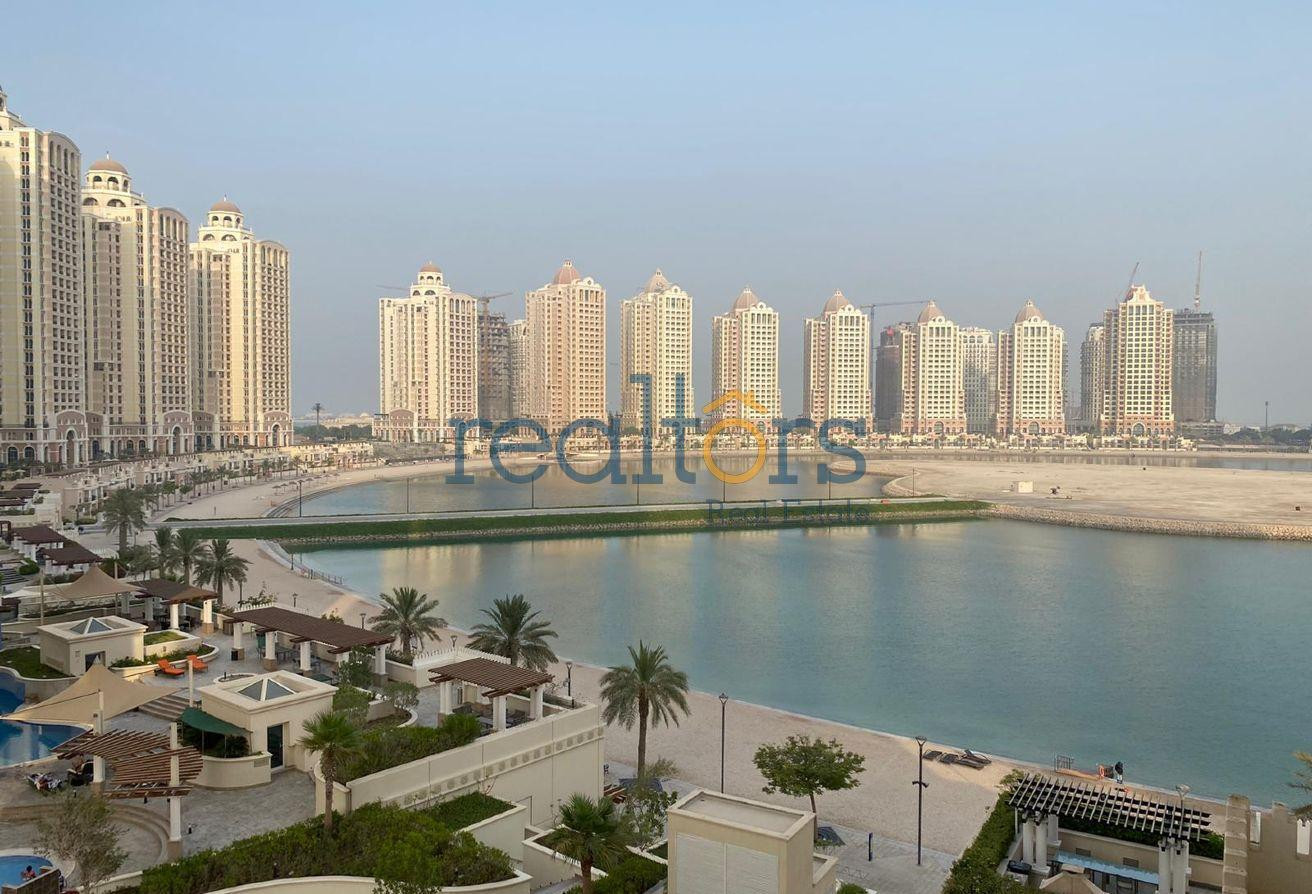
Direct Marina View | 1BR | FF | Ready to Move
Key Features:
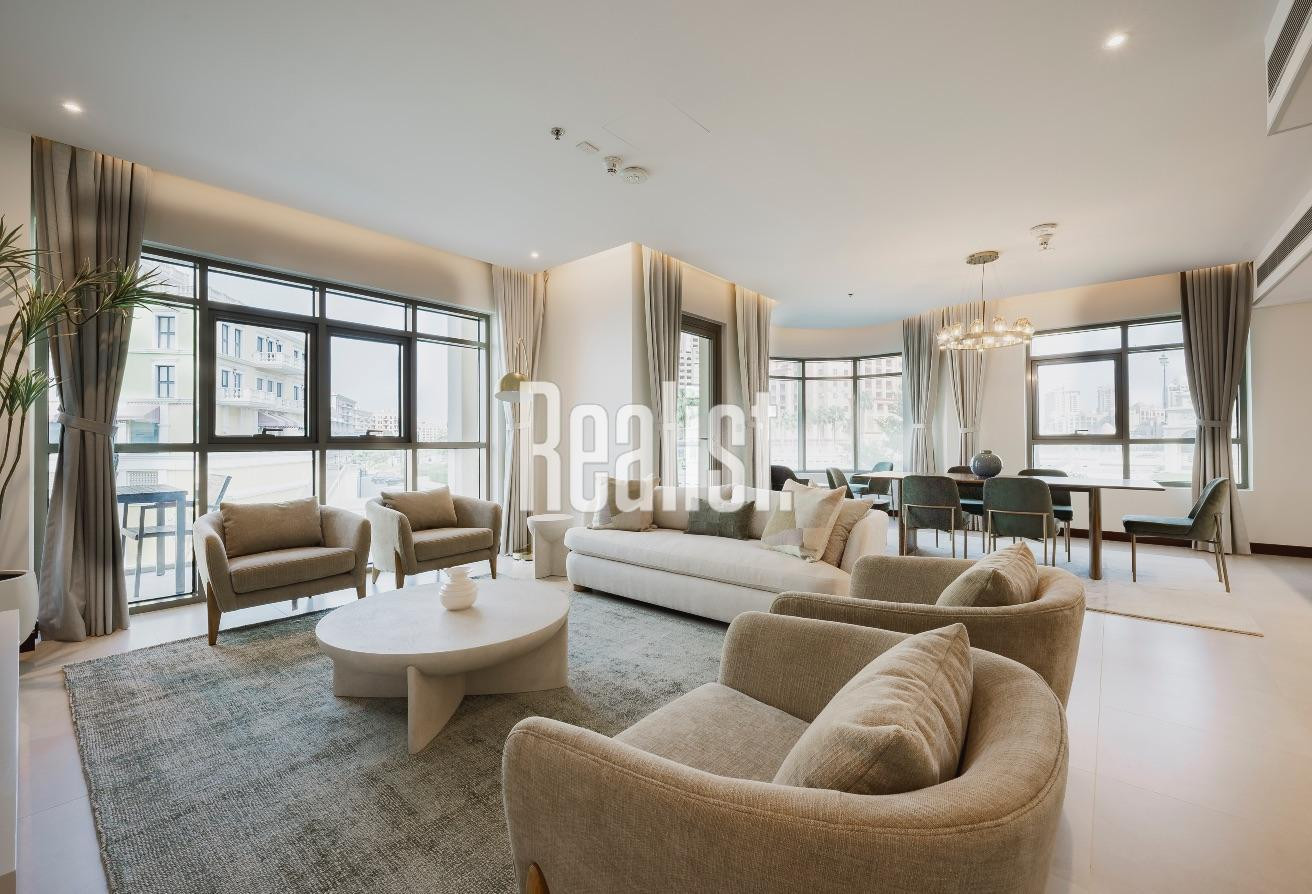
3+1 Duplex Apartment with 5 years payment plan
Key Features:
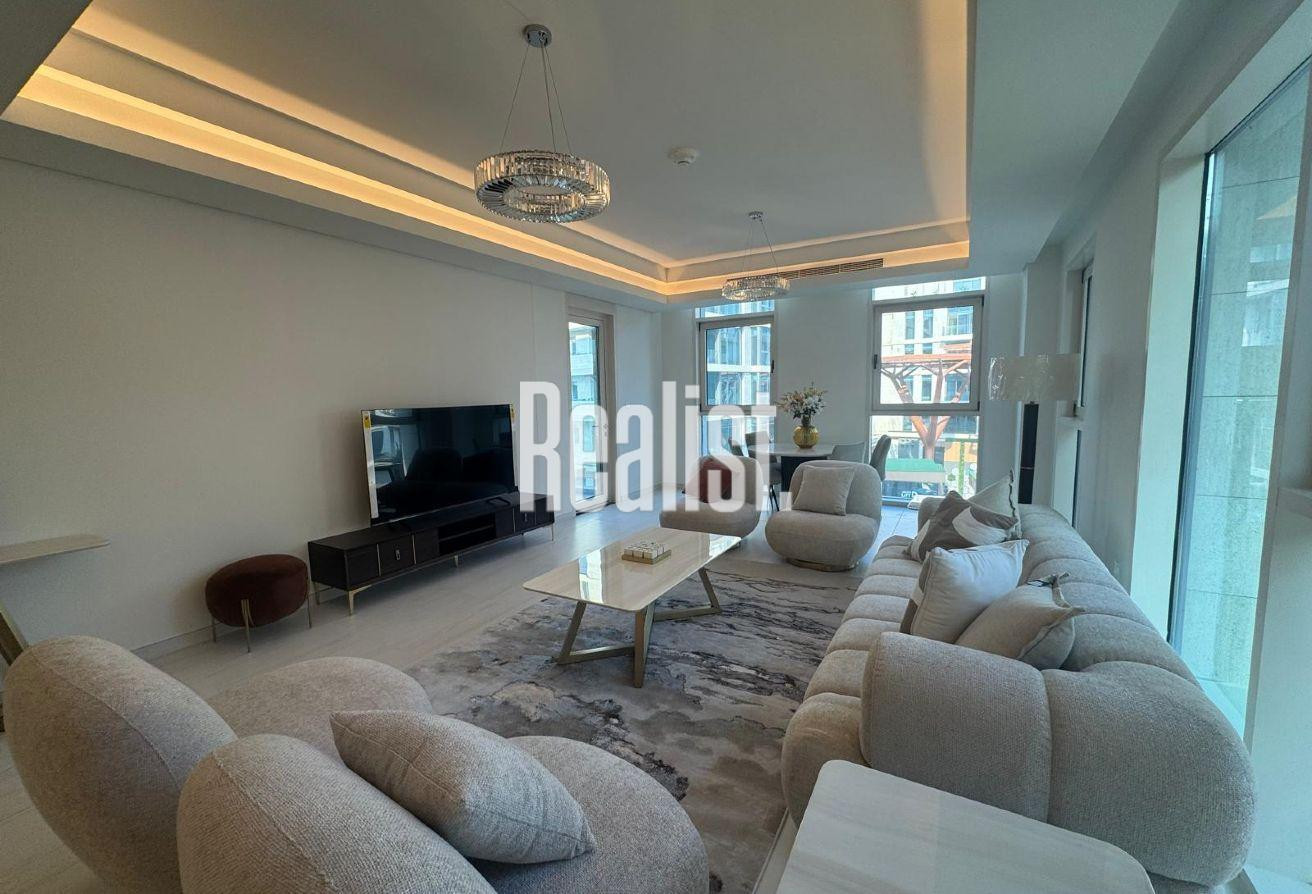
WITH PAYMENT PLAN/ 1BHK+1/RENTED/FURNISH
Key Features:
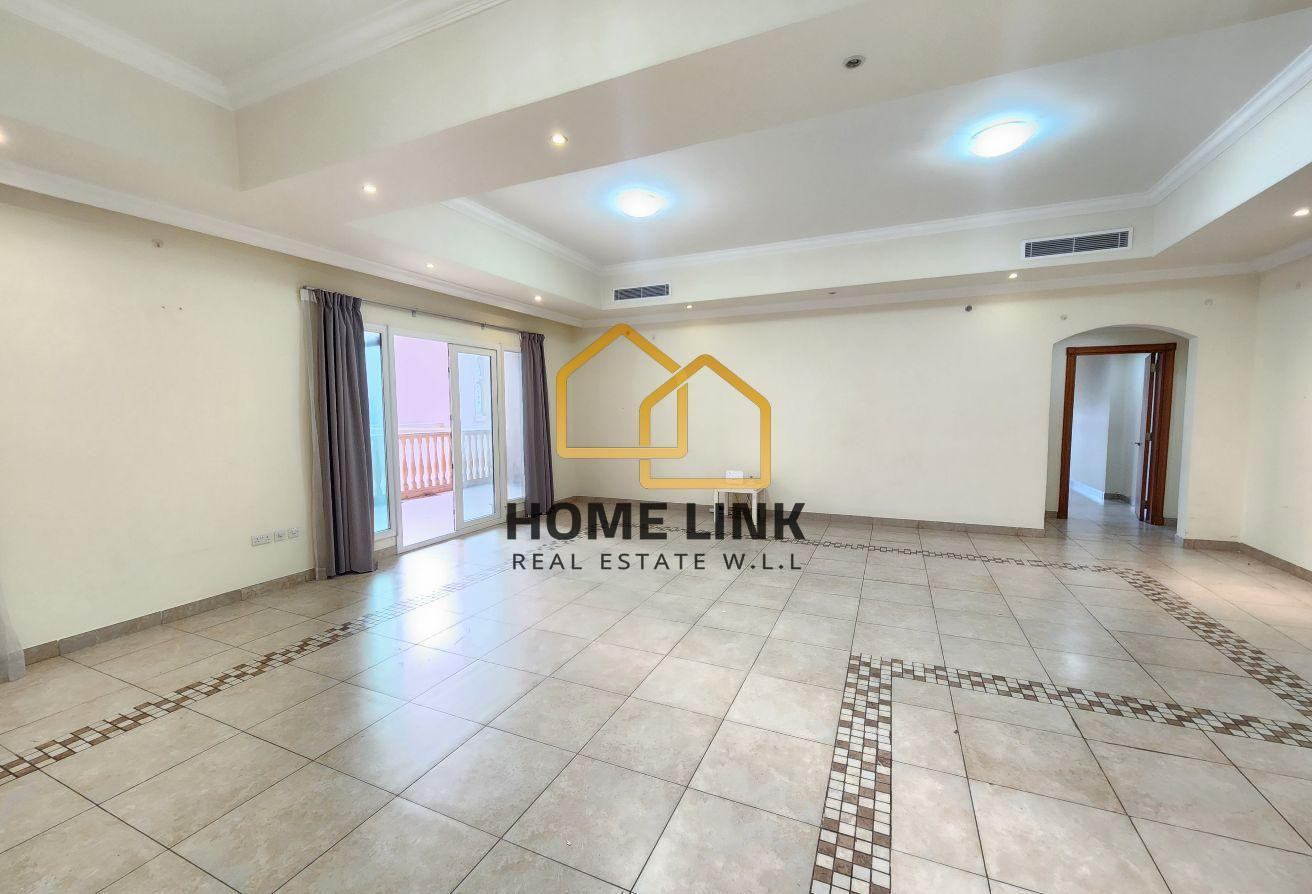
AMENITIES FLOOR | SPACIOUS 2 BEDROOM SF APARTMENT
Key Features:
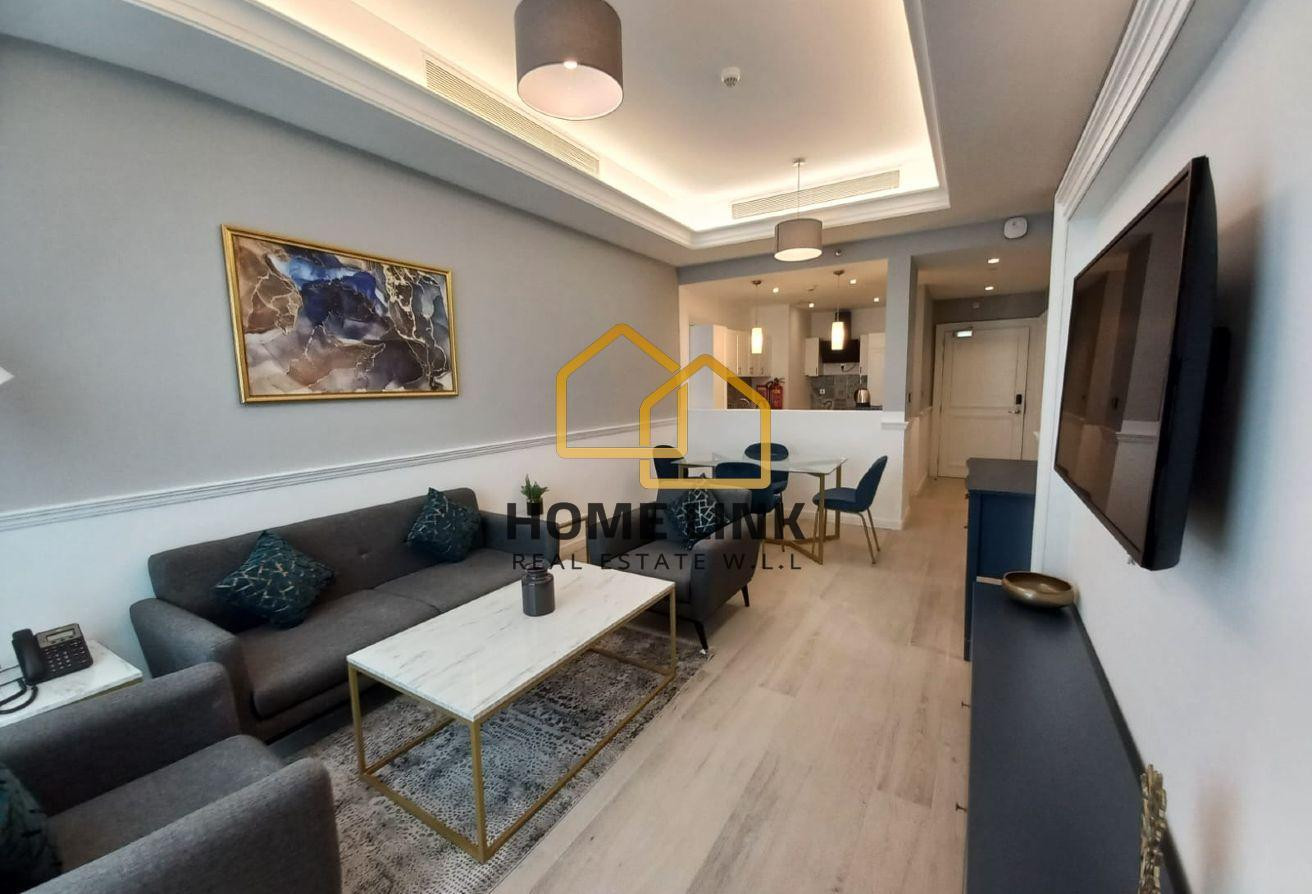
Elegant 2 Bedroom Apartment Fully Furnished F Sale
Key Features:
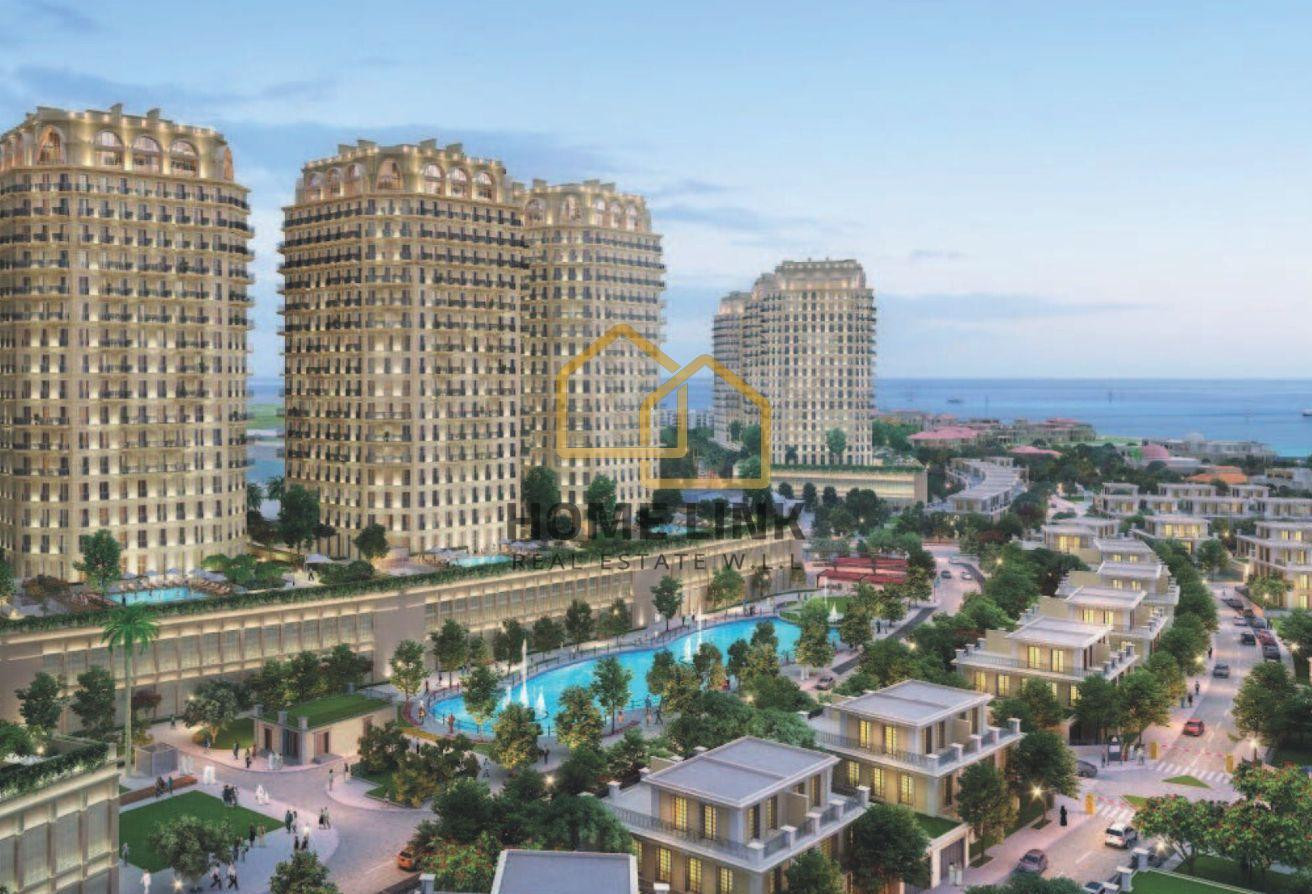
DIRECT HANDOVER | 6 YEAR PLAN | 20% DOWN PAYMENT
Key Features:
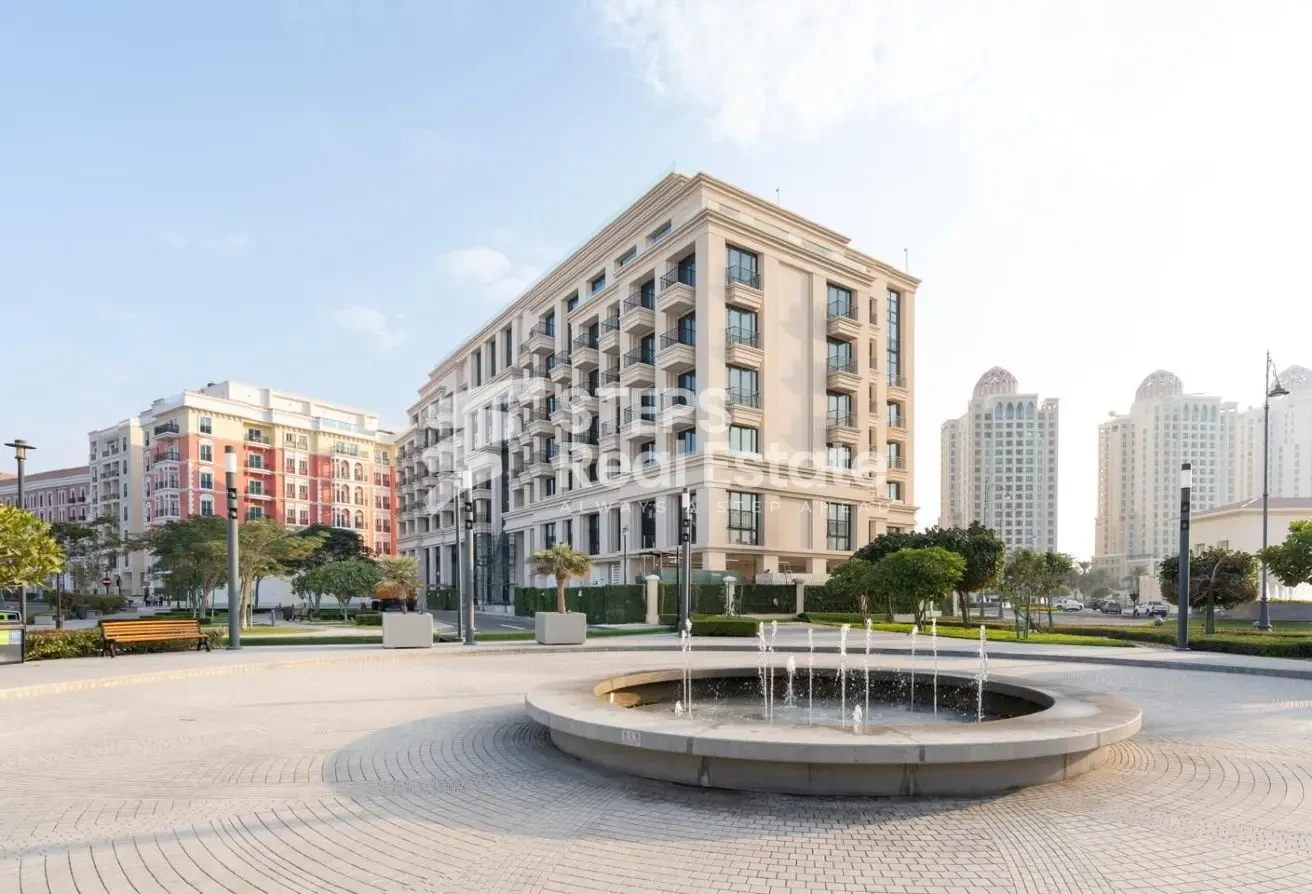
Elegant Flat with Garden and Maids Room
Key Features:
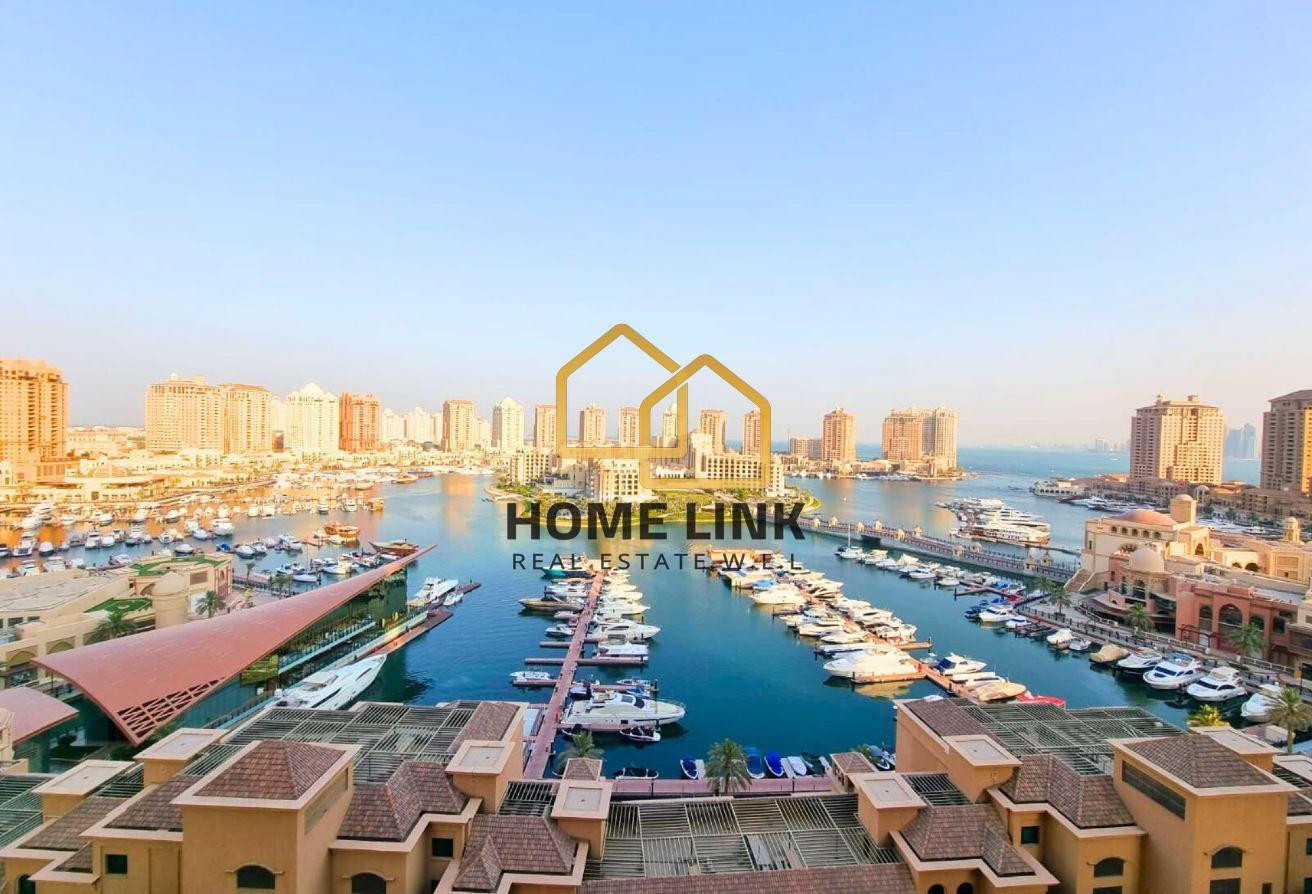
TITLE DEED| MARINA VIEW | 2 BEDROOM SEMI FURNISHED
Key Features:
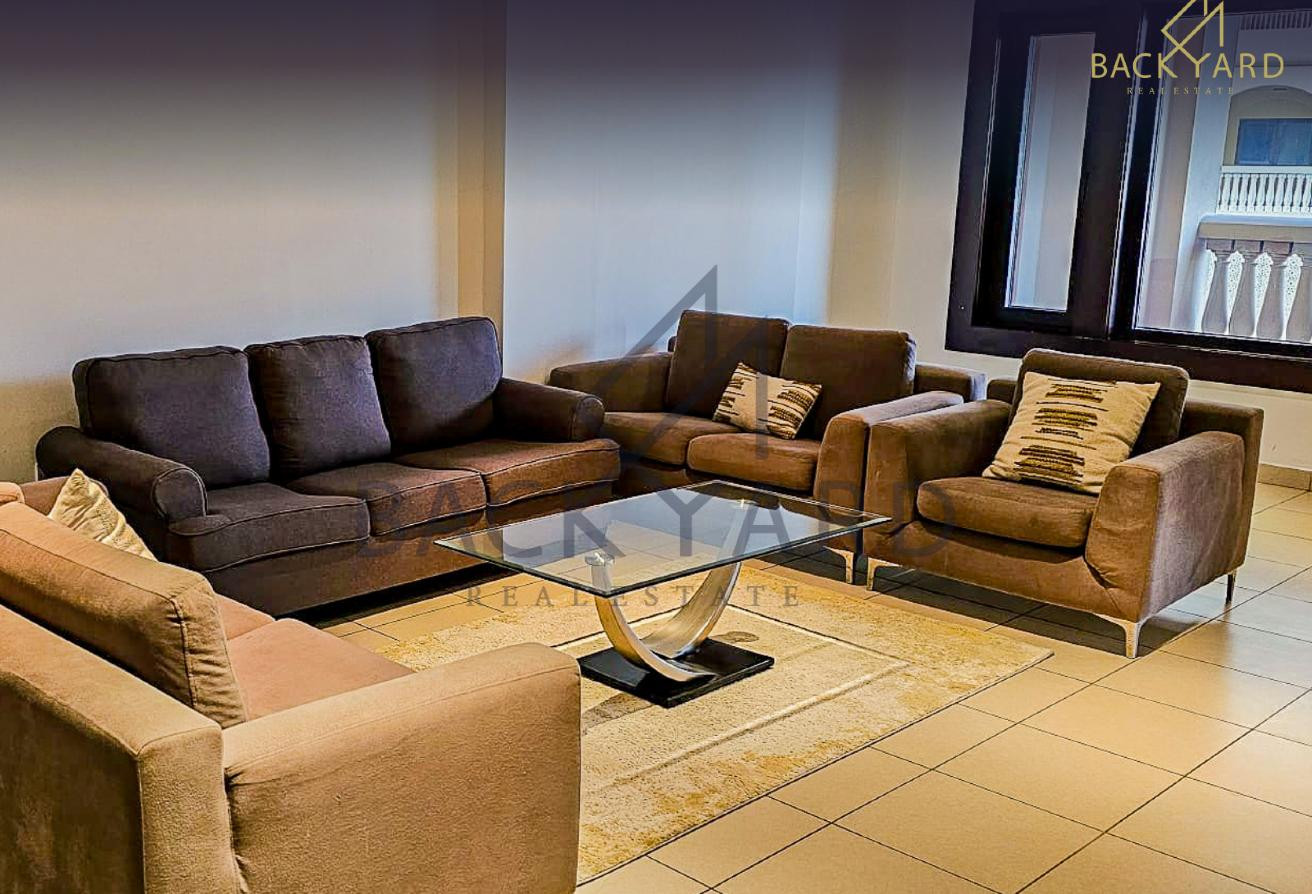
Elegant 1 BHK Apartment for Sale in Porto Arabia
Key Features:
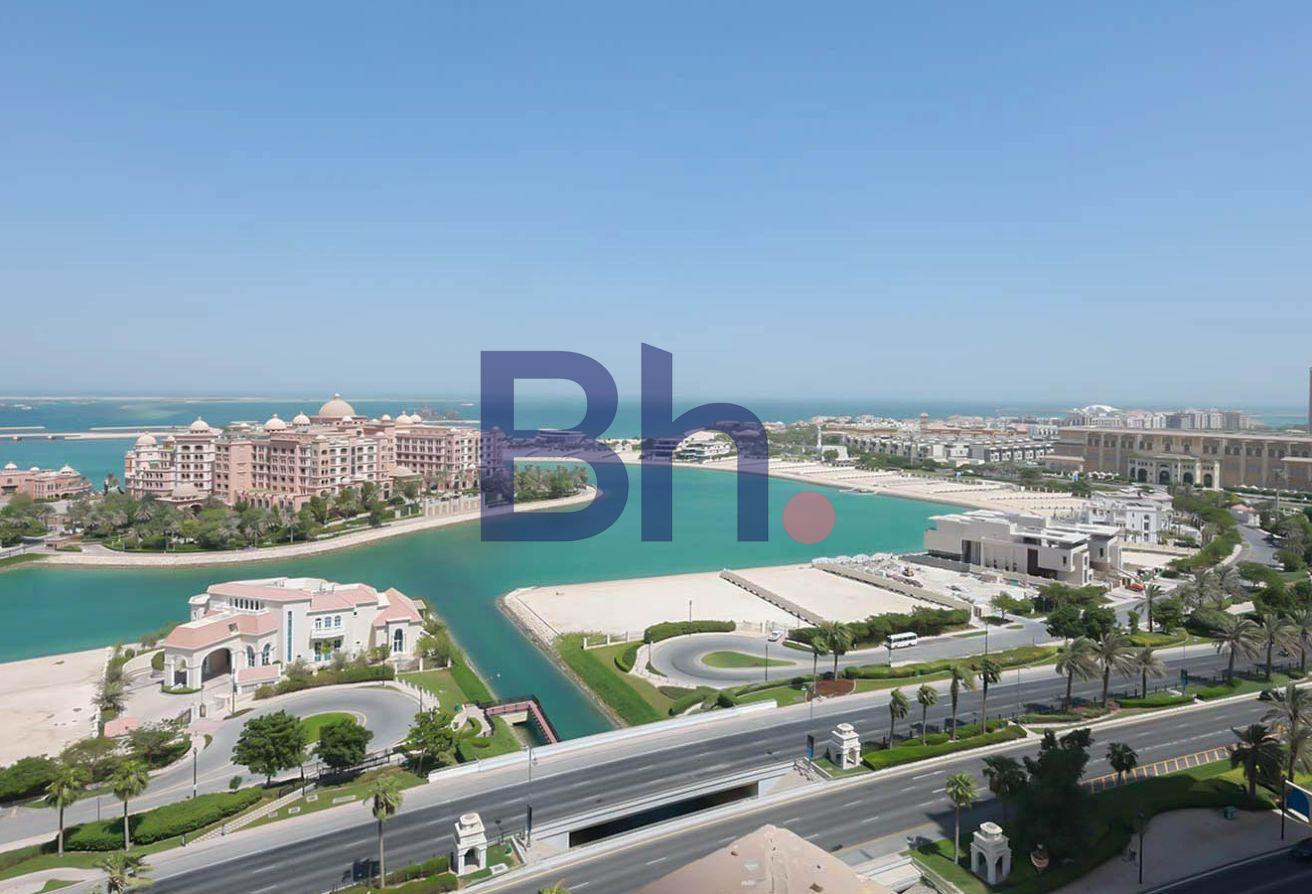
INVEST IN PORTO ARABIA | 2 BEDROOMS | GREAT VIEW
Key Features:
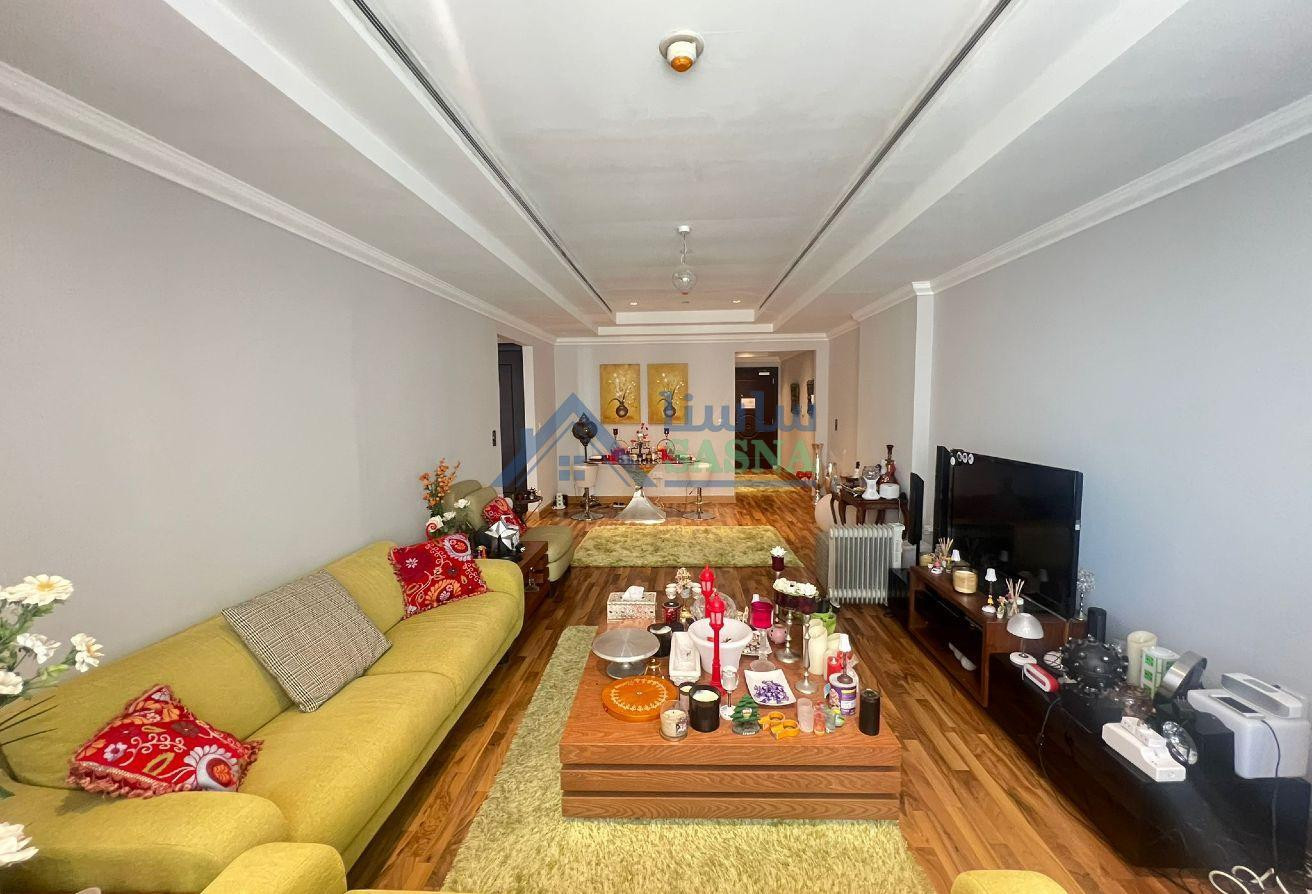
FRONT MARINA VIEW 1BHK FULLY FURNISHED FOR SALE
Key Features:
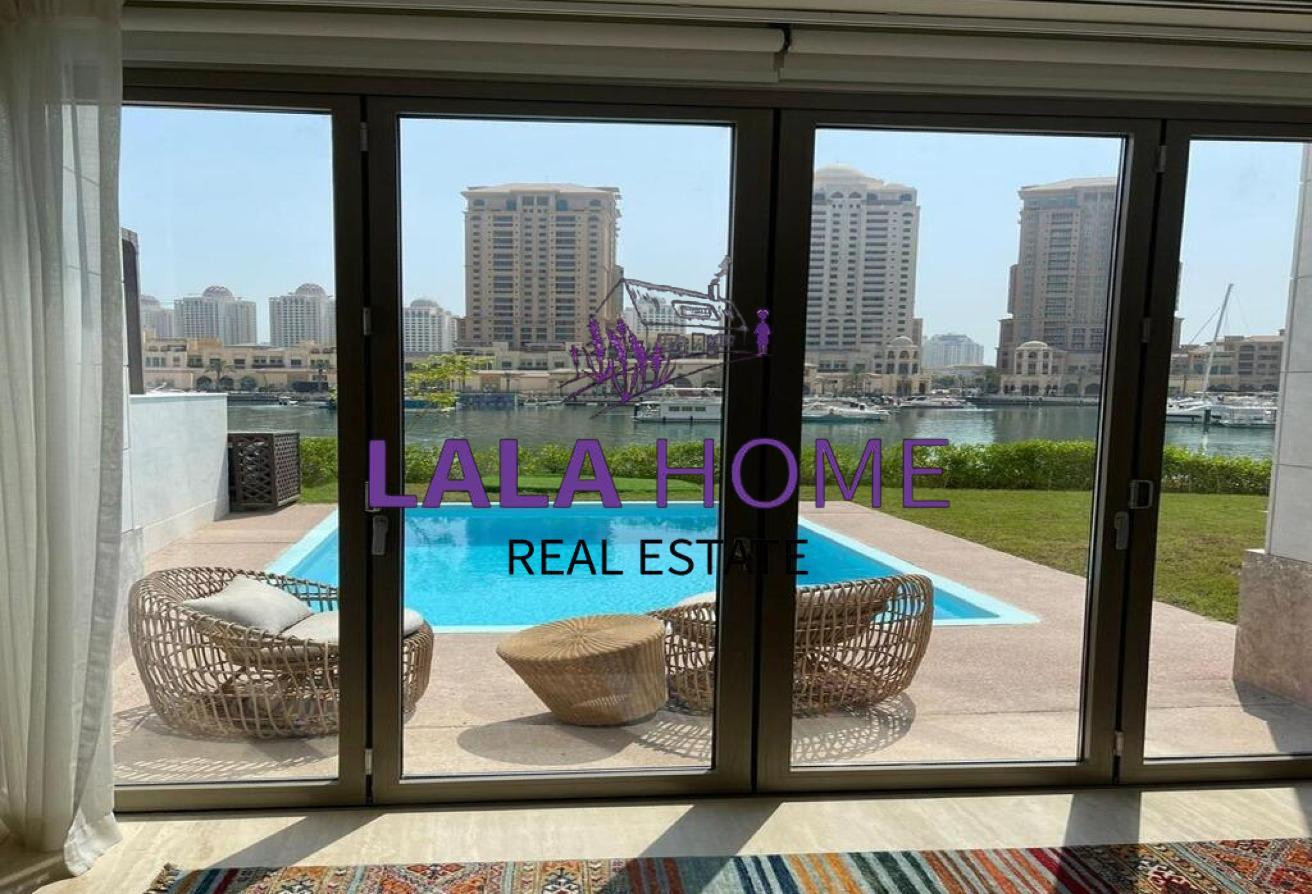
EXEPTIONAL CUSTOM MADE 3 PLUS MAID TOWNHOUSE
Key Features:
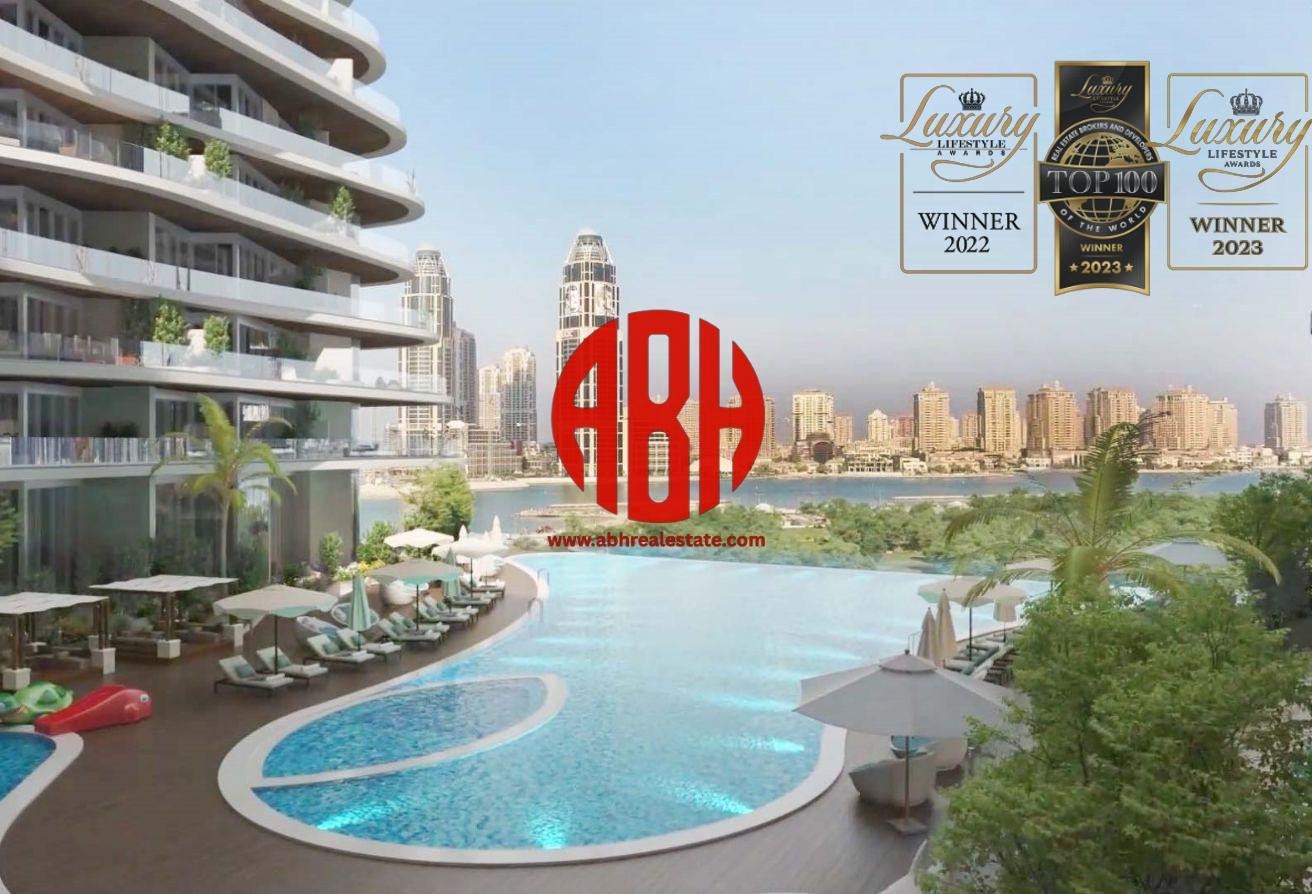
INFINITY POOL | LUXURY 2BDR |FLEXIBLE PAYMENT PLAN
Key Features:

Apartment for Sale – Milos Project | 2BR + Maid’s
Key Features:
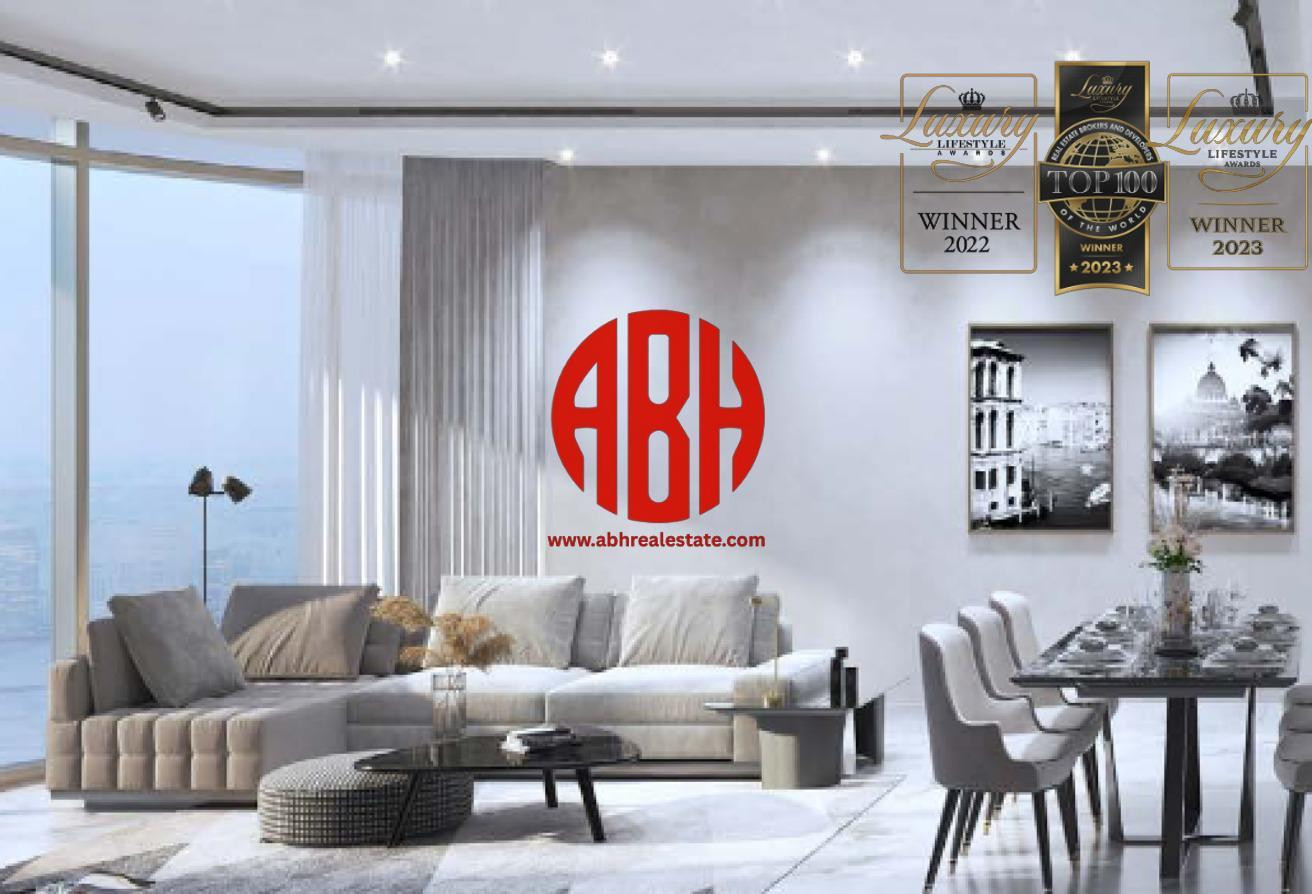
MODERN 3BDR TOWNHOUSE | ONLY 2% DP | TOP AMENITIES
Key Features:
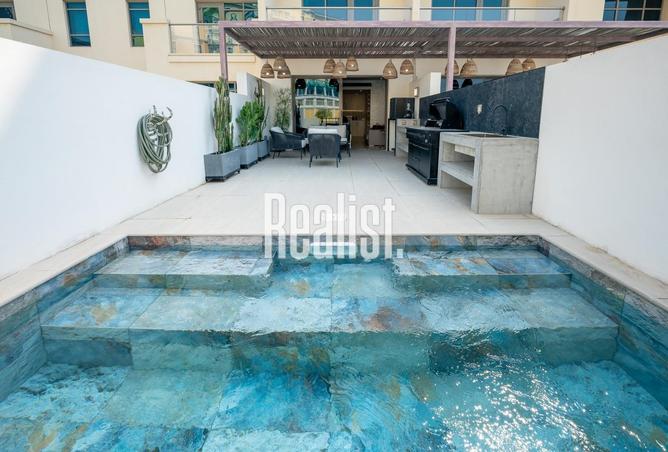
APARTMENTS FOR SALE IN HILTON DOHA THE PEARL RESIDENCES
Key Features:
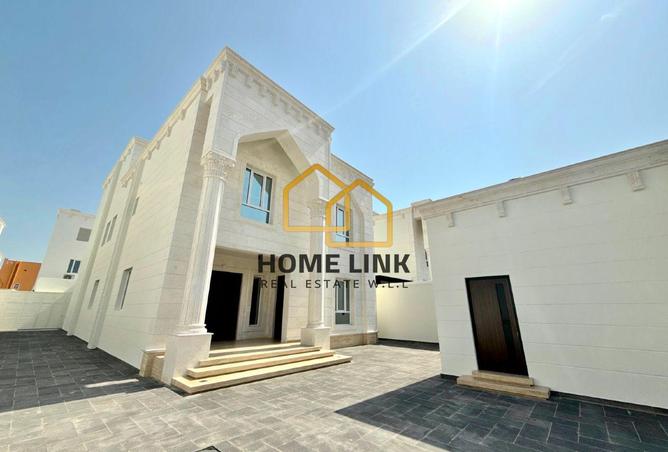
VILLAS FOR SALE IN AIN KHALED VILLAS
Key Features:
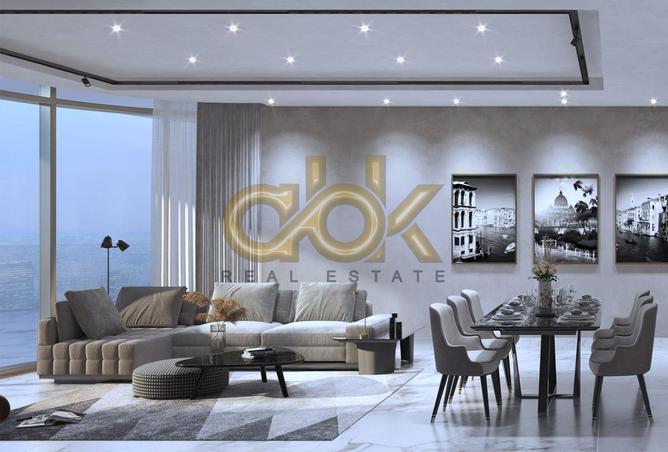
DUPLEXES FOR SALE IN LEGTAIFIYA LAGOON
Key Features:
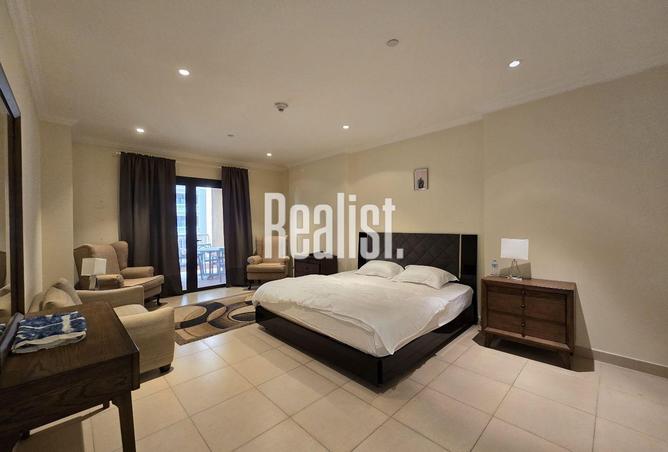
APARTMENTS FOR SALE IN EAST PORTO DRIVE
Key Features:
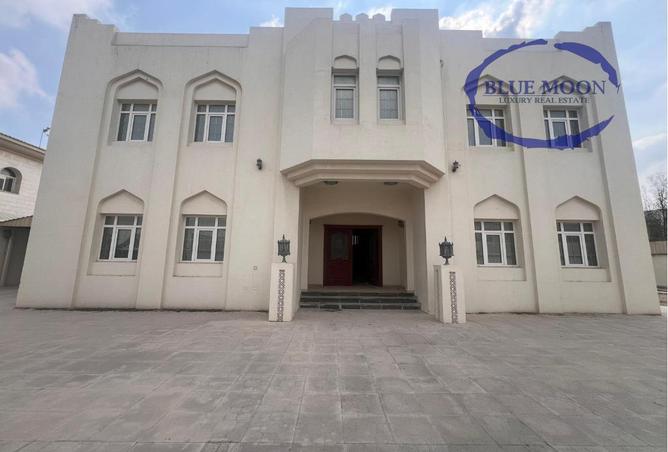
VILLAS FOR SALE IN LEGTAIFIYA LAGOON
Key Features:
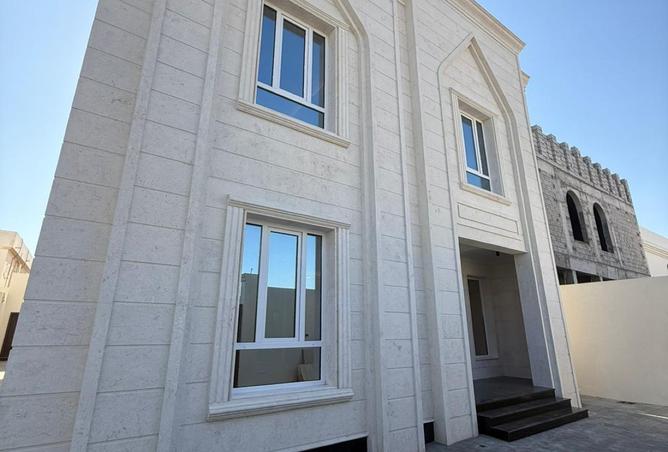
VILLAS FOR SALE IN AL MAAMOURA
Key Features:
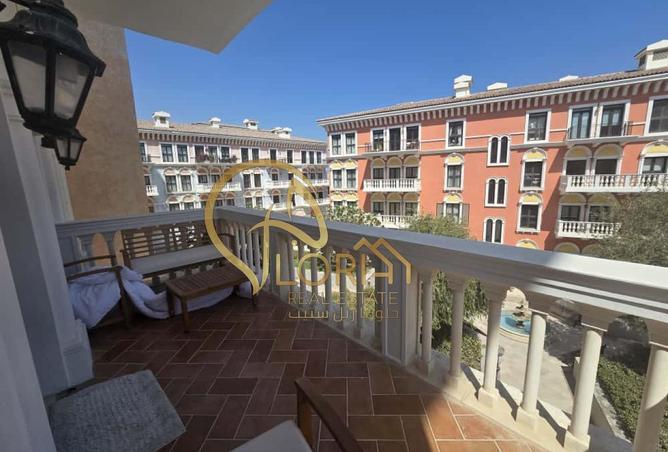
APARTMENTS FOR SALE IN CARNAVAL
Key Features:
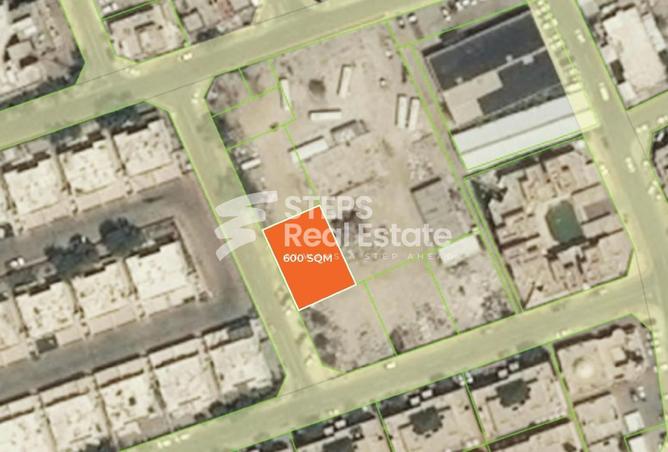
LAND FOR SALE IN OLD AIRPORT ROAD
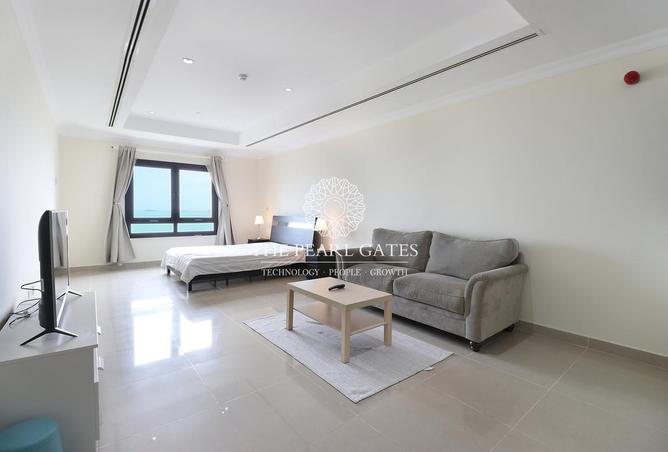
APARTMENTS FOR SALE IN EAST PORTO DRIVE
Key Features:
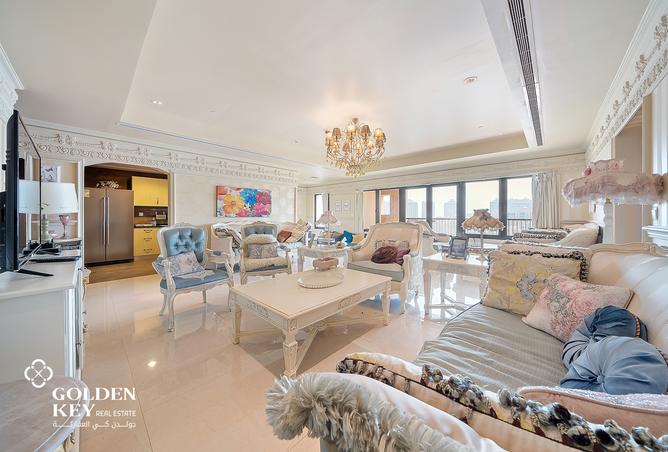
APARTMENTS FOR SALE IN EAST PORTO DRIVE
Key Features:
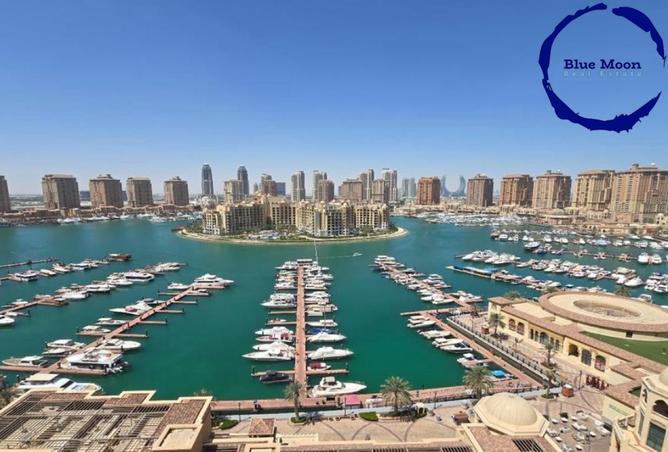
APARTMENTS FOR SALE IN WEST PORTO DRIVE
Key Features:
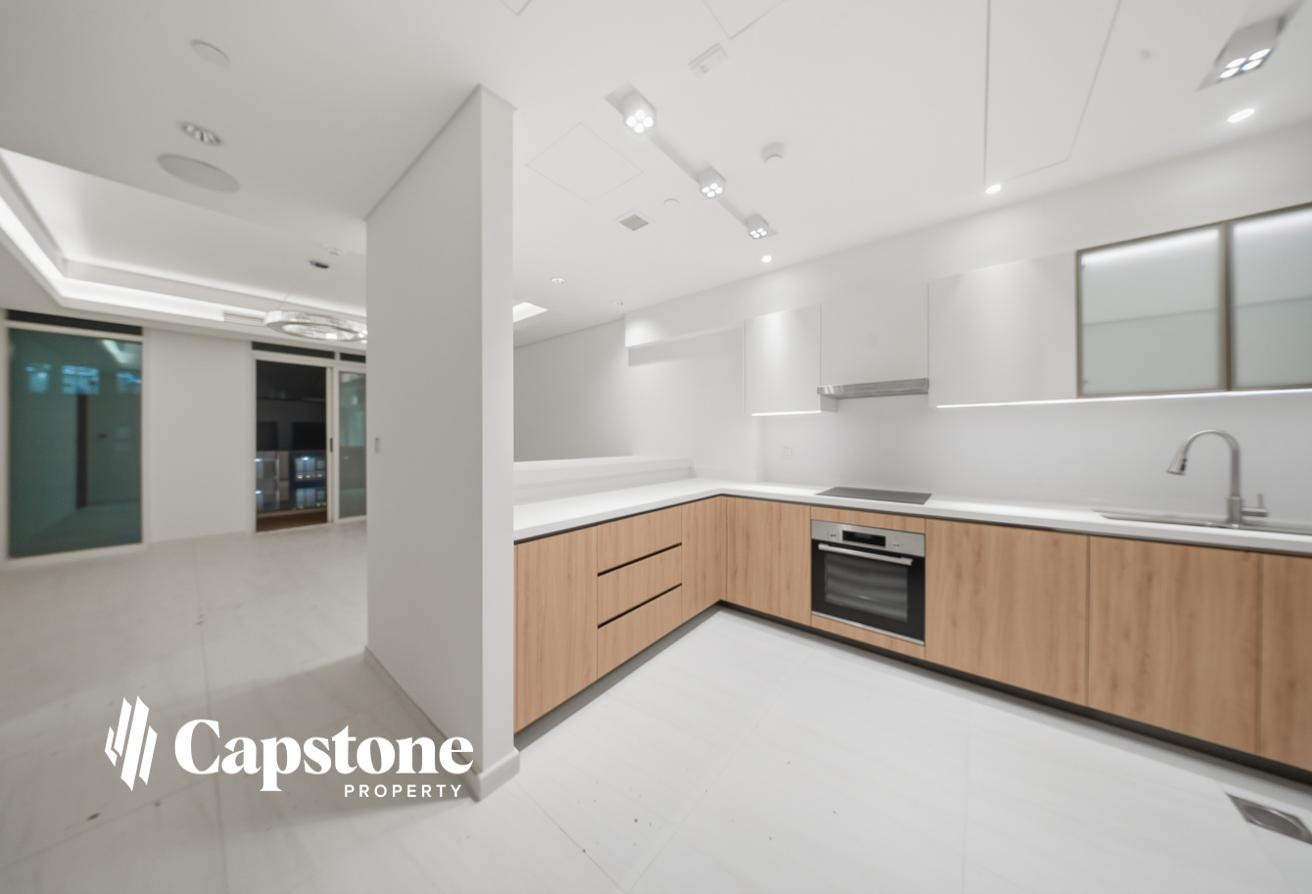
LOWEST PRICE!! BRAND NEW 1BR | 5% ROI
Key Features:
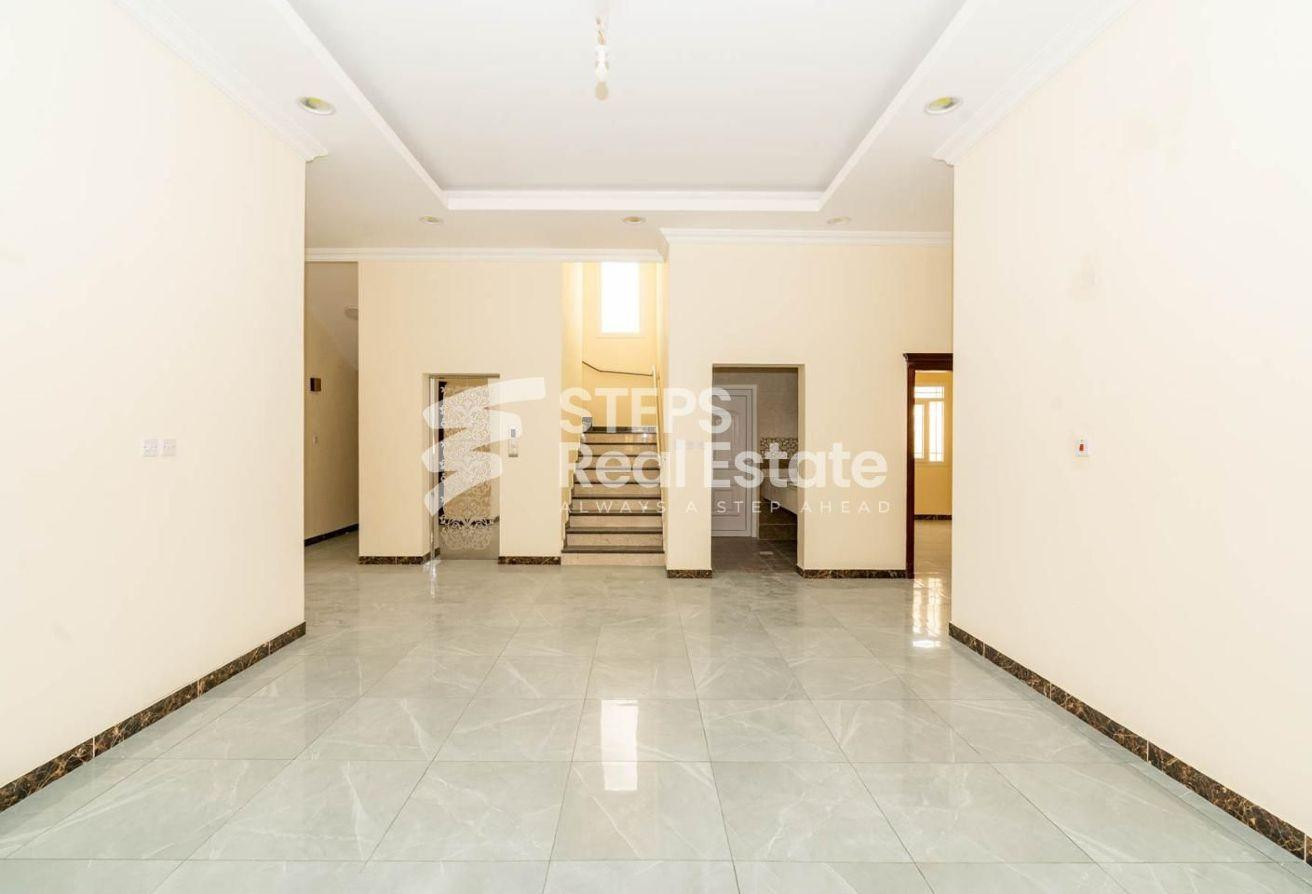
Luxury Villa with Elevator for Sale in Al Thumama
Key Features:
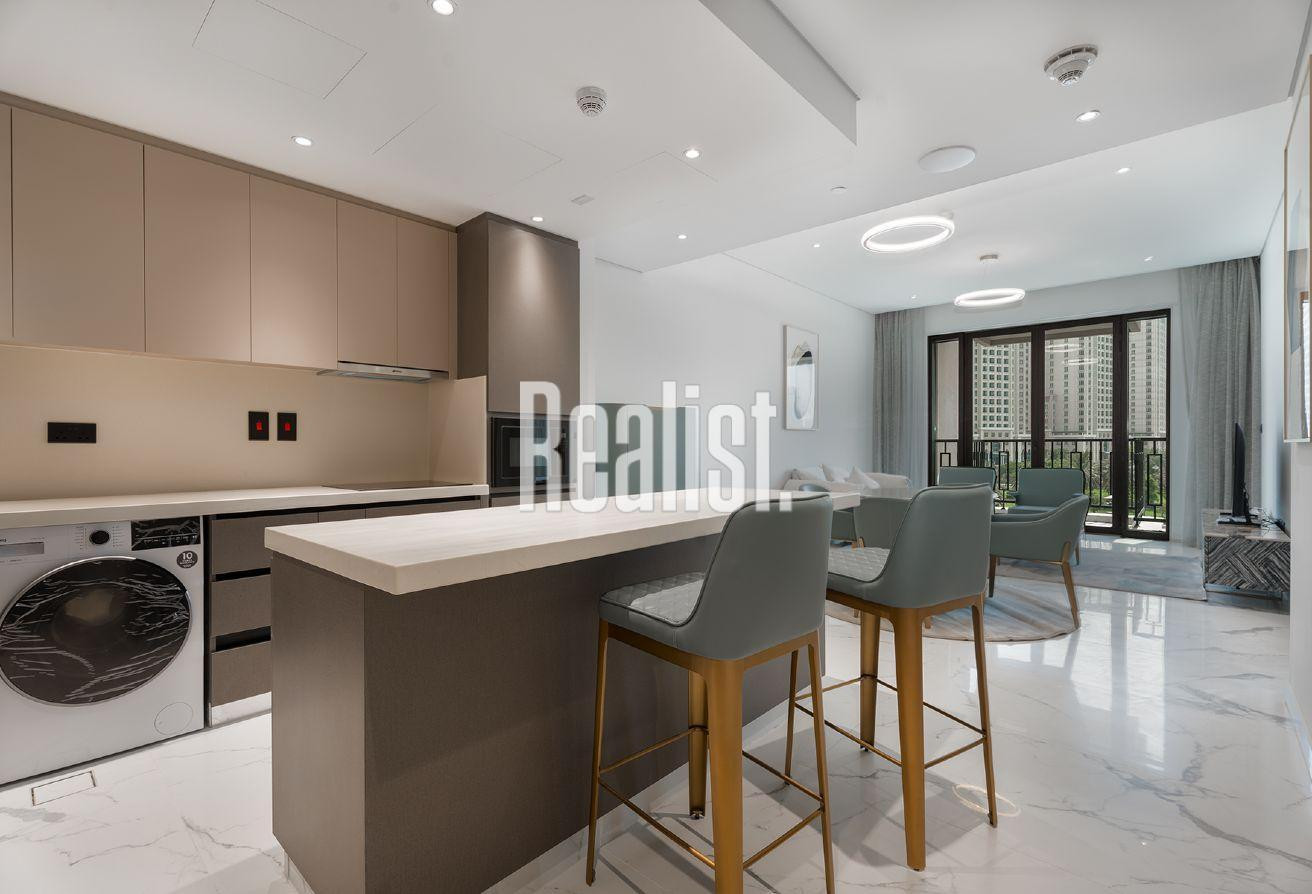
PAYMENT PLAN | NEW FURNISHED 1 BHK | IN THE PEARL
Key Features:
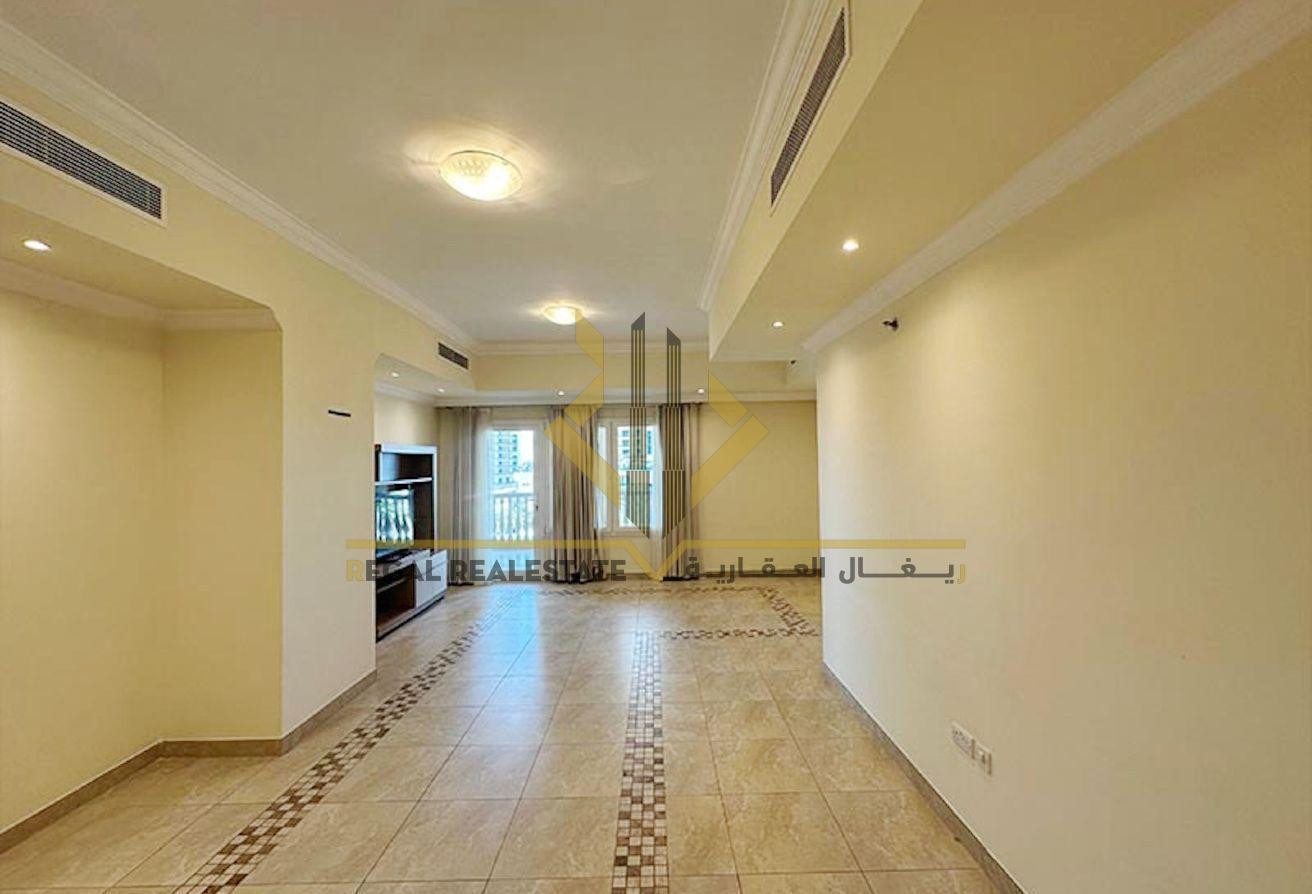
Luxury 1-Bedroom Apartment for Sale | Porto Arabia
Key Features:
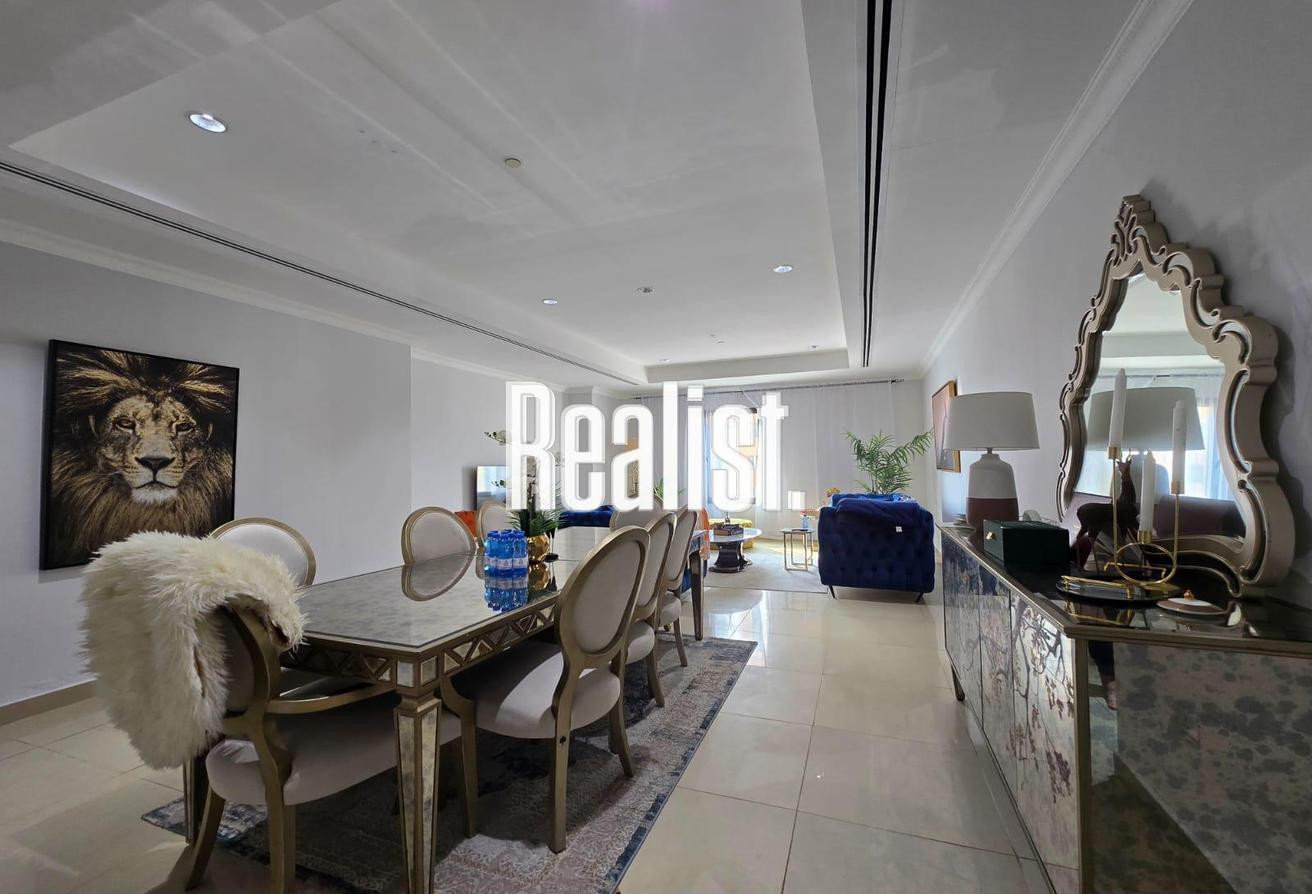
SPACIOUS || 1+ OFFICE APARTMENT || SEMI FURNISHED
Key Features:
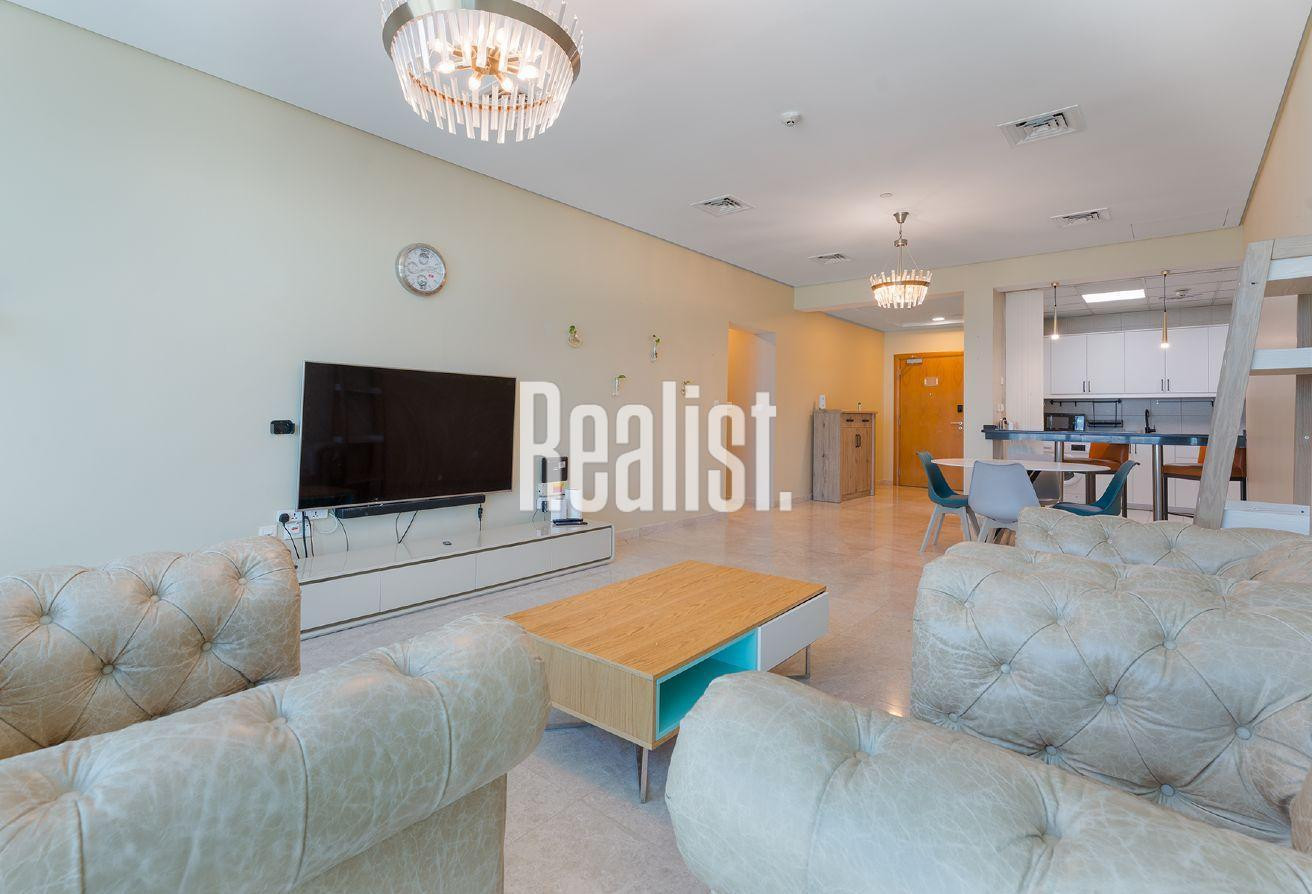
FOR SALE | 2+MAID | HIGH FLOOR | ZIG ZAG TOWER
Key Features:
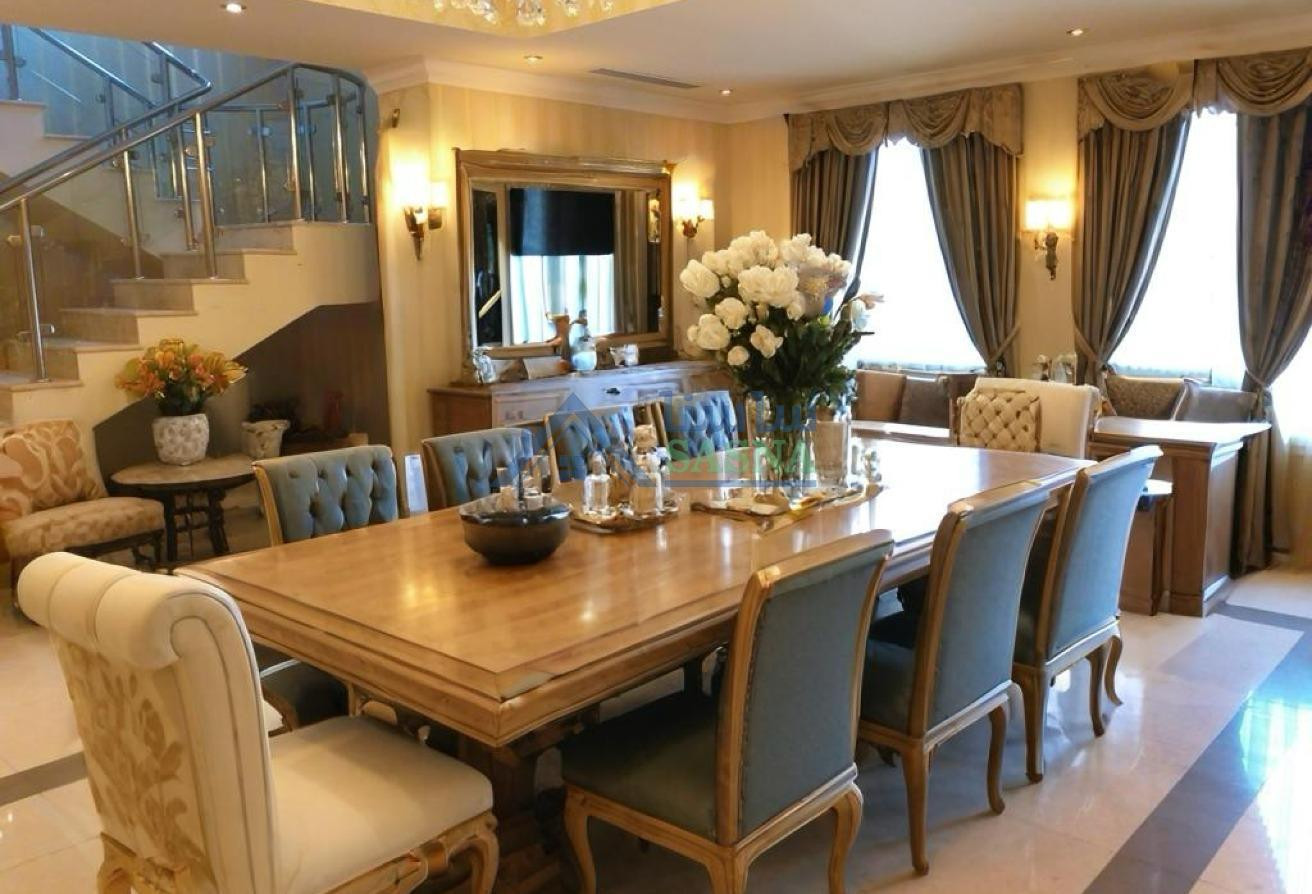
5 +M UNIQUE PENTHOUSE / BEST PRICE / STUNNING VIEW
Key Features:
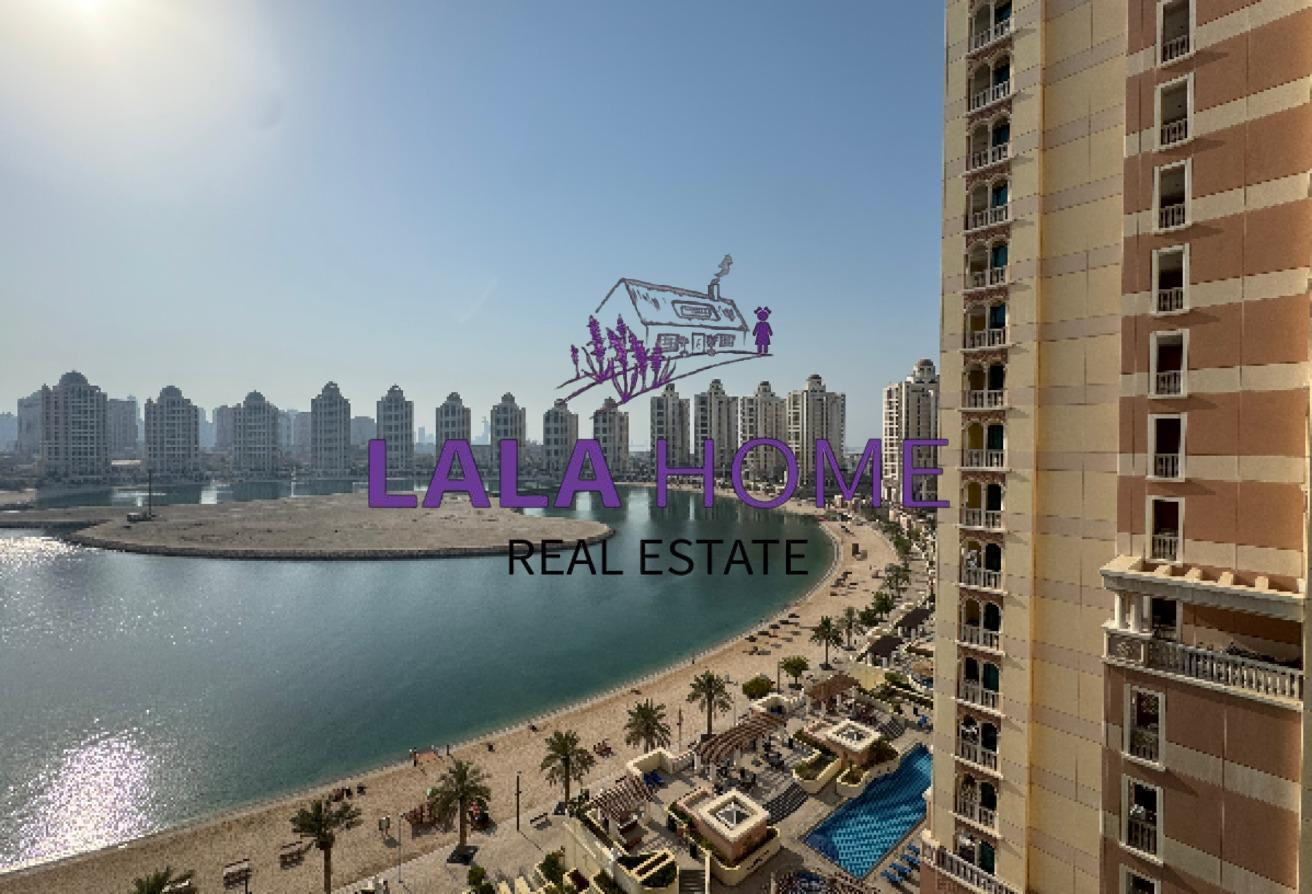
Spacious, 2Bedrooms with a full Sea View
Key Features:
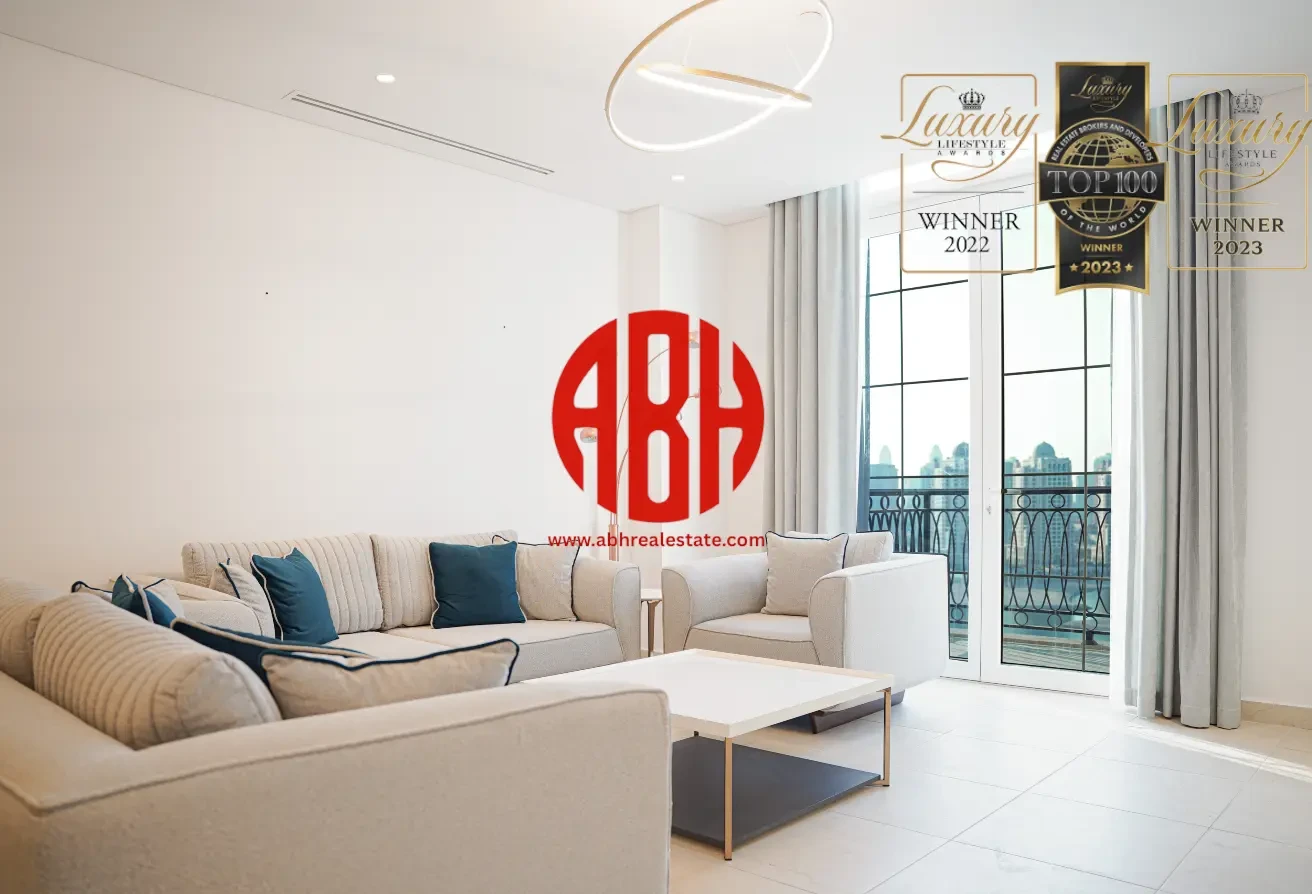
MOVE-IN READY UNIT | MODERN 2-BDR | COZY AMENITIES
Key Features:
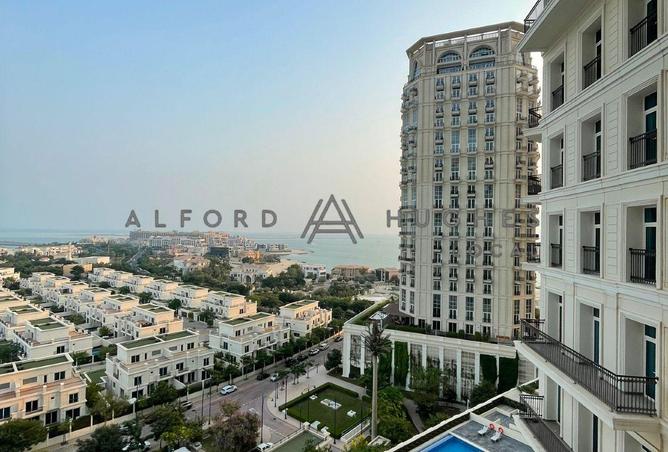
APARTMENTS FOR SALE IN FLORESTA GARDENS
Key Features:
Trusted by International Investors
Over 10,000+ successful property investments facilitated in Doha
Other Cities near Doha
Explore investment opportunities in nearby cities within Qatar.

Lusail
Avg. Price: €
7542 properties available
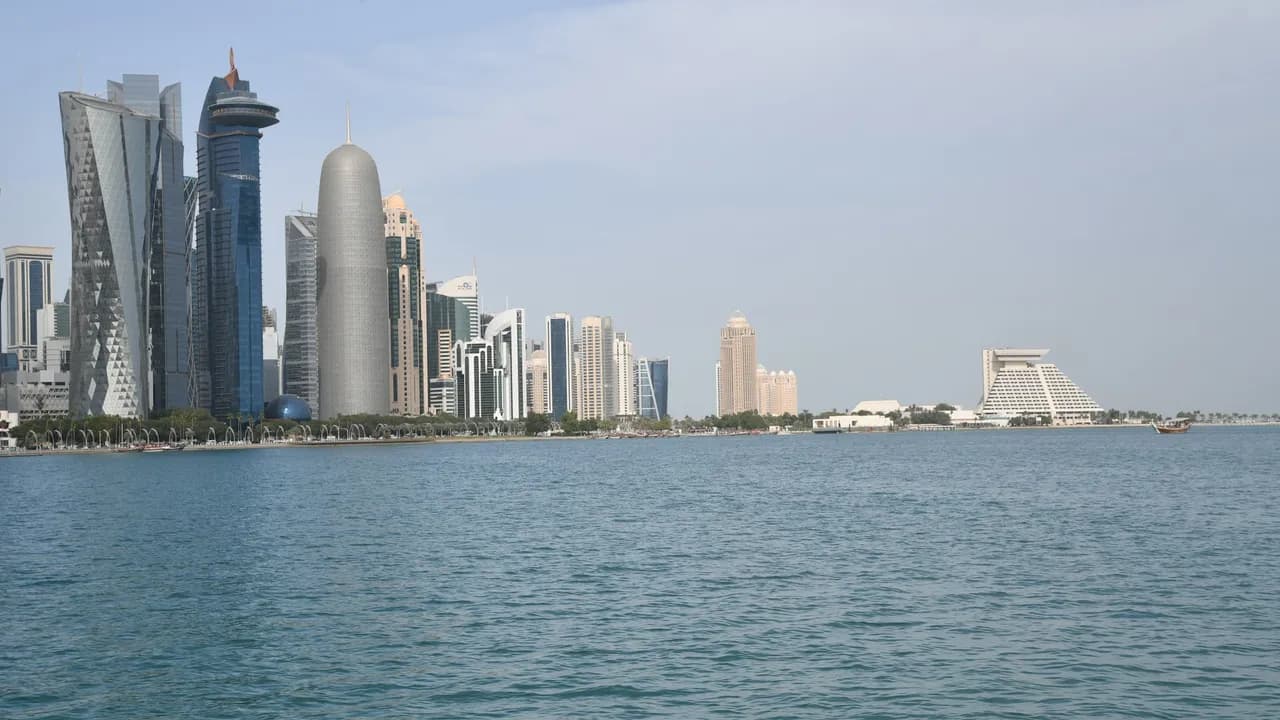
Al Wakra
Avg. Price: €
873 properties available
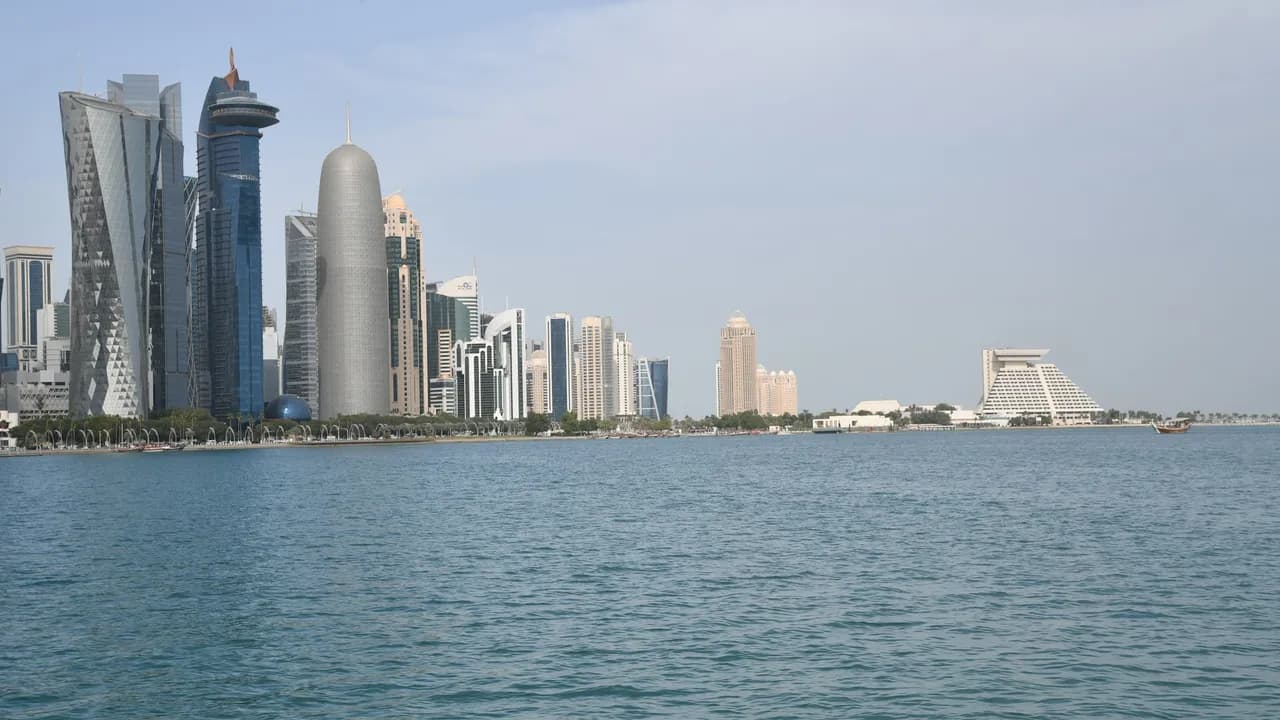
Umm Salal Mohammed
Avg. Price: €
112 properties available

Al Daayen
Avg. Price: €
89 properties available

Umm Salal Mohammad
Avg. Price: €
79 properties available
Al Shamal
Avg. Price: €
64 properties available
Al Khor
Avg. Price: €
63 properties available
Financing & Legal Information
Essential information for property investment in Qatar.
Frequently Asked Questions About Doha
Common questions about property investment in Doha, Qatar
Find Your Perfect Property in Doha
Our local specialists are ready to assist you. Get personalized property recommendations and expert guidance.
About Doha, Qatar
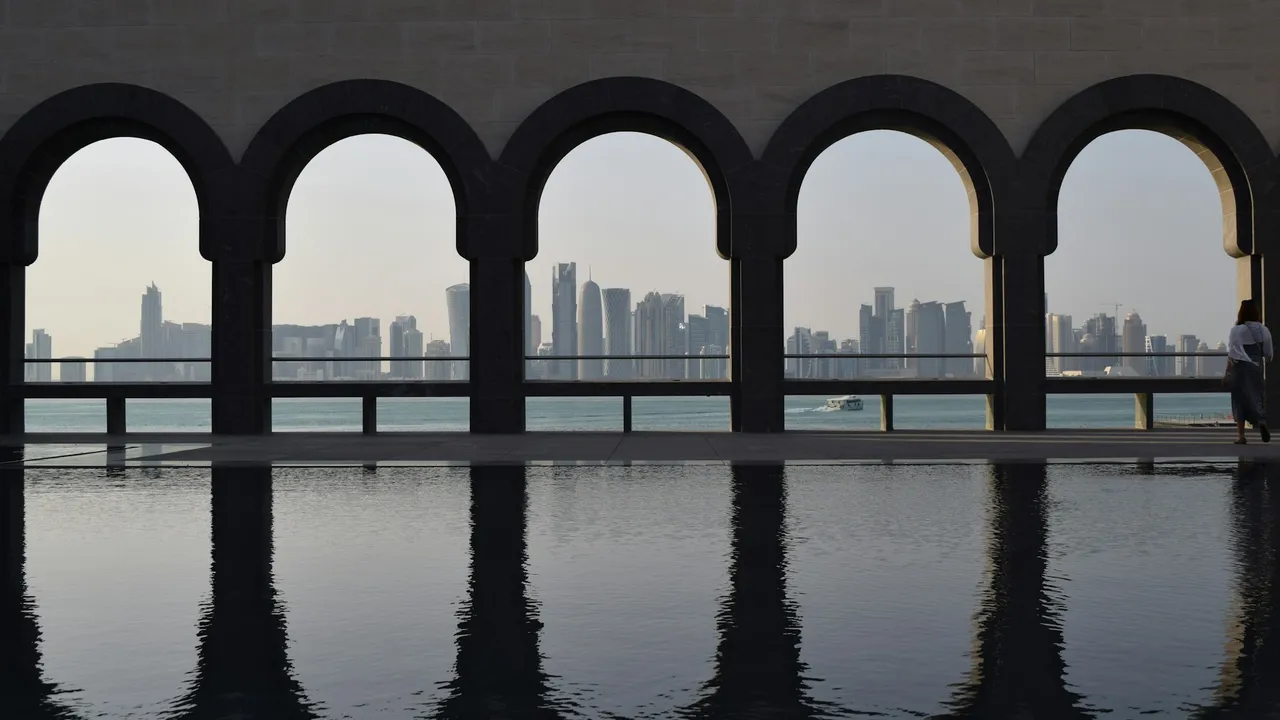
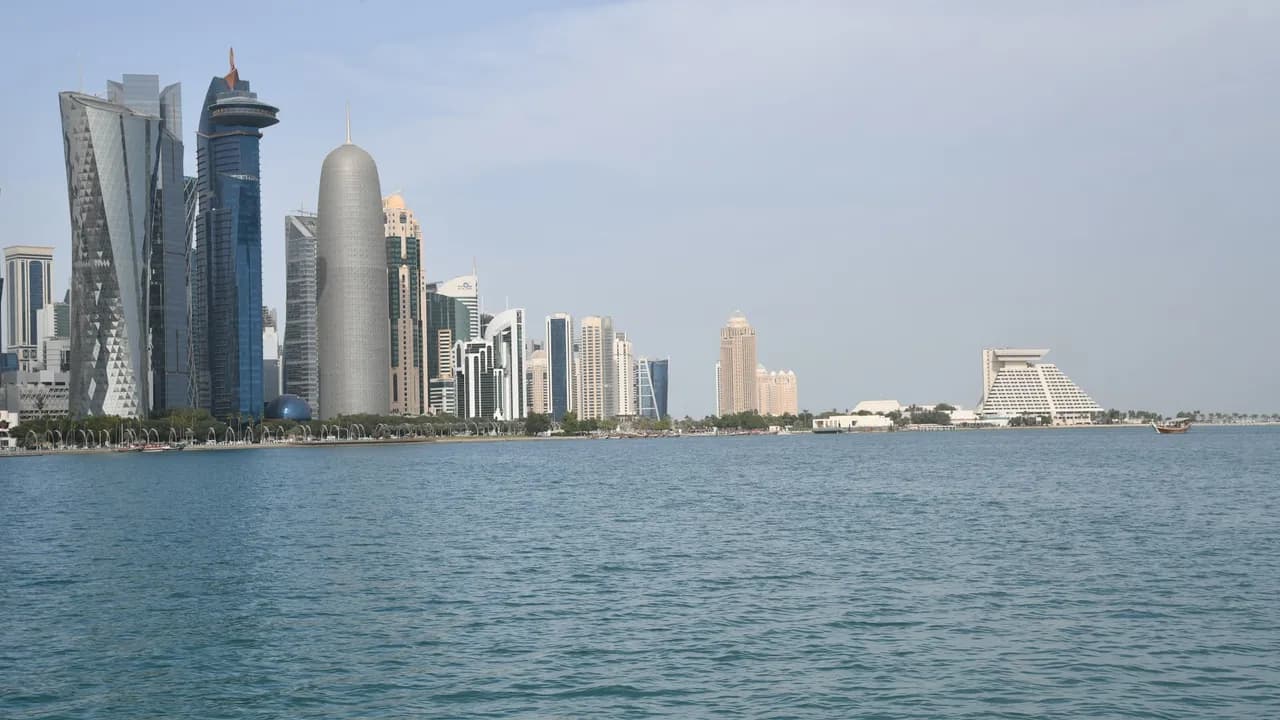
Doha, the vibrant capital of Qatar, is a dynamic coastal city known for its blend of traditional charm and modern sophistication. As a major business hub and cultural center, Doha offers a high quality of life and is an attractive destination for living and investing.
Property Types
- •Apartments
- •Villas
- •Houses
Lifestyle & Amenities
- •Stunning beaches
- •Rich cultural scene
- •Vibrant nightlife
- •International schools
Investment Potential
Doha's real estate market is booming, driven by strong rental demand and economic growth. The city's world-class infrastructure and thriving tourism industry make it a prime location for property investment.
Frequently Asked Questions About Doha, Qatar
Get answers to common questions about buying property in Doha.