
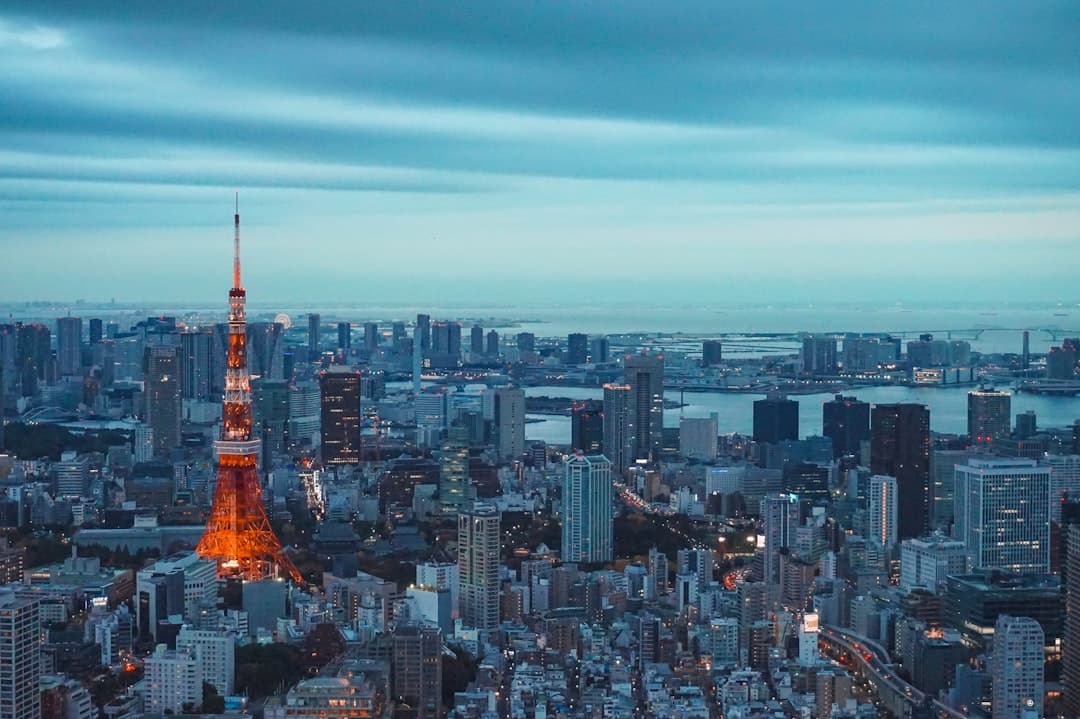
Buy Property in Tokyo
2,743+ Homes in Tokyo, Japan
Discover premium real estate opportunities in one of Japan's most sought-after locations.
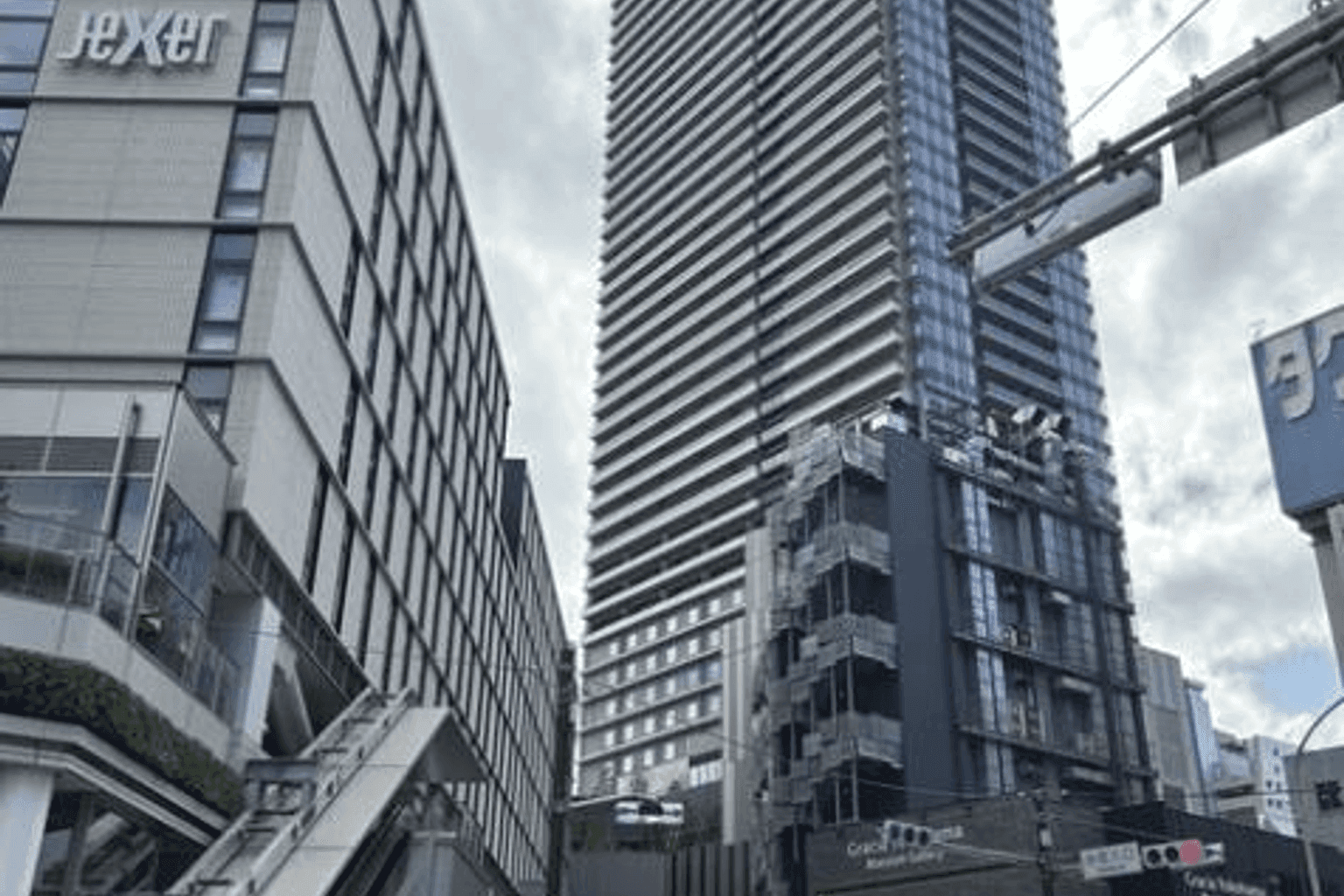
The YOKOHAMA FRONT Tower
JPY 122,000,000
€3,050,000/m²
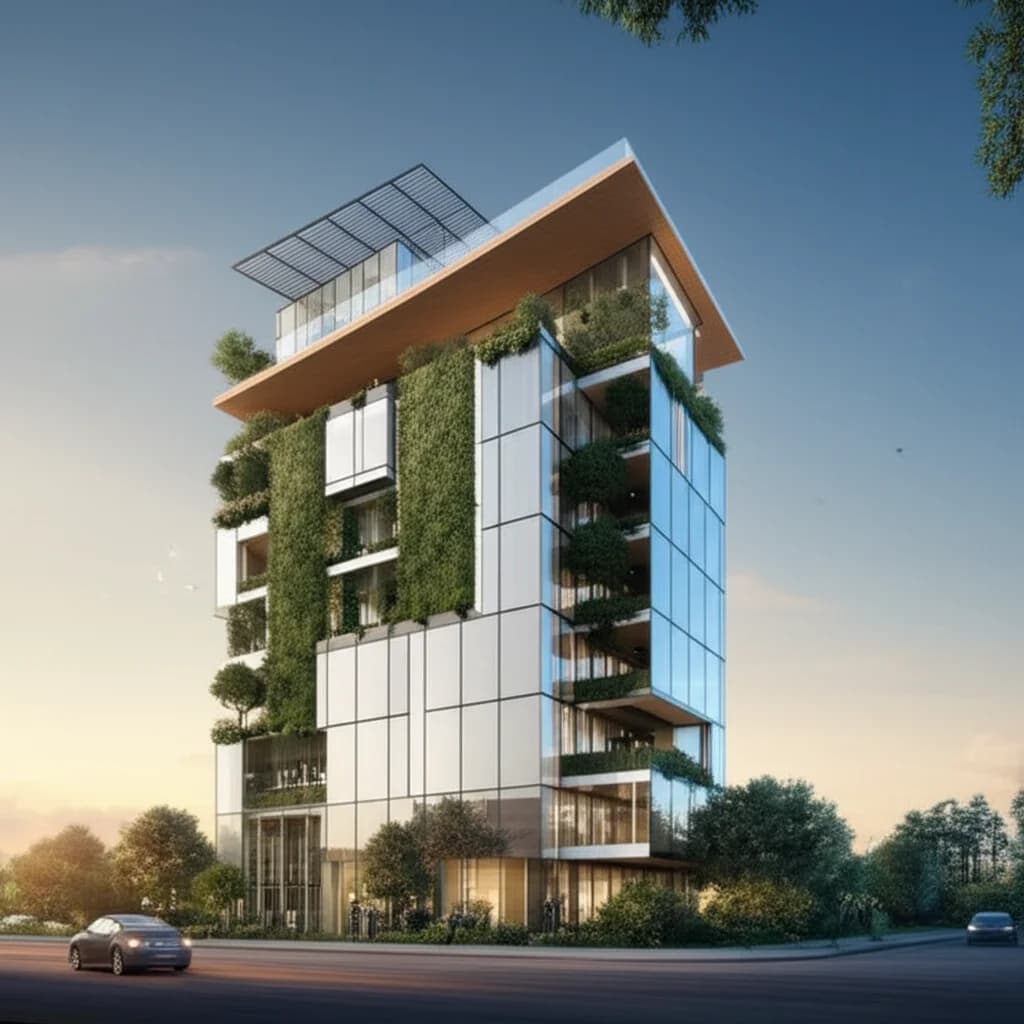
Tama New Town Renewal
JPY 0
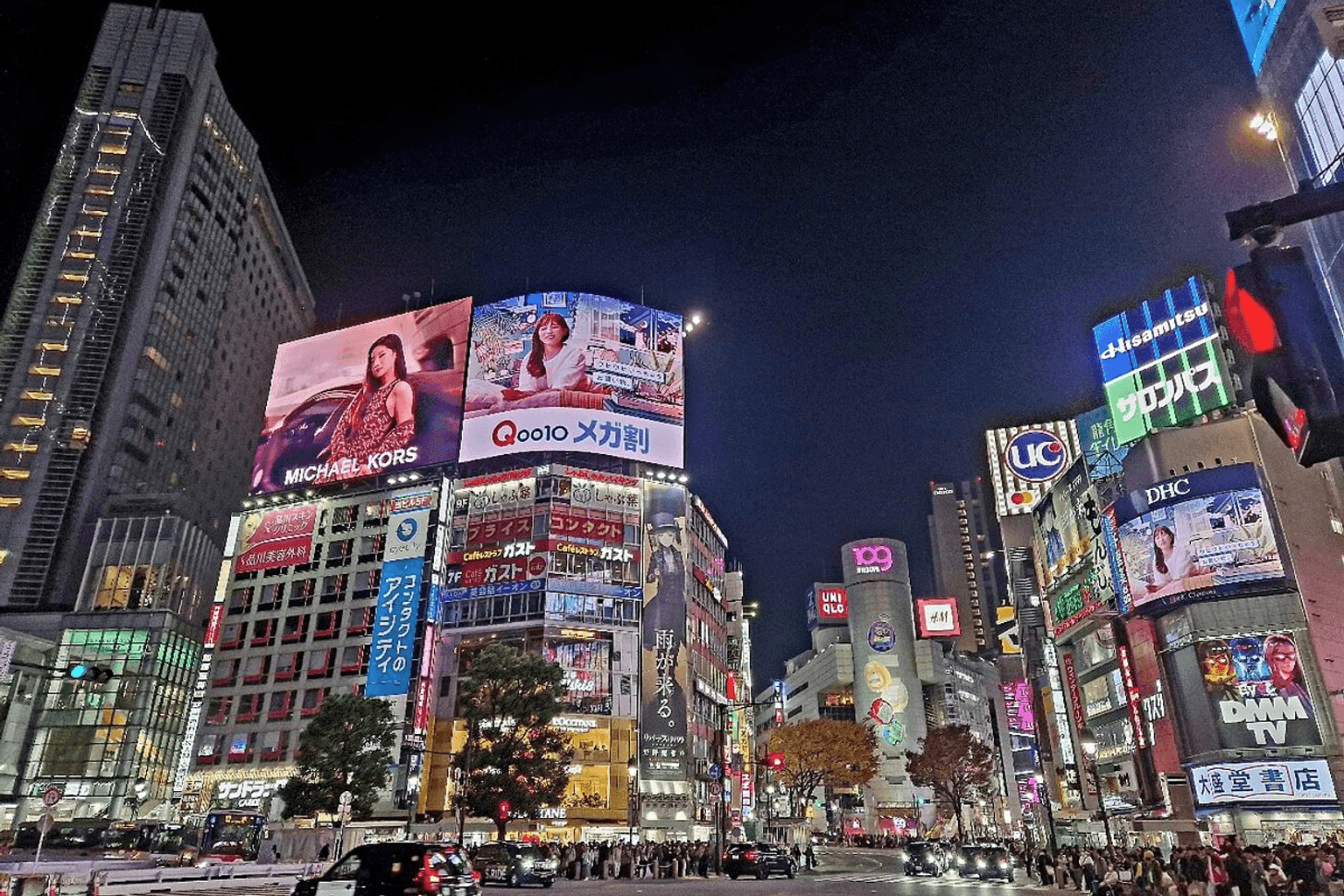
Shibuya Scramble Square
JPY 0
Tachikawa Base Redev
JPY 0
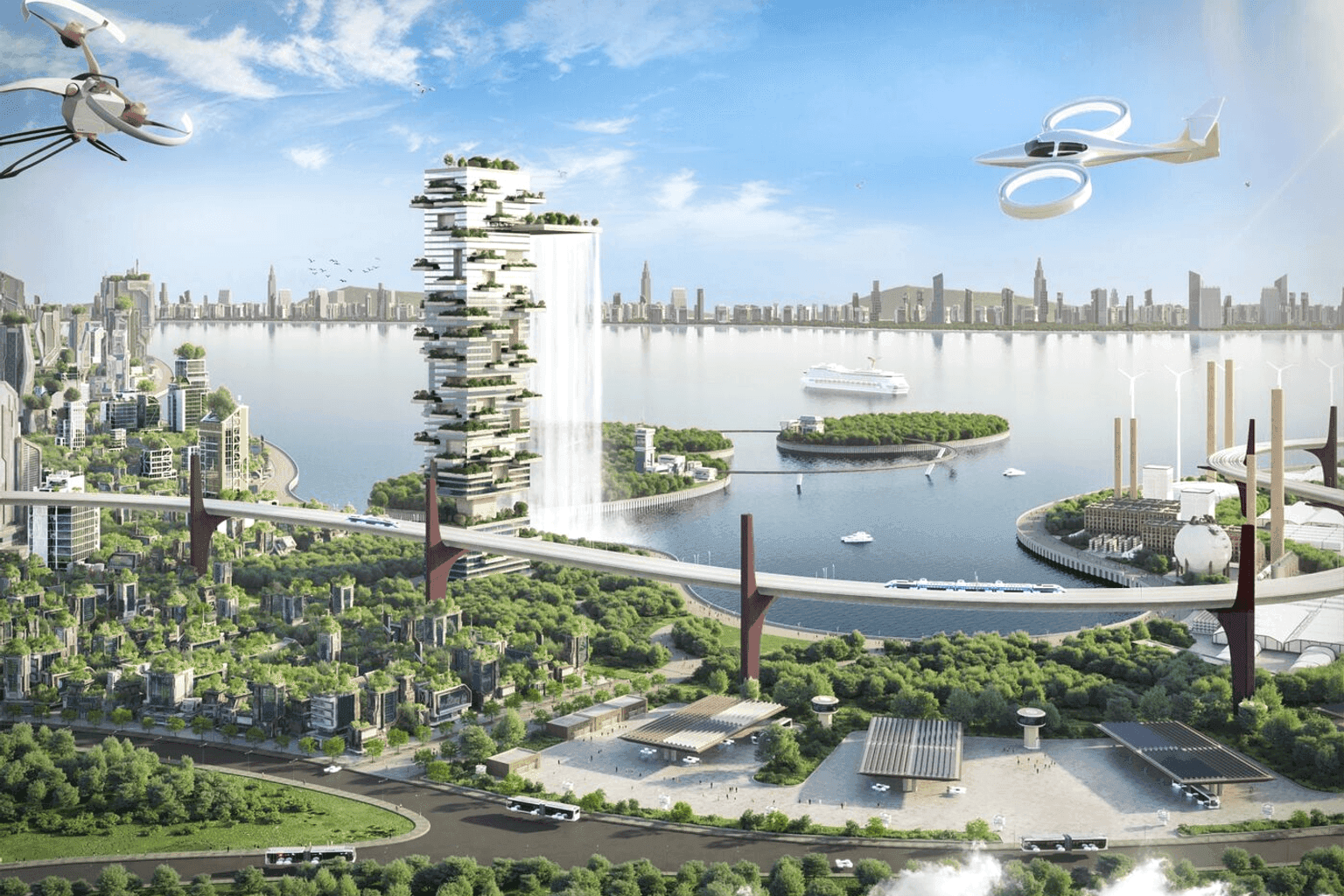
Tokyo Bay eSG Project
JPY 0
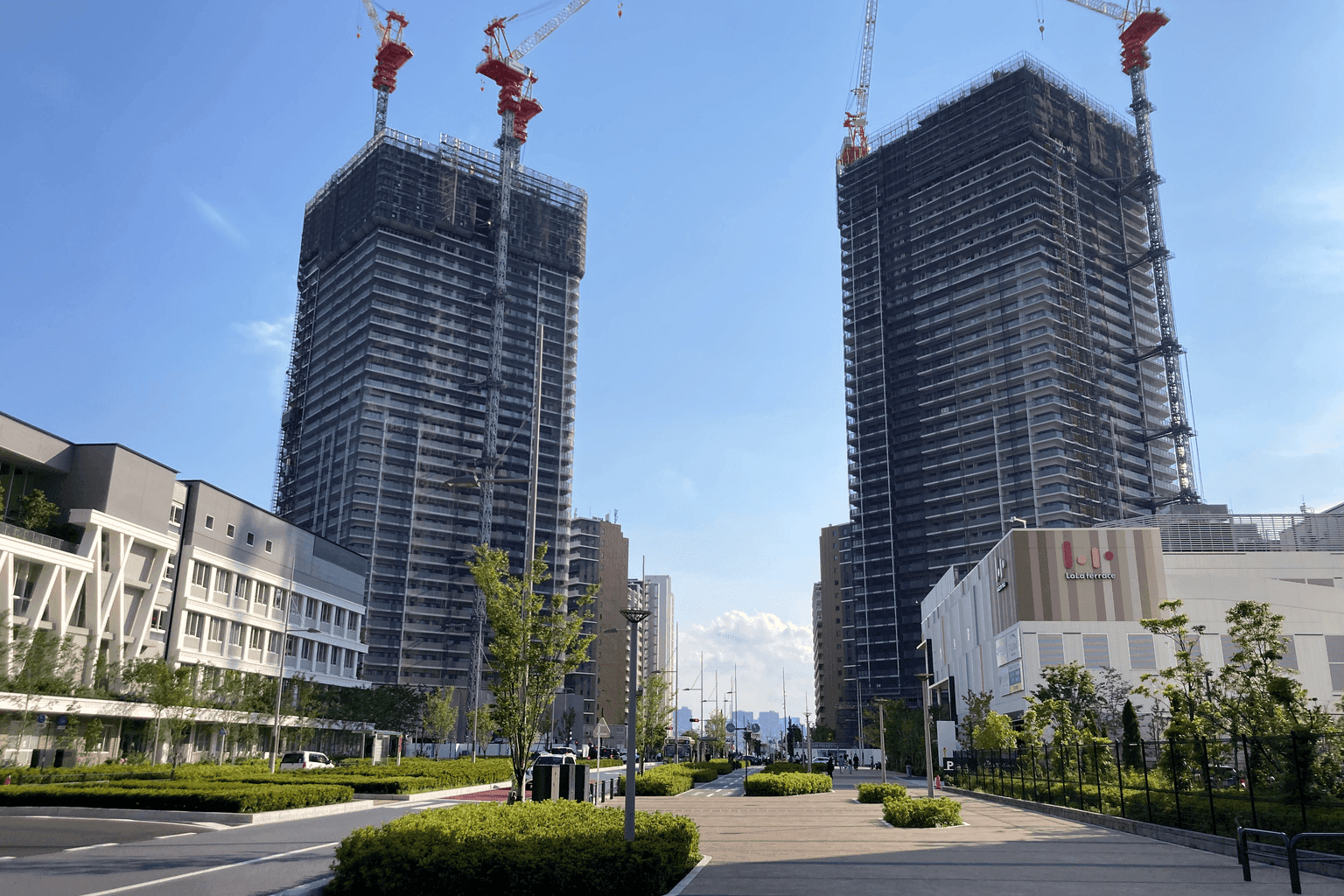
Harumi Flag
JPY 115,000,000
€1,916,666.667/m²
Kawasaki Musashi Kosugi expansions
JPY 0
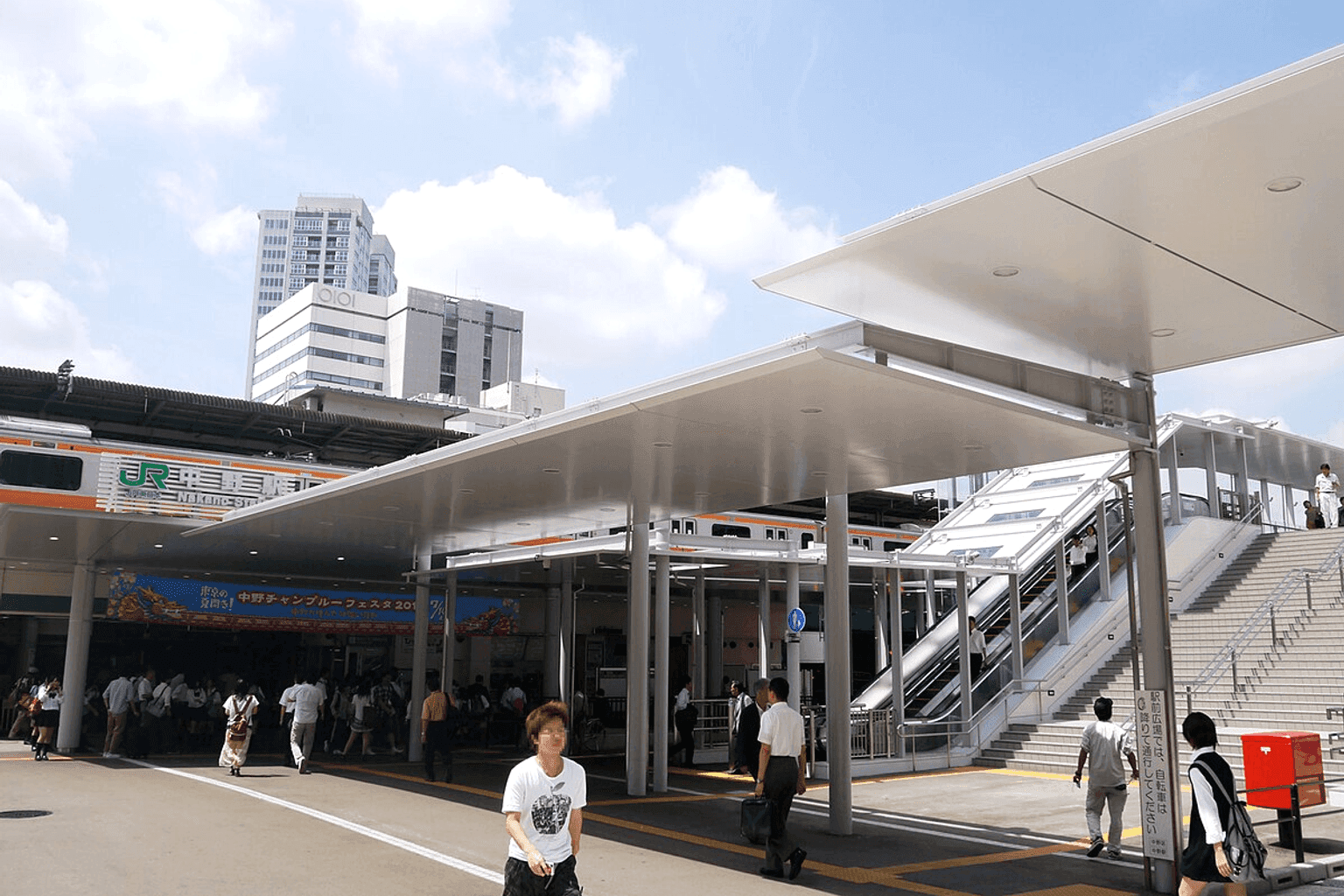
Nakano Station North Redev
JPY 0
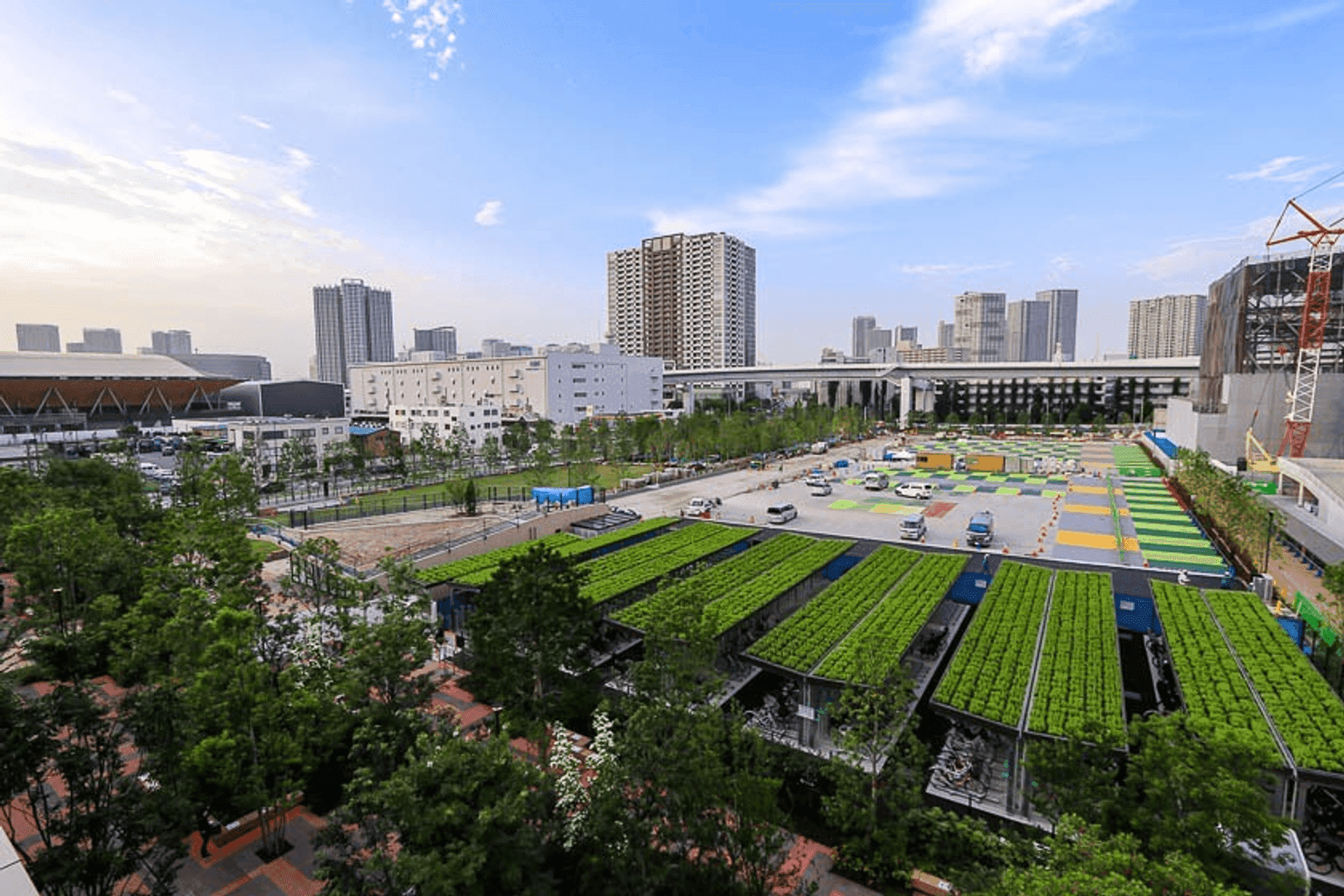
Ariake Garden City
JPY 0
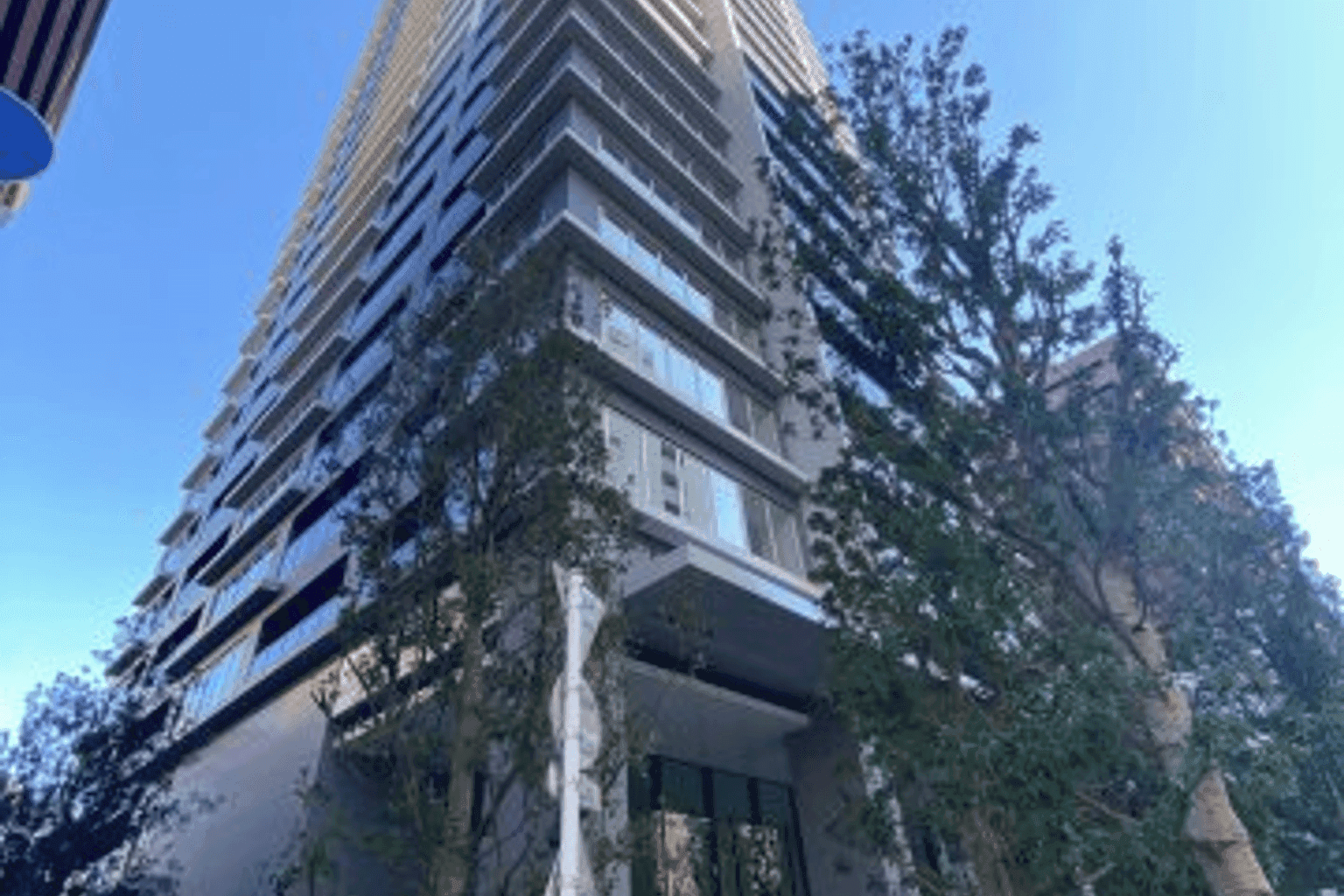
Classy Tower Shinjuku Gyoen
USD 268,000,000
€8,933,333.333/m²
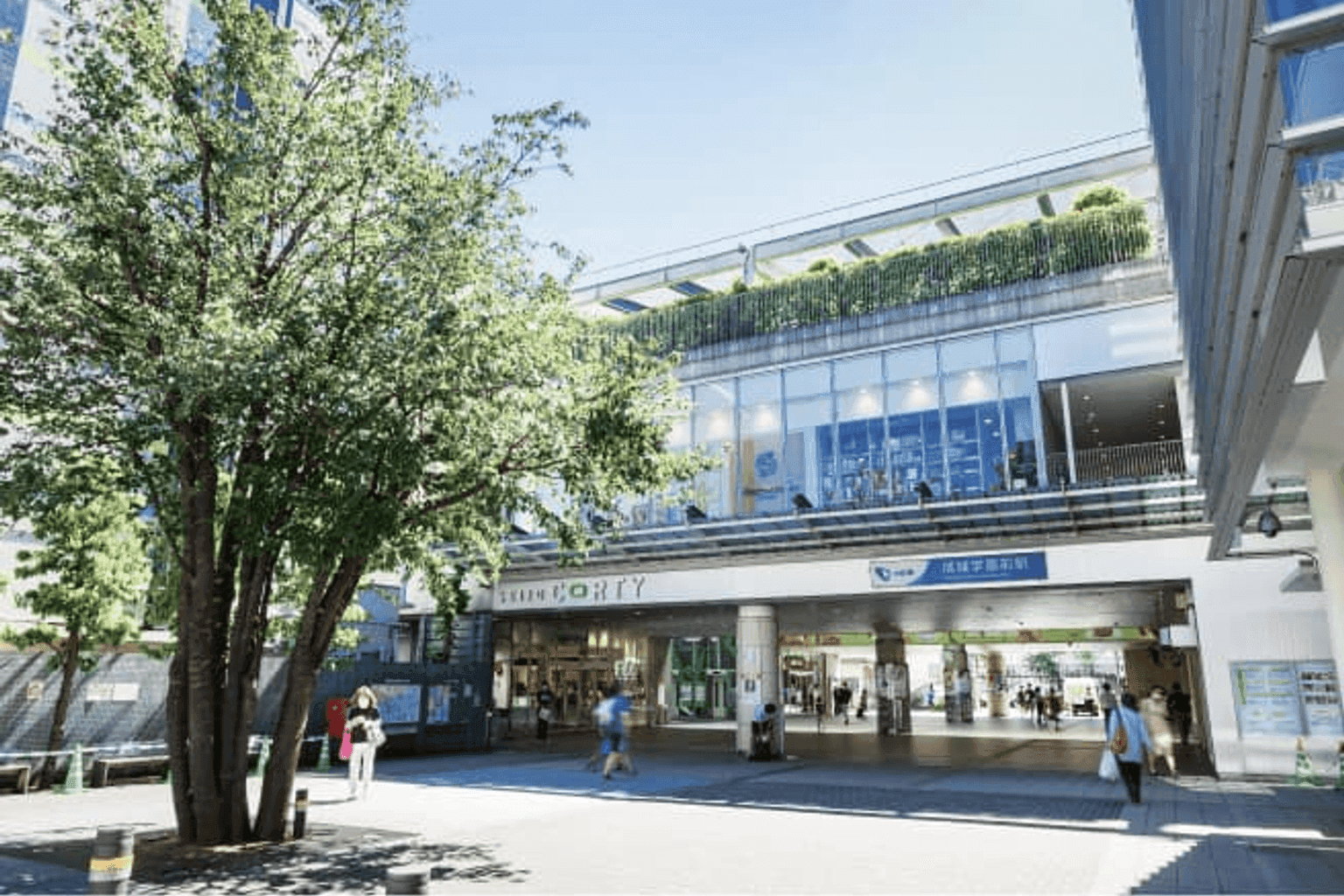
Grand Maison Suginami Eifukuchō
JPY 49,800,000
€721,739.13/m²
Hafu Town Koganei
JPY 35,800,000
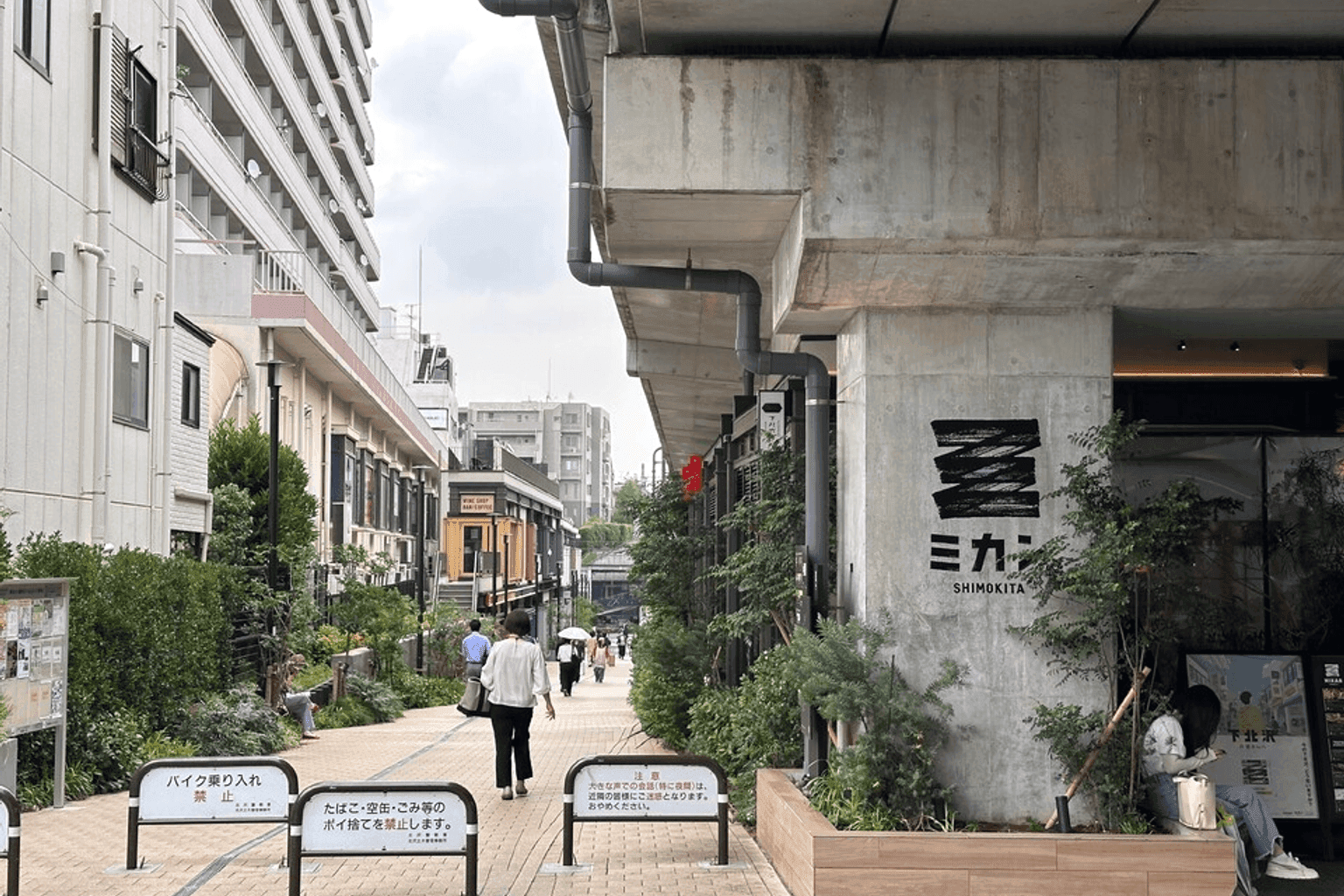
Shimokitazawa Redev Projects
JPY 0
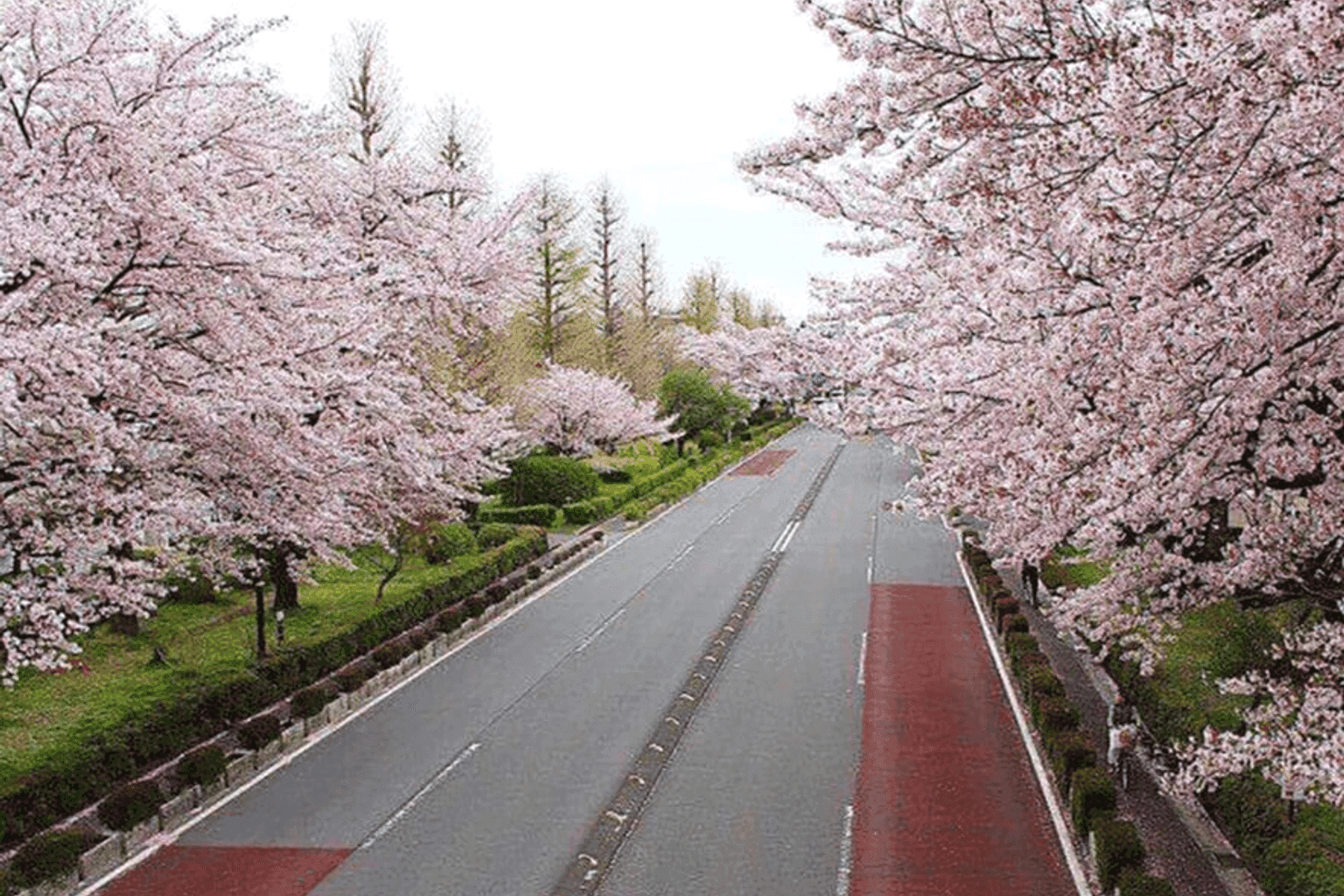
Proud City Kunitachi
JPY 49,980,000
€609,512.195/m²
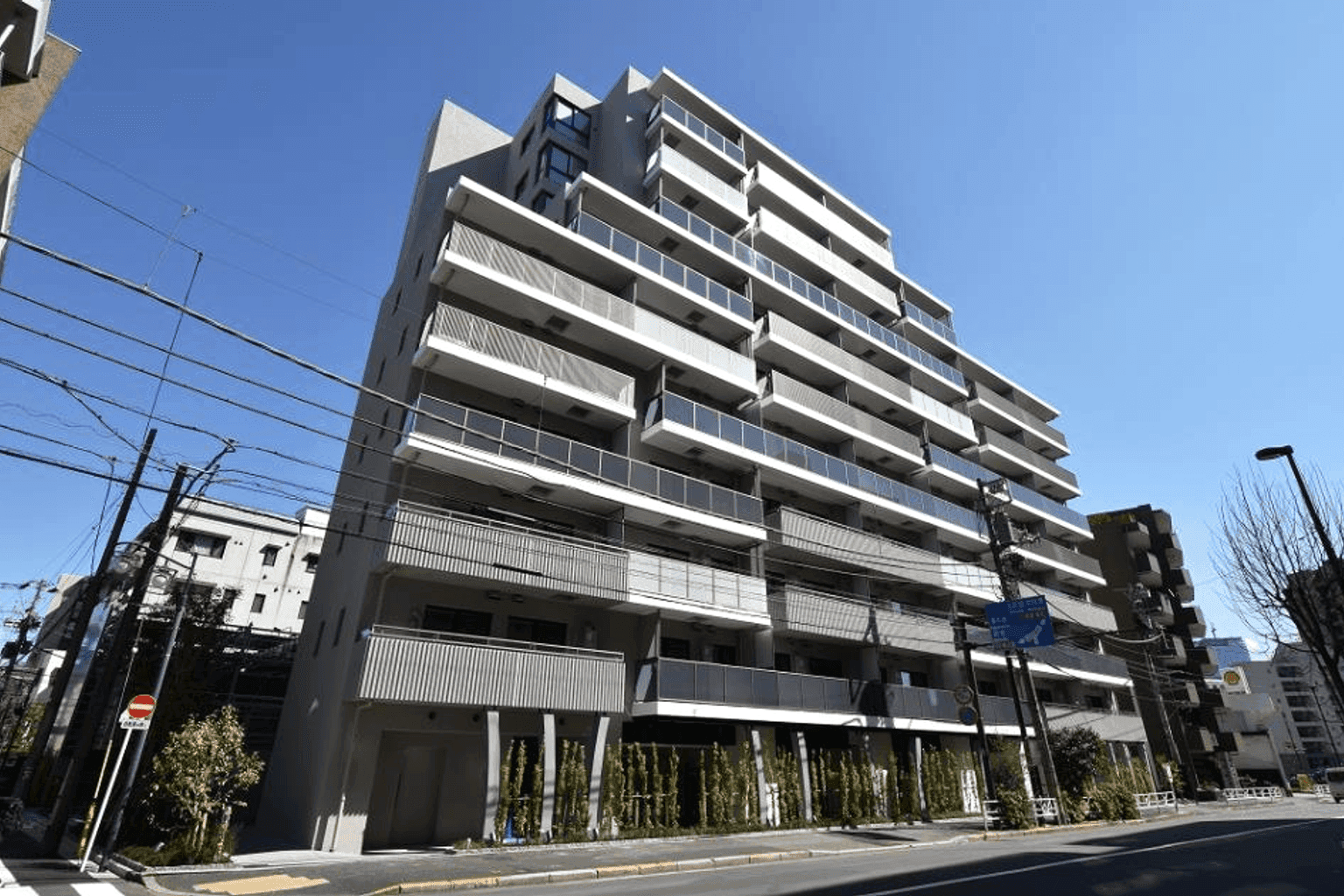
Proud Tanashi South Avenue
JPY 0
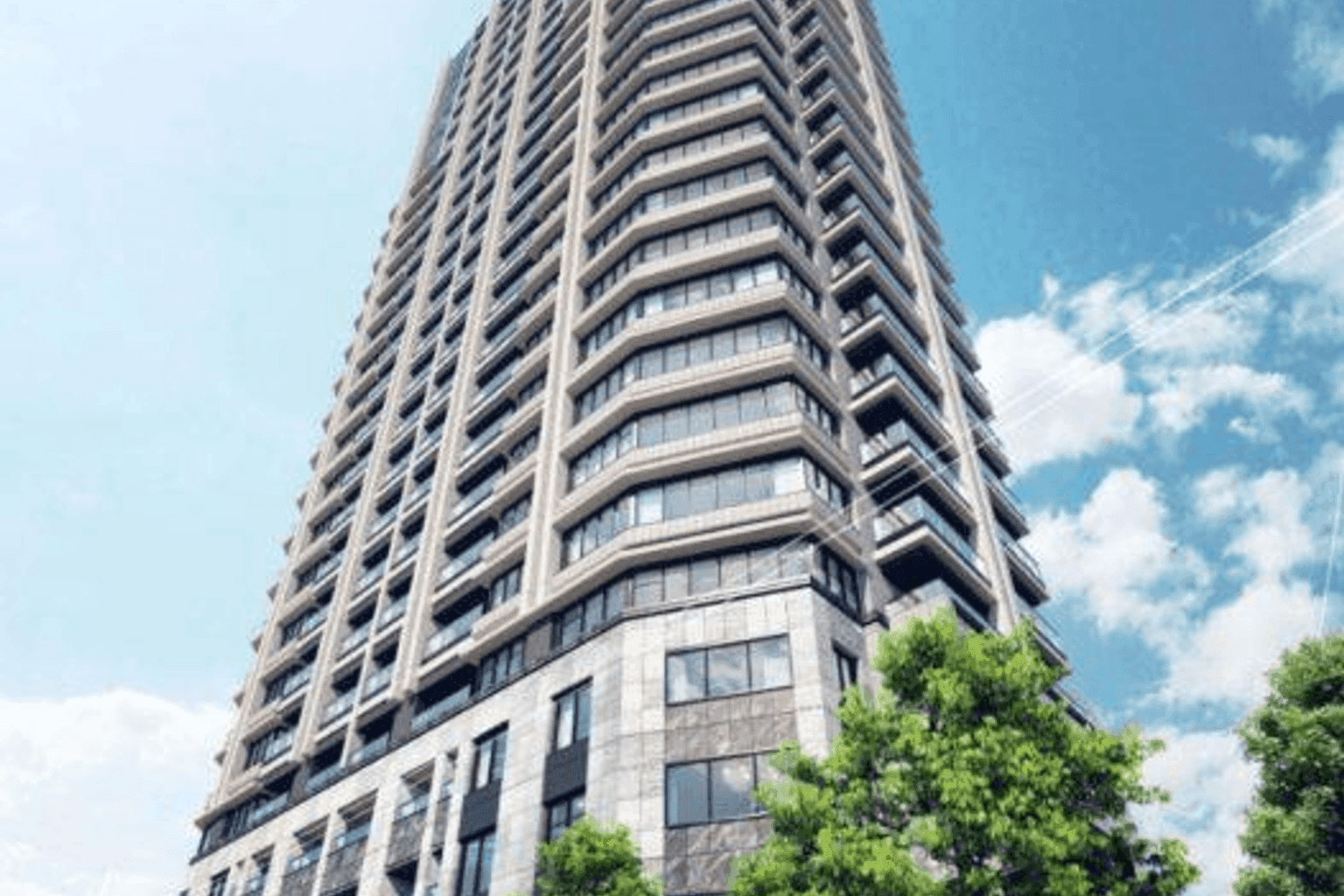
Proud Tower Shibuya
EGP 1,000,000
€14,285.714/m²
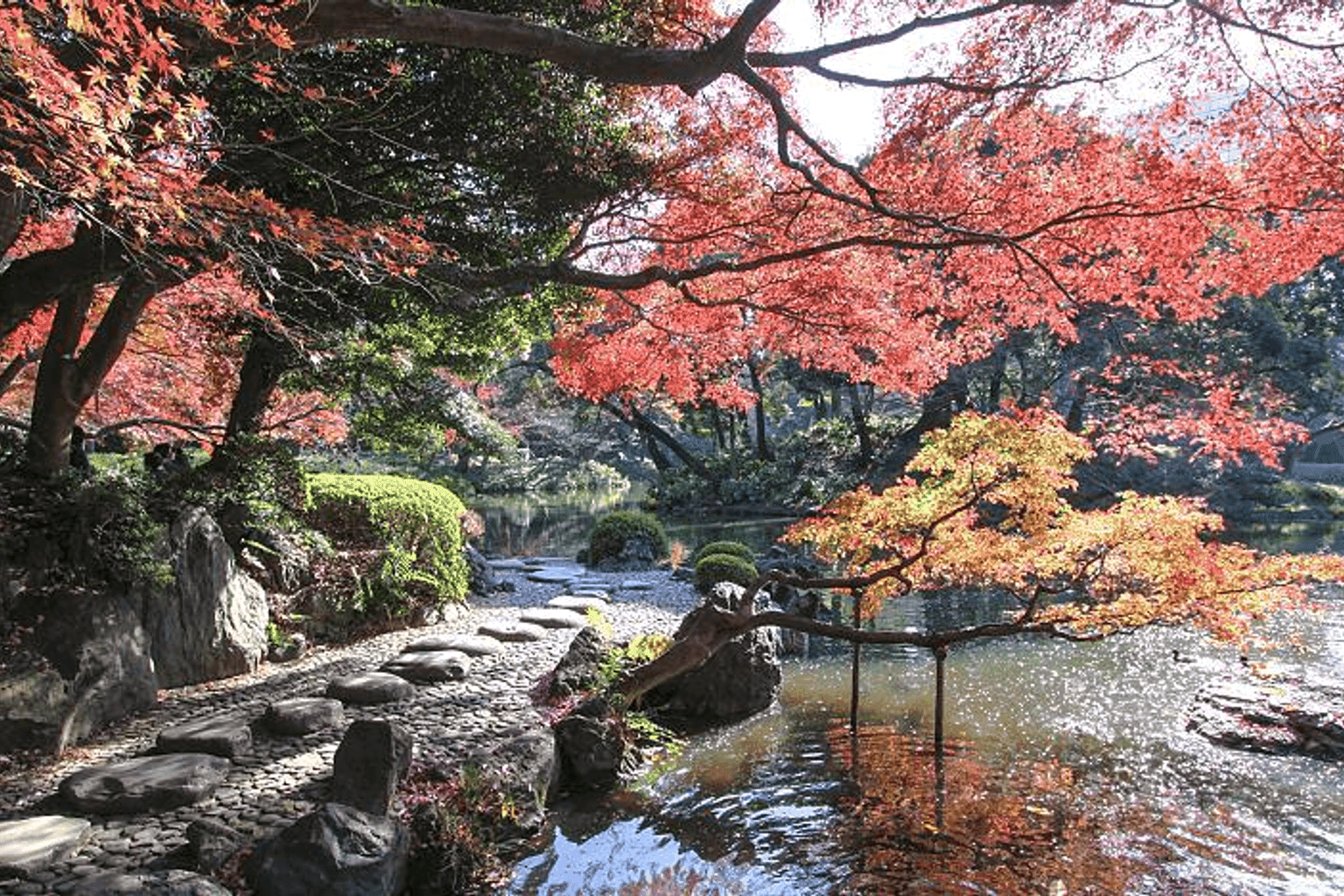
Livio City Bunkyō Koishikawa
JPY 70,000,000
€1,750,000/m²
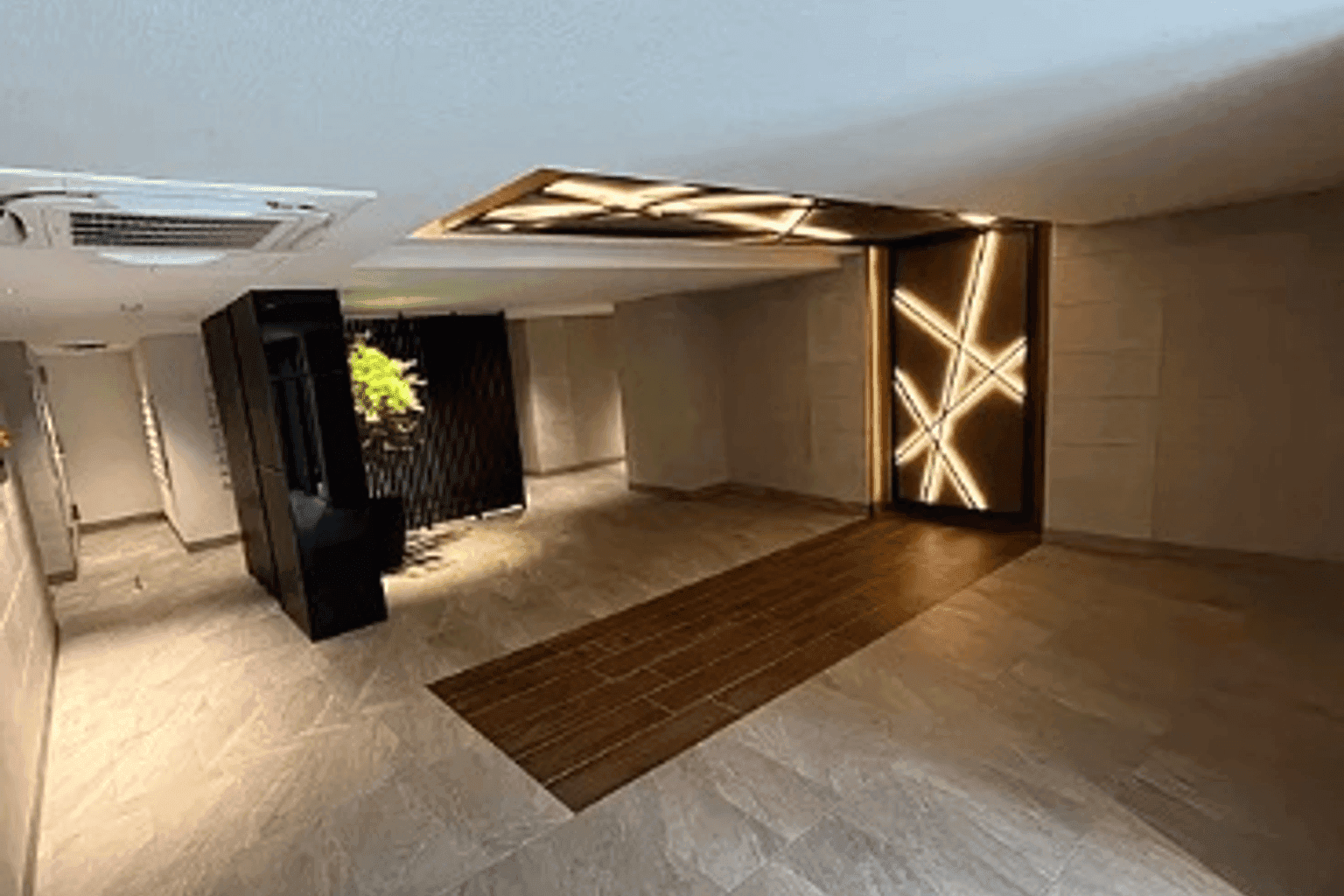
Park Homes Iriya
JPY 0
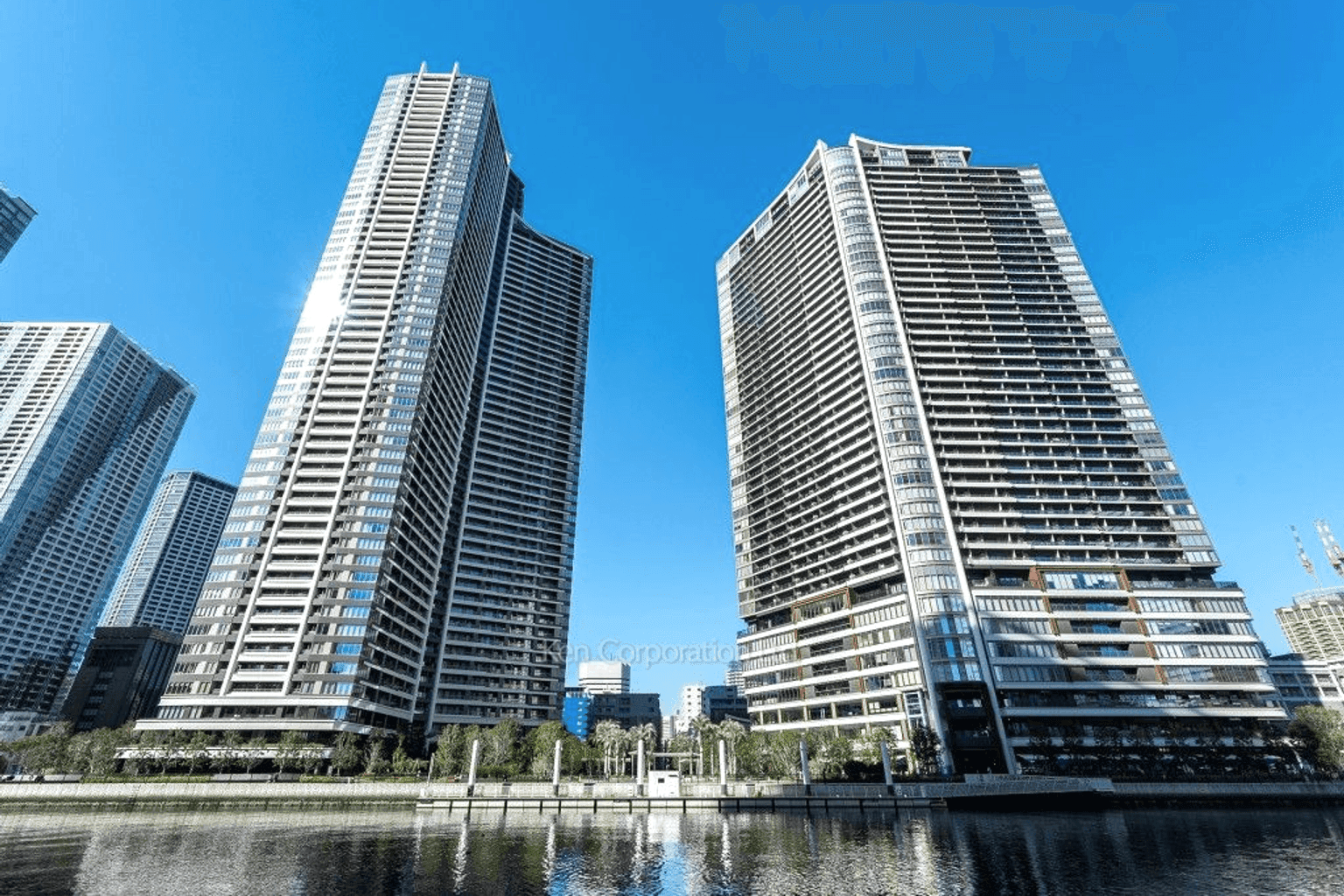
Park Tower Kachidoki Mid/South
JPY 238,000,000
€3,661,538.462/m²
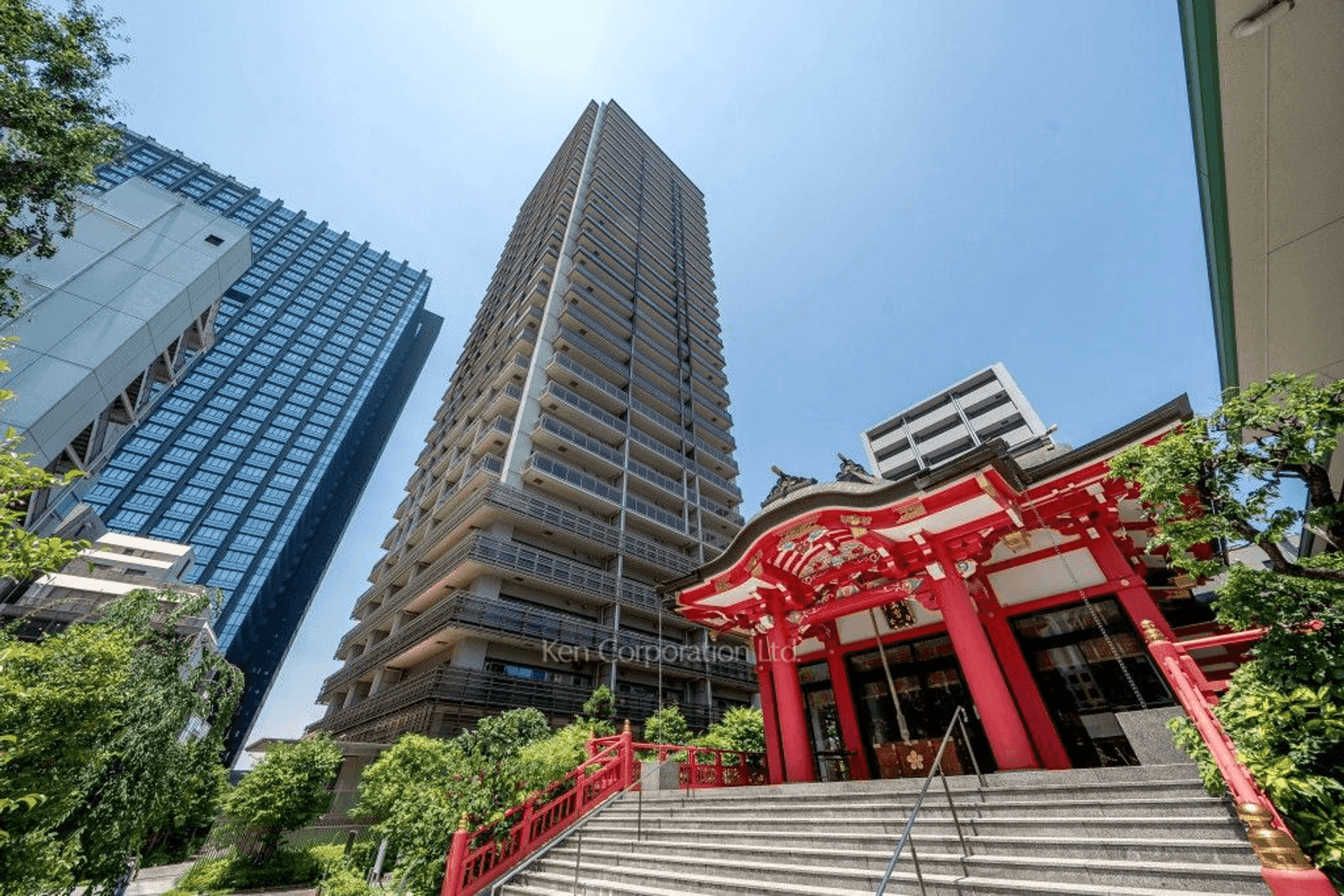
Park Tower Nishi-Shinjuku
JPY 55,000,000
€1,375,000/m²
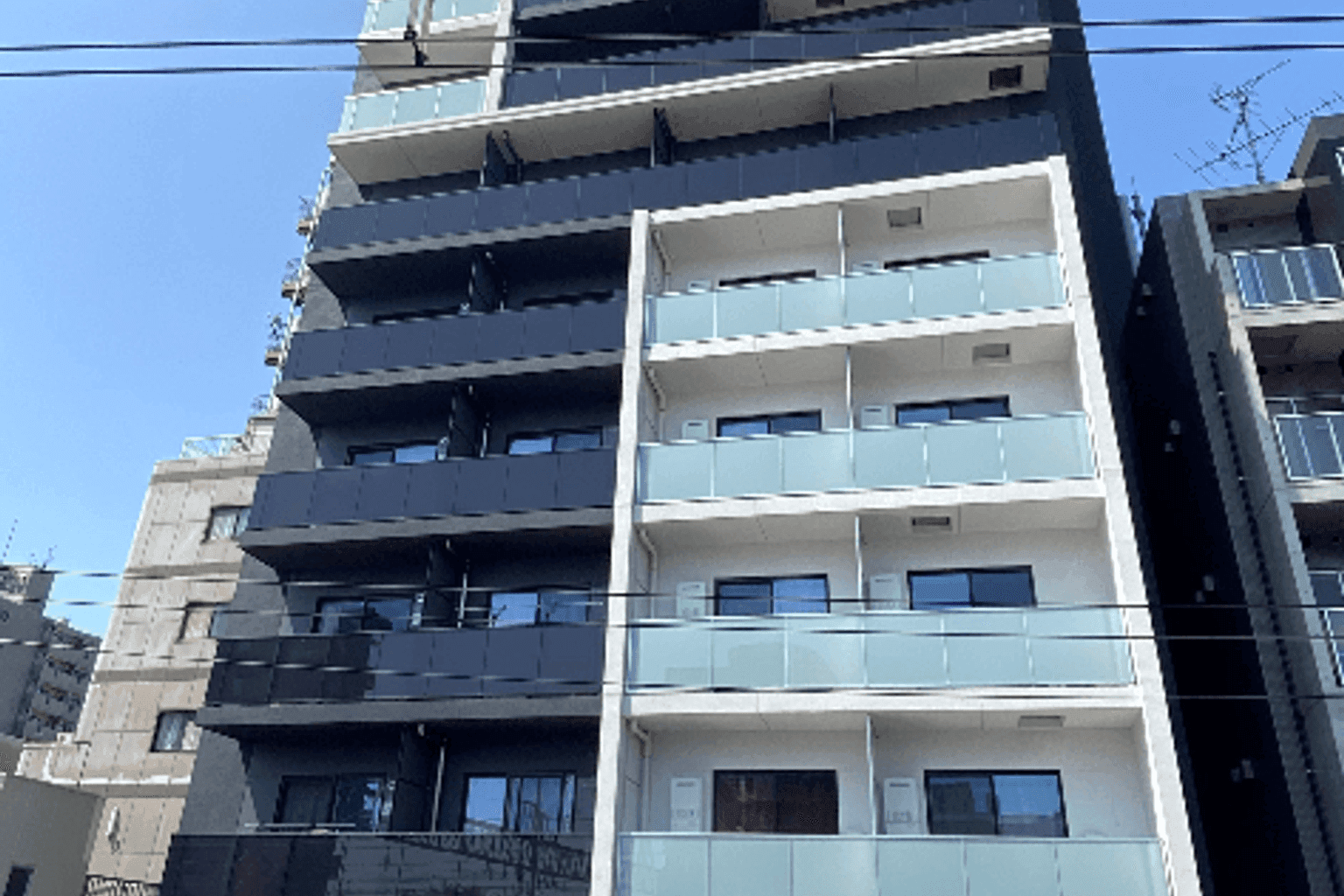
Park Tower Shibuya Sasazuka
JPY 79,900,000
€1,775,555.556/m²
Pierce Shakujii Kōen
JPY 45,800,000
€817,857.143/m²
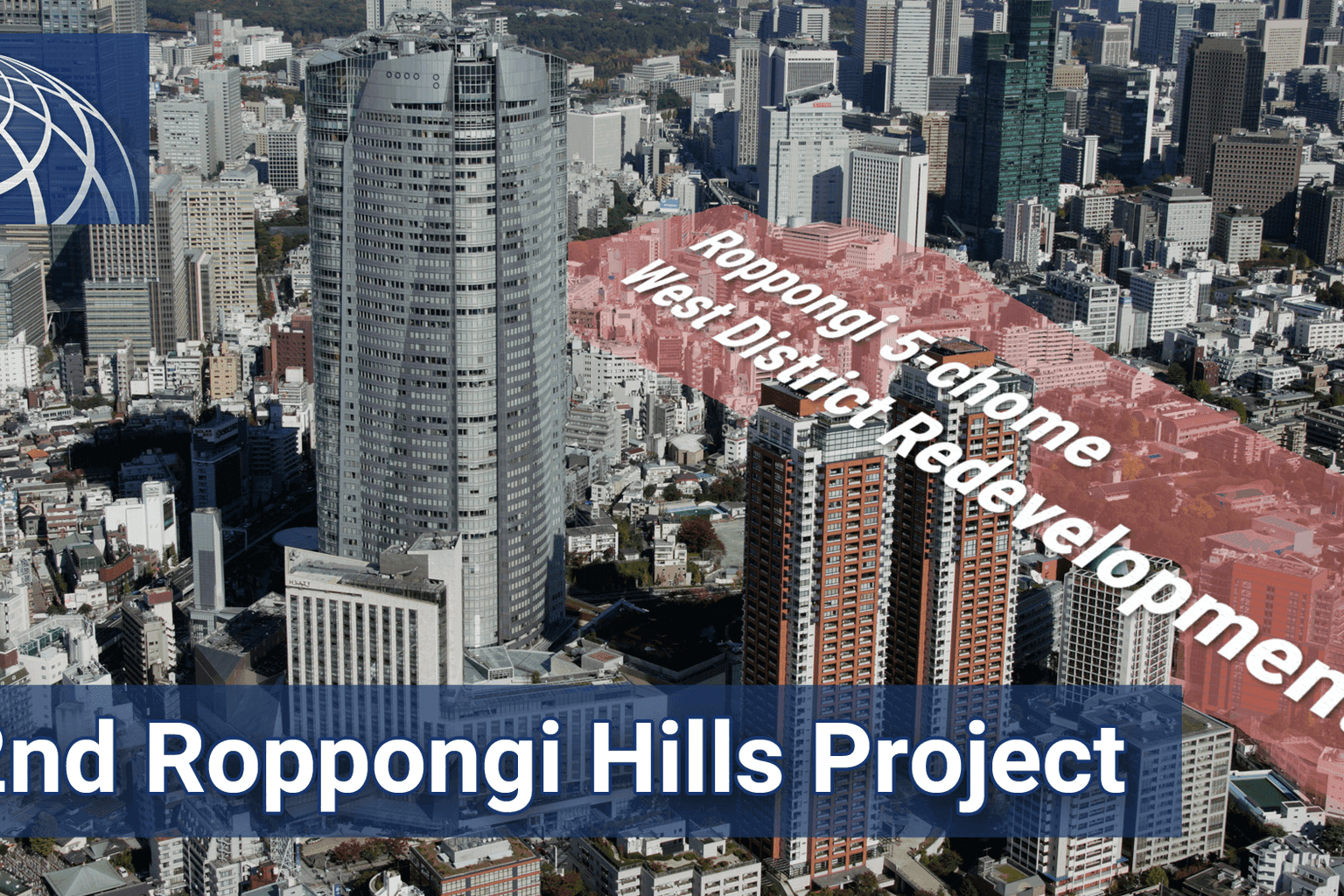
Roppongi 5-Chome Redev
JPY 0
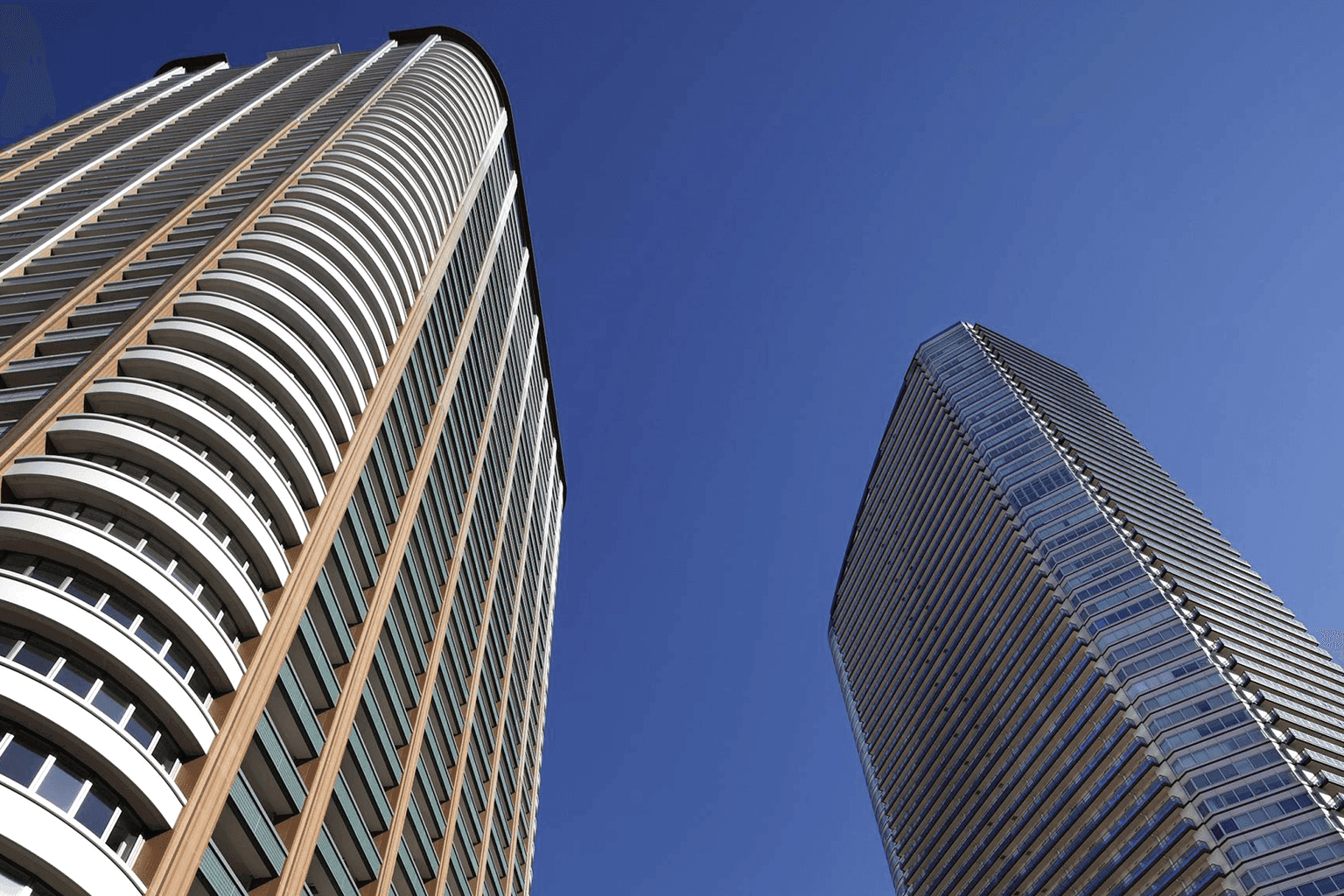
The Parkhouse Musashi-Kosugi Towers
JPY 0
Toranomon-Azabudai Project
JPY 20,000,000,000
€160,000,000/m²
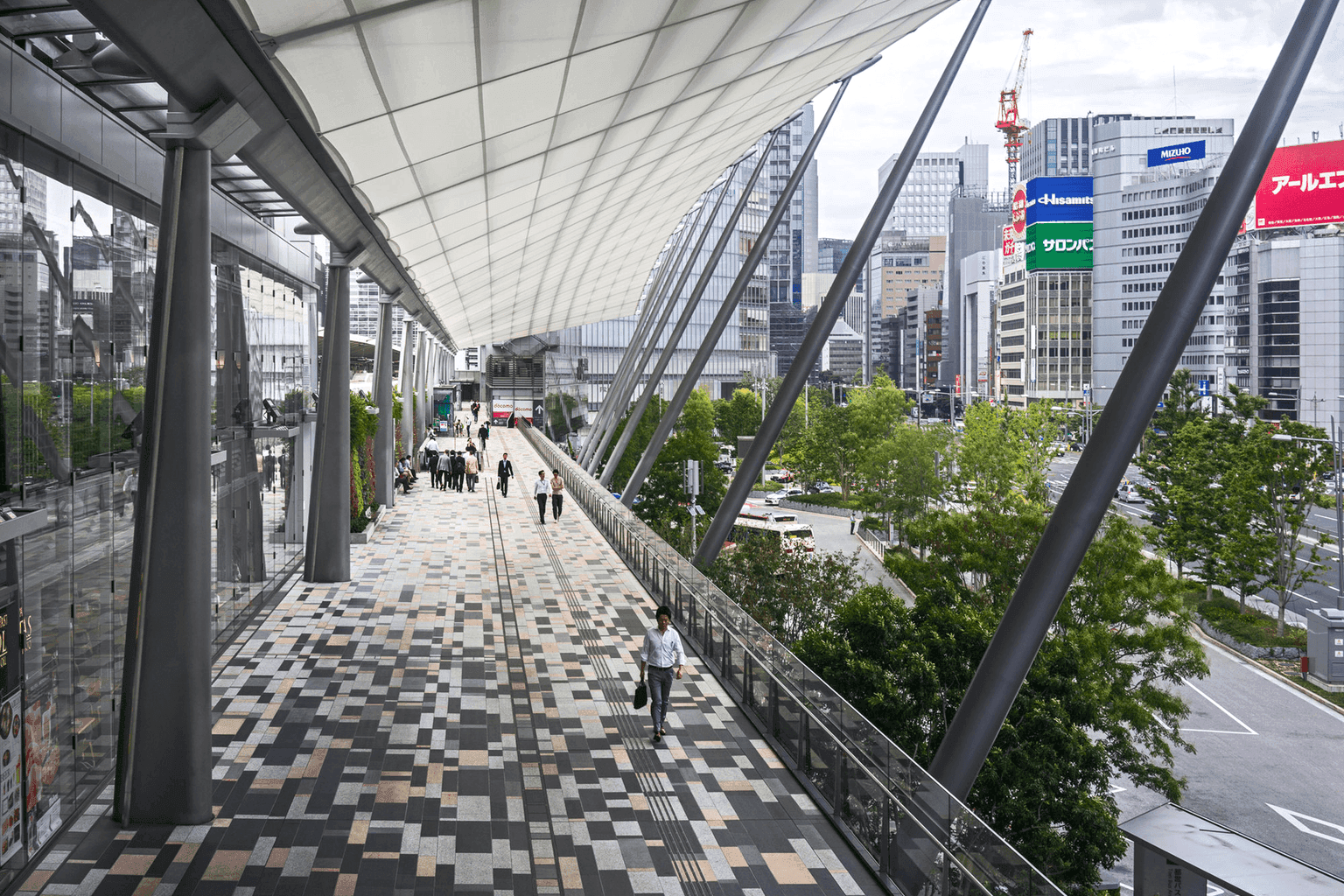
Yaesu Redevelopment
JPY 0
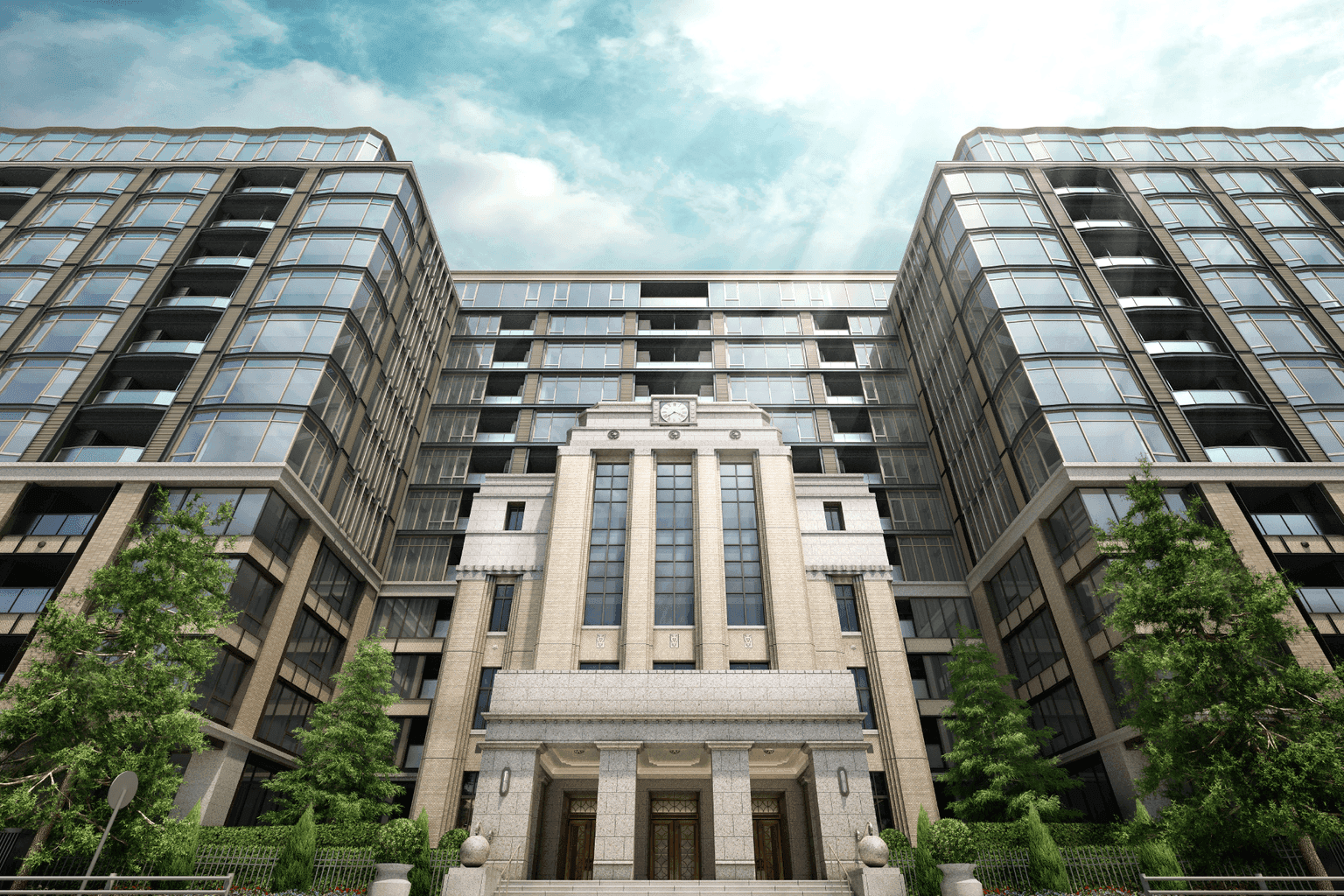
Mita Garden Hills
USD 870,000
€30,000/m²
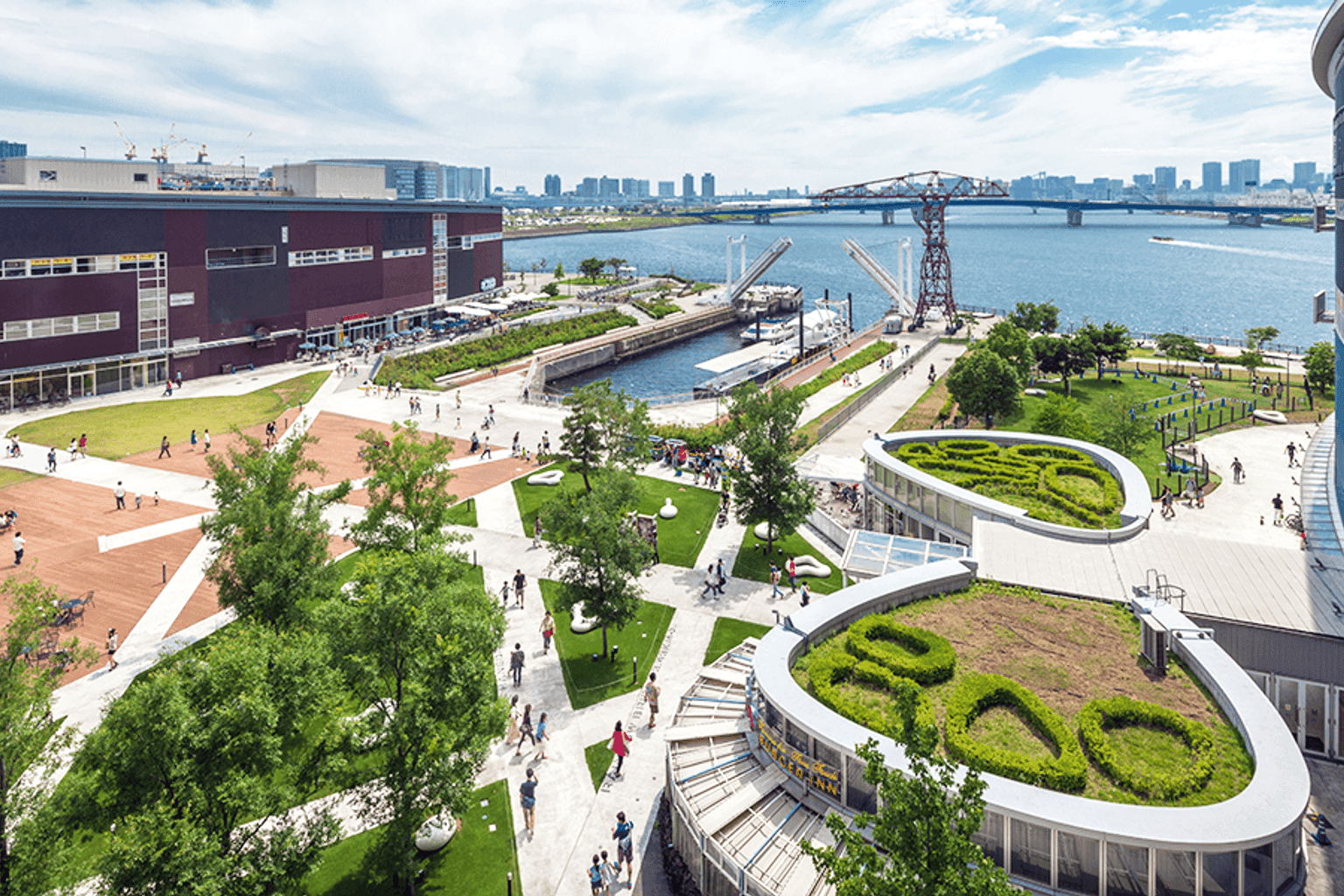
Mitsui Fudosan Toyosu Redev
JPY 0
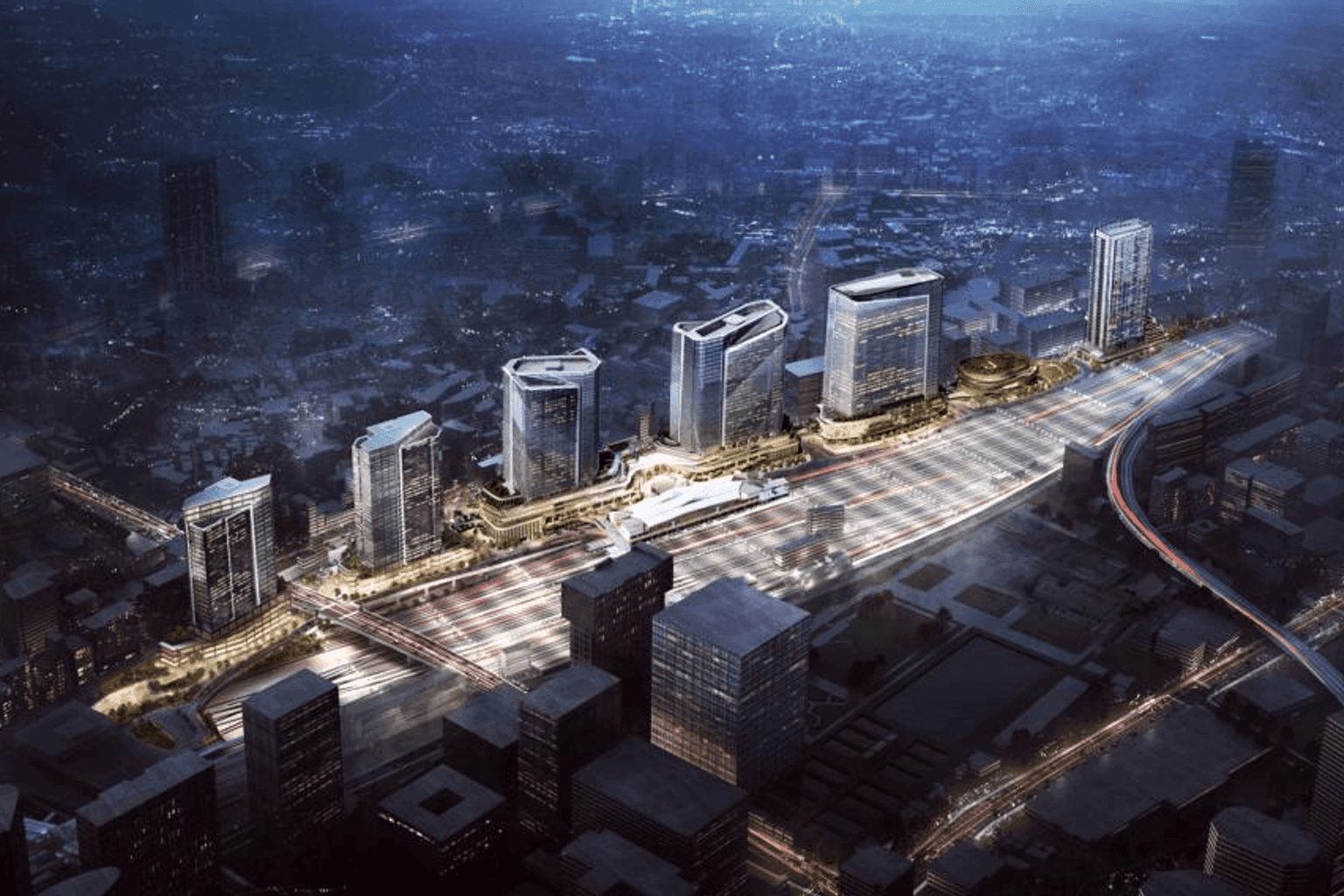
Shinagawa Development
JPY 0
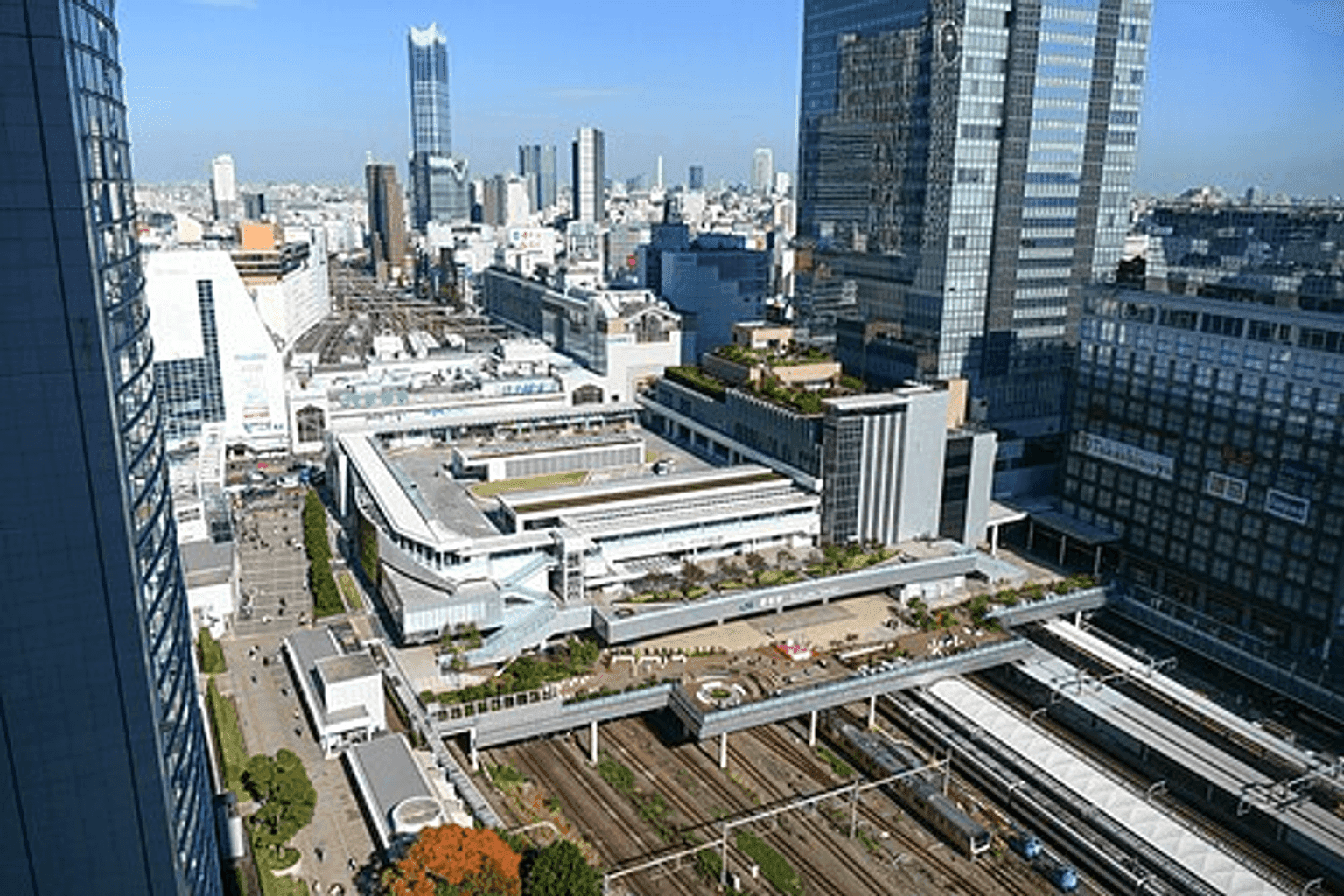
Shinjuku Station South Redev
JPY 0
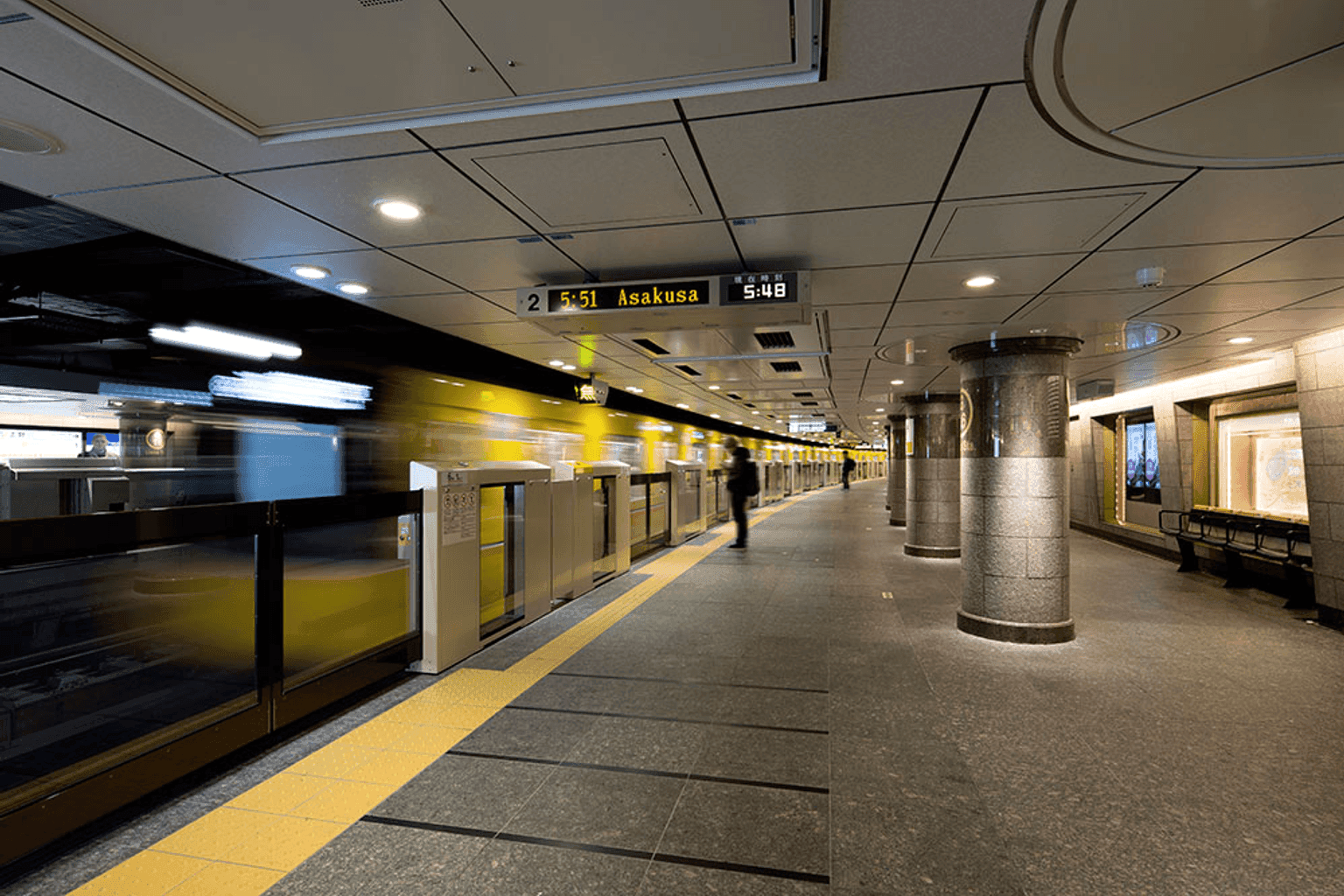
Ueno Station Area Renewal
JPY 0
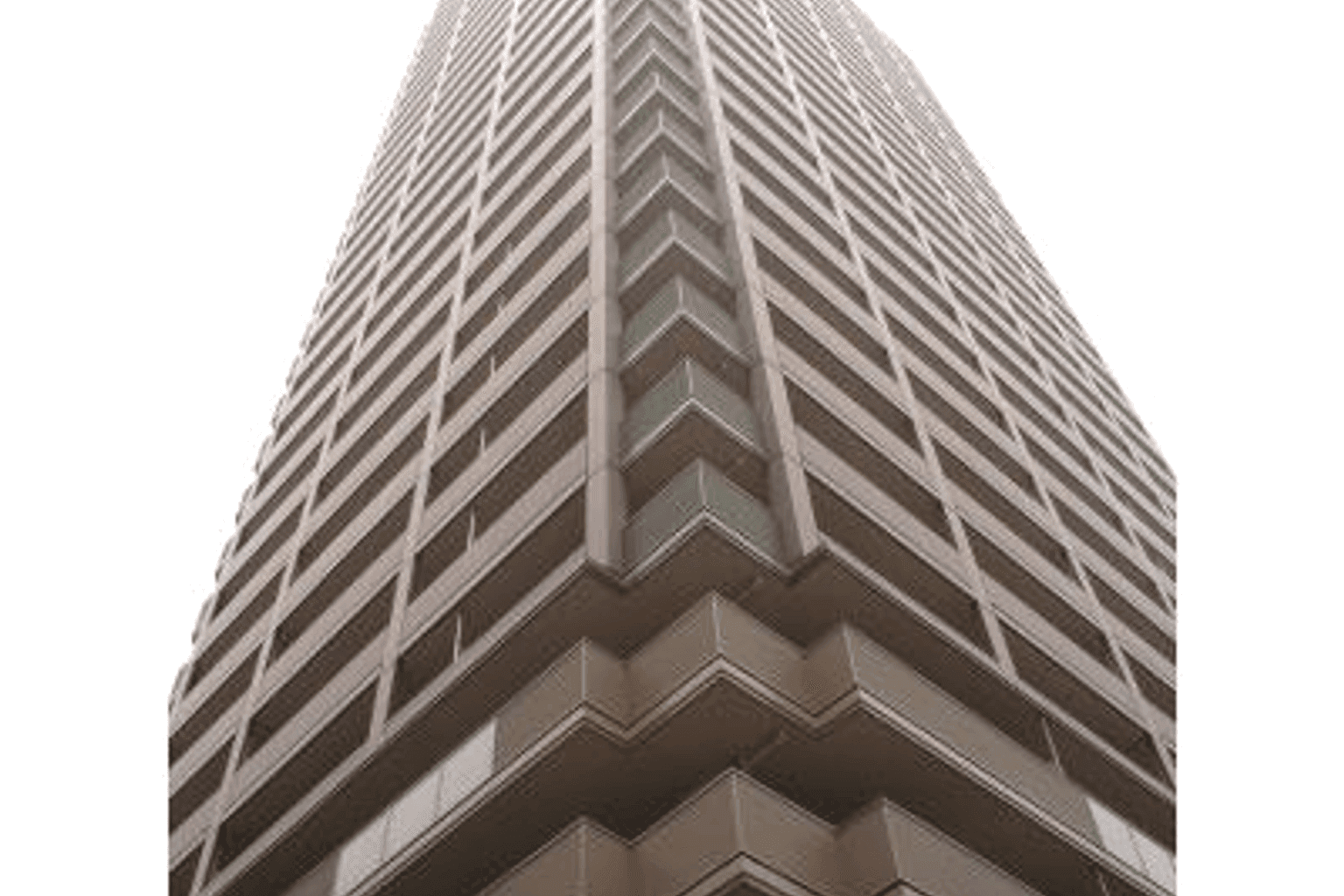
Laurel Court Tachikawa Nishikichō
JPY 29,800,000

3 Beds Apartment in Suginami-ku, Tokyo
Key Features:

3Beds Apartment in Shinagawa-ku, Tokyo
Key Features:

Yoyogi Sky Heights
Key Features:

4 Beds Apartment in Chiyoda-ku, Tokyo
Key Features:

Apartment Building in Minato-ku, Tokyo

Commercial Building in Taito-ku, Tokyo
Key Features:

2Beds Apartment in Taito-ku, Tokyo
Key Features:

2Beds Apartment in Koto-ku, Tokyo
Key Features:

STUDIO Apartment in Shibuya-ku, Tokyo
Key Features:

1Bed Apartment in Minato-ku, Tokyo
Key Features:

PREMIUM CUBE Nihonbashi Hamacho
Key Features:

Komagome-dai Heights, Building K
Key Features:
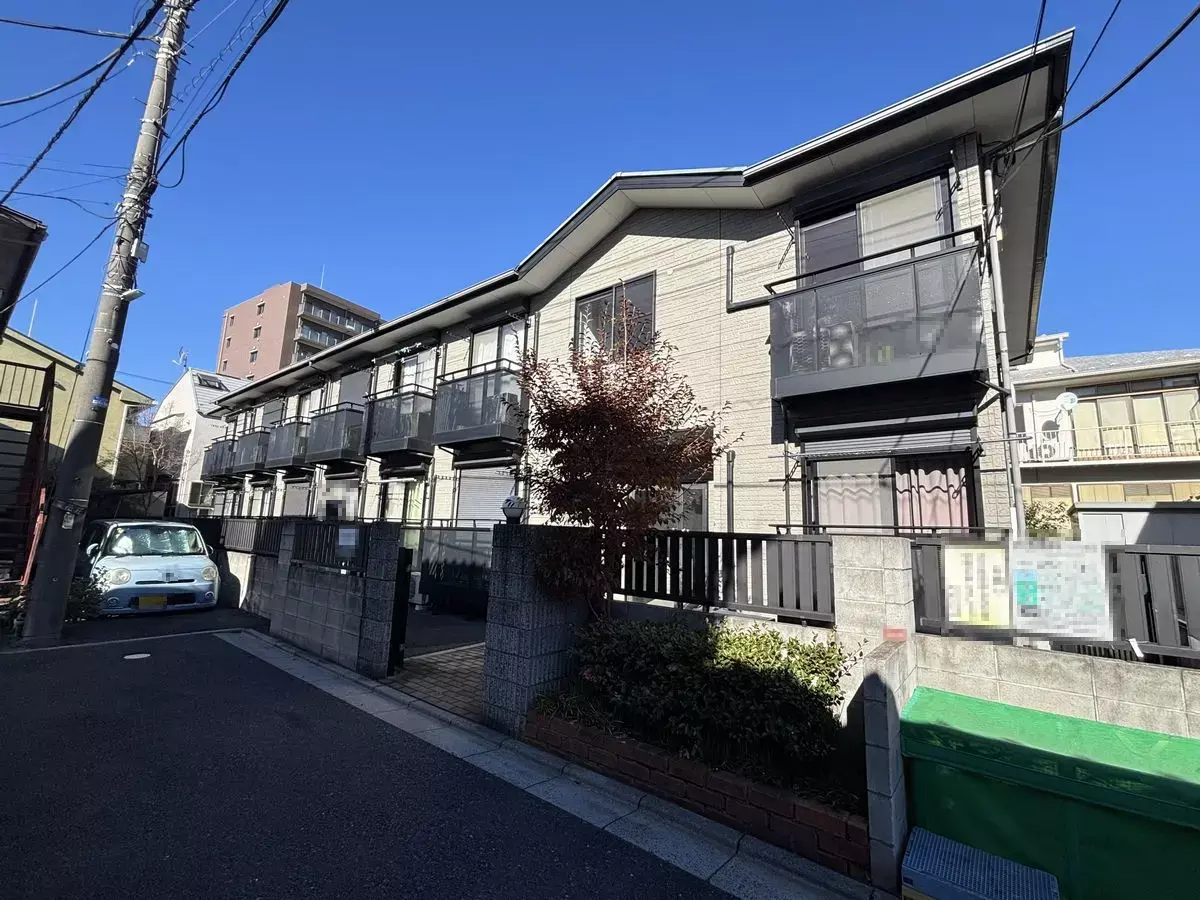
Apartment Building in Suginami-ku, Tokyo
Key Features:

1Bed Apartment in Taito-ku, Tokyo
Key Features:

2Beds Apartment in Chiyoda-ku, Tokyo
Key Features:

3Beds Apartment in Meguro-ku, Tokyo
Key Features:

Land in Suginami-ku, Tokyo
Key Features:
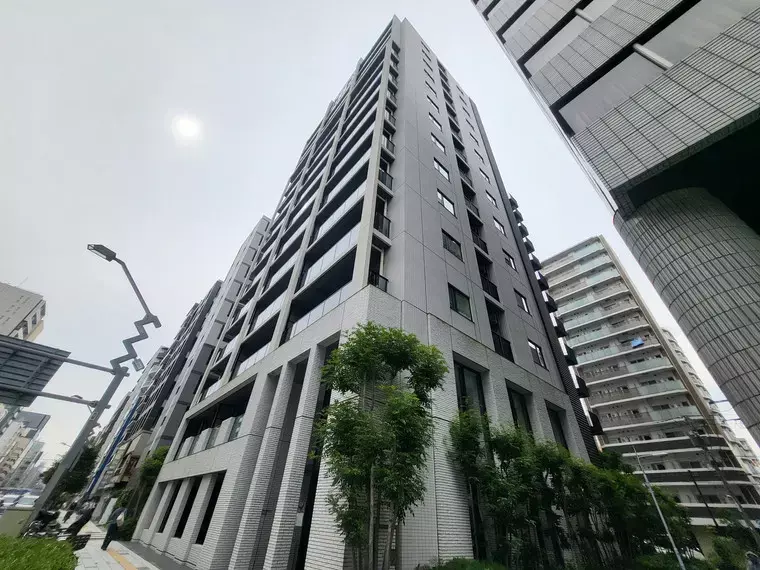
3Beds Apartment in Taito-ku, Tokyo
Key Features:
Trusted by International Investors
Over 10,000+ successful property investments facilitated in Tokyo
Other Cities near Tokyo
Explore investment opportunities in nearby cities within Japan.
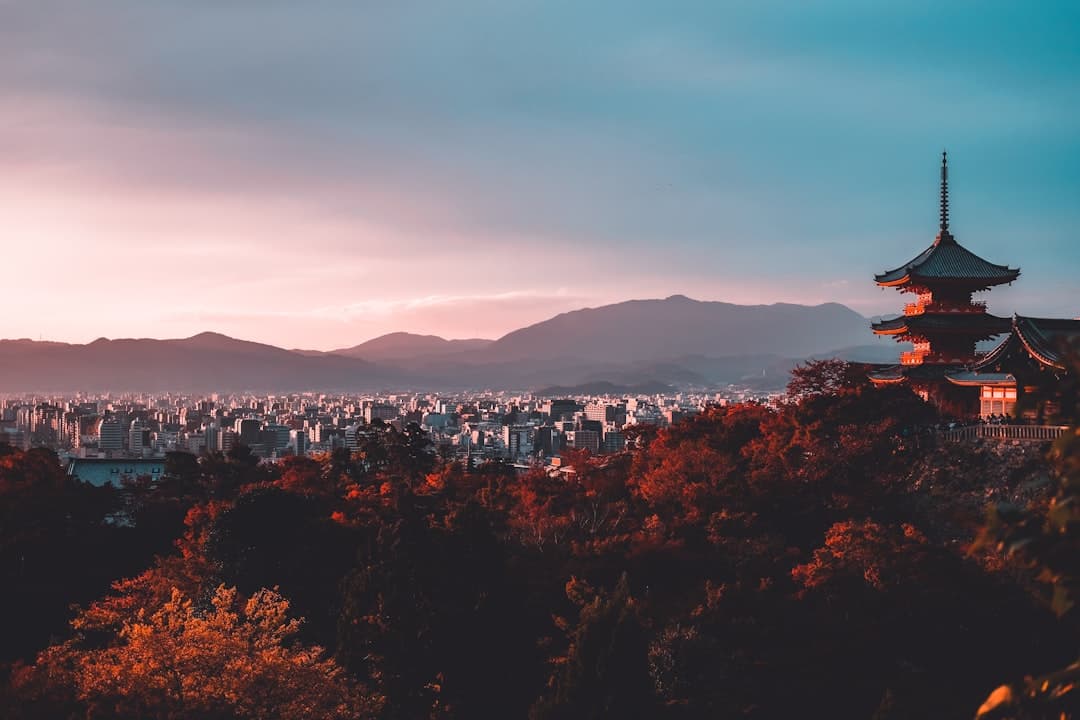
Fukuoka
Avg. Price: €
684 properties available

Osaka
Avg. Price: €
523 properties available
Hirafu
Avg. Price: €
278 properties available

Sapporo
Avg. Price: €
222 properties available
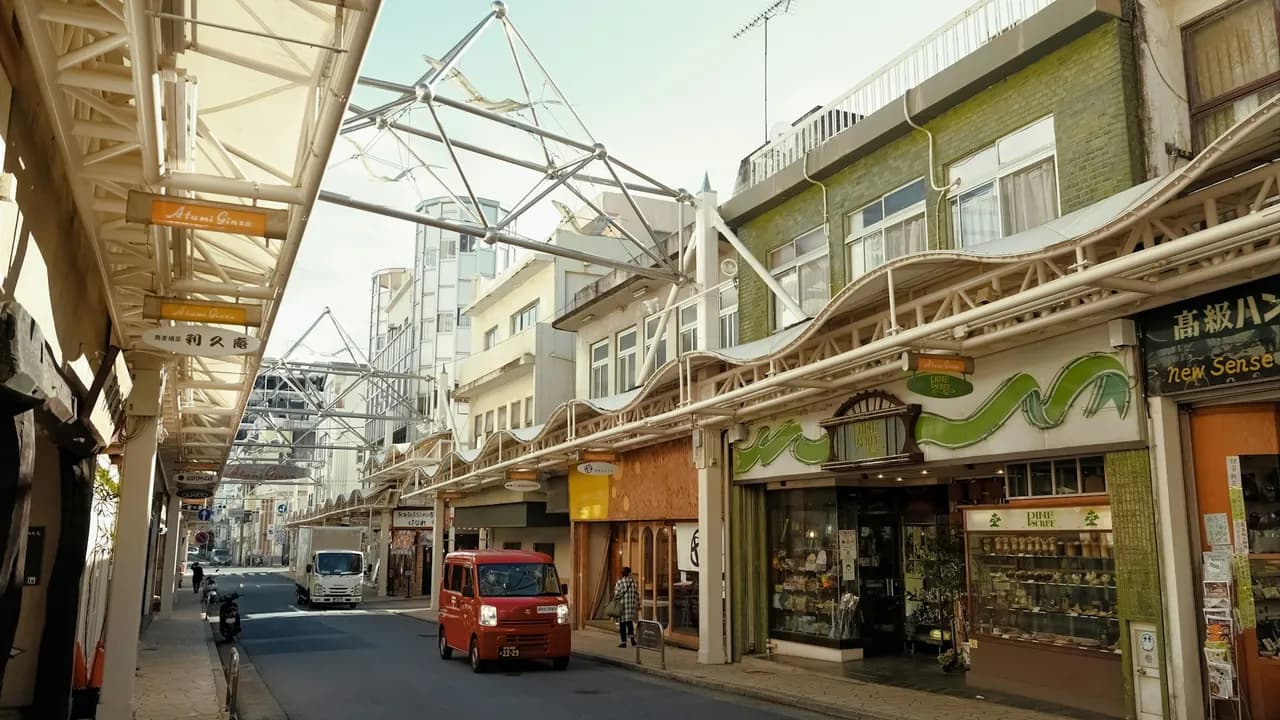
Okinawa
Avg. Price: €
219 properties available
Other Niseko Areas
Avg. Price: €
208 properties available
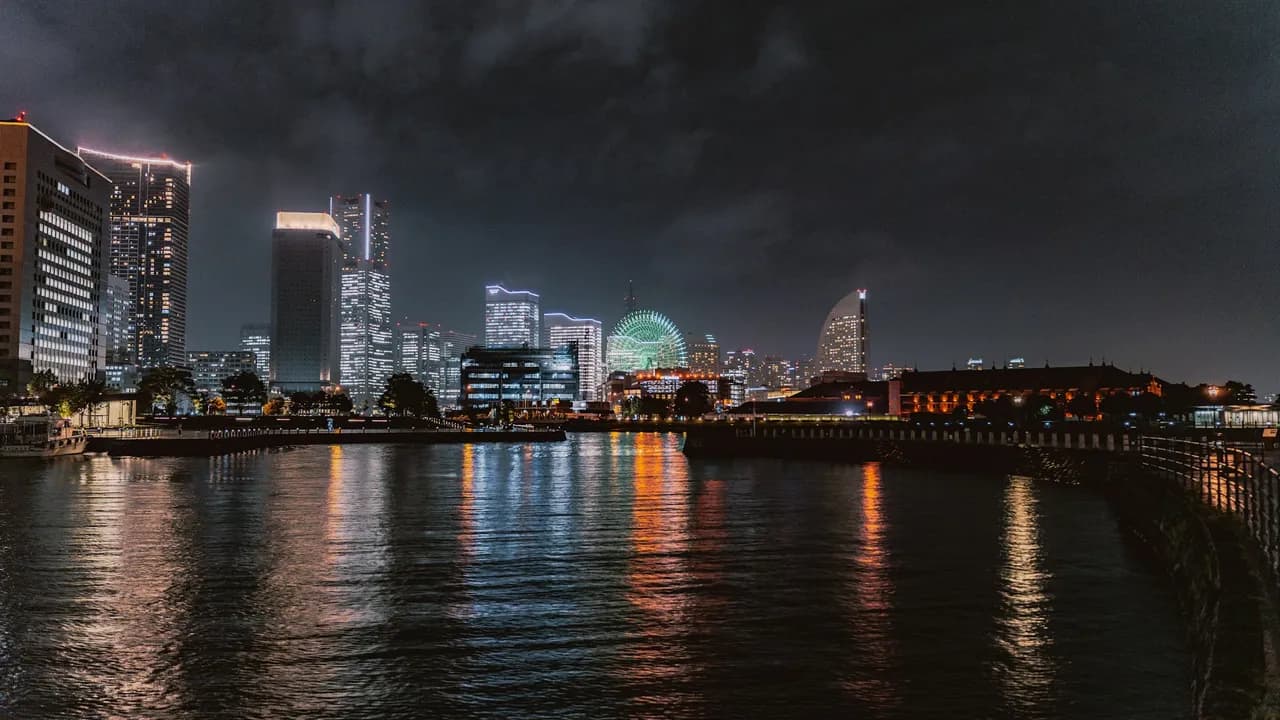
Yokohama
Avg. Price: €
184 properties available
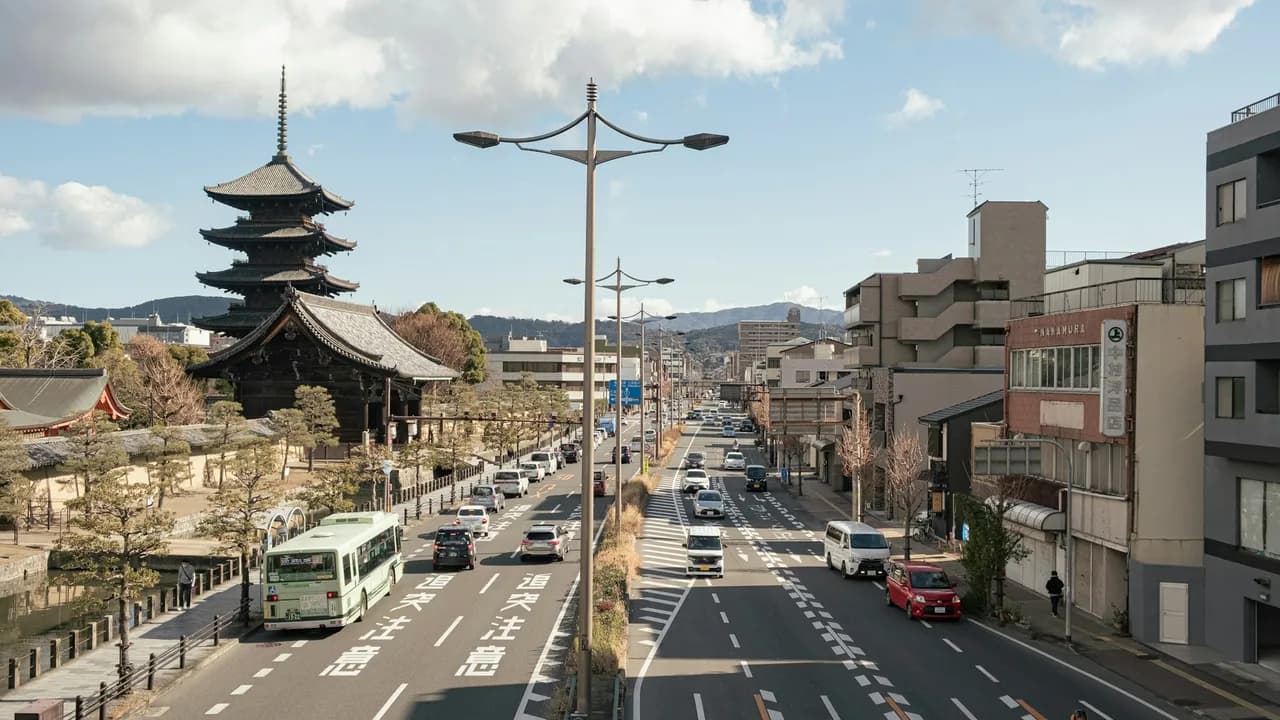
Nagano
Avg. Price: €
153 properties available
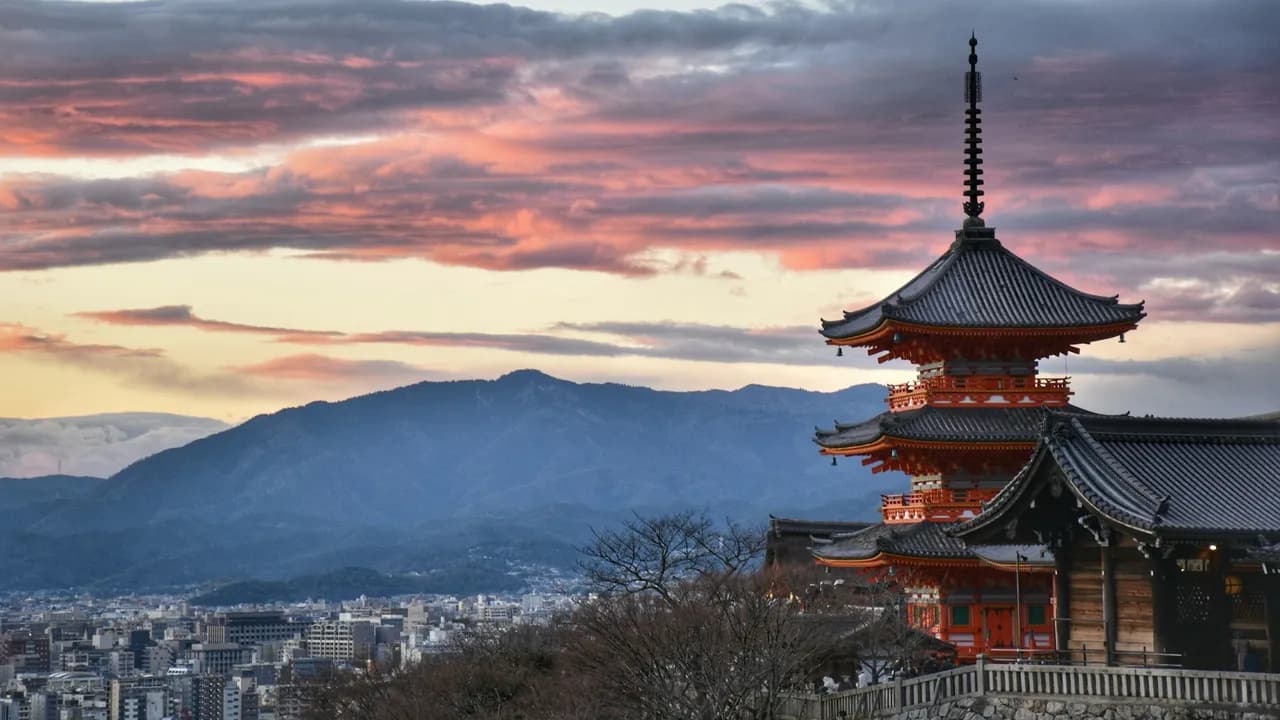
Kyoto
Avg. Price: €
130 properties available
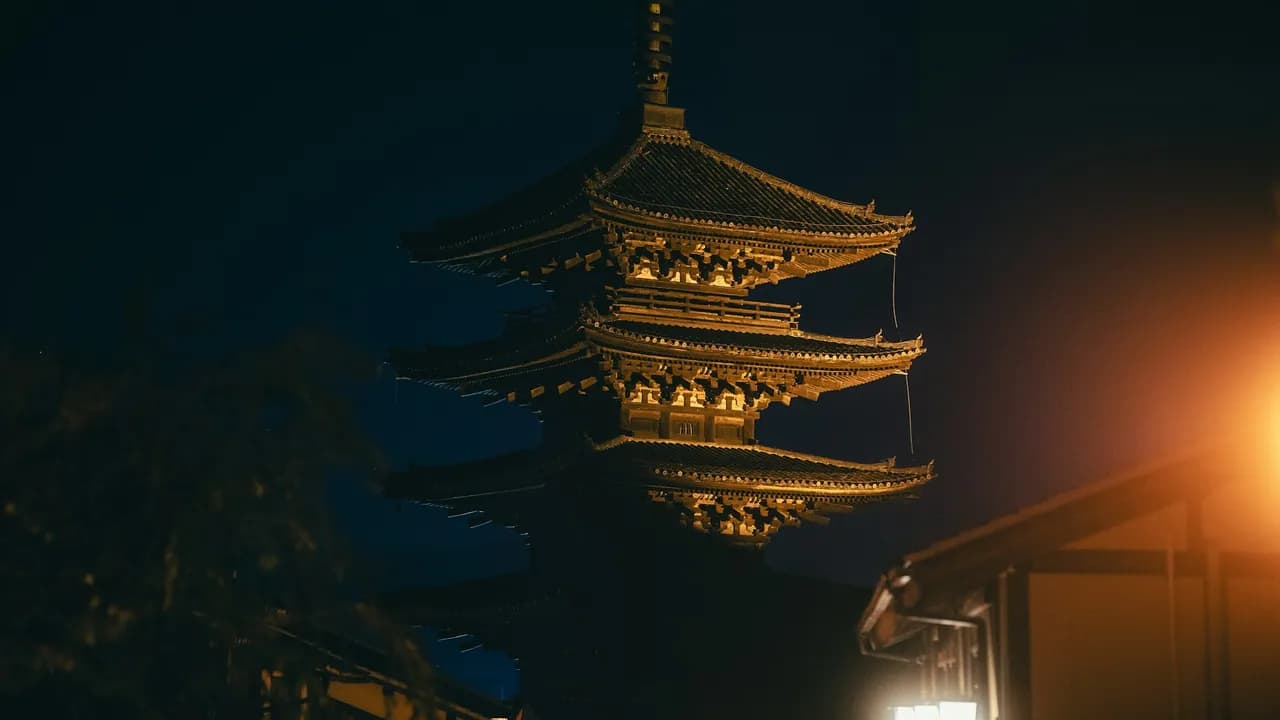
Kutchan Town
Avg. Price: €
118 properties available
Furano
Avg. Price: €
107 properties available

Hakuba
Avg. Price: €
83 properties available
Tochigi
Avg. Price: €
81 properties available
Hokkaido
Avg. Price: €
70 properties available
Hanazono
Avg. Price: €
59 properties available

Naha
Avg. Price: €
56 properties available
Niigata
Avg. Price: €
56 properties available
Rusutsu
Avg. Price: €
54 properties available
Niseko Town
Avg. Price: €
54 properties available
Other Hokkaido Areas
Avg. Price: €
52 properties available
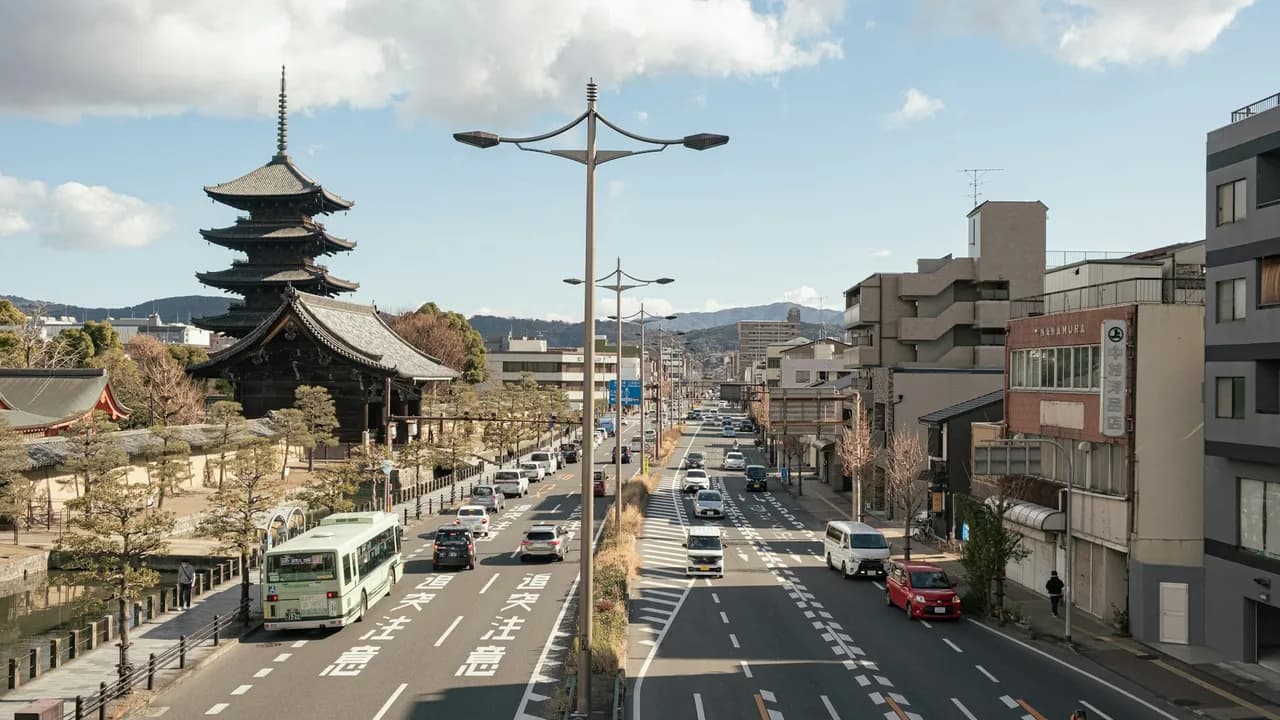
Yamanashi
Avg. Price: €
49 properties available
Karuizawa
Avg. Price: €
48 properties available
Itoshima
Avg. Price: €
47 properties available

Higashiyama
Avg. Price: €
46 properties available
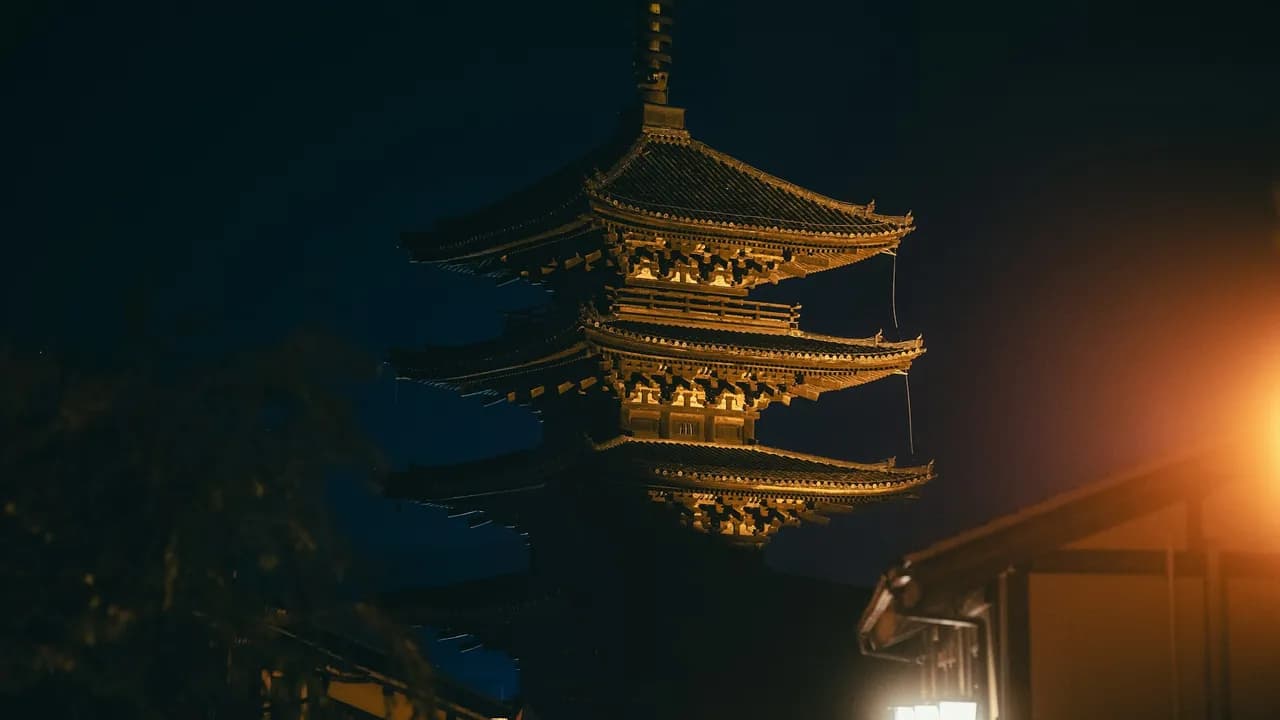
Chino
Avg. Price: €
45 properties available

Annupuri
Avg. Price: €
41 properties available
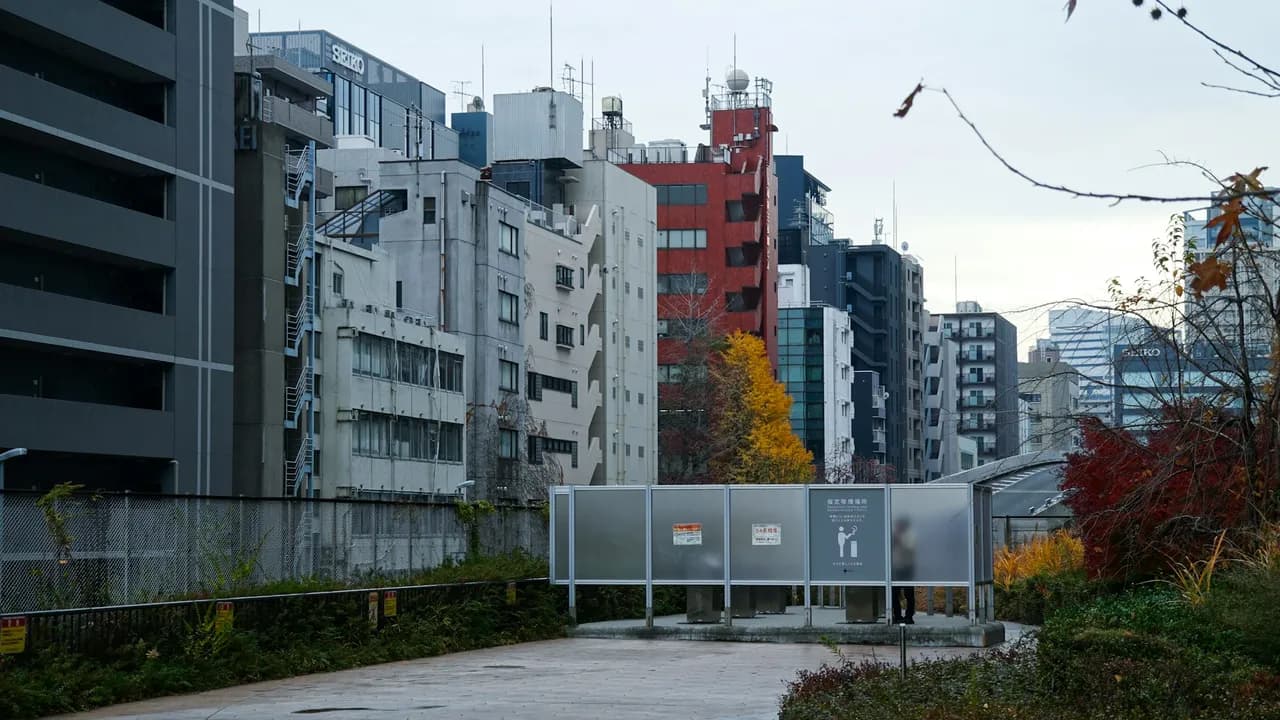
Kawasaki
Avg. Price: €
40 properties available
Kanagawa
Avg. Price: €
40 properties available

Moiwa
Avg. Price: €
37 properties available

Uruma
Avg. Price: €
35 properties available
Hamamatsu
Avg. Price: €
34 properties available
Other Mainland Areas
Avg. Price: €
33 properties available
Myoko Kogen
Avg. Price: €
31 properties available
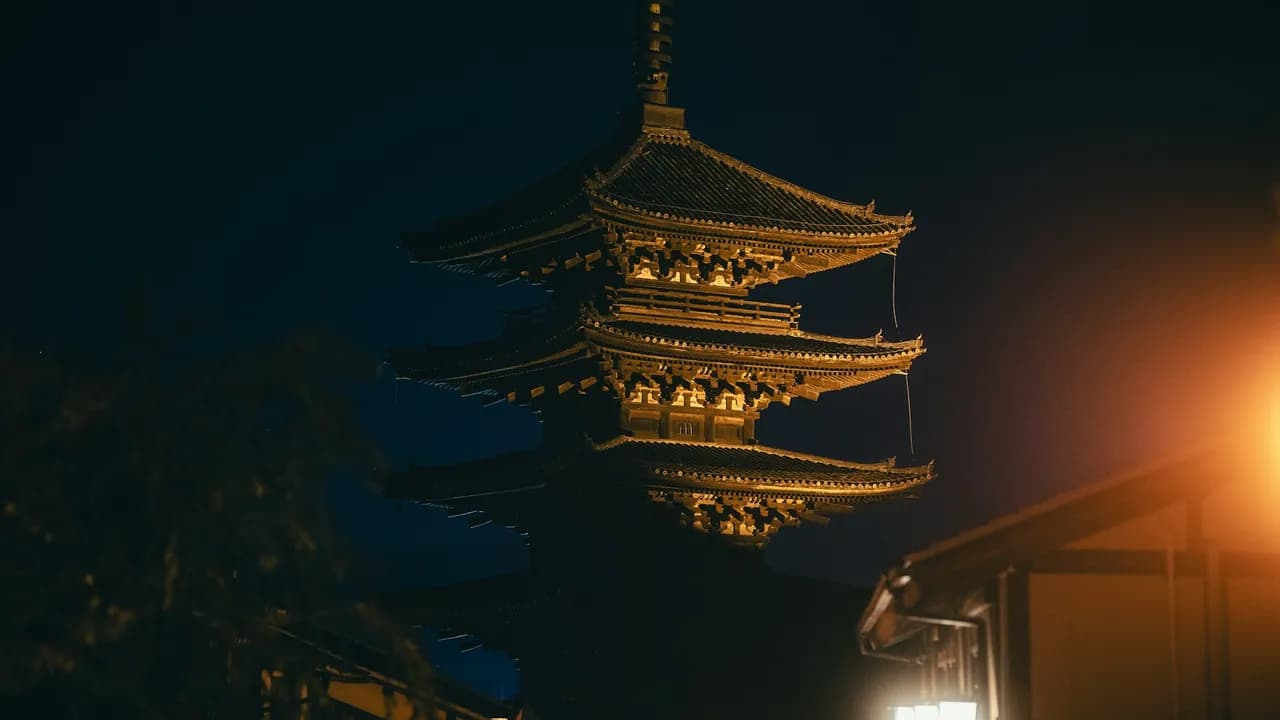
Kumamoto
Avg. Price: €
31 properties available
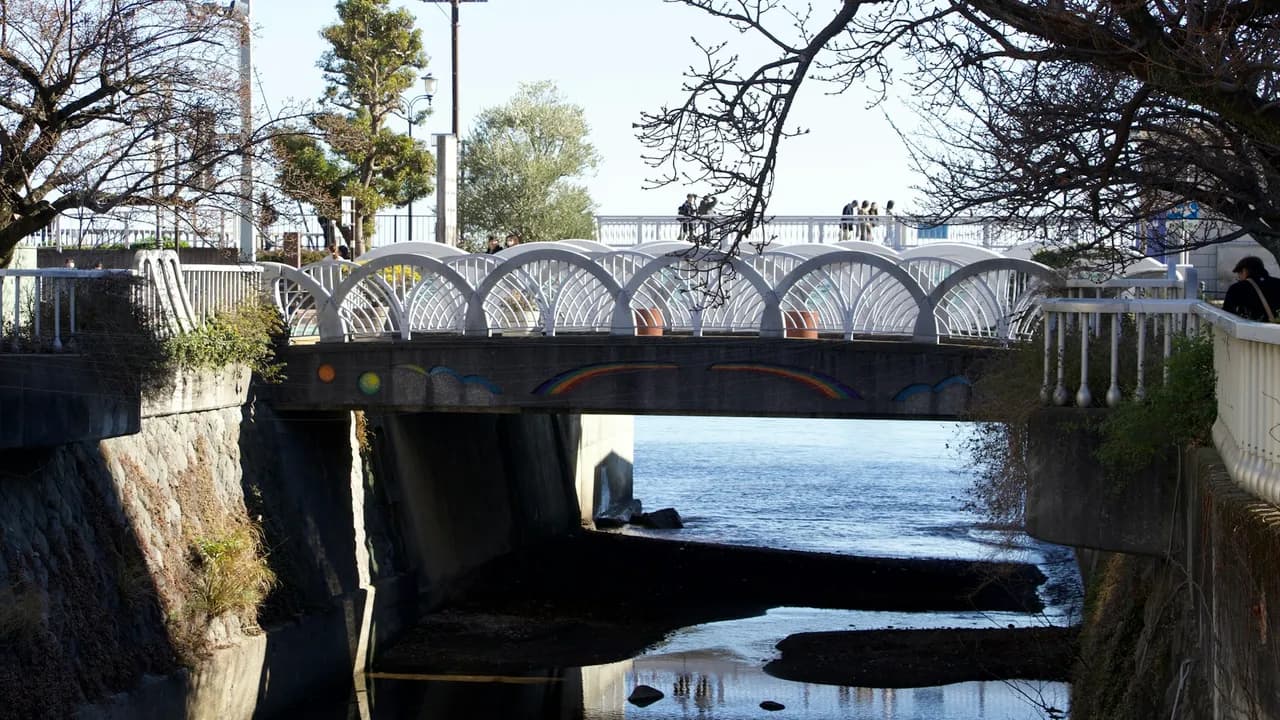
Atami
Avg. Price: €
30 properties available
Kamakura
Avg. Price: €
29 properties available
Niseko Area
Avg. Price: €
28 properties available

Ginowan
Avg. Price: €
28 properties available
Hiroshima
Avg. Price: €
27 properties available
Chiba
Avg. Price: €
25 properties available
Lake Toya
Avg. Price: €
22 properties available
Hakodate
Avg. Price: €
21 properties available
Tomigusuku
Avg. Price: €
20 properties available
Nago
Avg. Price: €
19 properties available
Avg. Price: €
18 properties available
Nanjo
Avg. Price: €
17 properties available
Otaru
Avg. Price: €
16 properties available
Fujisawa
Avg. Price: €
16 properties available
Agano
Avg. Price: €
16 properties available
Tochigi Prefecture
Avg. Price: €
16 properties available
Yokosuka
Avg. Price: €
15 properties available
Nagoya
Avg. Price: €
15 properties available
Katsura
Avg. Price: €
14 properties available
Urasoe
Avg. Price: €
14 properties available
Musashino
Avg. Price: €
12 properties available
Ishigaki
Avg. Price: €
12 properties available
Kobe
Avg. Price: €
12 properties available
Ashiya
Avg. Price: €
12 properties available
Komatsu
Avg. Price: €
11 properties available
Chikushino
Avg. Price: €
11 properties available
Saitama
Avg. Price: €
10 properties available
Asahikawa
Avg. Price: €
10 properties available
Madarao
Avg. Price: €
10 properties available
Financing & Legal Information
Essential information for property investment in Japan.
Frequently Asked Questions About Tokyo
Common questions about property investment in Tokyo, Japan
Find Your Perfect Property in Tokyo
Our local specialists are ready to assist you. Get personalized property recommendations and expert guidance.
About Tokyo, Japan
Tokyo, the bustling capital of Japan, stands as a vibrant metropolis combining modern innovation with rich cultural heritage. As a coastal city and a global business hub, Tokyo offers a dynamic lifestyle and a thriving economy, making it an ideal place to live and invest.
Property Types
- •Apartments
- •Villas
- •Houses
Lifestyle & Amenities
- •Rich cultural scene with museums and theaters
- •Vibrant nightlife with world-class dining
- •Excellent international schools
- •Advanced healthcare facilities
Investment Potential
Tokyo's real estate market is buoyed by high rental demand and steady economic growth. The city's robust infrastructure and status as a top tourist destination make it highly attractive for property investment, promising strong returns.
Frequently Asked Questions About Tokyo, Japan
Get answers to common questions about buying property in Tokyo.