
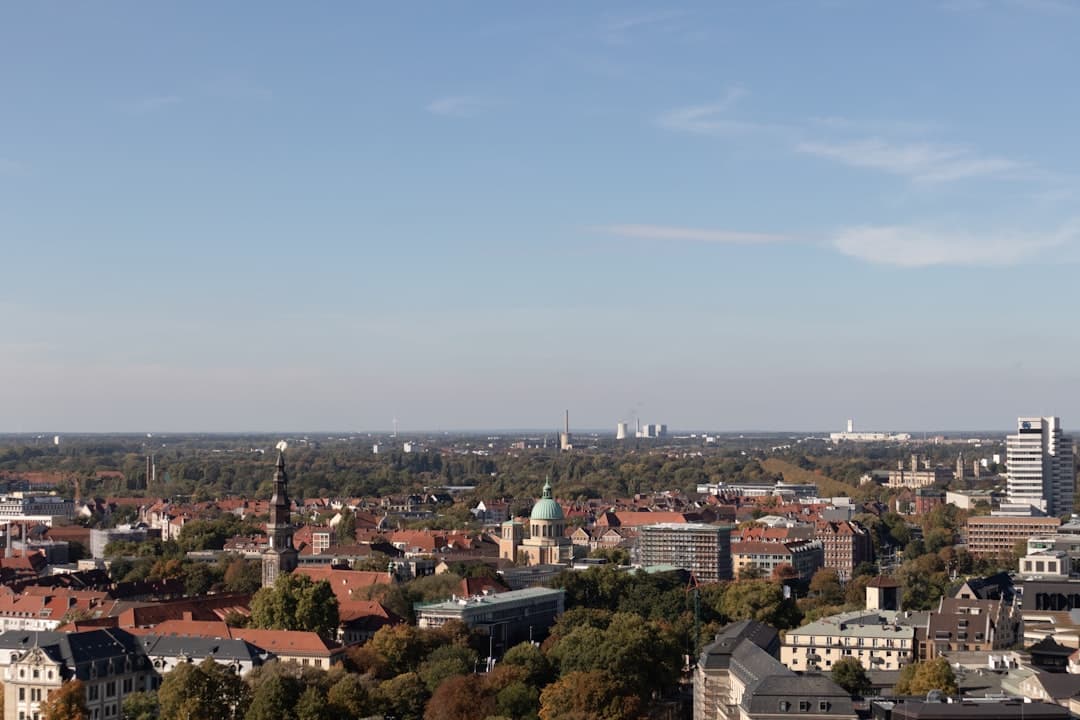
Properties For Sale in Leipzig, Germany 2026
Discover premium real estate opportunities in one of Germany's most sought-after locations.
Ein Haus für Generationen – großzügig, hell und vielseitig in Lobstädt!
Bezugsfreie 5-Zimmerwohnung mit Balkon und Zugang zur Gartenfläche in Schleußig!
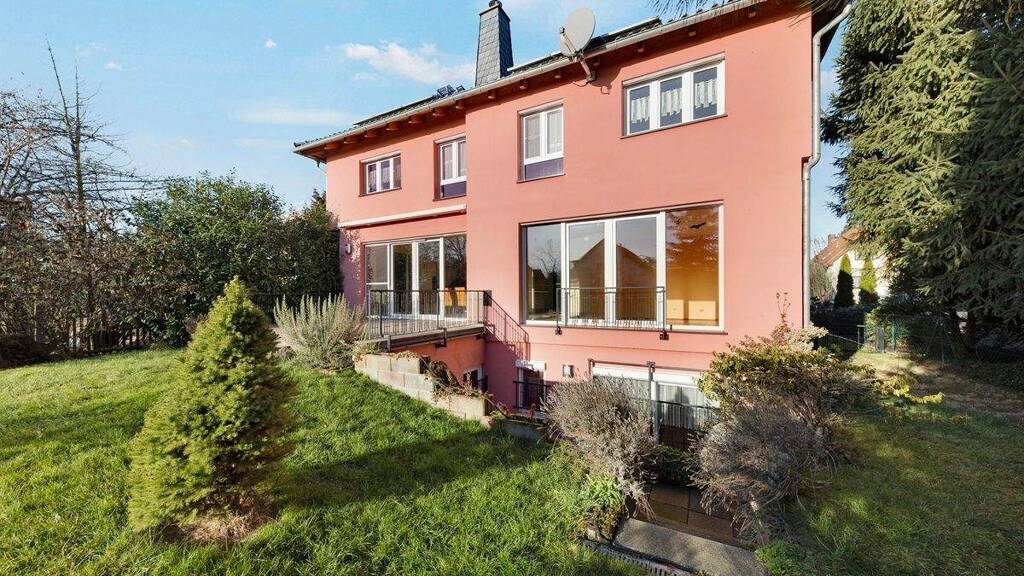
Wohnen mit Stil: Stadtvilla mit Pool und zwei Garagen
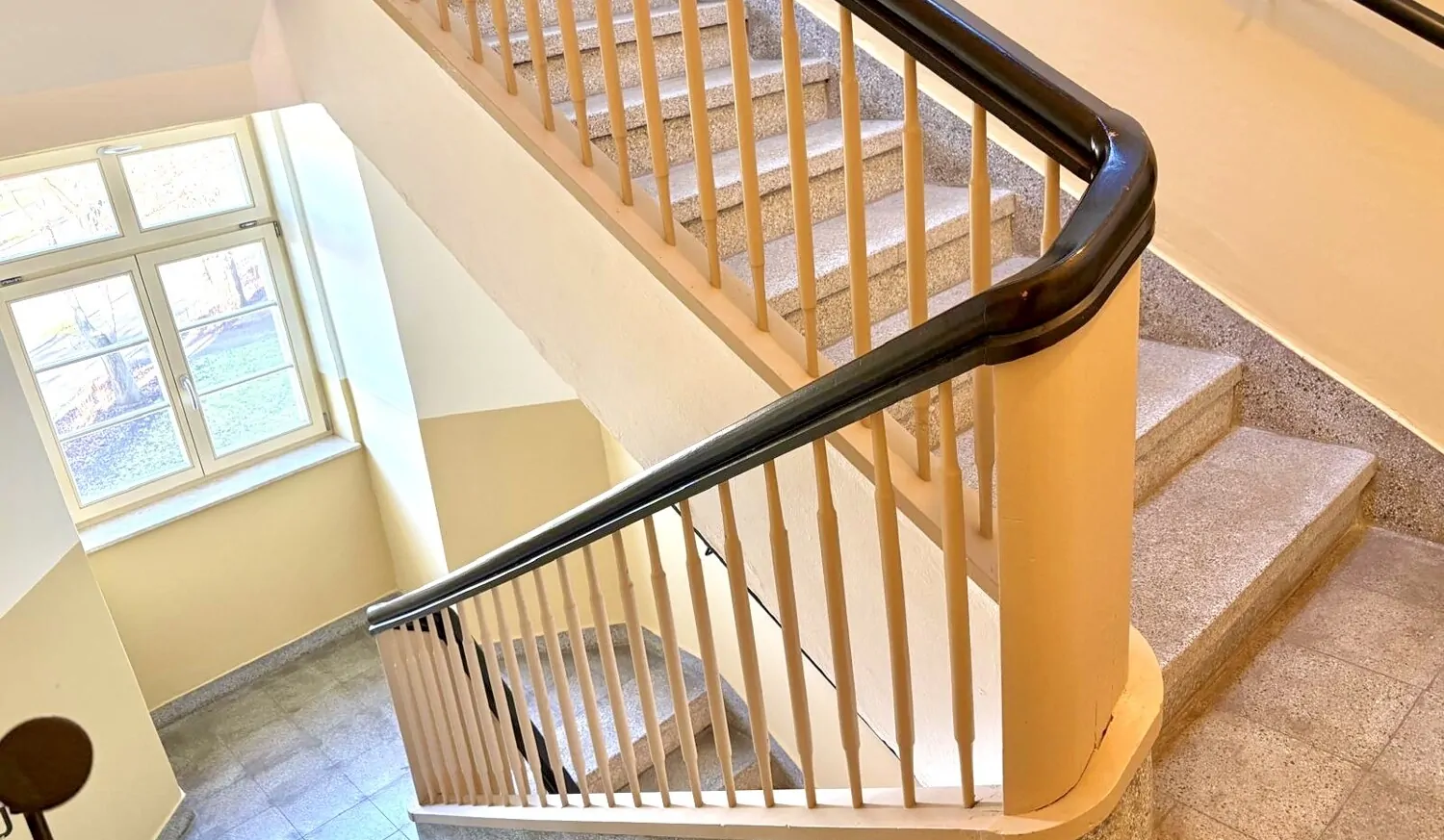
3-Zi.-Altbauwohnung mit 4,2 % Rendite
'%3E%3Crect x='-60' y='-40' width='120' height='80' rx='8' fill='%23cbd5e1'/%3E%3Cpath d='M-40,-10 L-20,-30 L0,-10 L20,-30 L40,-10 L40,30 L-40,30 Z' fill='%2394a3b8'/%3E%3Ccircle cx='-25' cy='-20' r='8' fill='%23fbbf24'/%3E%3C/g%3E%3Ctext x='50%25' y='65%25' dominant-baseline='middle' text-anchor='middle' fill='%2364748b' font-family='system-ui,-apple-system,sans-serif' font-size='18' font-weight='500'%3ENo Image Available%3C/text%3E%3C/svg%3E)
Classic, green, rented: 3-room apartment with balcony & garage in Leipzig-Connewitz
Provisionsfrei: Modernes MFH in Campusnähe von Ingolstadt
Kapitalanlegertraum mit 5,4% Mietrendite mitten in Ingolstadt!
Über den Dächern von Leipzig - 3 Zimmer mit Loggia, Lift, Stellplatz und großer Dachterrasse
Bezugsfrei im Waldstraßenviertel - Terrasse & Stellplatz mit vielen weiteren Extras !
Bezugsfreie Maisonette-Wohnung mit Lift und Balkon im Brunnenviertel
Vielseitige Villa mit Charme, lichtdurchfluteten Räumen und idyllischem Garten
Einfamilienhaus in ruhiger und beliebter Lage mit Garten zum Wohlfühlen
Viel Platz, beste Lage, echtes Zuhause – Familienfreundliches Wohnen in Köppern
Modernes Wohnen trifft ruhige Siedlungslage in Seenähe !
Ihr Toskana-Urlaub beginnt in Liebertwolkwitz
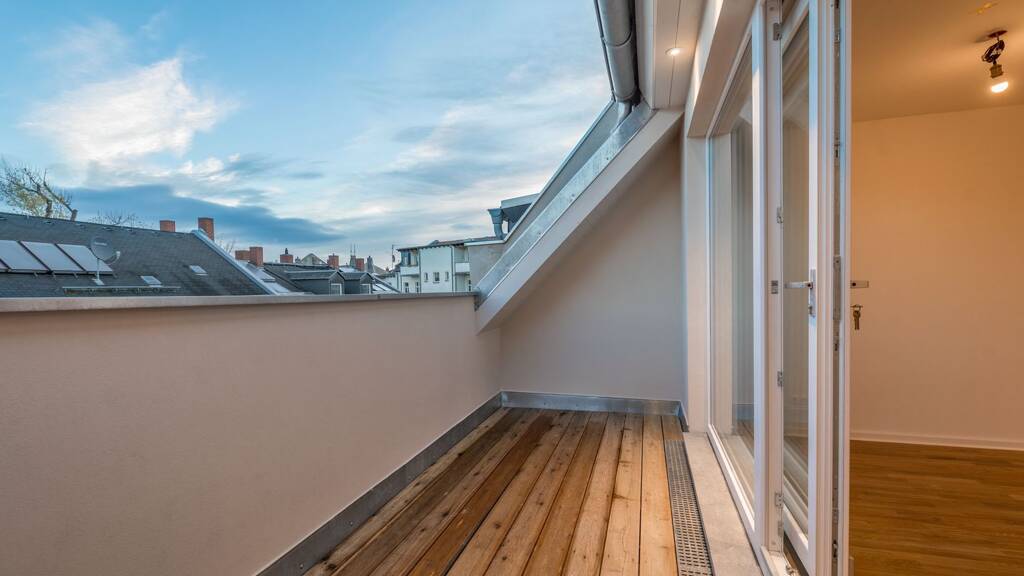
Frisch sanierte 2-Zimmer-Dachgeschosswohnung mit Charme und Weitblick
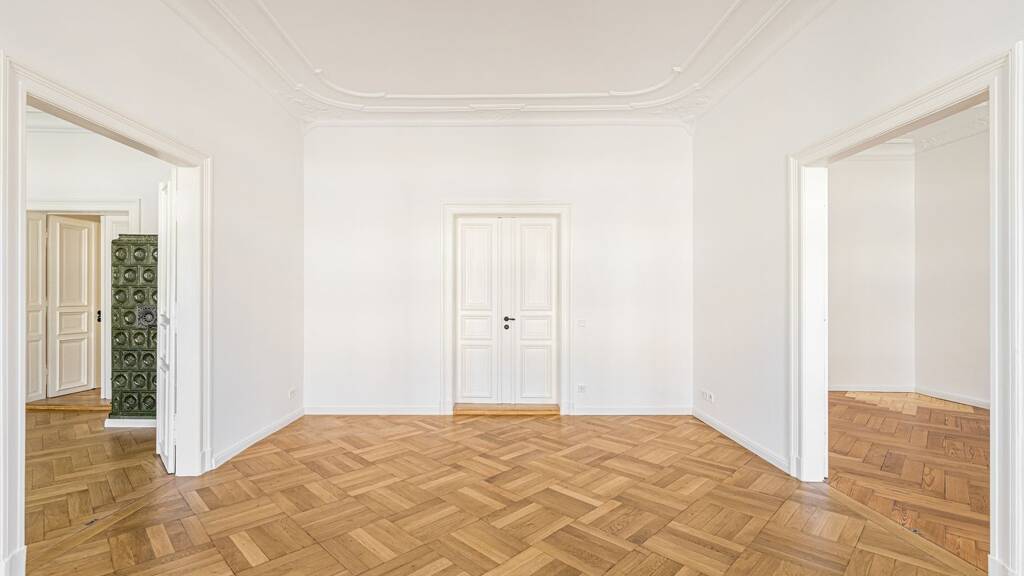
4 Zimmer auf 146?m² - stilvoll wohnen mit zwei Balkonen
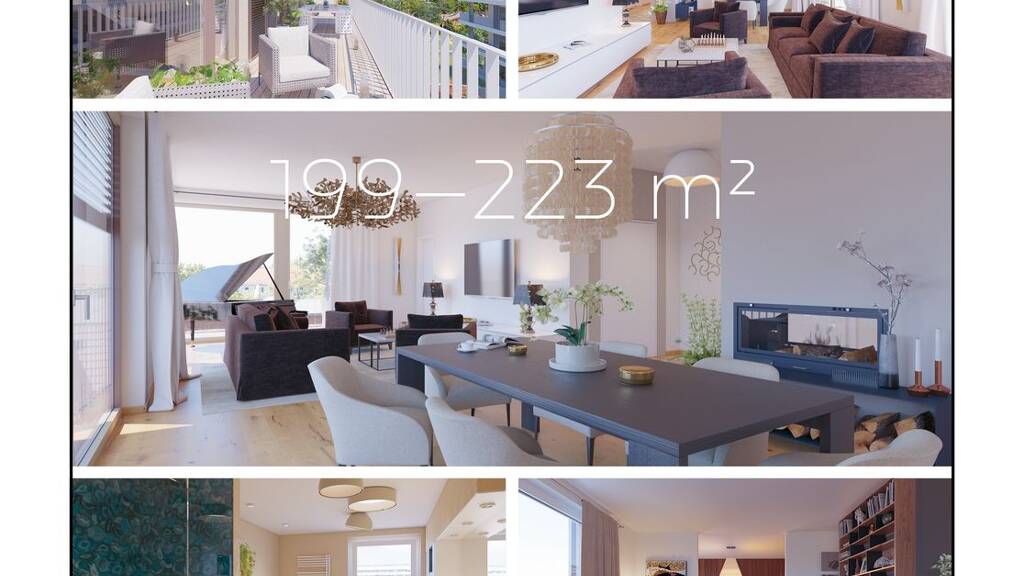
Exklusives Penthouse in Leipzig - 223?m² Dachresidenz mit umlaufender Dachterrasse
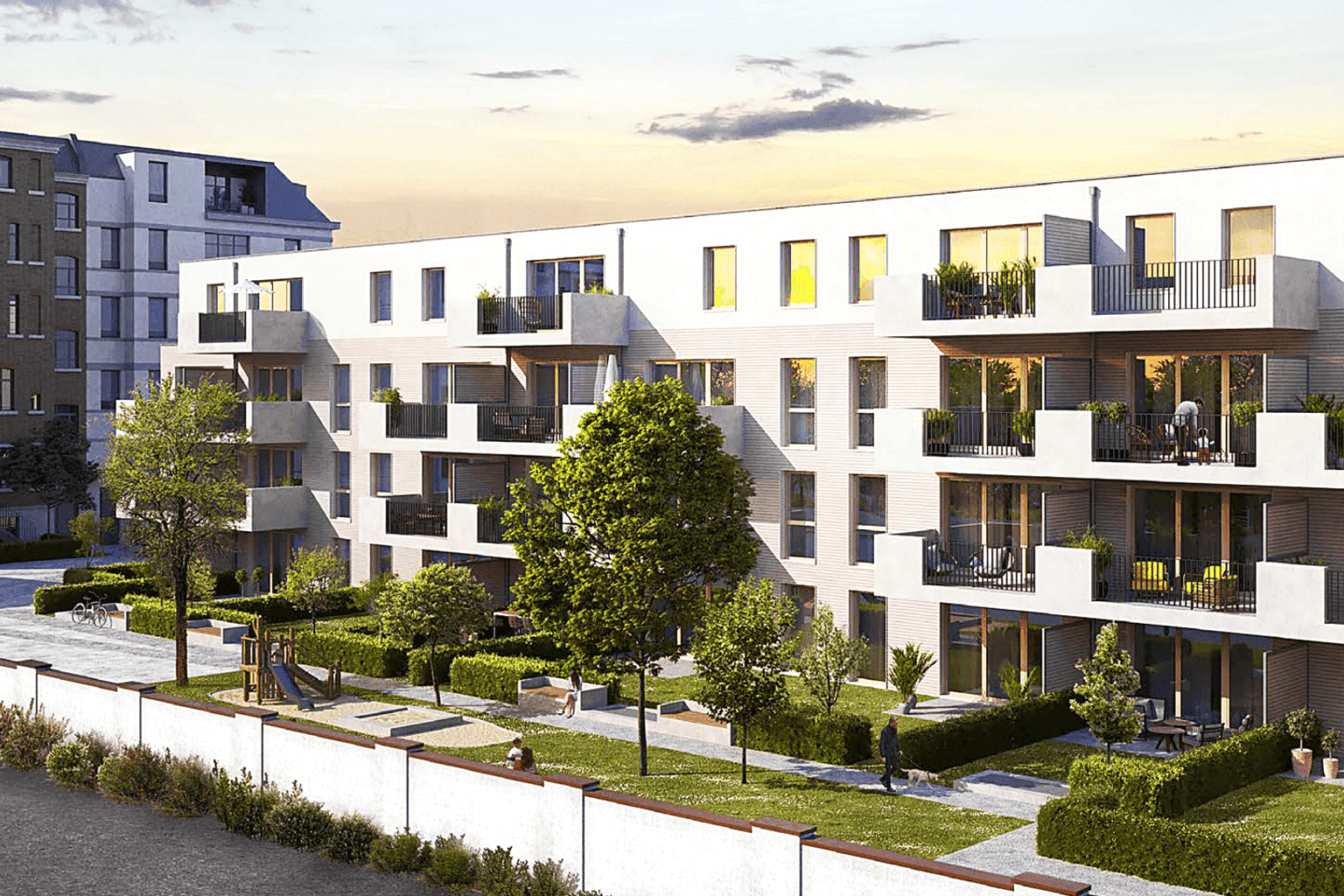
Wohncarrée Plagwitz
EUR 0
Trusted by International Investors
Over 10,000+ successful property investments facilitated in Leipzig
Other Cities near Leipzig
Explore investment opportunities in nearby cities within Germany.

Berlin
Explore properties in Berlin, Germany
Avg. Price: €
121 properties available
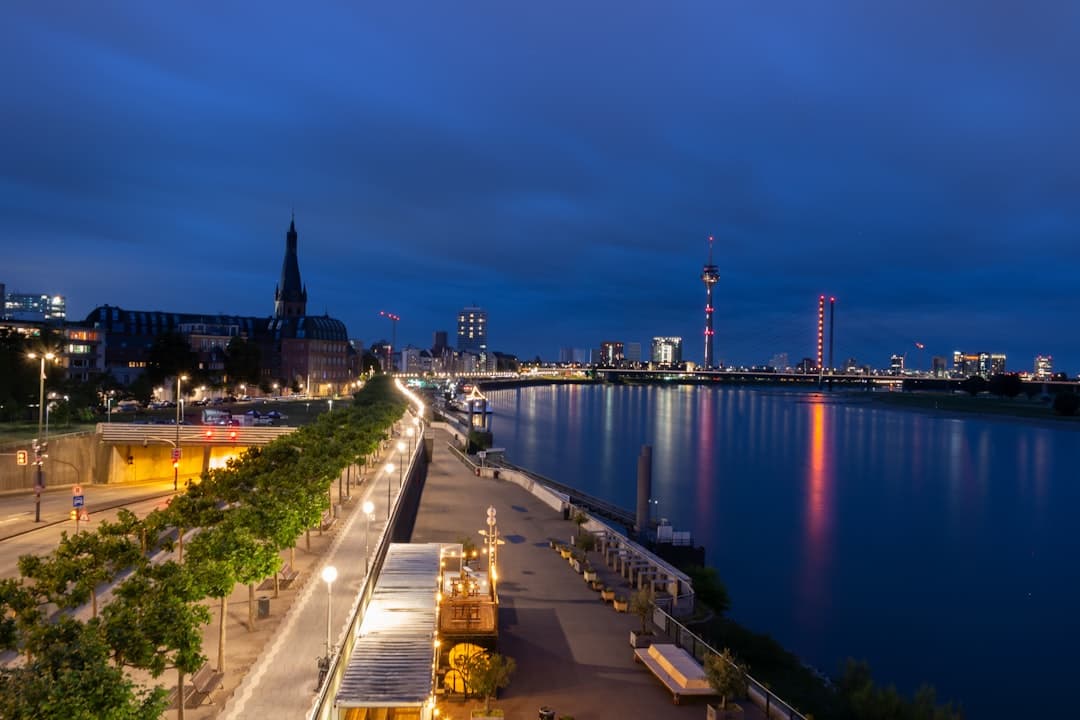
Düsseldorf
Explore properties in Düsseldorf, Germany
Avg. Price: €
121 properties available
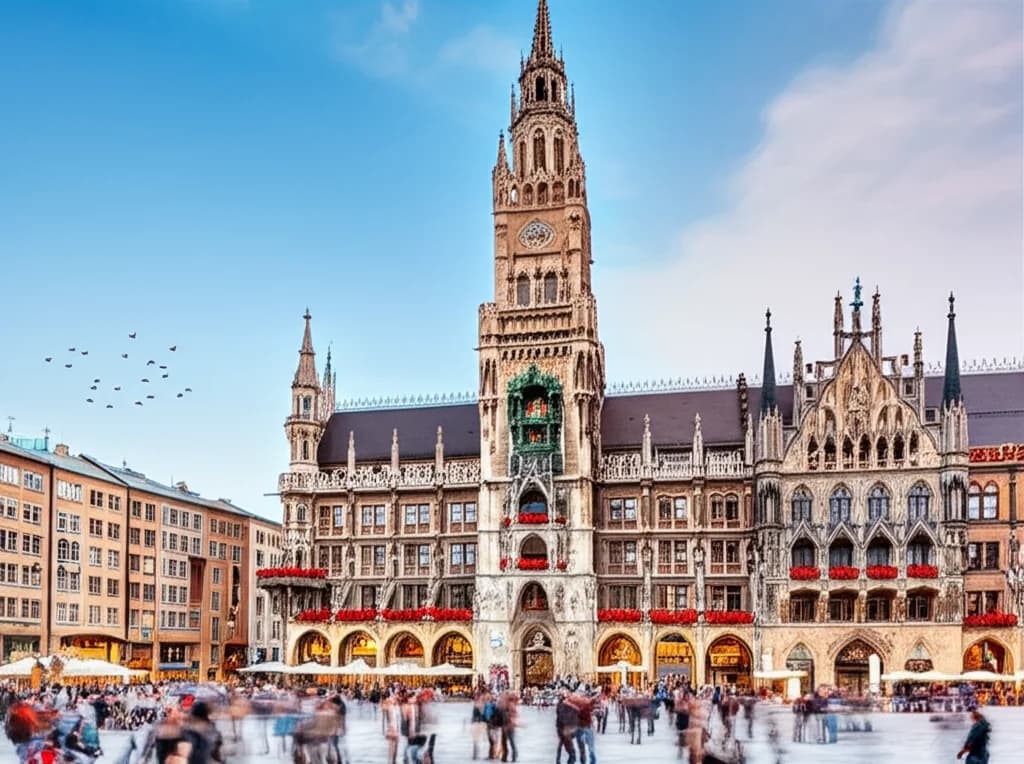
Munich
Explore properties in Munich, Germany
Avg. Price: €
77 properties available
Potsdam
Explore properties in Potsdam, Germany
Avg. Price: €
58 properties available
Financing & Legal Information
Essential information for property investment in Germany.
Frequently Asked Questions About Leipzig
Common questions about property investment in Leipzig, Germany
Find Your Perfect Property in Leipzig
Our local specialists are ready to assist you. Get personalized property recommendations and expert guidance.
About Leipzig, Germany
Leipzig, a vibrant cultural center in eastern Germany, offers a rich blend of history and modern living. Known for its thriving arts scene and dynamic economy, Leipzig is an ideal city for both living and investment. With its strategic location and robust infrastructure, it appeals to a diverse range of property buyers.
Property Types
- •Apartments
- •Villas
- •Houses
Lifestyle & Amenities
- •Rich cultural scene
- •Vibrant nightlife
- •Excellent healthcare facilities
- •Renowned international schools
Investment Potential
Leipzig's real estate market is booming, driven by high rental demand and continuous economic growth. The city's appeal as a tourist destination and its expanding infrastructure make it a compelling choice for investors looking to buy property in Germany.
Frequently Asked Questions About Leipzig, Germany
Get answers to common questions about buying property in Leipzig.