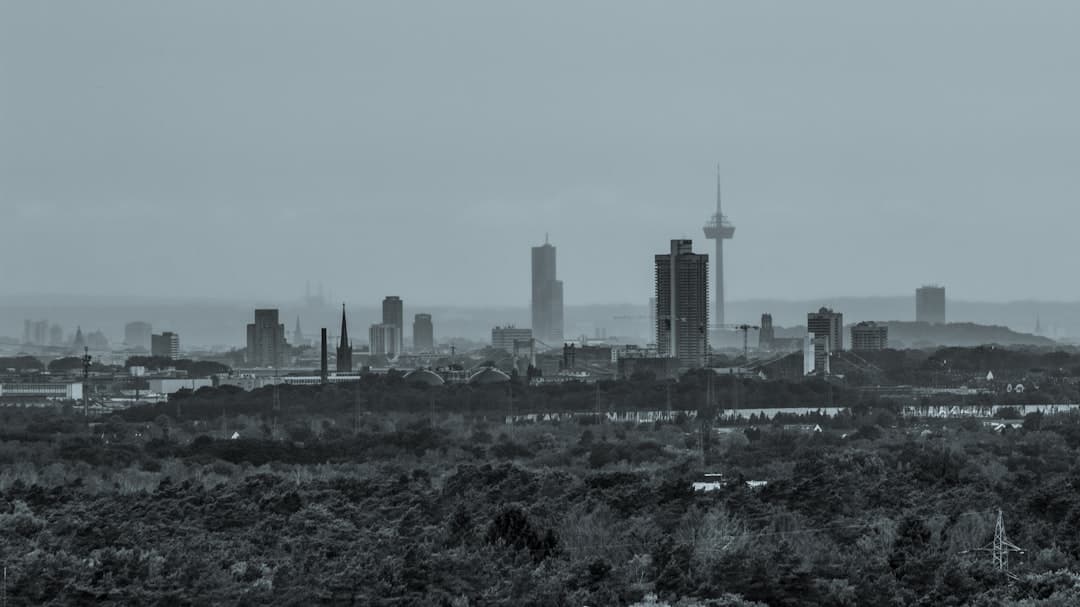
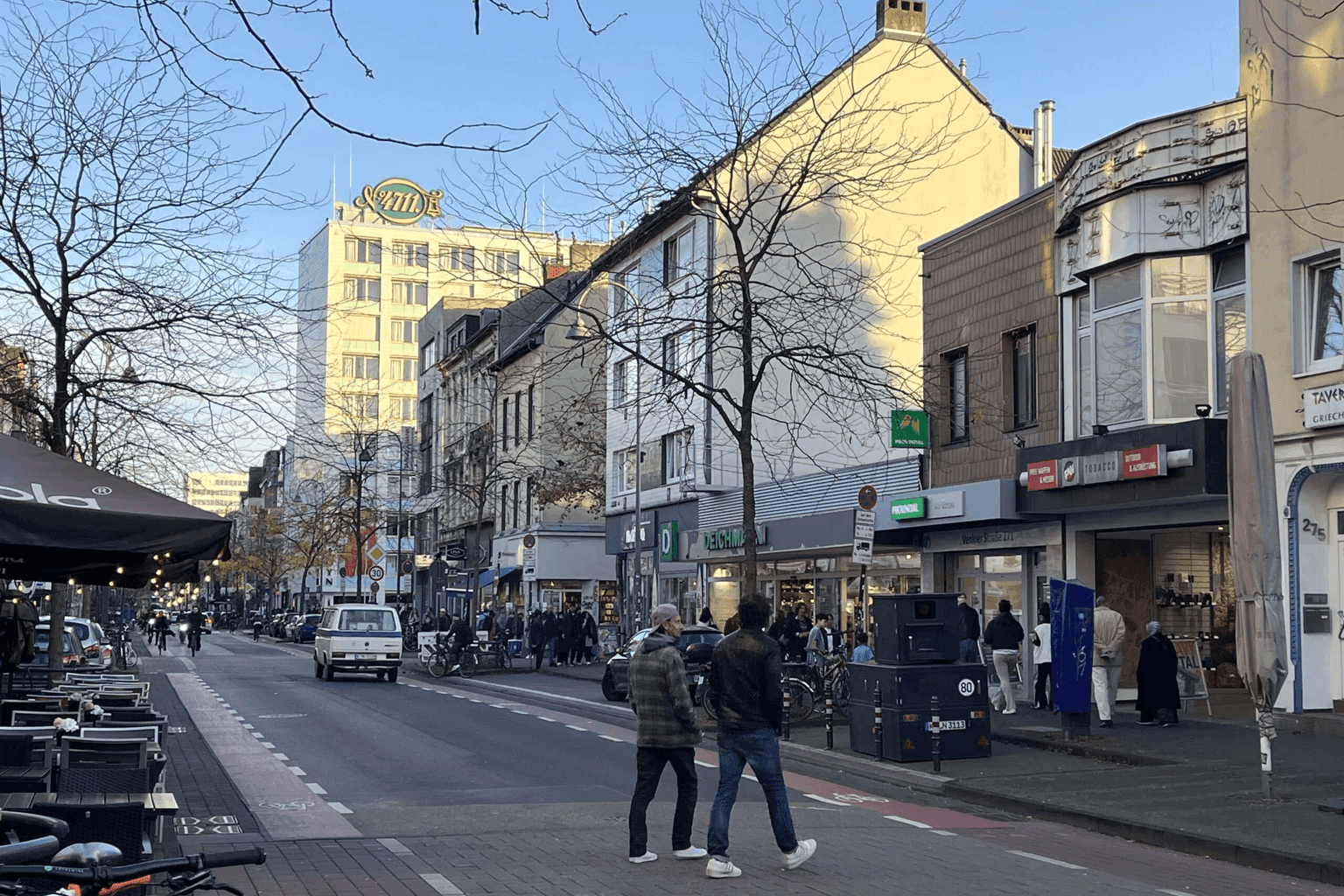
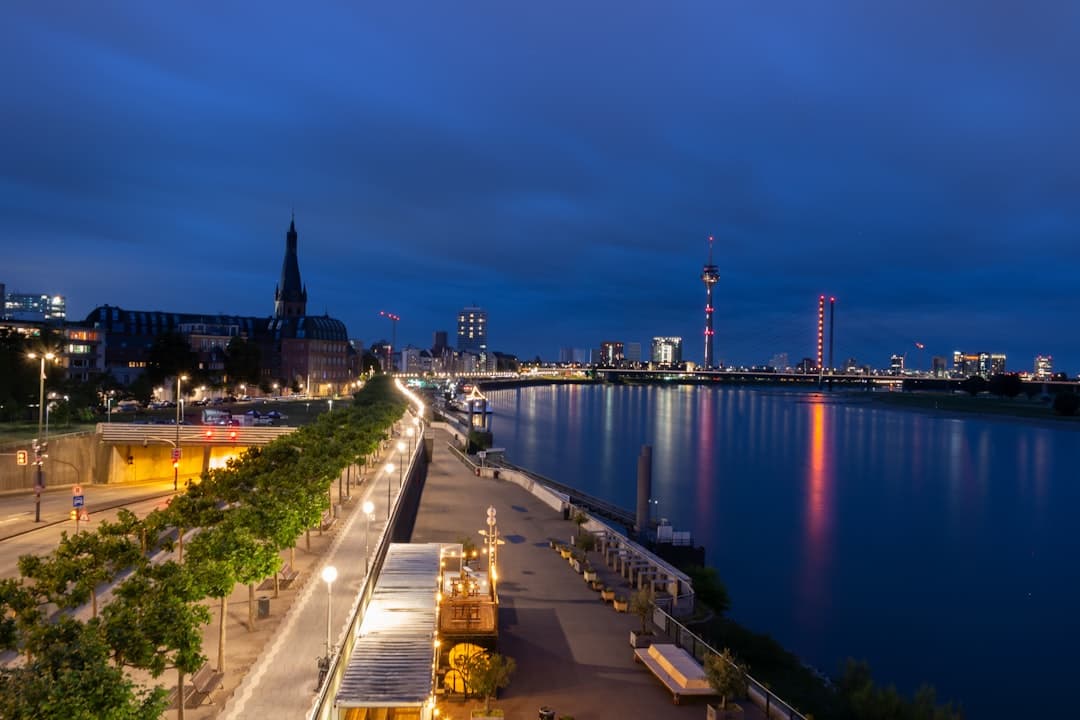
Cologne, Germany, is a vibrant cultural center known for its rich history, dynamic economy, and as a desirable place to live and invest. As a bustling metropolis on the Rhine River, Cologne offers a unique blend of modern living and historical charm, making it an attractive destination for property buyers.
Property Types
•apartments
•villas
•houses
Lifestyle & Amenities
•rich cultural scene
•vibrant nightlife
•excellent international schools
•world-class healthcare
Investment Potential
Cologne's real estate market is thriving, attracting expats, investors, and families due to its strong rental demand, economic growth, and robust infrastructure. With its strategic location and thriving tourism, buying property in Cologne offers promising investment potential.
Frequently Asked Questions About Cologne, Germany
Get answers to common questions about buying property in Cologne.
What is the current state of the real estate market in Cologne?
As of 2023, Cologne's real estate market remains robust and competitive, with 520 properties currently available. The city's strong economic performance and cultural appeal continue to drive demand. The average property price has seen a steady increase, reflecting both local and international interest in the area. Cologne's diverse neighborhoods offer a range of price points, with the city center commanding premium prices due to its proximity to business hubs and historical attractions. Investors are particularly drawn to the steady appreciation in property values, making Cologne a favorable location for both residential and commercial real estate investments.
What are the legal requirements for international investors buying property in Cologne?
International investors face a relatively straightforward process when purchasing property in Cologne, as Germany does not impose restrictions on foreign buyers. However, it's essential to engage a local notary (Notar) to oversee the transaction, which is a legal requirement. The notary ensures all documents are in order and oversees the transfer of the title. Additionally, buyers should be aware of the Grunderwerbsteuer or property transfer tax, which is 6.5% of the purchase price in North Rhine-Westphalia, where Cologne is located. Consulting with a local legal expert is advisable to navigate these processes smoothly.
How does the cost of living in Cologne compare to other major German cities?
Cologne offers a relatively balanced cost of living compared to other major German cities like Munich and Frankfurt. While property prices in central areas are higher, the overall cost of living in Cologne is more moderate. According to recent data, monthly expenses for a single person average around €850 excluding rent. This includes groceries, transportation, and entertainment. Moreover, Cologne's vibrant cultural scene and numerous recreational activities provide excellent value for money, contributing to a high quality of life without the exorbitant costs seen in some other metropolitan areas.
Which neighborhoods in Cologne are most attractive for expatriates and why?
Expatriates are often drawn to neighborhoods like Ehrenfeld, Lindenthal, and the Belgian Quarter due to their vibrant atmospheres and convenient amenities. Ehrenfeld is known for its multicultural vibe and thriving arts scene, making it popular among younger professionals. Lindenthal offers a more residential feel with plenty of green spaces, appealing to families and those seeking a quieter environment. The Belgian Quarter, with its stylish boutiques and cafes, attracts those who appreciate a lively urban lifestyle. Each of these neighborhoods provides a unique blend of cultural experiences, contributing to their popularity among international residents.
What financing options are available for foreign buyers in Cologne?
Foreign buyers in Cologne have several financing options, though securing a mortgage can be more complex than for local residents. German banks typically require a minimum down payment of 20-30% from non-residents. Additionally, some banks might request proof of stable income and a good credit history. It's advisable for international buyers to work with a mortgage broker familiar with the German market to explore various lenders and options. Euro denominated loans are the norm, and terms can range from 5 to 20 years, providing flexibility in repayment plans.
What is the rental yield for investment properties in Cologne?
Rental yields in Cologne vary depending on the property's location, size, and type. As of 2023, investors can expect an average rental yield of around 3% to 4%. Central areas often yield slightly lower returns due to higher purchase prices, whereas suburbs may offer higher yields with lower entry costs. The city's strong rental market is buoyed by a large student population and professionals working in Cologne's thriving media and business sectors. Investors should consider long-term appreciation potential alongside immediate rental returns to maximize their investment strategy.
Are there any specific cultural considerations to be aware of when buying property in Cologne?
Cologne is renowned for its welcoming and vibrant culture, but international buyers should be mindful of certain local customs. Property negotiations and legal processes are generally formal, and punctuality is highly valued. The city's famous Carnival season can affect property viewings due to its festive and disruptive nature. Understanding local events and community dynamics can help buyers make informed decisions about the timing and location of their purchase. Engaging with a local real estate agent who understands these nuances can smooth the buying process.
How is Cologne's infrastructure supporting property investments?
Cologne boasts a well-developed infrastructure, which significantly supports property investments. The city is a major transport hub with extensive road, rail, and air connections, including the Cologne Bonn Airport. Public transportation is efficient, with a comprehensive network of trams and buses facilitating easy movement throughout the city. Additionally, recent investments in digital infrastructure are enhancing the city's connectivity, appealing to tech-savvy residents and businesses. These infrastructure strengths not only improve quality of life but also enhance the value and attractiveness of real estate investments in the area.