
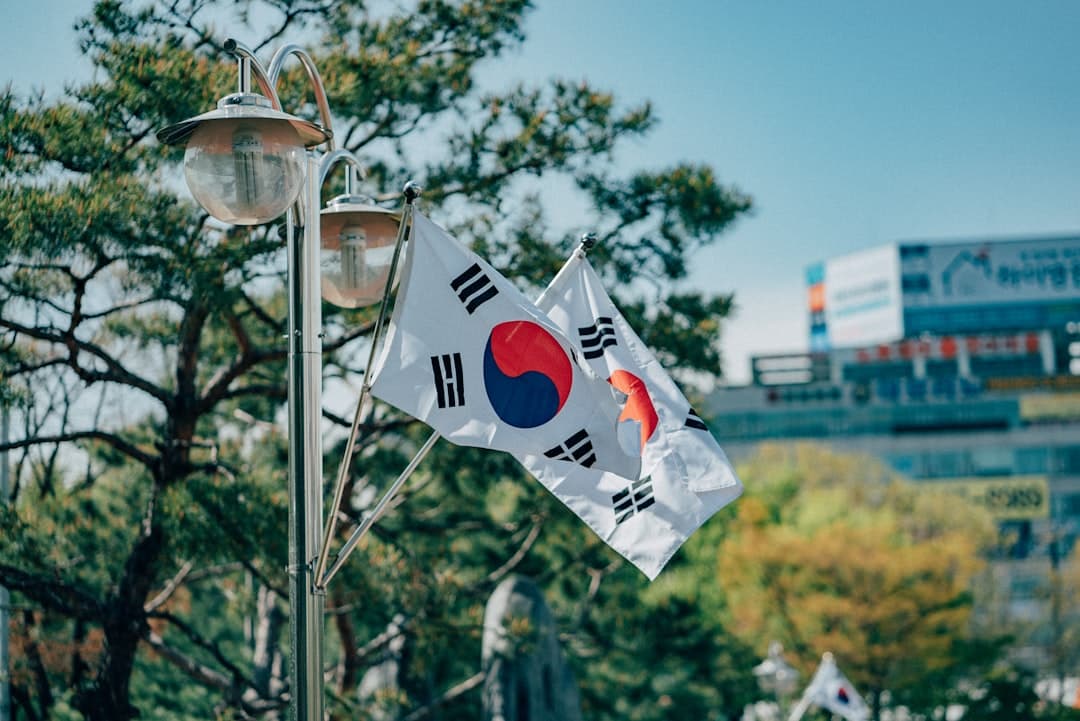
South Korea Mortgage Market Overview
South Korea's real estate financing environment presents a wealth of opportunities for international investors keen on entering one of Asia's most dynamic property markets. The Korean banking system, known for its rigor and stability, offers foreign buyers access to competitive financing options, albeit within a framework of specific regulations. Typically, loan-to-value (LTV) ratios available to overseas investors range from 50% to 70%, allowing for substantial leverage in property acquisitions. Interest rates in South Korea have remained favorable, often hovering around the mid-single digits, contingent on global economic conditions. This is partly due to South Korea's robust financial infrastructure and monetary policies that aim to sustain economic growth while managing inflation. The relatively low financing costs provide foreign investors with an opportunity to maximize return on investment in a region characterized by high demand and limited supply. Foreign buyers benefit from a streamlined process, thanks to South Korea's comprehensive legal framework that supports international investment. However, it's essential for non-residents to stay informed about specific regulatory requirements; obtaining a Foreign Exchange Transaction Act approval is crucial for purchasing real estate, ensuring compliance with local laws. Additionally, the South Korean government periodically implements measures to stabilize housing prices, which can influence market dynamics and financing terms. Nevertheless, the consistent economic growth and urban development policies foster a conducive environment for investment. Foreign buyers capitalize on these conditions, with strategic financing decisions that leverage Korea's vibrant economy and steady real estate demand. By understanding and navigating the unique regulatory landscape, international investors can effectively tap into South Korea's thriving property market.
Non-Resident Deposit Requirements
Foreign buyers in South Korea typically need a larger deposit compared to residents. Most banks require 25-40% down payment for non-resident mortgages. Plan your financing accordingly.
Financing Trends: Mortgage Rates, Inflation & GDP Growth
Loading trends...
Historical view of mortgage interest rates, inflation trends, and economic growth indicators.
Affordability Metrics: Price-to-Income & Rental Yields
Loading affordability data...
Track property affordability through price-to-income ratios and rental yield percentages over time.
Loading comparison...
How to Get a Mortgage in South Korea
Local banks in South Korea extend mortgage services to foreign buyers, although the process can be more complex than for domestic purchasers. Typically, foreign buyers need to prepare for interest rates that range from 3% to 5% and loan terms that can extend up to 20 years. Essential documentation includes proof of income, a valid passport, and detailed bank statements. Most banks also require a residence certificate and an Alien Registration Card. It's advisable for foreign buyers to work with a local financial advisor to navigate these requirements efficiently and secure the best mortgage terms.
Advantages
- ✓Competitive interest rates
- ✓Potential tax benefits for property investment
- ✓Access to a stable and growing property market
- ✓Availability of structured developer financing options
- ✓Well-regulated mortgage industry ensuring investor protection
Considerations
- ✗Lower loan-to-value ratios for foreign buyers
- ✗Currency risk due to exchange rate fluctuations
- ✗Complex documentation requirements
- ✗Limited availability of English-language banking services
South Korea Mortgage Requirements for Foreigners
- 1Valid passport
- 2Proof of income (salary slips or tax returns)
- 3Bank statements from the past six months
- 4Alien Registration Card
- 5Residence certificate
- 6Credit history report
- 7Property purchase agreement
Pro Tip for Foreign Buyers
Start gathering your documentation 2-3 months before applying. Non-resident mortgage applications typically require notarized translations and apostille stamps for foreign documents, which can take several weeks to process.
Calculate Your Mortgage
Use our interactive mortgage calculator to estimate your monthly payments for a property in South Korea.
Mortgage Calculator
Mortgage Summary
Financing Tip
Your down payment of 20% or more typically qualifies you for the best available rates.
Developer Financing in South Korea
Property developers in South Korea often offer attractive financing options to foreign buyers through structured payment plans. These typically start with a reservation fee, followed by a series of deposits and staged payments aligned with construction milestones. For instance, a buyer may need to pay 10% upfront as a reservation fee, with subsequent payments of 20% during construction phases, and the remaining balance upon completion. Such plans provide flexibility and can alleviate the immediate financial burden, making them a popular choice among international investors seeking to own property in South Korea.
Due Diligence Required
Always verify the developer's credentials, track record, and financial stability before committing. Request to see building permits, completion guarantees, and consider using escrow accounts for staged payments.
Typical Payment Structure
Advantages
- ✓Competitive interest rates
- ✓Potential tax benefits for property investment
- ✓Access to a stable and growing property market
- ✓Availability of structured developer financing options
- ✓Well-regulated mortgage industry ensuring investor protection
Considerations
- ✗Lower loan-to-value ratios for foreign buyers
- ✗Currency risk due to exchange rate fluctuations
- ✗Complex documentation requirements
- ✗Limited availability of English-language banking services