
Saudi Arabia Property Financing & Mortgages for Buying Real Estate
How to Get a Mortgage in Saudi Arabia as a Foreigner
Navigating the dynamic landscape of Saudi Arabia's real estate market offers foreign investors unique opportunities, especially in the context of property finan
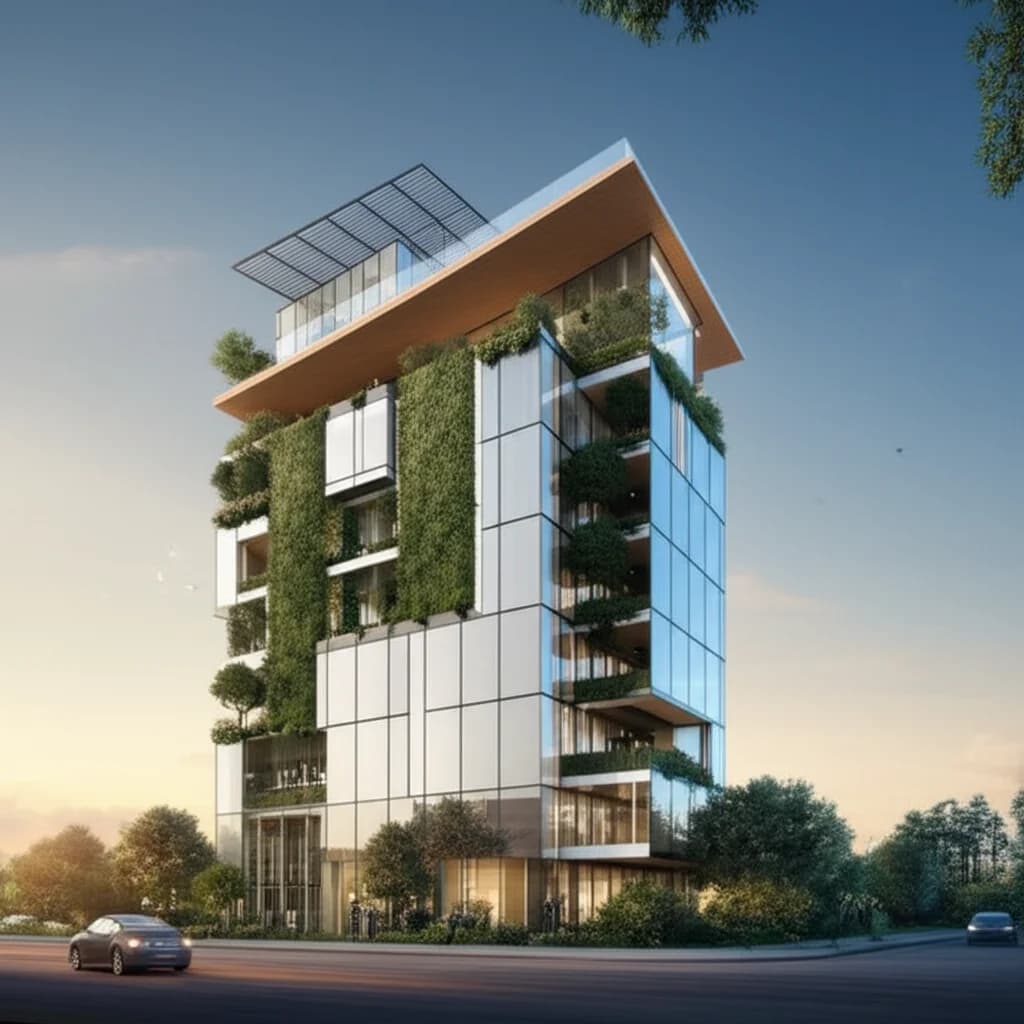
Saudi Arabia Mortgage Market Overview
Financing options in Saudi Arabia are diverse, offering both conventional and Islamic mortgage products. The average loan-to-value (LTV) ratio ranges from 65% to 70%, with interest rates between 3.5% and 5.2%. The processing time for mortgage applications typically takes 4 to 6 weeks, with an approval rate of around 75%. Popular lenders include major banks such as Riyad Bank and Al Rajhi Bank, which cater to both local and foreign investors. Investors can choose from various mortgage types, including fixed-rate, variable-rate, and Islamic home financing, each with its own set of advantages and considerations.
Non-Resident Deposit Requirements
Foreign buyers in Saudi Arabia typically need a larger deposit compared to residents. Most banks require 25-40% down payment for non-resident mortgages. Plan your financing accordingly.
Why Invest in Saudi Arabia?
- Reason 1: Strong economic growth driven by Vision 2030.
- Reason 2: Favorable tax environment with no property taxes.
- Reason 3: Increasing demand for residential properties.
- Reason 4: Strategic location as a gateway between Europe, Asia, and Africa.
- Reason 5: Government incentives for foreign investors.
Financing Trends: Mortgage Rates, Inflation & GDP Growth
Loading trends...
Historical view of mortgage interest rates, inflation trends, and economic growth indicators.
Affordability Metrics: Price-to-Income & Rental Yields
Loading affordability data...
Track property affordability through price-to-income ratios and rental yield percentages over time.
Loading comparison...
Current Financial Indicators (2024)
Inflation Rate
1.6%
Interest Rate
5.50%
• Strong rental yields averaging 6.7% make Saudi Arabia attractive for buy-to-let investors.
• With a price-to-income ratio of 3.2, Saudi Arabia offers relatively affordable property compared to global averages.
• High quality of life index (155/200) attracts international residents and supports long-term value.
• Strong safety ratings (73/100) enhance appeal for families and retirees.
Popular Lenders in Saudi Arabia
Riyad Bank
Residential properties, foreign investors
Contact: info@riyadbank.com
Al Rajhi Bank
Islamic financing, residential properties
Contact: contact@alrajhibank.com
Saudi British Bank (SABB)
Commercial properties, expatriates
Contact: services@sabb.com
National Commercial Bank (NCB)
Large-scale investments, mixed-use developments
Contact: support@ncb.com
Banque Saudi Fransi
Luxury properties, foreign nationals
Contact: info@bsf.com
Investment Tips for Saudi Arabia
Tip 1: Focus on properties near upcoming infrastructure projects.
Tip 2: Consider the rental yield potential in popular tourist areas.
Tip 3: Diversify investments across different cities.
Tip 4: Leverage local expertise for market insights.
Tip 5: Monitor government policies affecting real estate.
Tip 6: Invest in properties with sustainable and eco-friendly features.
Tip 7: Analyze historical price trends before purchasing.
Tip 8: Consider mixed-use developments for diversified income.
Tip 9: Evaluate the long-term growth potential of the area.
Tip 10: Stay updated on changes in foreign ownership laws.
Tip 11: Use professional property management services for rentals.
Tip 12: Invest in properties with high demand from expatriates.
Property Prices by City in Saudi Arabia
| City | Price/m² | Rental Yield | Price Growth | Popular Areas |
|---|---|---|---|---|
| Riyadh | €3,500 | 4.8% | +6.1% YoY | Olaya, Al Malaz, Al Murabba |
| Jeddah | €3,200 | 5.0% | +5.5% YoY | Al Hamra, Al Shati, Al Andalus |
| Dammam | €2,800 | 5.3% | +4.9% YoY | Al Faisaliyah, Al Khalidiyah, Al Rakah |
| Mecca | €3,900 | 4.5% | +5.7% YoY | Al Aziziyah, Al Awali, Al Naseem |
| Medina | €3,000 | 4.9% | +5.2% YoY | Al Haram, Quba, Al Madinah |
How to Get a Mortgage in Saudi Arabia
Foreign buyers interested in Saudi Arabia mortgages can access local banks that offer tailored mortgage solutions. Typically, these banks require a minimum down payment of 30% and offer interest rates ranging from 4% to 6%, with loan terms spanning up to 25 years. To qualify, applicants must provide documentation such as a valid passport, proof of income, and bank statements. While interest rates and terms can vary, Saudi banks are known for their rigorous yet supportive approach, ensuring that foreign investors can navigate the mortgage process efficiently.
Advantages
- ✓Competitive mortgage rates
- ✓No property taxes
- ✓Potential for high rental yields
- ✓Strategic economic reforms boosting real estate market
- ✓Strong legal framework protecting foreign investments
Considerations
- ✗Lower loan-to-value ratio for foreigners
- ✗Currency exchange rate risk
- ✗Complex documentation process
- ✗Limited mortgage options for non-residents
Saudi Arabia Mortgage Requirements for Foreigners
- 1Valid passport
- 2Proof of income
- 3Bank statements for the last six months
- 4Employment verification letter
- 5Credit history report
- 6Property appraisal report
- 7Down payment proof
Pro Tip for Foreign Buyers
Start gathering your documentation 2-3 months before applying. Non-resident mortgage applications typically require notarized translations and apostille stamps for foreign documents, which can take several weeks to process.
Calculate Your Mortgage
Use our interactive mortgage calculator to estimate your monthly payments for a property in Saudi Arabia.
Mortgage Calculator
Mortgage Summary
Financing Tip
Your down payment of 20% or more typically qualifies you for the best available rates.
Common Pitfalls to Avoid in Saudi Arabia
- ⚠Pitfall 1: Avoid properties with unclear legal titles.
- ⚠Pitfall 2: Watch out for overvalued properties in speculative markets.
- ⚠Pitfall 3: Be cautious of high service charges in luxury developments.
- ⚠Pitfall 4: Ensure compliance with local real estate regulations.
- ⚠Pitfall 5: Avoid properties in areas with declining population.
- ⚠Pitfall 6: Be wary of construction delays in new developments.
- ⚠Pitfall 7: Don't underestimate the cost of property maintenance.
- ⚠Pitfall 8: Avoid properties with low rental demand.
- ⚠Pitfall 9: Be cautious of currency exchange risks.
- ⚠Pitfall 10: Avoid investing without thorough market research.
Developer Financing in Saudi Arabia
In addition to traditional bank loans, property developers in Saudi Arabia offer attractive financing options through structured payment plans. These plans often begin with a reservation fee, followed by a down payment of 10% to 20%, with the remaining balance divided into staged payments aligned with construction milestones. This flexibility allows buyers to manage their cash flow effectively while investing in desirable real estate projects. Developer financing can be especially beneficial for those seeking to secure property in new developments, providing both convenience and the potential for capital appreciation.
Due Diligence Required
Always verify the developer's credentials, track record, and financial stability before committing. Request to see building permits, completion guarantees, and consider using escrow accounts for staged payments.
Typical Payment Structure
Advantages
- ✓Competitive mortgage rates
- ✓No property taxes
- ✓Potential for high rental yields
- ✓Strategic economic reforms boosting real estate market
- ✓Strong legal framework protecting foreign investments
Considerations
- ✗Lower loan-to-value ratio for foreigners
- ✗Currency exchange rate risk
- ✗Complex documentation process
- ✗Limited mortgage options for non-residents