
Austria Property Financing & Mortgages for Buying Real Estate
How to Get a Mortgage in Austria as a Foreigner
Navigating the real estate financing landscape in Austria reveals a sophisticated system that offers international investors a stable and transparent avenue for
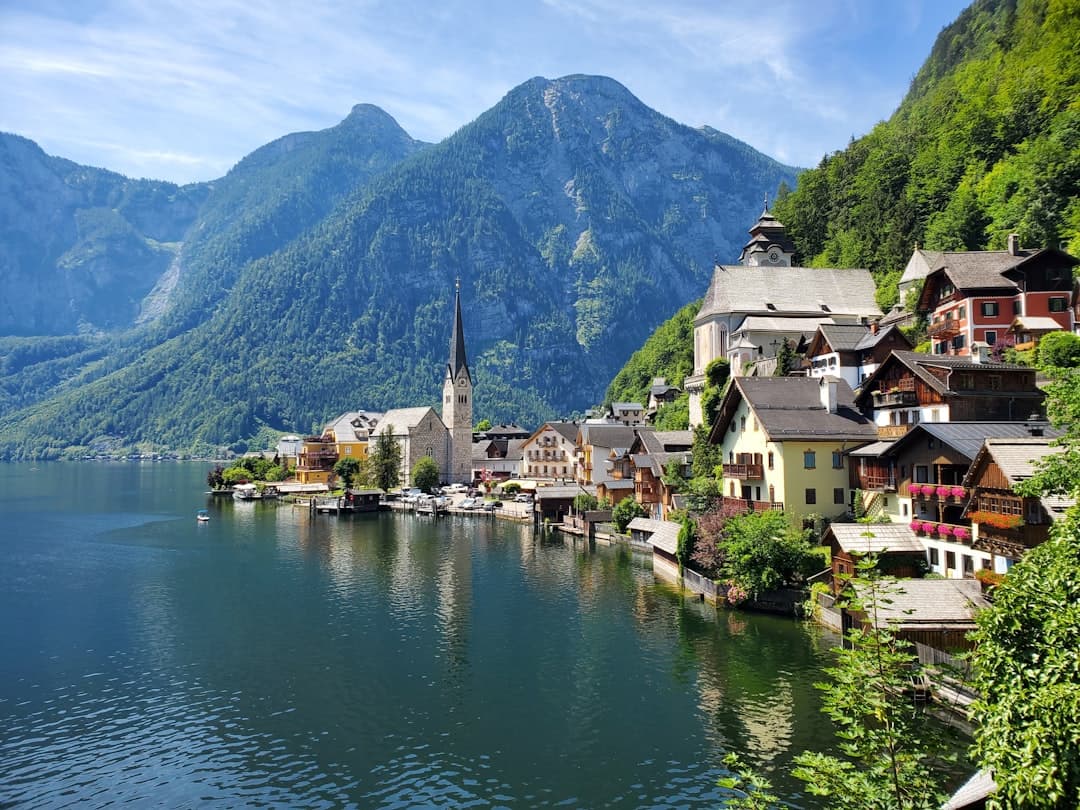
Austria Mortgage Market Overview
Austria offers a stable real estate market with diverse financing options. Investors can benefit from competitive interest rates and a variety of mortgage products tailored to different needs. Major banks like Erste Group and Raiffeisen provide specialized services for foreign buyers, making it easier to invest in both residential and commercial properties. With a robust legal framework and a high approval rate for mortgages, Austria is an attractive destination for real estate investment.
Non-Resident Deposit Requirements
Foreign buyers in Austria typically need a larger deposit compared to residents. Most banks require 25-40% down payment for non-resident mortgages. Plan your financing accordingly.
Why Invest in Austria?
- Reason 1: Strong economic growth
- Reason 2: Favorable tax environment
- Reason 3: High quality of life and stable political environment
- Reason 4: Diverse investment opportunities across urban and rural areas
Financing Trends: Mortgage Rates, Inflation & GDP Growth
Loading trends...
Historical view of mortgage interest rates, inflation trends, and economic growth indicators.
Affordability Metrics: Price-to-Income & Rental Yields
Loading affordability data...
Track property affordability through price-to-income ratios and rental yield percentages over time.
Loading comparison...
Current Financial Indicators (2024)
Inflation Rate
2.3%
Interest Rate
3.65%
• High quality of life index (182/200) attracts international residents and supports long-term value.
• Strong safety ratings (71/100) enhance appeal for families and retirees.
Popular Lenders in Austria
Erste Group Bank
Foreign buyers, vacation properties
Contact: international@erstebank.com
Raiffeisen Bank International
Residential and commercial properties
Contact: info@raiffeisenbank.com
UniCredit Bank Austria
Urban properties, foreign investors
Contact: contact@unicreditbank.at
Bawag P.S.K.
Luxury properties, expats
Contact: service@bawagpsk.com
Volksbank
Rural properties, first-time buyers
Contact: info@volksbank.at
Investment Tips for Austria
Tip 1: Focus on properties in central Vienna for stable growth.
Tip 2: Consider investing in student housing in Graz.
Tip 3: Look for undervalued properties in Salzburg's suburbs.
Tip 4: Monitor the tourism sector in Innsbruck for short-term rentals.
Tip 5: Explore mixed-use developments in Linz.
Tip 6: Stay updated on local zoning laws and regulations.
Tip 7: Use local real estate agents for market insights.
Tip 8: Diversify your portfolio across different cities.
Tip 9: Consider eco-friendly properties for future value.
Tip 10: Evaluate the impact of infrastructure projects on property values.
Property Prices by City in Austria
| City | Price/m² | Rental Yield | Price Growth | Popular Areas |
|---|---|---|---|---|
| Vienna | €4,500 | 4.2% | +5.8% YoY | Innere Stadt, Leopoldstadt, Landstraße |
| Salzburg | €4,200 | 4.5% | +5.0% YoY | Altstadt, Maxglan, Parsch |
| Graz | €3,800 | 5.1% | +4.2% YoY | Innere Stadt, Lend, Geidorf |
| Innsbruck | €4,000 | 4.3% | +4.7% YoY | Hötting, Pradl, Wilten |
| Linz | €3,600 | 4.8% | +4.5% YoY | Innenstadt, Urfahr, Pöstlingberg |
How to Get a Mortgage in Austria
Local banks in Austria are generally open to working with foreign buyers, although the process can be more stringent compared to local residents. To secure a mortgage, foreign buyers typically need to provide documentation such as proof of income, tax returns, and bank statements. Interest rates in Austria are competitive, often ranging between 1.5% and 3%, with loan terms that can extend up to 30 years. It's important to note that banks may require a higher down payment from foreign buyers, and some may also request a guarantor or additional collateral.
Advantages
- ✓Competitive interest rates compared to other European markets
- ✓Stable economic environment supporting secure investments
- ✓Potential tax benefits for property owners
- ✓Transparent legal and banking systems
- ✓Flexibility in loan terms and conditions
Considerations
- ✗Lower loan-to-value (LTV) ratios for foreign buyers
- ✗Currency risk if income is in a different currency
- ✗Complexity of documentation and legal requirements
- ✗Potential need for a local guarantor or additional collateral
Austria Mortgage Requirements for Foreigners
- 1Valid passport or ID card
- 2Proof of income (e.g., salary slips, employment contract)
- 3Recent bank statements (usually last 6 months)
- 4Credit report or credit history
- 5Property appraisal report
- 6Tax returns for the last 2 to 3 years
- 7Proof of residency or address
Pro Tip for Foreign Buyers
Start gathering your documentation 2-3 months before applying. Non-resident mortgage applications typically require notarized translations and apostille stamps for foreign documents, which can take several weeks to process.
Calculate Your Mortgage
Use our interactive mortgage calculator to estimate your monthly payments for a property in Austria.
Mortgage Calculator
Mortgage Summary
Financing Tip
Your down payment of 20% or more typically qualifies you for the best available rates.
Common Pitfalls to Avoid in Austria
- ⚠Pitfall 1: Avoid over-leveraging your investment.
- ⚠Pitfall 2: Watch out for properties with unclear legal status.
- ⚠Pitfall 3: Be cautious of high maintenance costs in older buildings.
- ⚠Pitfall 4: Don't underestimate the impact of property taxes.
- ⚠Pitfall 5: Avoid properties in declining neighborhoods.
- ⚠Pitfall 6: Be aware of currency exchange risks.
- ⚠Pitfall 7: Don't neglect due diligence on property history.
- ⚠Pitfall 8: Be cautious of overpaying in a competitive market.
- ⚠Pitfall 9: Avoid properties with restrictive covenants.
- ⚠Pitfall 10: Be wary of properties with poor rental demand.
Developer Financing in Austria
Many property developers in Austria offer financing options directly to buyers, often through structured payment plans. These plans typically begin with a reservation fee, followed by a series of staged payments. For instance, buyers might pay a 10% deposit upon signing the contract, with subsequent payments tied to construction milestones. This approach can be advantageous for buyers as it allows them to spread out the cost of the property over time, aligning payments with the property's development progress, thereby reducing upfront financial burden.
Due Diligence Required
Always verify the developer's credentials, track record, and financial stability before committing. Request to see building permits, completion guarantees, and consider using escrow accounts for staged payments.
Typical Payment Structure
Advantages
- ✓Competitive interest rates compared to other European markets
- ✓Stable economic environment supporting secure investments
- ✓Potential tax benefits for property owners
- ✓Transparent legal and banking systems
- ✓Flexibility in loan terms and conditions
Considerations
- ✗Lower loan-to-value (LTV) ratios for foreign buyers
- ✗Currency risk if income is in a different currency
- ✗Complexity of documentation and legal requirements
- ✗Potential need for a local guarantor or additional collateral