
 Apartment
Price on request
Sao Paulo

18 homes, apartments and plots from local agents and developers.
Listings link to the original agent or portal, where you can contact the seller directly.
12 properties shown
ApartmentPrice on request
Sao Paulo
 Apartment
Price on request
Rio de Janeiro
 Apartment
Price on request
Recife
 Apartment
Price on request
Salvador
 Apartment
Price on request
Recife
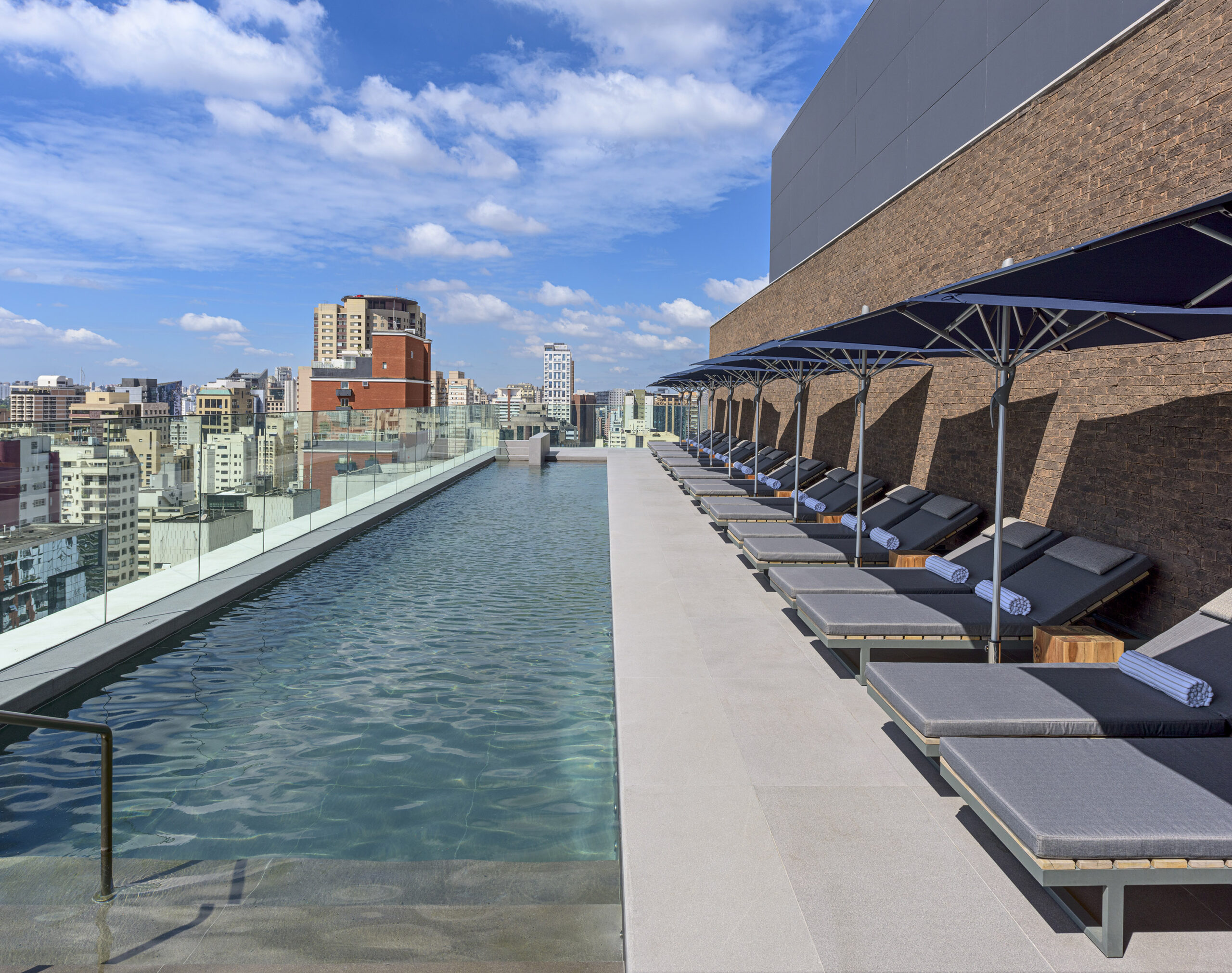 Apartment
Price on request
Sao Paulo
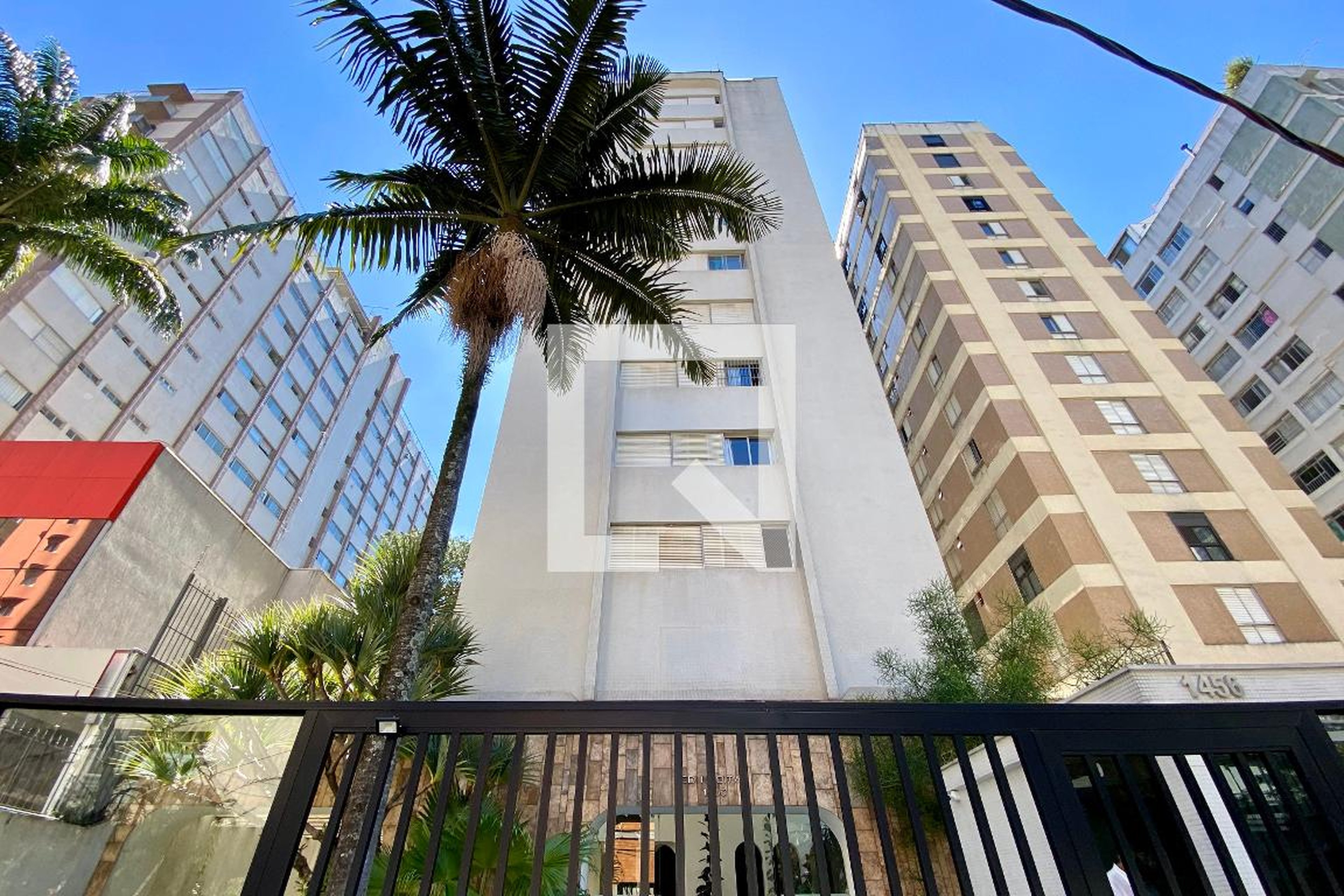 Apartment
Price on request
Sao Paulo
 Apartment
$646,600
Sao Paulo
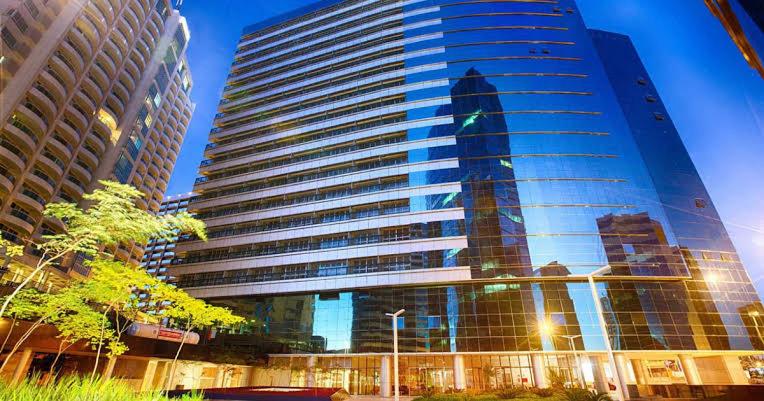 Apartment
$150,000
Brasilia
 Apartment
Price on request
Sao Paulo
 Apartment
Price on request
Rio de Janeiro
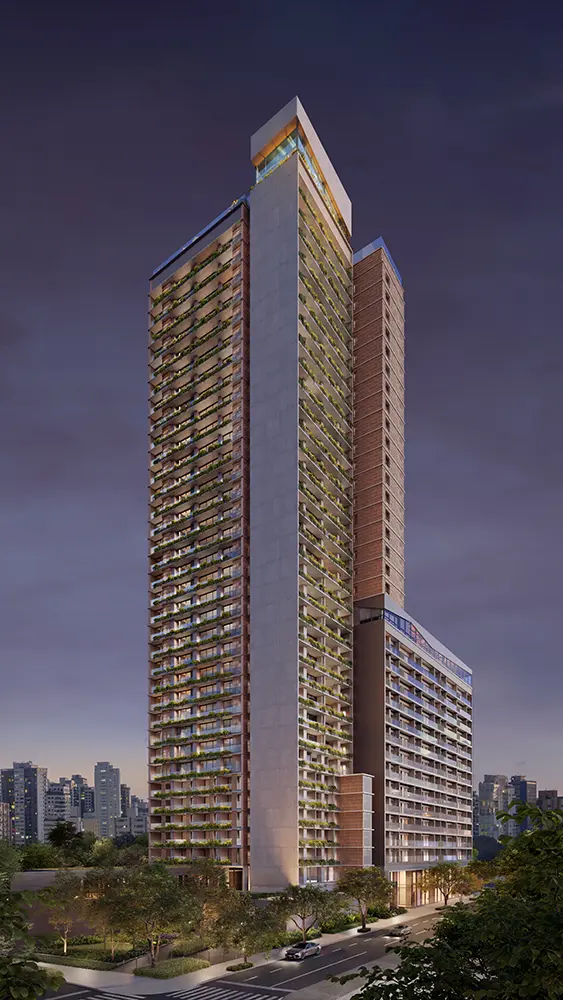 Apartment
Price on request
Sao Paulo
Buyer's guide: Brazil
The Brazilian property market in 2023 presents a dynamic environment for buyers, characterized by a robust supply of diverse property types across vibrant cities. Demand is particularly high in metropolitan areas like São Paulo and Rio de Janeiro, propelling price growth and competition among buyers. Despite economic fluctuations, the real estate sector remains resilient, with stable price trends and a growing interest from both domestic and international buyers. Opportunities abound, especially in emerging neighborhoods, making it an opportune time for those looking to invest in Brazil properties for sale.
Apartments. Apartments are the most popular choice in urban areas such as São Paulo and Rio de Janeiro. They range from compact studios to luxurious penthouses, catering to young professionals and families alike. Features often include proximity to amenities, security features, and modern design.
Villas. Villas offer spacious living and are commonly found in suburban areas or coastal regions. They typically feature private gardens, swimming pools, and expansive views, appealing to affluent buyers seeking privacy and luxury.
Townhouses. Townhouses provide a balance between apartment living and villa luxury, often located in gated communities with shared amenities. Ideal for families, they offer a sense of community and security.
Penthouses. Penthouses represent the epitome of luxury in Brazil's real estate market. Located in prime city locations, they offer breathtaking views, high-end finishes, and exclusive amenities, targeting high-net-worth individuals.
Brazil's real estate market holds strong investment potential, driven by urbanization and a growing middle class. There's a consistent rental demand in major cities, providing attractive yields for investors. While the market is mature in cities like São Paulo and Rio de Janeiro, emerging cities and neighborhoods offer growth opportunities. Resale prospects remain positive, backed by the country's economic recovery and infrastructure developments.
Foreigners can purchase property in Brazil with few restrictions. However, there are some limitations, such as the acquisition of rural land or property near national borders, which require special authorization. It is advisable to hire a local attorney to navigate the legal process and ensure compliance with Brazilian property laws. A Cadastro de Pessoa Física (CPF), equivalent to a social security number, is necessary for transactions, and contracts should be notarized in Portuguese. The process typically includes securing a local tax registration number, getting a public deed, and registering the property with the local real estate registry office.
The Brazilian real estate market has shown resilience with a stable growth trajectory, particularly in urban areas such as São Paulo and Rio de Janeiro. Despite global economic fluctuations, 2023 has seen a modest increase in property values, driven by a growing middle class and foreign investment. With approximately 600 properties currently available, Brazil continues to offer diverse investment opportunities ranging from beachside retreats to city apartments. Favorable exchange rates and government incentives for foreign investors add to the market's attractiveness.
The cost of living in Brazil is generally lower than in many Western countries. While living expenses can vary significantly between regions, major cities like São Paulo and Rio de Janeiro tend to have higher costs, especially in terms of real estate. However, many expats find Brazil's overall cost of living to be quite affordable, with reasonable prices for services, food, and transportation. For investors, this means rental yields can be quite attractive when properties are managed effectively to meet the local demand.
Foreign investors should be aware of currency exchange rates, as fluctuations can impact the cost of property transactions. It's also important to consider taxes such as the Imposto de Transmissão de Bens Imóveis (ITBI), a transfer tax of about 2-3% of the property value, and the annual property tax (IPTU). Engaging with a local financial advisor can help navigate these financial nuances and optimize investment strategies. Additionally, financing options may vary, so exploring both local and international mortgage solutions is advisable.
Brazil offers a vibrant lifestyle with its rich cultural heritage, stunning natural landscapes, and warm climate. The country is known for its friendly people, delicious cuisine, and world-famous festivals like Carnival. Whether in the bustling cities or tranquil coastal areas, residents enjoy a diverse array of recreational activities, from samba and football to hiking and beach sports. The diverse environment caters to varied interests, providing a balanced lifestyle that appeals to many international buyers.
To attract foreign investment, the Brazilian government offers several incentives, particularly in sectors like tourism and renewable energy. While specific real estate incentives may be limited, foreign investors can benefit from tax treaties that prevent double taxation. Additionally, Brazil's status as a BRICS nation indicates long-term growth potential, making it an attractive destination for strategic property investments. It is beneficial to consult with local experts to fully understand available incentives and the legal framework.
Brazil's diverse climate zones—ranging from tropical in the north to temperate in the south—offer varied real estate opportunities. The warm, coastal areas attract vacationers and retirees, presenting lucrative short-term rental markets, while the cooler southern regions are ideal for agriculture and wine production investments. Climate considerations also influence property design, with features like verandas and ventilation systems being popular in hotter regions. Understanding these dynamics can guide investment decisions and property management strategies.
Relocating to Brazil requires careful planning, especially regarding visa requirements and language barriers, as Portuguese is the official language. It's essential to familiarize oneself with local customs and healthcare systems, which are a mix of public and private services. For families, understanding the educational landscape is crucial, with international schools being a preferred choice for expatriates. Additionally, transportation infrastructure varies by region, so proximity to airports and public transit may influence property decisions. Engaging with relocation specialists can smooth the transition.